Section
History
Tea history is not only chronology. It is also a history of brewing forms, vessels, aesthetics, trade, and social life.
Latest / featured reading
Why the Tea Tax Office Was More Than an Office for Collecting Tea Taxes: From Assessment, License Verification, and Transport to Frontier Supply, How the State Turned Tea into a Durable Administrative Machine
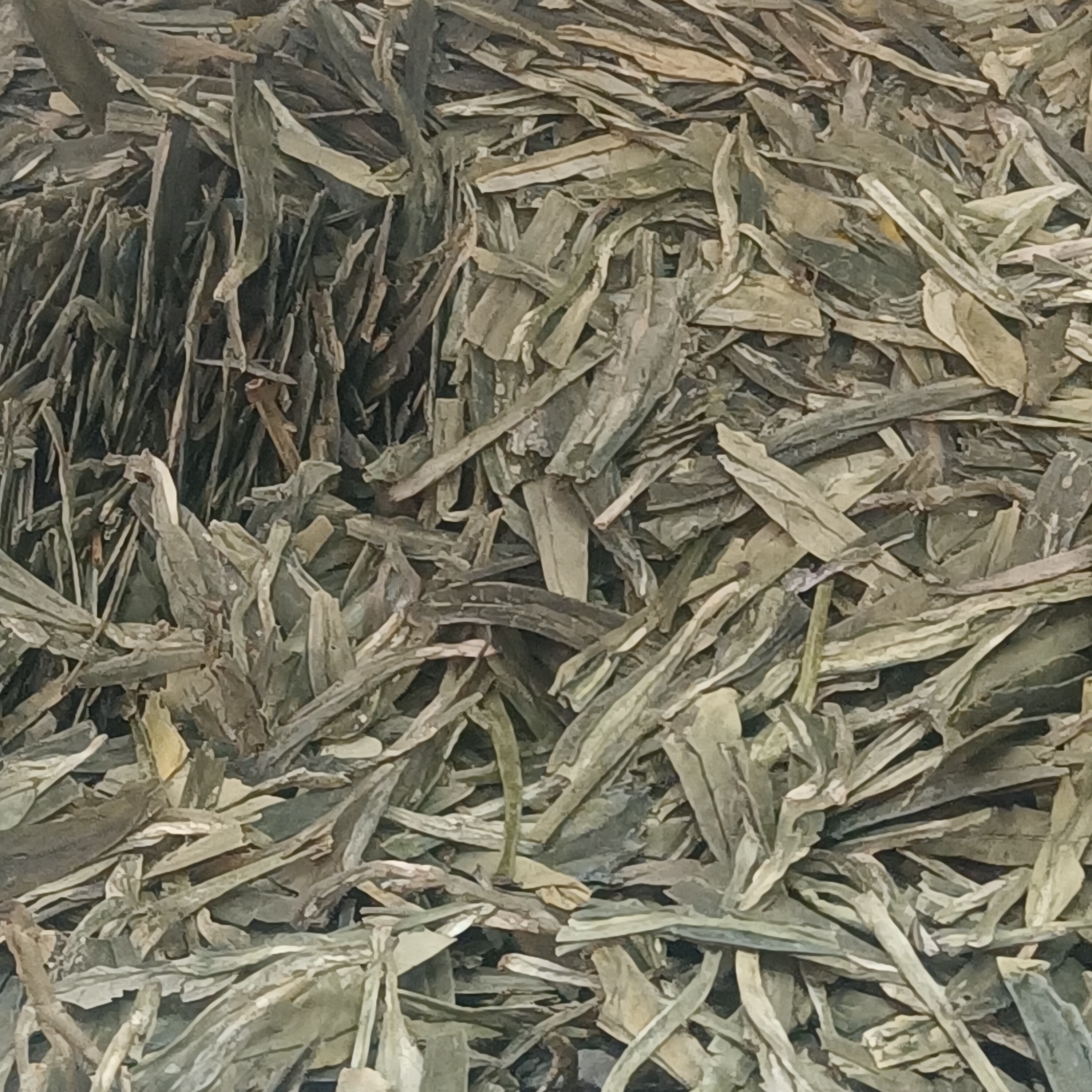
The tea tax office was not just a bureau for collecting tea taxes. It was part of the institutional machine that made tea assessable, documentable, transportable, and allocable to strategic regions.
Why Shengchaqian, the ‘Surplus Tea Tax,’ Deserves Its Own Rewrite: it was not a minor Tang tea-tax footnote, but a step by which the state pushed tea beyond ‘one-tenth taxation’ toward fixed surcharge extraction
Shengchaqian was not just a minor Tang tea-tax add-on. It shows the state moving from general proportional tea taxation toward a more stable and finer-grained fixed surcharge structure.
Why China Still Cares So Much About Pre-Qingming and First-Pick Tea: From New Fire and Fresh Tea to the Spring Tea Obsession
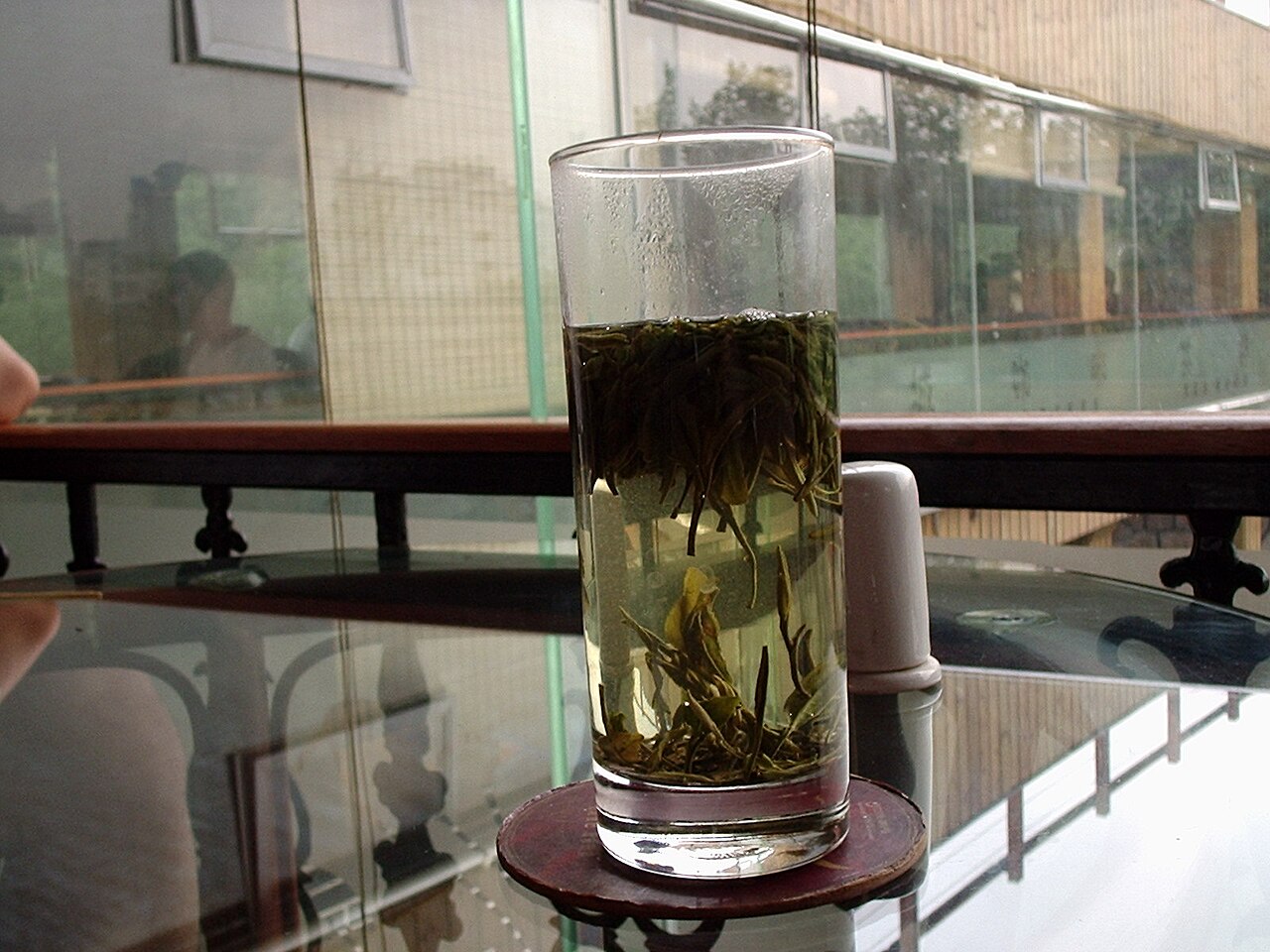
From the older ritual language of 'trying fresh tea with new fire' to today's pre-Qingming and first-pick tea frenzy, this long-form feature explains a persistent Chinese tea idea: people are not only buying leaves, but also buying springtime, scarcity, sequence, and the feeling of getting the year's first real sip.
All articles
Browse the full section in reverse chronological order.