History feature
What ‘the Way of Tea’ really means in China: not a mystical slogan detached from life, but a lived order that slowly grew out of tea work, objects, hospitality, trained perception, and historical change
Today, when many people hear the phrase “the Way of Tea,” what comes to mind is often not Chinese tea history itself but a tightly packaged cluster of ideas: calm, emptiness, Zen, self-cultivation, ritual, slowness. Those associations are not entirely false, but they easily thin the subject out. If the “Way of Tea” is reduced to an abstract Eastern mood, then the most important things in Chinese tea culture disappear at once. Tea did not begin with a ready-made doctrine that later needed a cup of tea to illustrate it. The process was almost the reverse. A long series of concrete practices—growing tea, making tea, boiling water, choosing vessels, brewing, hosting, drinking alone, comparing tea, writing about tea—was repeated over centuries, then gradually interpreted, aestheticized, and moralized until later people could look back and say: there is a “way” here.
In other words, if the Chinese “Way of Tea” has real value, that value lies first in how grounded it is. It is not a slogan floating above life, but a form of order built slowly from specific acts: how water should be heated, how vessels should be matched, how leaves should be added, how liquor should be poured, how a host should manage rhythm, how a solitary drinker should place attention, how a shared cup should become a properly handled relationship. Remove all of that, keep only the words “empty,” “quiet,” “elegant,” and “mysterious,” and the so-called Way of Tea quickly turns into a shell that can absorb anything while saying less and less.
This is why the real task of this article is not simply to ask whether tea has philosophical meaning. It is to answer four harder questions. First, why is the phrase “the Way of Tea” so easily over-mystified today? Second, why is tea in Chinese history first of all a practice rather than an idea? Third, why can the “Way of Tea” not be a single straight line unchanged across dynasties, vessel systems, and brewing methods? Fourth, why is it still worth talking seriously about the phrase now, but only if we pull it back out of vague mysticism and return it to history and life? Once those questions are faced directly, “the Way of Tea” stops being a glowing but blurry noun and becomes a genuinely useful entrance into Chinese tea culture.
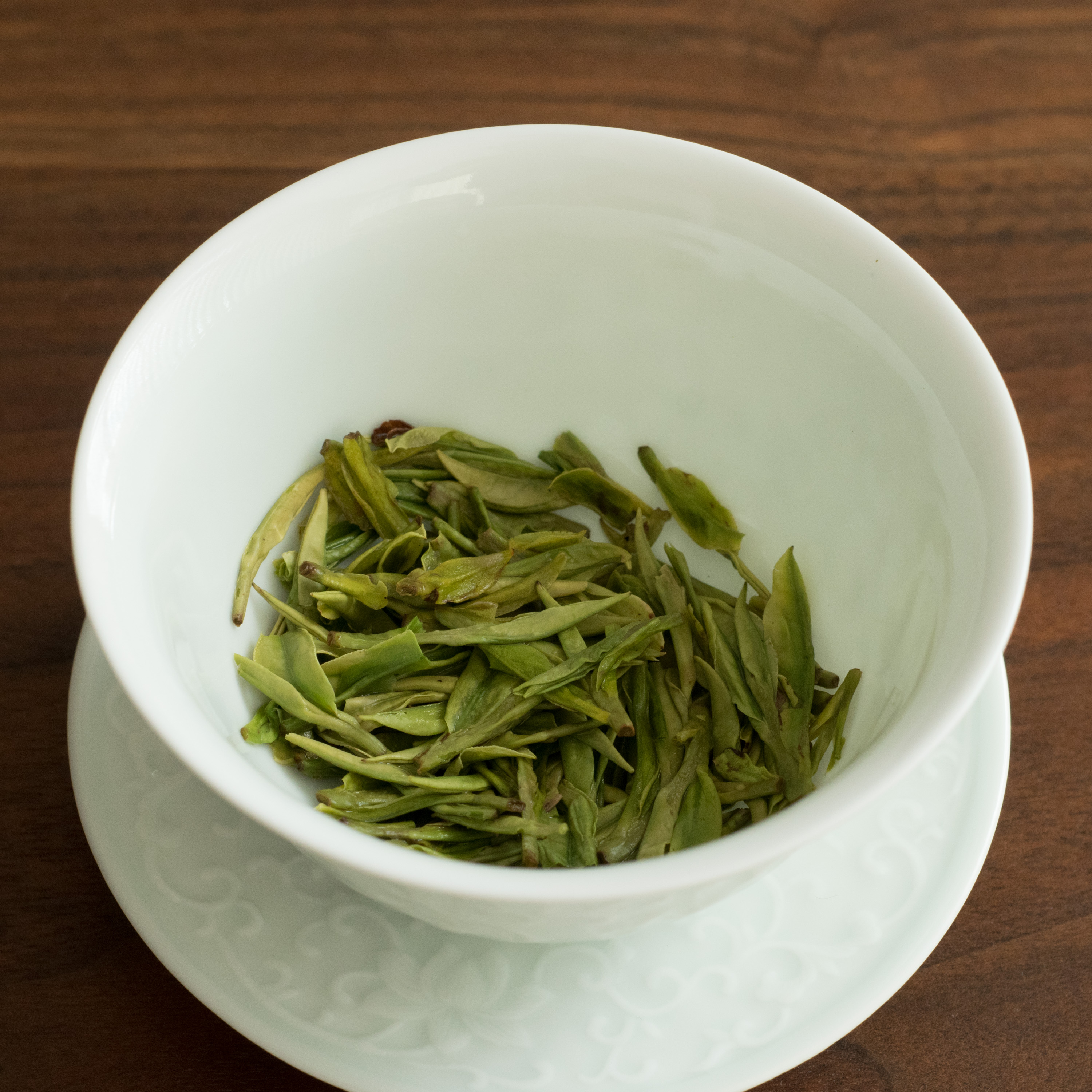
1. Why is the phrase so easily over-mystified? Because it is almost too perfect for packaging as a complete Eastern answer to life
The danger of the phrase does not come from the words themselves, but from how convenient they are. Any term that carries tradition, self-cultivation, quiet, aesthetics, restraint, and ritual is highly vulnerable to being compressed into something that looks finished the moment it is said. In modern circulation—Chinese internet culture, English-language writing, commercial spaces, tourism, lifestyle media—people love high-density phrases like this. They travel well. They sell well. They quickly create the feeling that one has grasped some ancient wisdom.
But that compression pulls tea away from real history. Chinese tea culture never stood up on elegant phrases alone. From the beginning, it belonged simultaneously to mountain production, local trade, state systems, monastic life, literati aesthetics, household hospitality, urban consumption, and bodily sensory training. One can certainly extract ideas of restraint, order, attention, and cultivation from it, but if those ideas are treated as the whole content of tea culture, tea becomes detached from the actual worlds that made it meaningful.
So what deserves caution is not the phrase itself, but the way it is often used today as a master key: as though once one says “the Way of Tea,” concrete history can be skipped, vessel differences can be skipped, brewing differences can be skipped, hosting relations can be skipped, even the materiality of tea can be skipped. All that remains is a beautiful mood word. That does not deepen tea. It empties it out.
2. In China, tea is first of all a practice, not an idea: without tea work, there is no “way” to begin with
If we want to make sense of the Chinese “Way of Tea,” the first thing to recover is the world of tea activity itself. Tea activity does not mean only drinking a cup. It means the whole sequence around tea: how tea is planted, plucked, made, stored, transported, sold, how water is heated, how vessels are used, how heat is judged, how brewing is arranged, how a cup is handed to a guest, how one drinks alone, how one compares one tea with another. None of these are secondary details. They are the ground on which tea culture stands.
That means that in Chinese history, tea did not first become a philosophical object and then receive its supporting actions afterward. More often the sequence ran the other way. Stable and repeated actions came first. Only afterward did those actions accumulate trained perception, ideas of order, and layered meanings. Over time people discovered that tea did more than quench thirst. It could train attention, organize hospitality, place time into rhythm, produce aesthetic judgment, and shape how a person faced both the self and others. When those practices had thickened enough, later readers could call the result a “way.”
So the most reliable formulation is not “first the Way, then tea,” but “first long and concrete tea practice, then a way that grows out of it.” This matters immensely. If the order is reversed, the Way of Tea becomes a floating spiritual slogan. If the order is restored, it drops back into reality: the “way” is not pure concept detached from action, but a stable method formed by actions taken seriously over time.
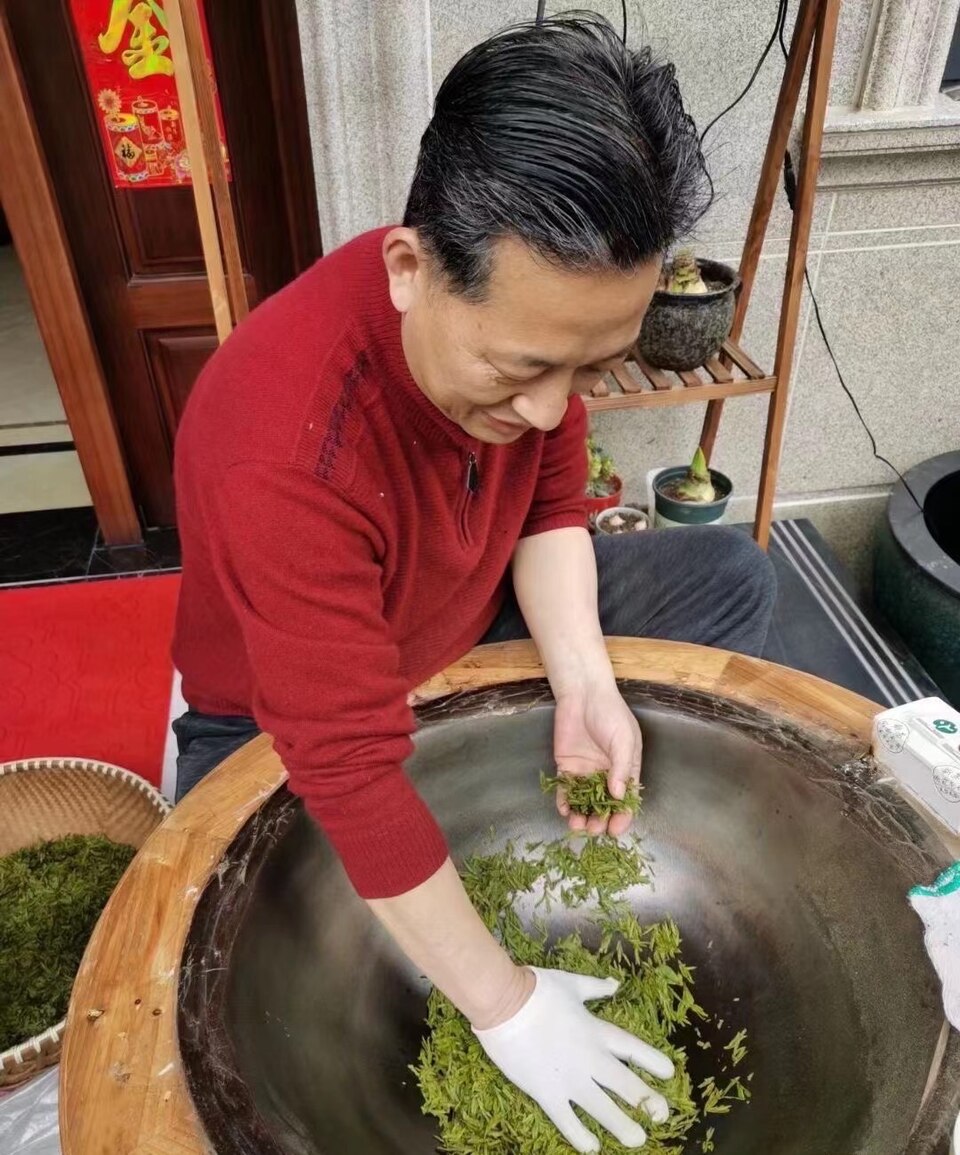
3. Why can the “Way of Tea” not be treated as one straight line unchanged from antiquity to the present? Because Tang, Song, Ming, Qing, and today did not inhabit the same tea world
One of the biggest distortions in tea history is to treat “tradition” as though it meant “always the same.” But even a brief look at Chinese tea history shows how false that is. The tea world of the Tang, the Song, and the Ming onward were not merely light variations inside one stable system. Boiled tea, whisked tea, steeped tea; compressed cakes, powdered tea, loose leaf; tribute structures, literati gatherings, urban tea-selling spaces, household hosting habits—all of these involve clearly different technical conditions, vessel systems, sensory priorities, and social structures.
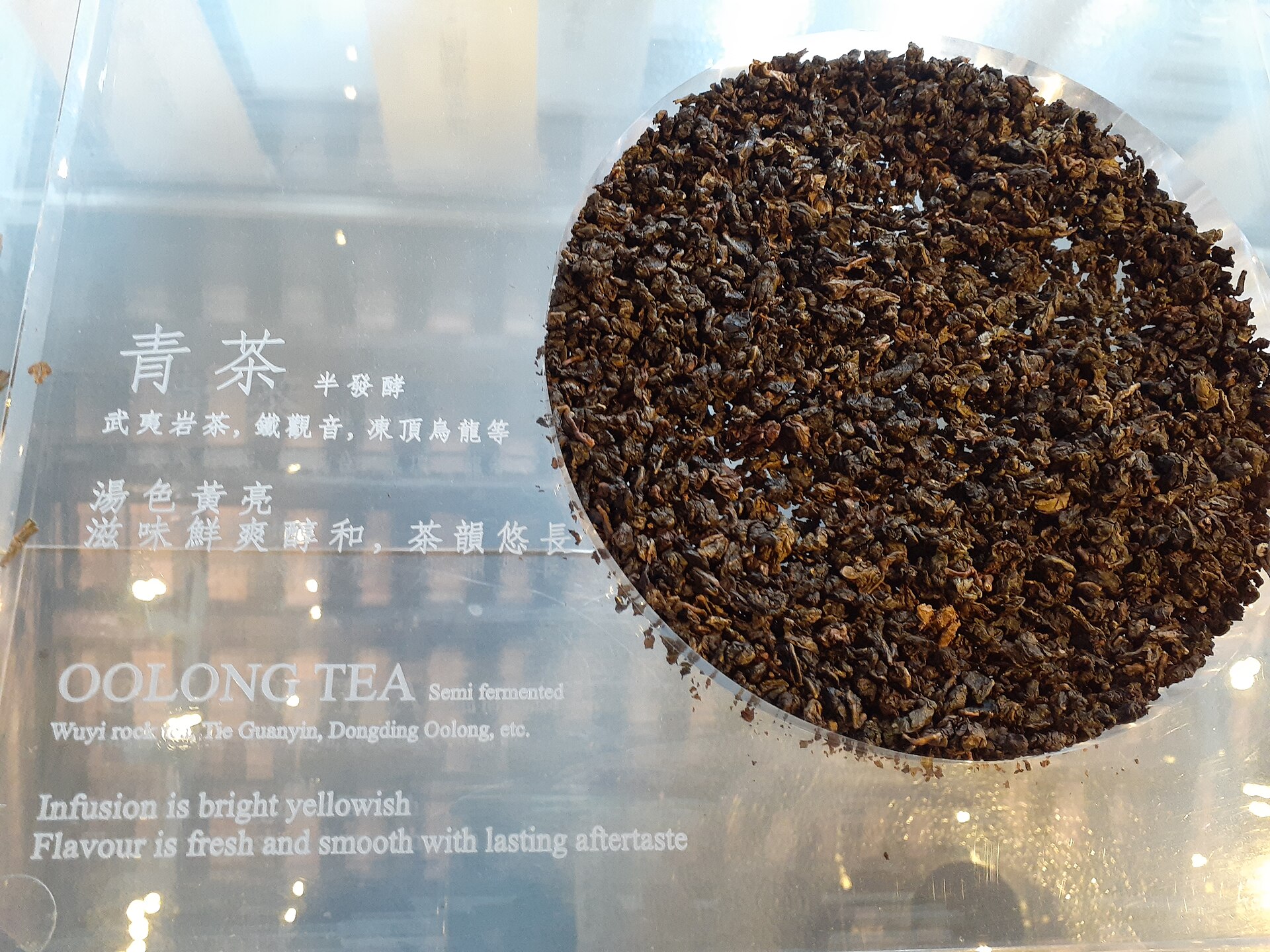
For example, Tang tea lived more strongly in the world of boiled tea, tea cakes, water stages, fire control, and the earlier organization of tea knowledge. Song tea pushed whisking, tea competition, white-foam judgment, dark Jian bowls, and higher technical comparison into the foreground. Once loose-leaf tea became mainstream in the Ming, leaf form, brewing logic, and sensory training shifted again, leaning more toward leaf unfurling, aroma, liquor, and the layered comparison of multiple infusions. Later urban teahouses, gongfu tea, regional customs, and modern commodity tea all placed tea into still newer orders of space and practice.
So if we imagine the “Way of Tea” as a single unchanged line from ancient times to now, we miss the very thing that made tea culture alive: it changed constantly, and it survived precisely because it could change. Chinese tea culture was not preserved by remaining identical. It was preserved by being repeatedly rewritten by different people, places, and historical conditions without losing its connection to lived reality.
4. Why are objects so important to the “Way of Tea”? Because tea is not pure thought; it always has to appear through vessels, touch, and rhythm
Many people move too quickly to the spiritual plane when discussing tea: cultivation, calm, discipline, inner state. But if one looks at Chinese tea texts and real tea practice, one encounters a plain fact. Tea has never been separate from things. It must always appear through specific materials: what the leaf looks like, how hot the water is, what functions bowl, pot, gaiwan, stove, scoop, and tray serve, how pouring speed changes taste, how vessel thickness changes touch, how a table organizes space and tempo.
That is why objects in tea are never merely decorative. They are functional, but they also carry an era’s aesthetic judgment and order of life. The differences among Tang, Song, Ming, Qing, and regional tea habits are not just differences of idea; they are differences of objects, techniques, and bodily handling. Tea did not first receive an abstract spirit and then pick up some random props. Quite often the object system itself shaped how people felt tea, judged tea, and organized tea practice.
This is also why Chinese tea culture so easily developed finely grained aesthetics. Tea naturally carries micro-differences. Slightly hotter or cooler water, deeper or shallower vessels, larger or smaller leaf, faster or slower pouring—all of these alter experience. The “Way of Tea” at this level does not take people away from the material world. It trains them to enter the material world more sensitively: to see differences, feel differences, and understand why they matter.
5. Why is the “Way of Tea” also a form of perceptual training rather than merely “knowing some traditional culture”? Because it trains the fineness of attention
One major reason tea remains so compelling in Chinese culture is that it trains attention at a fine scale. It does not necessarily require grand ceremony. Often it asks only for serious attention to small shifts that ordinary life would otherwise ignore: stages of boiling water, the speed at which leaves open in the cup, the change in aroma between the first and second infusions, how vessels transmit heat, the pause before drinking, the rhythm of handing a cup from one person to another.
That kind of training may look minor, but it is not simple at all. In modern life, one of the first things to be damaged is precisely this dense and stable attention. Tea is not magical; it cannot automatically make a person profound. But it does offer a rare method: by repeatedly handling micro-differences, one slowly makes perception, rhythm, and judgment steadier, finer, and more measured. In that sense, the “Way of Tea” is not mysticism. It is a technique of attention.
That is why a tea practice with real content is never just about “being quiet.” Quiet may be a surface result, but what is actually trained is the density of perception. Someone can sit at a tea table in a very still pose, yet if they have no fine judgment about water, vessels, leaf, time, or human relationship, what they possess is closer to a tea-cultural posture than to the training implied by the Way of Tea.
6. Why must the “Way of Tea” also be understood as a social language? Because tea in China has never been only a tool for solitude, but also a medium of hosting, exchange, and measure
Today, many people naturally think first of solitude, inward cultivation, and personal calm when they hear the phrase. That is understandable, but if we stop there, we narrow Chinese tea culture too much. Tea in Chinese history has also been a powerful social medium. Hosting guests, meeting friends, discussing learning, pausing, softening awkwardness, expressing respect, displaying cultivation, setting distance, drawing people closer—all of these have often been handled through tea. In other words, the Way of Tea is not only about how I face myself. It also includes how I face others through tea.
This sociality matters. Many apparently small movements in Chinese tea practice are actually carrying social language: whom one serves first, how one passes the cup, whether one sits first or pours first, whether one speeds up or slows down, how far one pushes refinement, whether the atmosphere becomes looser or steadier. These are not purely technical questions. They are also relational questions. Tea remained important in Chinese society not merely because tea tasted good, but because it was exceptionally well suited to organizing relationships in a low-intensity yet high-frequency way.
From this angle, the Way of Tea is never only “spiritual.” It has always also carried strong social content. It helps people handle relationships less harshly, express themselves with less coarseness, and maintain order in a softer and more sustainable way. Compared with grand ceremony, tea offers a finer, steadier, and more everyday civil action.
7. Why is the most common misunderstanding today to treat the “Way of Tea” as a classical refuge from reality? Because many people see only the atmosphere and miss that tea is really a way of rearranging reality
Modern people often return to tea with a strong wish to step away from lives that feel too fast, too full, and too fragmented. That wish is understandable, and it is indeed one of the major drivers of tea revival today. But if tea is then further interpreted to mean that sitting down with tea equals exiting reality, the subject is tilted again. Historically, tea never became meaningful by leaving life behind. It became meaningful by rearranging attention, rhythm, and order within life.
Tea does not make reality disappear. It lets reality be seen more finely. It does not lock the complicated world outside the door. Rather, it provides a repeatable small structure inside that complicated world: what comes first, what comes next, where one slows down, where one exercises restraint, where one leaves space, how one prevents time from completely scattering, how one keeps human relations from being reduced to efficiency and result. A Way of Tea with real content is not a classical escape technique. It is a technique for sorting reality.
That is also why people return to tea today not necessarily because they want to become ancient people, but because they need a more graspable rhythm, a more trainable attention, and a less coarse way of handling relationships. Tea still works here, but only if it is not misread as something that can exist only in museums, temples, advertisements, or retro staging. Its real value lies precisely in the fact that it can still return to present reality and keep working there.
8. Why is it still worth speaking seriously about the “Way of Tea” today? Because it remains one of the best entrances into how Chinese culture links objects, skill, order, aesthetics, and relationship
To continue speaking of the “Way of Tea” today is not to add another mystical glow around tea. It is worth doing because the phrase still provides an unusually good entrance into Chinese cultural structure. Tea differs from traditions that survive only as heritage display. It is still alive. It can still be made, sold, brewed, compared, shared, and used daily. And because it is alive, it helps us see something central in Chinese culture: the culture did not always begin with a pure conceptual system and then stuff reality into it. Quite often, higher-level aesthetic and ethical understanding grew slowly out of objects, actions, rhythm, relationships, and daily order.
So what is most worth preserving in the phrase is not its over-mystified shell, but the capacity it reminds people of: to meet things with finer perception, to arrange actions with steadier rhythm, to handle relations between people and things, and between people and people, with greater measure. It does not require everyone to become a professional tea person. But it does offer a rare kind of life training: learning order through repetition, judgment through detail, relationship through hosting, and a steadier placement of the self through solitary drinking.
If I had to give the Chinese “Way of Tea” a more accurate definition, I would put it this way: it is not a ready-made slogan descending from above, but a changing historical tradition of practice that repeatedly turns around the same core tasks—training perception through tea, organizing order, placing time, and handling relationship. That understanding may be less mystical, but it contains far more that truly belongs both to Chinese tea history and to present life.
Continue with: Why The Classic of Tea keeps being reread today, Why teahouses keep returning to Chinese city life, Why tea in monastic daily rhythm deserves a place in Chinese tea history, Why the Famen Temple tea set keeps returning to discussion, and Why Tang tea shops and tea stalls matter.
Source context: written by synthesizing broader lines on Chinese tea culture, tea practice, changing Tang-Song-Ming-Qing drinking forms, and the site’s existing tea-history articles. The aim here is to explain the structural meaning of the “Way of Tea” in Chinese contexts: first a historically formed order of practice, then a cultural expression that can be named, written, and elevated—not a fixed definition borrowed from one single canonical text.