History feature
Why China Still Cares So Much About Pre-Qingming and First-Pick Tea: From New Fire and Fresh Tea to the Spring Tea Obsession
Every March, one of the most dependable tea debates on the Chinese internet comes back on schedule. Is pre-Qingming tea even more expensive again? Are so-called first-pick teas being pushed too early? How can livestream rooms already sell “the first spring tea of 2026” when some bushes have barely started? Why do some people complain that all of this is hype, while others still wait carefully, compare carefully, and pay serious money for the earliest batch? The real subject is not just tea pricing or fraud. It is a much older Chinese habit of turning time itself into value. Tea is not only leaf and liquor. It is also season, tenderness, timing, labor order, social distinction, and the emotional force of the year's first true spring sip.
If you only look at the contemporary market, terms like pre-Qingming tea, pre-Grain Rain tea, and first-pick tea can sound like pure marketing inventions. Earlier means rarer; rarer means easier to dramatize; easier to dramatize means easier to sell. But once the timeline is stretched, it becomes clear that Chinese tea culture's attachment to the earliest spring tea is not a livestream-era invention at all. It has at least three deep roots. The first is agricultural and seasonal: the first flush of spring marks the reopening of an entire picking year. The second is sensory and aesthetic: early shoots are especially easy to present as fine, fresh, delicate, and worthy of notice. The third is symbolic: from the older language of new fire and fresh tea to later literary celebration of the first batch, first wok, first roasting, and first cup, Chinese tea culture has long been comfortable separating out the earliest part of spring as something to be named and valued.
That is why this subject belongs in a history section rather than only in a tea-buying guide. The deeper question is not which tea tastes best in a blind tasting. It is why people repeatedly insist that the earliest and briefest part of the tea season deserves special status at all. The topic links ancient calendrical life to modern platform controversy; it has real agricultural foundations, but also a powerful imaginative layer. It helps explain why spring tea returns every year as both a consumer event and a cultural argument.
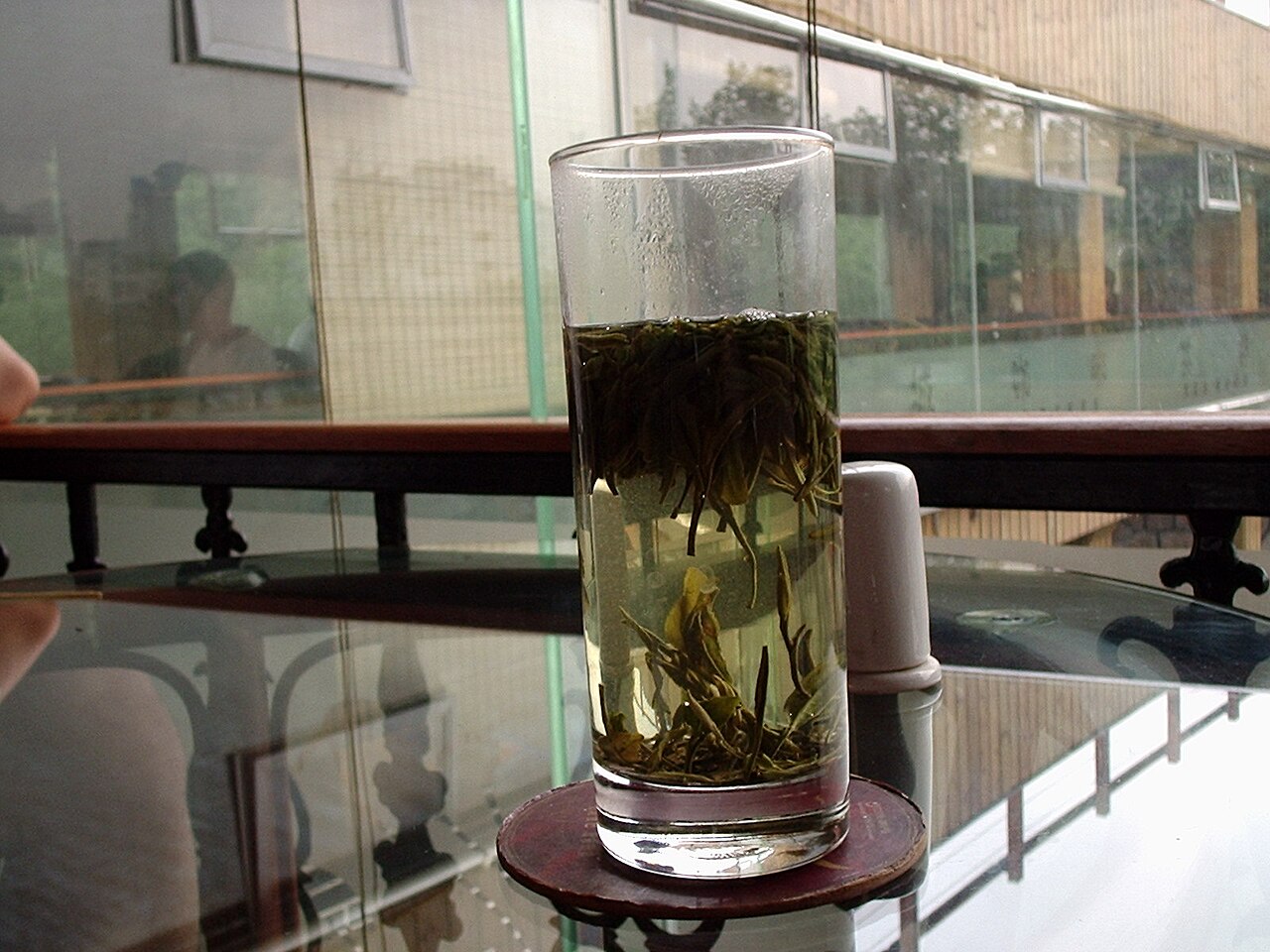
1. Why this topic matters right now: because 2026 spring tea debate is really about the value of “earliness”
Put together the Chinese internet signals from March 2026 and a pattern becomes clear. One side of the discussion is market polarization: top areas still trade on scarcity, first pick, handcraft, and named mountain plots, while the other side is full of arguments over premature pre-sales, false first-pick claims, and livestream exaggeration. Search results repeatedly point toward rising pre-Qingming prices, suspiciously early listings, and platform cleanups around misleading spring tea sales. This means the real issue is not simply that spring tea is on the market. The issue is why “earlier” remains such a powerful value category.
That is what turns a seasonal product story into a historical and cultural one. Chinese internet spring tea talk often gets flattened into a running consumer bulletin: who opened picking first, who sold first, who claimed the earliest batch, who got accused of cheating. But that only reveals how loaded “early” already is in Chinese tea culture. It works like a qualification badge. Early implies newness; newness implies freshness; freshness implies that one has secured the year's first real share of spring itself.
This also makes the topic clearly different from this site's existing essays on tea whisk revival, tea baixi, stove-boiled tea, and tea intangible heritage revival. Those pieces focus more on tools, practices, spaces, or revival narratives. This one is about time as a value system inside tea culture itself.
2. Why terms like pre-Qingming, pre-Grain Rain, and first-pick are so powerful: because they turn natural time into social value
If these names were only marketing labels, they would not have lasted so well. Their real force comes from a classic cultural move: they translate natural time into social language. Tea bushes do not call themselves pre-Qingming or pre-Grain Rain. People do. And once people name those windows, timing becomes classifiable, discussable, tradable, and comparable.
Pre-Qingming tea is tea picked and processed before Qingming. Pre-Grain Rain tea refers more broadly to tea made before Grain Rain. The gap looks small on a calendar, but culturally it has been made to carry different meanings. Pre-Qingming tea is imagined as finer, smaller, earlier, and more fragile. Pre-Grain Rain tea is often framed as fuller, more stable, and more reasonable in value. In other words, these are not only picking dates. They have become two different ways of valuing tea: one built around rarity and extreme earliness, the other around balance and broader drinkability.
“First-pick tea” is even more dramatic today. Unlike Qingming or Grain Rain, it is not anchored to a shared public solar term in the same stable way. It is a competitive naming practice built around being first. Who picked first? Who can prove it? Who is only performing urgency? The concept therefore shows both continuity and intensification: an old desire to seize the year's first spring tea, now amplified by platform competition and attention economics.
3. This obsession is not new: “trying fresh tea with new fire” shows that older tea culture also gave the first spring sip special status
No serious discussion of spring tea timing can avoid Su Shi's famous phrase: “try fresh tea with new fire.” Its staying power comes from the fact that it captures a deeply legible older seasonal experience. After the Cold Food period and the renewal of fire, spring tea newly arrived. Tea became a medium through which people felt seasonal transition itself.
Today many readers meet the Cold Food and fire-renewal tradition only as literary background. In older life, however, it was a real temporal order. Old fire was extinguished, new fire was taken, and the shift marked more than a kitchen habit. It signaled a seasonal turning point. To pair new fire with fresh tea was to say: time has changed, and one confirms that change with the year's first new things.
This matters because it shows that spring tea's importance was never only a question of tenderness or flavor quality. Spring tea was important because it stood at a symbolically charged threshold. Winter was truly ending. A new annual order was beginning. Tea was unusually well suited to carry that experience: light, early, fresh, easy to enter daily life, yet also rich enough to be written about and remembered.
Seen this way, today's spring tea obsession is not as modern or as absurd as it may first appear. People no longer experience the shift through old ritual fire, but they still use the first delivery box, the first pre-Qingming purchase, or the first posted cup of spring tea to confirm that the season has turned.
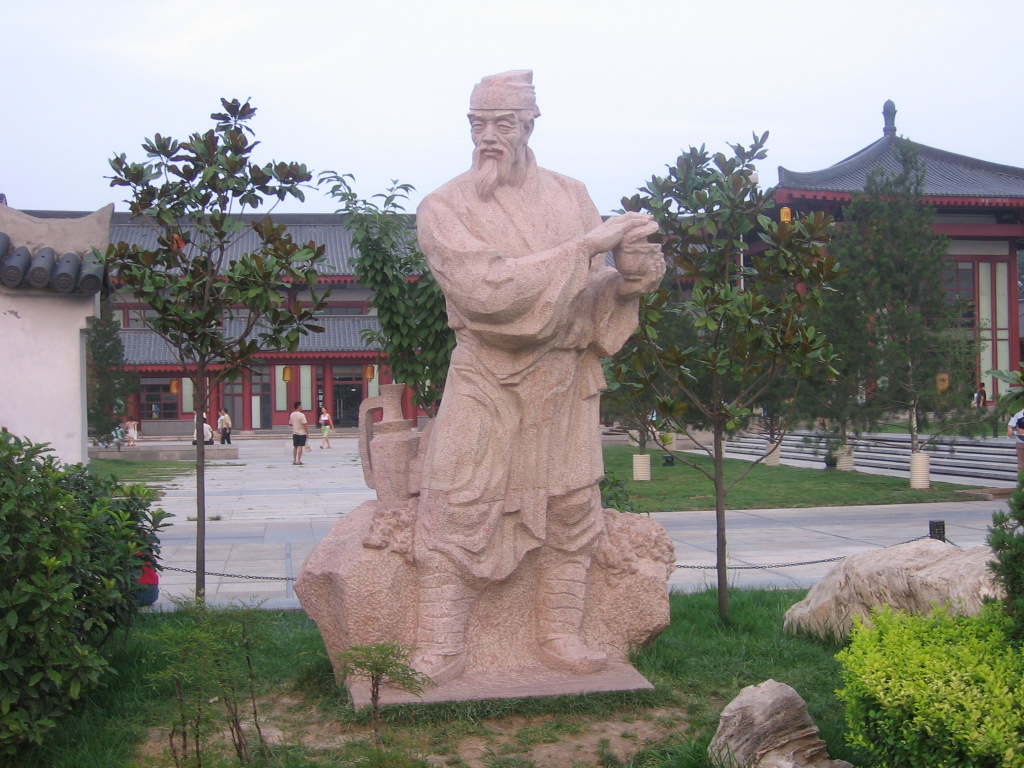
4. Why early spring shoots are so easy to idealize: because they combine scarcity, freshness, and order
People often ask whether pre-Qingming tea is always the best. That question is already modern in its logic, because it assumes tea should be judged mainly through detached flavor ranking. Historically, however, spring tea was prized not only because it would always win a blind tasting, but because it sat at the intersection of several different value systems at once.
First, it is scarce. The first growth is limited, weather remains unstable, and picking windows are narrow. Second, it is easy to associate with freshness. For many green teas, early shoots do in fact lend themselves to styles described as light, lifted, delicate, and vivid. Third, and most importantly, spring tea carries order. It marks the reopening of tea mountains, labor movement, and annual expectation. It is one of the few consumable things that can still act like a seasonal starting gun.
In other words, what people are buying is not just a few grams of tea. They are buying temporal priority. They are buying the feeling of having touched the first visible edge of the year. This is one reason spring tea can so easily move beyond specialist tea circles. Almost anyone can understand the attraction of “the first true taste of spring,” even without deep tea training.
5. Why first-pick tea causes so much controversy now: because it pushes an old desire for firstness into platform competition
If pre-Qingming and pre-Grain Rain still retain relatively stable seasonal boundaries, first-pick tea is more aggressively contemporary. It takes an older desire for early spring and subjects it to platform speed. The concept sells because it intensifies timing into a race. The earlier the claim, the stronger the scarcity signal. The stronger the scarcity signal, the better the story performs.
That is also why the term is so unstable. Once first-pick becomes a competitive promotional category, it gets pushed forward. Claims arrive earlier and earlier. The 2026 spring tea controversies over suspiciously early livestream sales and doubtful first-pick claims show exactly this: the market has turned “first” into a status that must constantly be narrated and defended.
This does not make the category meaningless. Real tea mountains do open at different times. Real differences in elevation, climate, and local growth rhythm do matter. But once those real differences are pulled into short-video commerce, they become narrative capital as much as agricultural information. Consumers are buying both tea and a participatory claim on the front edge of spring.
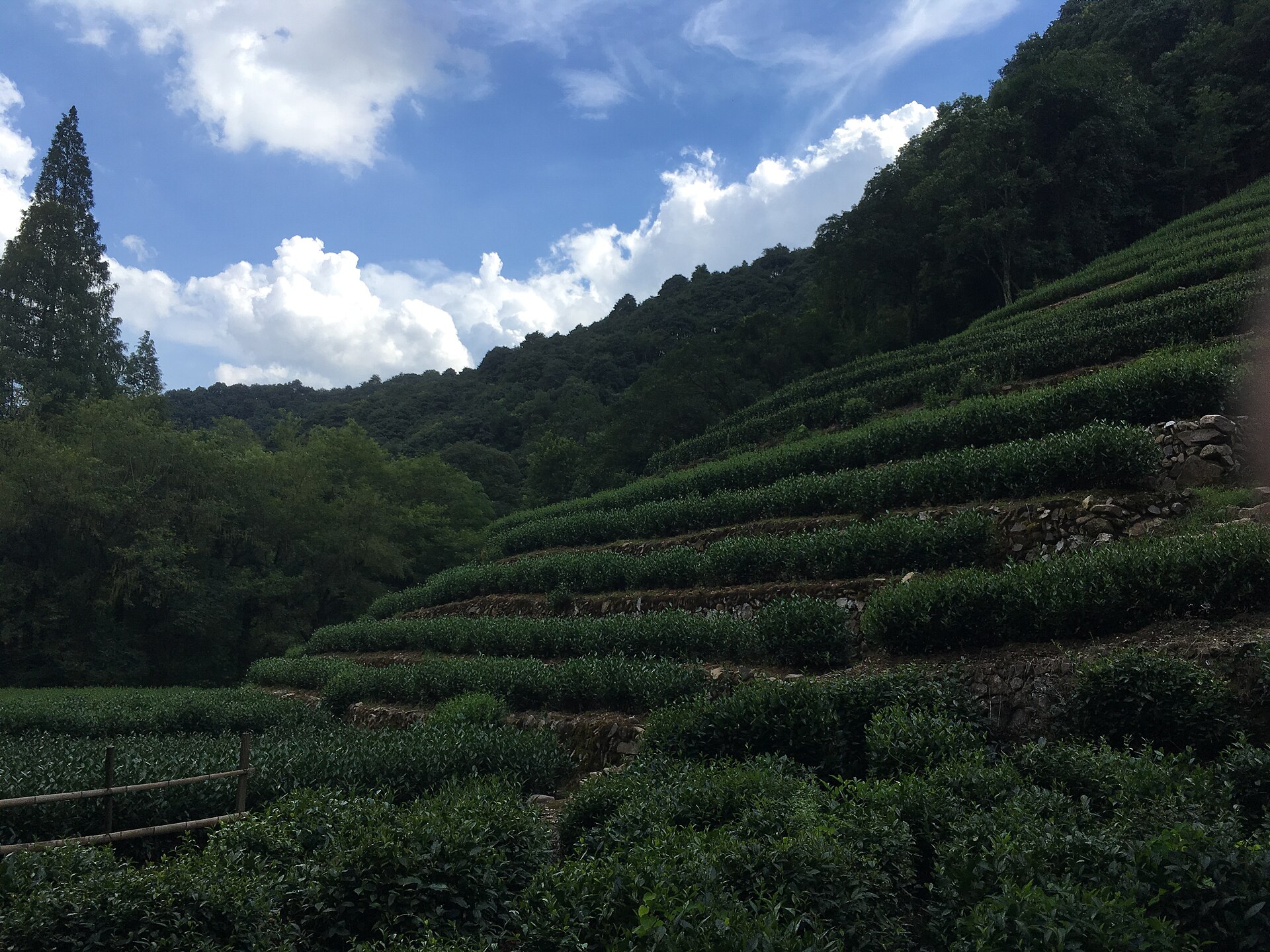
6. Is pre-Qingming tea always the best answer? Not necessarily, but it is one of Chinese tea culture's most successful time myths
At this point the pre-Qingming myth needs cooling down. Pre-Qingming tea is genuinely important, and often genuinely excellent, but it is not universally superior in every case. Different cultivars, climates, and processing aims do not all reward extreme earliness in the same way. Some teas shine in the earliest window. Others become more complete a little later.
This is where older practical experience remains useful. Chinese tea culture did not only praise the earliest leaf for being earliest. Many local traditions also balanced early freshness against body, stability, and fuller expression. The continuing appeal of pre-Grain Rain tea today reflects that other side of tea judgment: not every good thing has to be compressed into the smallest and earliest possible picking window.
What pre-Qingming tea ultimately leaves behind, then, is not only a class of products. It leaves a cultural model. It teaches people to read tea through seasonal timing, to hear hierarchy in names, and to treat the calendar itself as part of tea evaluation.
7. Why spring tea still resonates so strongly now: because modern life is faster, and people want even more to seize a first sip
Older drinkers used new fire and fresh tea to feel the shift of the seasons in an agricultural world. Today's urban drinkers return to pre-Qingming and first-pick tea in a world that often feels cut off from natural seasonal rhythm. That distance is precisely why spring tea has become so emotionally powerful. In many urban lives, the arrival of spring is no longer felt through fields, hills, or collective labor. It arrives through logistics, price, platform feeds, and launch language. Tea remains one of the few things able to make the season feel concretely real again.
That is why people still wait, even knowing the language may be overused. What they are waiting for is not always a rational best buy. They are waiting for a way to reattach themselves to time. Modern life flattens days, seasons, and routines. Spring tea offers a named beginning. It says: this belongs to now, and only to now.
So spring tea obsession is not anti-modern. It is one of the most modern things about tea. It is a compensation for lost seasonal texture. A small packet of leaves lets people hang themselves, however briefly, back onto natural time.
8. Two lazy claims worth avoiding
The first lazy claim is: pre-Qingming tea is simply the best, and earlier is always more refined. That is too flat. It erases differences in tea type, region, and drinker priorities. The second lazy claim is: pre-Qingming and first-pick tea are all just marketing. That is also too crude. It ignores real picking windows, real agricultural variation, and a long cultural history of attaching value to seasonal firstness.
A better position is harder but truer: these names are both practical and symbolic. They reflect actual production differences, but they are also tools for turning time into shareable cultural value.
9. Why people still care so much about these names: because they are buying not only tea, but a life moment named by the calendar
In the end, pre-Qingming tea, pre-Grain Rain tea, and first-pick tea still matter because they preserve a rare structure of feeling: the idea that some moments in the year deserve to be waited for, separated out, and named carefully. They make tea more than flavor. They make it a way of marking where the year begins again.
That is why the spring tea obsession will not disappear easily. As long as people still want some concrete thing to tell them that a new season has truly arrived, these categories will remain alive. They do not always deserve worship. But they do show one of the most persistent truths in Chinese tea culture: time is not just background. It can be tasted.
Continue reading: Why Loose-Leaf Tea Rewrote Chinese Tea Drinking in the Ming, Why Stove-Boiled Tea Keeps Pulling Young Drinkers Back, What Young People Are Really Reviving After Tea's UNESCO Recognition, plus tea entries on Xinyang Maojian and Longjing.
Source references: Baidu search: pre-Qingming tea 2026 discussion, Baidu search: first-pick tea 2026 tea culture, Baidu search: drinking spring tea 2026 discussion, Baidu search: Cold Food fire ban tea, Su Shi, “Trying fresh tea with new fire”.