English Edition
Chinese tea is more than tea leaves
This site follows Chinese tea through leaves, teaware, history, modern tea drinks, and the changing ways tea still lives in everyday life.
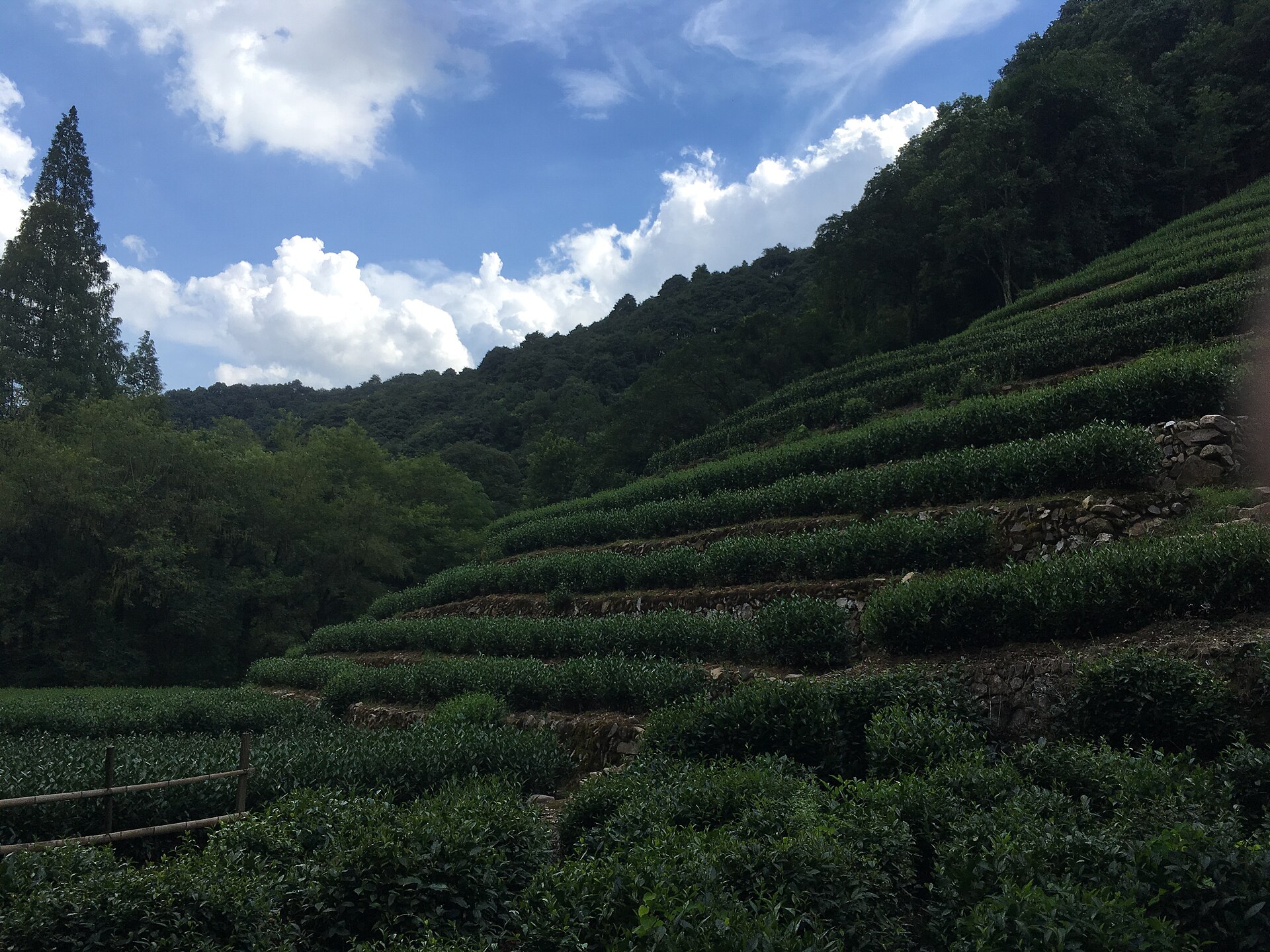
Latest stories
The four most recent articles across all sections.
Editors’ picks
Why Zhengshan Xiaozhong Should Not Be Reduced to ‘Smoked Black Tea’: from Tongmuguan origin and pinewood firing to longan-like liquor, a clearer reading of early Chinese black tea — China Tea Library
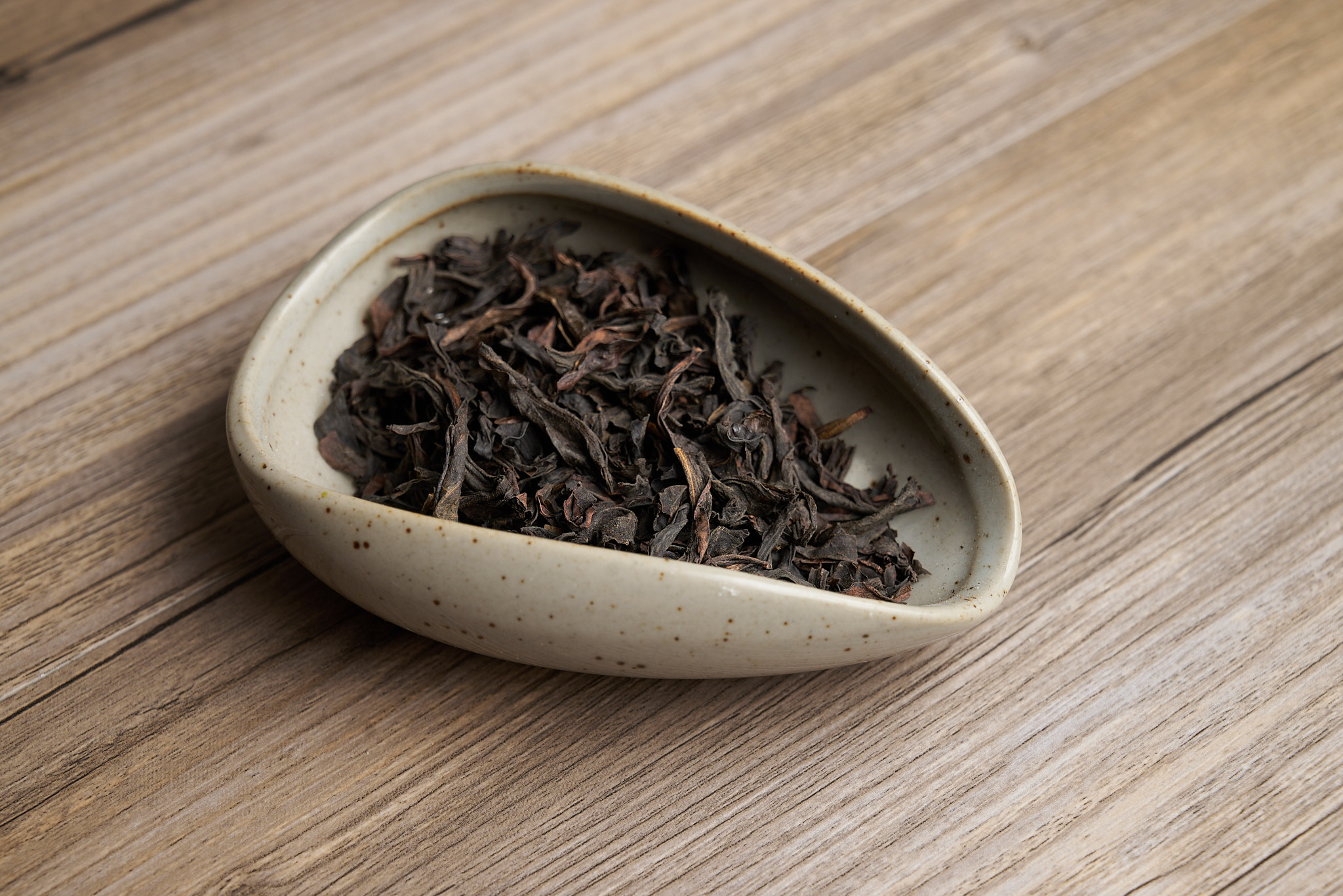
A structured guide to Zhengshan Xiaozhong covering Tongmuguan and Wuyi highland ecology, its place in early Chinese black tea history, traditional pinewood firing alongside modern light-smoked and unsmoked styles, how pine smoke and longan-like liquor work together, and how it differs from Keemun and Dianhong in brewing and buying.
Why Keemun Is More Than ‘Keemun Aroma’: late Qing export history, Huizhou mountain leaf, congou black tea craft, and the floral-fruit-wood structure in one clear red cup — China Tea Library
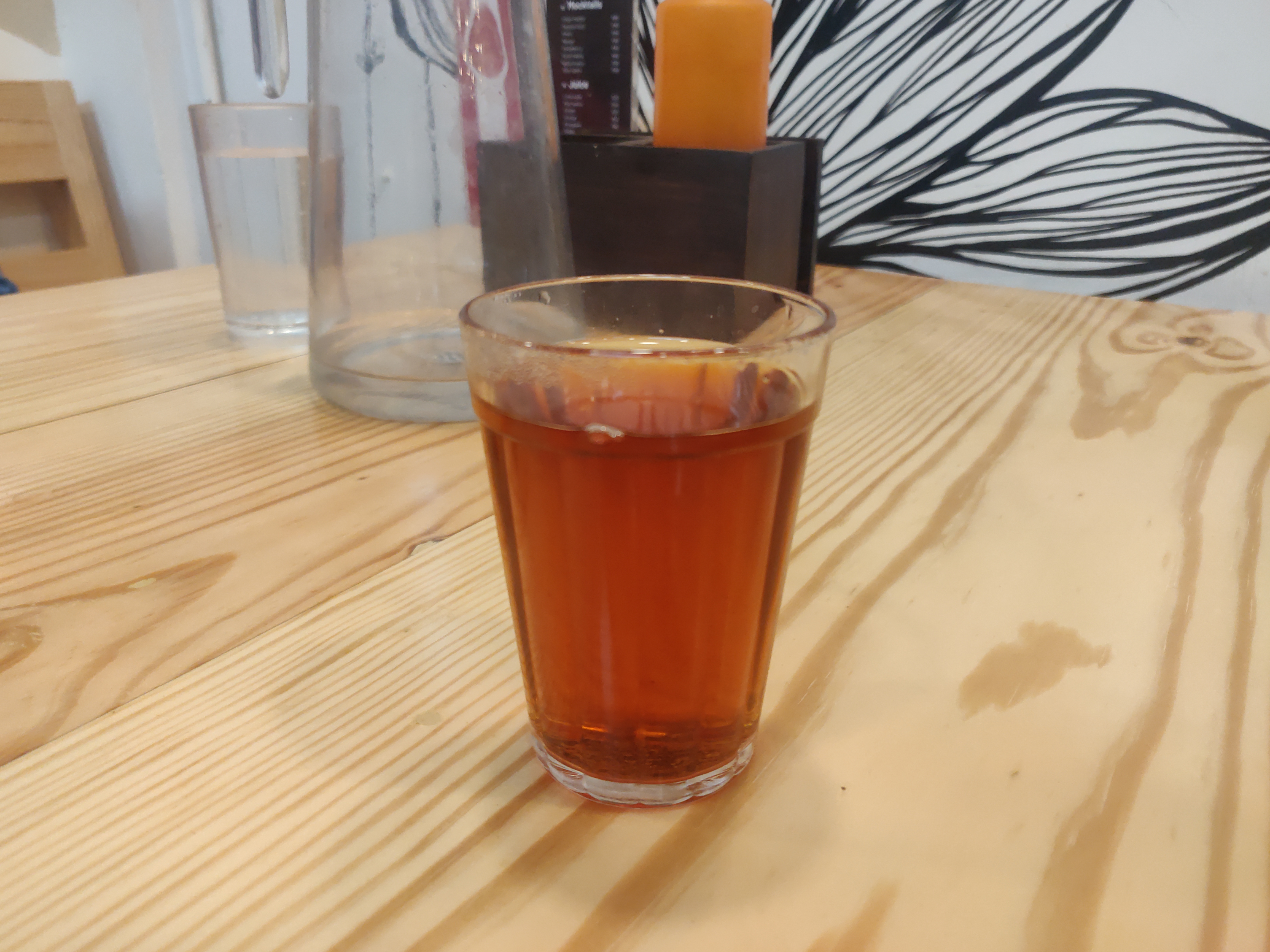
A detailed feature on Keemun (Qimen black tea) covering Qimen and surrounding origins, late Qing export history, congou black tea craft, the layered meaning of Keemun aroma, clear-drinking versus blending contexts, common style terms, and buying mistakes.
How Is Chinese Tea Classified? A Beginner’s Guide to Green, White, Yellow, Oolong, Black, and Dark Tea — China Tea Library
A simple, structured introduction to the main Chinese tea types, their processing logic, flavor, brewing, regional styles, and beginner-friendly differences.
Why fruit-and-veg tea, kale drinks, fiber, and ‘light-body bottles’ so easily read as healthier
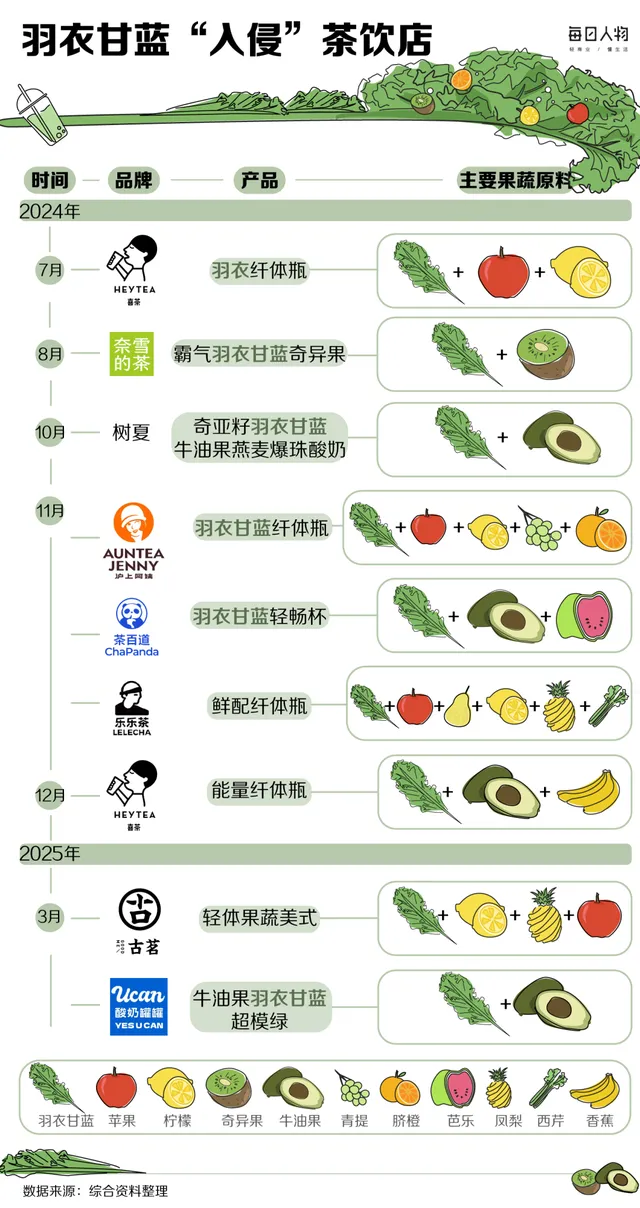
A research-led reading of fruit-and-veg tea, kale drinks, fiber, satiety, and the meal-replacement halo surrounding modern tea drinks.
Protein, lactose, and the health halo around light milk tea: why real milk does not automatically mean lower burden | China Tea

A research-led guide to the Chinese internet debate around light milk tea, fresh-milk tea, protein, lactose intolerance, and satiety, explaining what studies can support, what they cannot, and how readers should judge modern tea drinks more carefully.
Why China Still Cares So Much About Pre-Qingming and First-Pick Tea: From New Fire and Fresh Tea to the Spring Tea Obsession
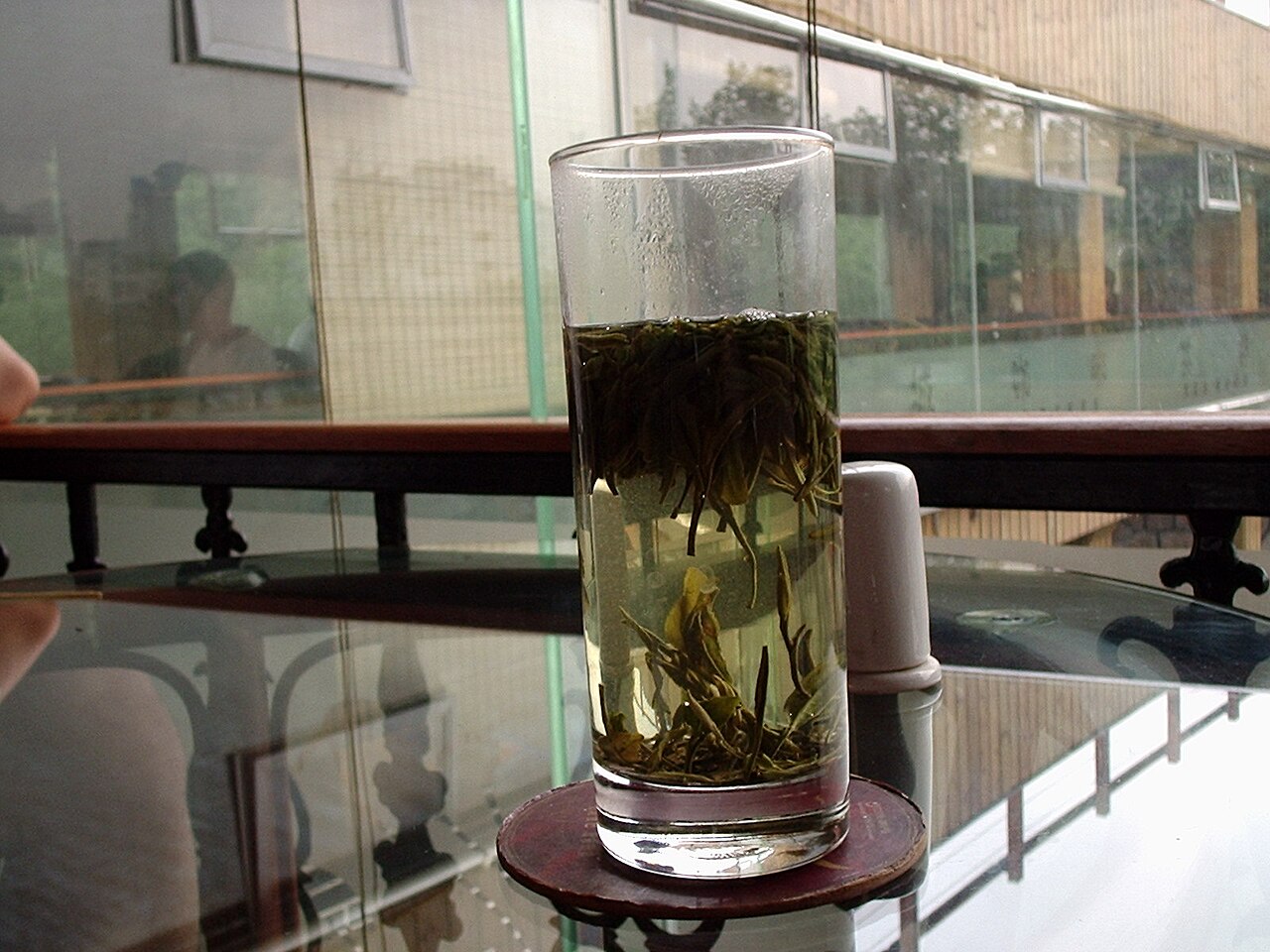
From the older ritual language of 'trying fresh tea with new fire' to today's pre-Qingming and first-pick tea frenzy, this long-form feature explains a persistent Chinese tea idea: people are not only buying leaves, but also buying springtime, scarcity, sequence, and the feeling of getting the year's first real sip.
Tea leaves
Longjing, pu-erh, oolong, dancong, jasmine tea, and other core entry points into Chinese tea knowledge.
SectionTeaware
Gaiwan, gongdao cup, jianzhan, Jingdezhen, and the object logic behind Chinese tea tables.
SectionHistory
Matcha, whisking, tea aesthetics, and historical forms that keep returning in contemporary tea culture.
SectionModern tea drinks
Brands, formulas, store logic, and the fast-moving urban side of Chinese tea right now.
SectionResearch guides
Evidence-led reading on tea, tea drinks, health claims, and the science that shapes public discussion.