Section
Tea Science
This section follows tea, tea drinks, and health-related research with an emphasis on evidence, mechanisms, and real-world context.
Latest / featured reading
Does tea affect creatine? Instead of obsessing over whether they can be taken together, it usually makes more sense to look first at total dose, hydration, caffeine load, gut tolerance, and training goals
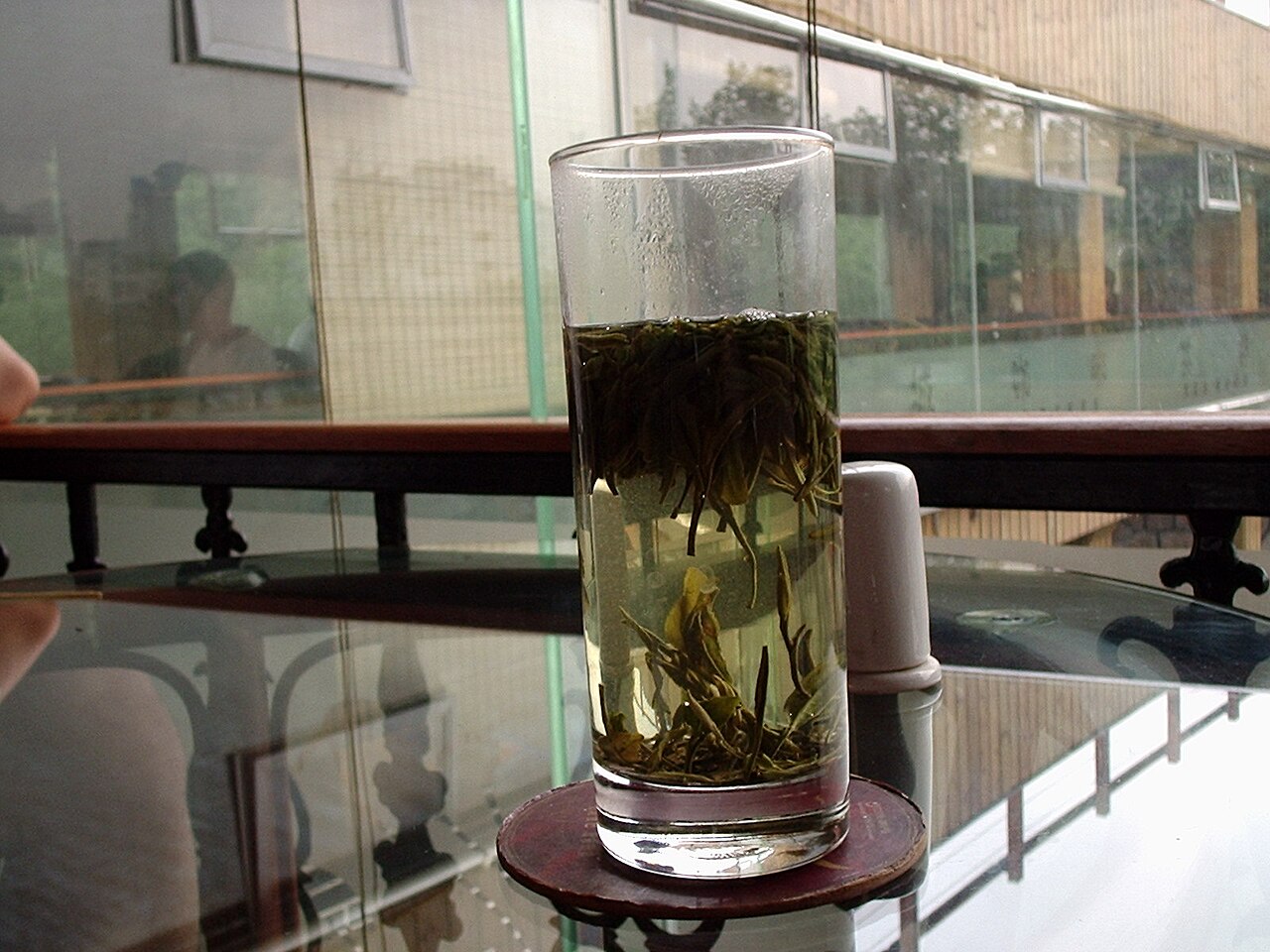
A science article that puts tea, creatine, hydration, total caffeine, gut tolerance, and training goals back into one frame: for most people, the real issue is usually not that tea and creatine can never appear together, but whether creatine is being taken consistently, water intake is adequate, and high caffeine plus stomach reactions are being confused with one single 'interaction.'
Does tea raise cholesterol? Tea itself usually isn’t the source — milk, creamer, and the drink’s full structure matter more

Plain tea usually is not a cholesterol source. The more useful questions are whether the drink contains milk, creamer, or toppings high in saturated fat, and whether a commercial tea drink is being mistaken for tea itself.
Protein, lactose, and the health halo around light milk tea: why real milk does not automatically mean lower burden | China Tea

A research-led guide to the Chinese internet debate around light milk tea, fresh-milk tea, protein, lactose intolerance, and satiety, explaining what studies can support, what they cannot, and how readers should judge modern tea drinks more carefully.
Why fruit-and-veg tea, kale drinks, fiber, and ‘light-body bottles’ so easily read as healthier
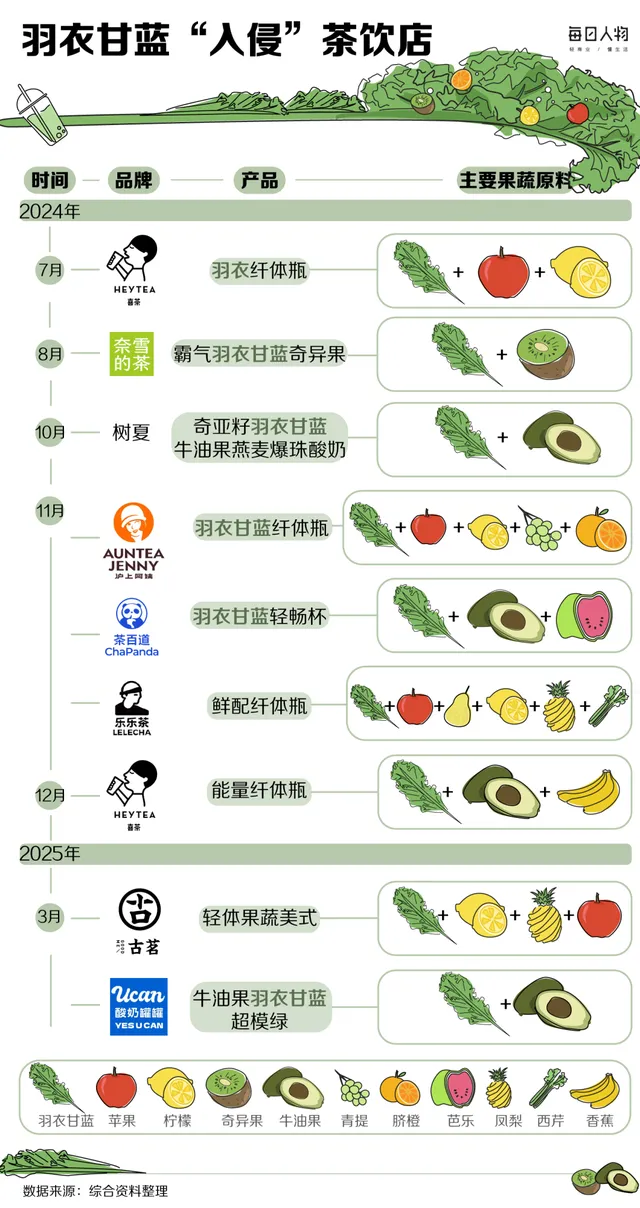
A research-led reading of fruit-and-veg tea, kale drinks, fiber, satiety, and the meal-replacement halo surrounding modern tea drinks.
All articles
Browse the full section in reverse chronological order.