Research overview
Can tea count for hydration after exercise? Re-reading the boundary between everyday fluid intake and real post-sweat recovery
If this literature is compressed into one honest sentence, it looks like this: ordinary tea does not automatically lose its hydrating value just because it contains caffeine; but in situations involving clear sweating, sustained activity, or heat exposure, “this tea still counts as fluid” is not the same thing as “this tea fully covers recovery needs.” The real boundary is not a crude yes-or-no question about whether tea can hydrate at all. It is whether you are dealing with ordinary fluid intake, mild thirst, or a situation that already has an actual recovery task attached to it.
Chinese internet arguments around this topic usually set two lazy slogans against each other. One side says: “Don’t drink tea after exercise. Tea contains caffeine, so it will dehydrate you more.” The other side pushes back with an equally blunt shortcut: “Tea is liquid too, so of course it hydrates. No difference.” Both statements touch a piece of reality, but both flatten the boundary that actually matters. Research is not really asking only whether a drink contains water. It is asking in what situation the drink is being used, what it replaces, how fast it is consumed, whether meaningful sweating has occurred, and whether the body is dealing with ordinary thirst or post-exercise recovery.
That is why “Can I drink tea after exercise?” is not a question that deserves a one-line universal answer. If the situation is only ordinary daily activity and a little dryness, a cup of plain tea can obviously contribute fluid. But once the setting shifts toward clear sweating, longer activity, outdoor heat, or a context where recovery actually matters, the standard changes. At that point, the real question is no longer “is tea a liquid?” but “does this tea actually match the recovery task?”
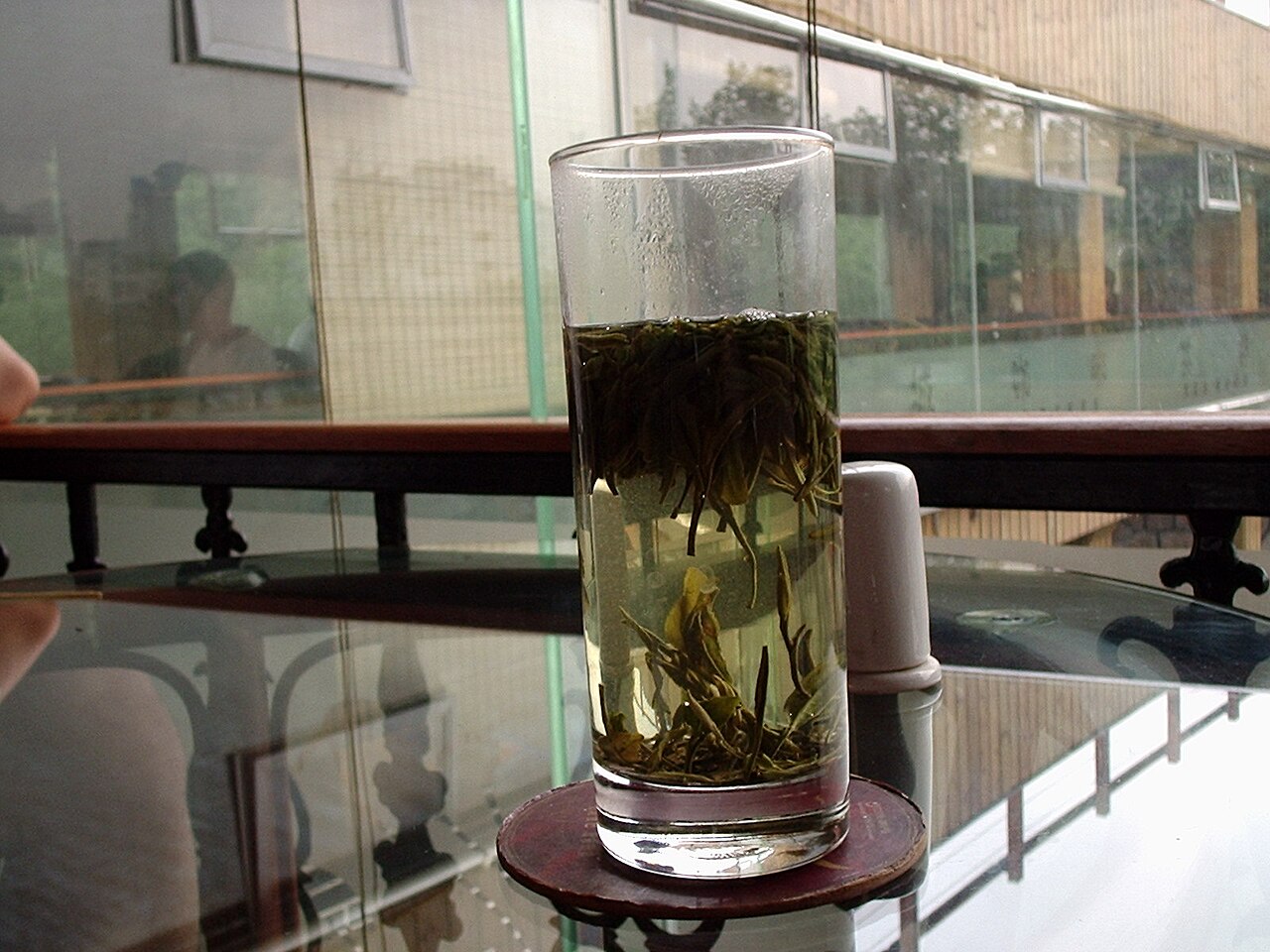
Research card
Topic: tea, caffeine, fluid balance, and the boundary between hydration and recovery after exercise Key issues: everyday fluid intake, mild thirst, post-exercise recovery after sweating, caffeine’s effect on urine output and fluid balance, and the different tasks of recovery drinks Best for: readers who keep seeing claims like “tea after exercise causes dehydration” or “tea is liquid so of course it hydrates,” and want to separate ordinary hydration from real recovery hydration Core reminder: tea can contribute fluid, but in settings where recovery really matters, “it provides some fluid” does not automatically mean “it fully does the recovery job”
1. First ask the question correctly: are you hydrating, or are you recovering?
Many arguments start with the wrong question. “Can tea hydrate after exercise?” sounds simple, but it actually mixes two different layers. The first layer is everyday hydration: you feel a little dry, you want something to drink after activity, and you need some fluid. The second layer is recovery hydration: you have clearly sweated, activity lasted a while, and perhaps heat exposure was part of the picture too. In that case the body is not just looking for something pleasant to sip. It is dealing with a more explicit recovery task. Those two situations do not share the same standard, so they should not share the same answer.
If the situation is just ordinary, short, low-intensity daily activity, the drama is usually overstated. You are still drinking a liquid, and ordinary tea does not magically cancel out its own fluid contribution just because caffeine is present. But once the context becomes clearly post-sweat recovery, the standard becomes more demanding: the question is no longer only whether you drank something, but how well that drink supports fluid retention, later recovery, overall drink structure, timing, and whether it introduces other burdens while looking deceptively “clean.”
So the mature question is not simply “can I drink tea after exercise?” It is: am I only topping up some fluid after ordinary activity, or am I dealing with a real recovery task after sweating? If that distinction is blurred, most of the later judgment becomes confused too.
2. Current evidence does not support one exaggerated claim: ordinary tea does not automatically become a “dehydrating drink” just because caffeine is present
Reviews of caffeine and fluid balance have pointed out a fairly stable pattern for years. Acute high-dose caffeine can increase urine output in the short term, especially among people who have been away from caffeine for a while. But that effect weakens substantially with habitual intake, and normal servings of tea and coffee in everyday life are not supported by evidence as drinks that simply “do not count” or produce some dramatic net dehydration. In other words, “contains caffeine” is not the same as “causes dehydration,” and it is certainly not the same as “must be avoided after exercise.”
That is why the 2011 randomized controlled trial on black tea and hydration is cited so often. Under conditions closer to real-life intake, the study compared black tea with water and found no significant differences across a range of blood and urine measures. The authors concluded that black tea, in the amounts studied, offered hydrating properties similar to water. That matters because it directly corrects a common intuitive mistake: many people hear “tea contains caffeine” and immediately assume the caffeine cancels the fluid. The research does not support that automatic cancellation model.
None of this means caffeine becomes irrelevant. It is still a variable worth managing, especially with large servings, strong tea, fast consumption, or individual sensitivity. It just means that caffeine is better understood as one factor inside the judgment, not as a switch that automatically erases tea’s hydrating value.
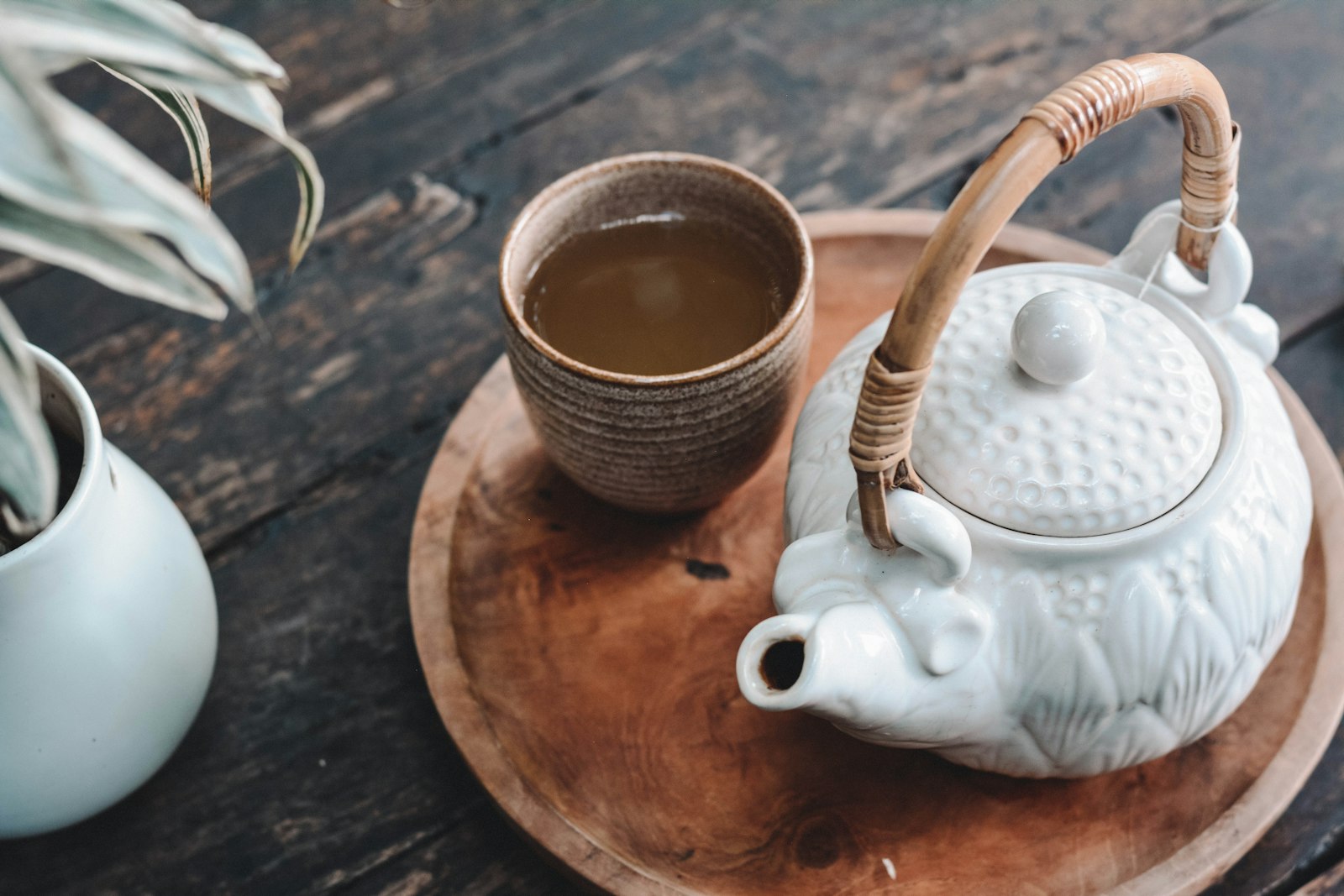
3. But that does not justify the opposite leap: tea alone is not automatically enough for recovery after exercise
This is where the real misunderstanding begins. Many readers see “tea does not automatically dehydrate you” and immediately translate it into “then tea is fully enough after exercise.” But that leap is far too large. “Does not create net dehydration” is a floor-level judgment. It means the drink is not automatically disqualified as a source of fluid. “Works well as a recovery drink” is a higher-level judgment. That is about whether the drink actually matches the recovery task once sweating and recovery needs are real.
Recovery settings involve more than just putting liquid back in. They also involve how well the drink fits the situation, how comfortably it can be consumed, whether the body needs a more deliberate recovery approach, whether the drink carries too much sugar or other baggage, and whether the apparent lightness of tea is making the recovery problem look “solved” before it really is. In other words, “this tea still counts as fluid” only tells you it is not zero. It does not tell you it is the best or sufficient answer.
This is why people who seriously discuss sports hydration and recovery rarely stop at the question of whether a beverage contains water. They care about context: is this short, light activity or prolonged high sweating? Is it ordinary office-life thirst or actual recovery after exertion? If those starting points differ, then compressing every “tea after exercise” situation into one verdict is already misleading.
4. Why should “tea after ordinary activity” and “tea after heavy sweating” not share the same answer?
Because the body is doing different jobs in those two situations. In the first, the issue is often ordinary thirst and everyday fluid replacement. You may not have lost much fluid at all; you just want something to drink and return to comfort. In the second, the issue looks more like a recovery task. There may already have been meaningful sweat loss, heat exposure, or sustained activity, and now the question is not only whether the drink feels refreshing, but whether it supports recovery well enough.
Under that difference, tea changes position. In the first kind of situation, a lighter tea with no extra sugar can be a perfectly reasonable fluid source. In the second, tea is better understood as something that may contribute some fluid but does not automatically complete the full recovery task. It does not need to be demonized as a bad drink. It just should not be romanticized as if “it is liquid too” already settles the matter.
This also explains why people can have two apparently contradictory real-life experiences at once. On one hand, they may drink tea after activity and not feel more dehydrated. On the other hand, after really sweating a lot, they may still feel that tea alone does not quite feel like serious recovery. Those experiences are not in conflict. They may simply belong to two different contexts.
5. In real life, what matters is often not “tea or not,” but the structure of the whole drink
What people actually drink is never abstract “tea.” It may be homemade plain tea, unsweetened bottled tea, a large iced tea, a sugary fruit tea, milk tea, lemon tea, or a modern tea drink marketed with electrolyte, sea-salt, or recovery language. That means the key variables quickly stop being only about the tea leaf itself. They become about the structure of the whole beverage: how much sugar it contains, how large the serving is, how strong the tea base is, whether it invites rapid consumption, how much caffeine exposure it creates, and whether it encourages readers to confuse “refreshing” with “sufficient for recovery.”
This matters because modern consumer language loves to translate “it tastes clean and feels restorative” directly into “it is a good recovery choice after exercise.” A research-based reading does not jump that quickly. It keeps asking what the drink replaced. If it replaced an older choice that was heavier, sweeter, and less suitable after activity, then it may indeed be the more reasonable option. But if it mainly borrows the image of tea and freshness to make you stop asking about sugar, caffeine, and recovery fit too early, then the meaning changes completely.
Put bluntly, whether tea is suitable after exercise is often less about whether it is allowed at all and more about whether this version of tea is genuinely helping recovery—or merely making recovery look as if it has already been handled.
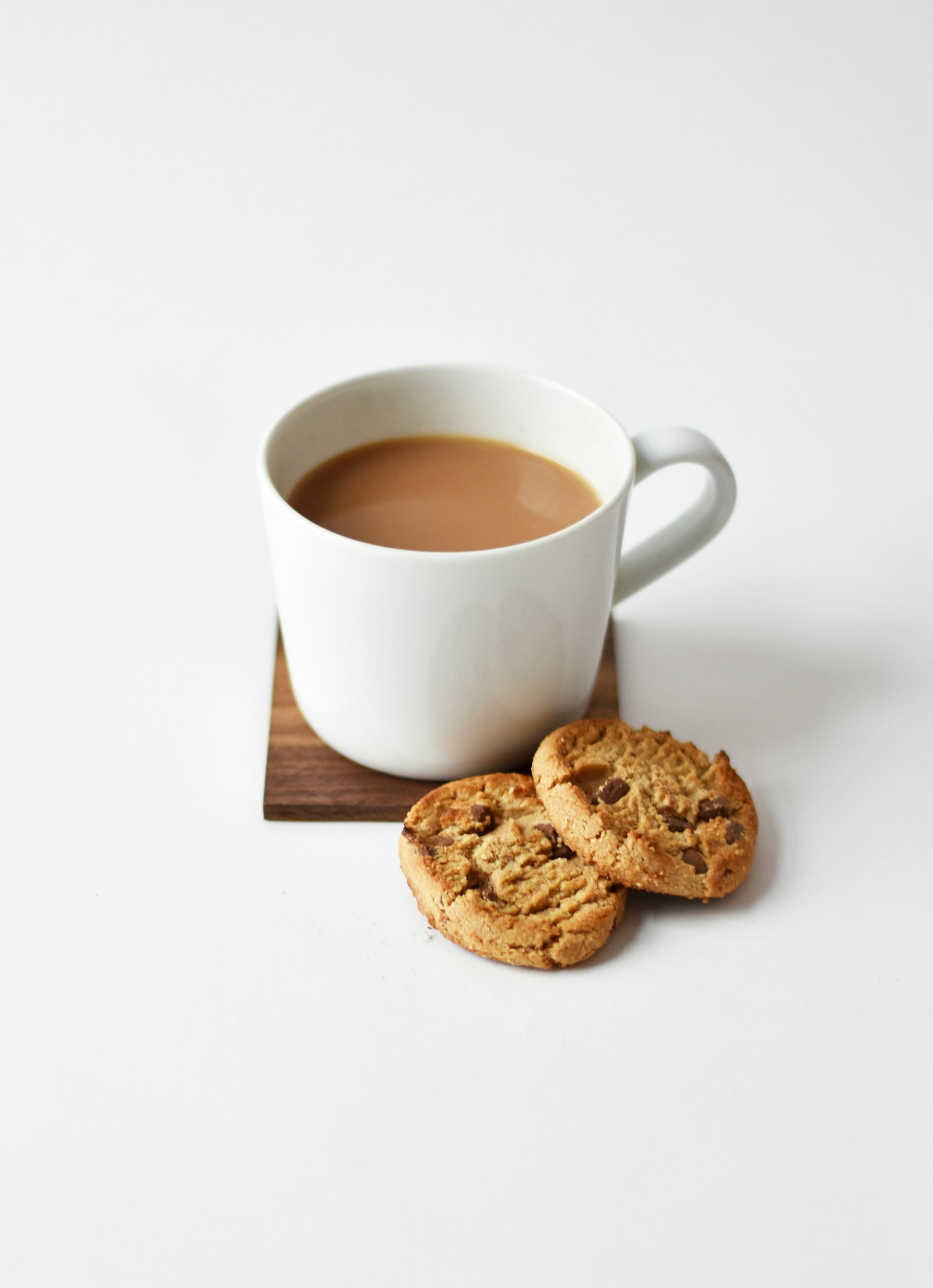
6. In real life, caffeine may matter more through timing and sensitivity than through the dramatic dehydration story
Popular discussion often stares so hard at the question of dehydration that it misses another issue that is often more practical: timing, and individual caffeine sensitivity. For many people, the real trouble with tea after exercise is not that it somehow “flushes out” all the fluid, but that a large or strong tea late in the day may disturb sleep, intensify palpitations, or keep the body on the stimulating side when it should be winding down into recovery.
That means the same cup of tea can have very different meanings for different people and at different times. A plain tea after light daytime activity may be completely fine. A large strong tea after evening training may be a poor fit for someone sensitive to caffeine. So “does it contribute some fluid?” is only the bottom-level question. “Does it fit me, at this time, in this recovery window?” is often the more practical one.
This is another point where research findings have to be translated carefully into life. A group-level result such as “tea does not usually produce net dehydration” cannot solve the individual-level question of whether a particular cup makes sense for your evening, your sleep, or your sensitivity.
7. The useful takeaway is not to memorize a slogan, but to ask these five questions first
First, am I only a little thirsty after ordinary activity, or am I dealing with real recovery after clear sweating? That decides whether this is an everyday hydration judgment or a recovery-hydration judgment.
Second, how light is the drink structure really? Plain tea and unsweetened bottled tea obviously should not share the same conclusion as large sugary fruit teas or milk teas.
Third, what is it replacing? If it replaces something heavier, sweeter, and less suitable after activity, it may be a more reasonable step. If it mainly makes you feel that “tea means the problem is handled,” that is a different story.
Fourth, how sensitive am I to caffeine, and how late is this drink? For many people, this is more practical than the dramatic dehydration question.
Fifth, am I mainly looking to feel a bit better, or to meet a more complete recovery goal? Those are not the same objective, so they should not rely on the same beverage logic.
8. Conclusion: the evidence does not support “tea dehydrates you after exercise,” but it also does not support “tea alone is a full recovery formula”
Compressed into one more careful sentence, the evidence looks like this: ordinary tea does not automatically lose its hydrating value simply because it contains caffeine; in ordinary activity, mild thirst, or general fluid-intake settings, tea can absolutely count as one fluid source. But once the situation involves clear sweating, prolonged activity, or heat exposure, the standard is no longer just whether the drink “still counts as fluid.” At that point you also have to look at drink structure, recovery demands, timing, and individual sensitivity.
This is not a rejection of tea after exercise. It is a refusal of two equally lazy extremes. Research does not support saying tea will automatically dehydrate you more after exercise. But it also does not support saying that because tea is liquid, it is automatically enough as a recovery strategy. The mature conclusion is quieter: tea can be part of hydration, but whether it is enough to carry the role of a recovery drink depends on the situation—not on how loudly someone repeats that “tea is liquid too.”
Continue with “Tea drinks are worse than water” is too blunt: hydration, diuresis, caffeine, and the “more you drink, the thirstier you get” myth, Hydration feel, electrolytes, and the sea-salt narrative in tea drinks, and Why does tea make some people feel like they need the bathroom more often?.
Source references: Maughan RJ, Griffin J. Caffeine ingestion and fluid balance: a review, Ruxton CH, et al. Black tea is not significantly different from water in the maintenance of normal hydration in human subjects, and NHS: Water, drinks and hydration.