Research explainer
Does tea affect creatine? Instead of obsessing over whether they can be taken together, it usually makes more sense to look first at total dose, hydration, caffeine load, gut tolerance, and training goals
“Can I mix creatine with tea?” “Will tea cancel out creatine?” “Does caffeine in tea somehow fight against creatine?” These questions show up constantly because they combine three things that already make people uneasy on their own: sports supplements, caffeine, and everyday tea drinking. Once those three labels appear together, discussion gets flattened into one dramatic line: tea and creatine are best kept apart. But the more careful order of judgment is usually not to start by treating “taken together or not” as the main rule. It is to separate several things that are not the same at all: are you supplementing creatine consistently, is your total caffeine load already high, are you drinking enough water, are you someone who gets stomach upset easily, and are you mainly worried about strength, recovery, body composition, or just the fear that you are wasting your supplement?
The core conclusion this article wants to protect is simple: for most ordinary trainees, current cautious public information does not support turning “tea and creatine in the same routine” into a major conflict that deserves panic. The higher priorities are usually whether creatine use is consistent, whether total intake is reasonable, whether hydration is adequate, whether total caffeine burden is too high, and whether gut tolerance and training timing are arranged in a way that feels sustainable. Put differently, many people worry that “this cup of tea will ruin my creatine,” but the more common real-world problems are often that creatine use is inconsistent, caffeine is already high, or strong tea is stacked around training and then blamed for every unpleasant reaction afterward.
The first important background point is that creatine is widely used not because it depends on some mystical timing ritual, but because it is one of the more researched and more practical sports-nutrition supplements. The main real-world story is usually not “it must always be kept away from one specific drink,” but rather regularity, consistency, and sensible total intake. If that mainline issue is not already in place, then highly detailed arguments about whether tea should be separated by a fixed number of minutes can become a bit backwards.
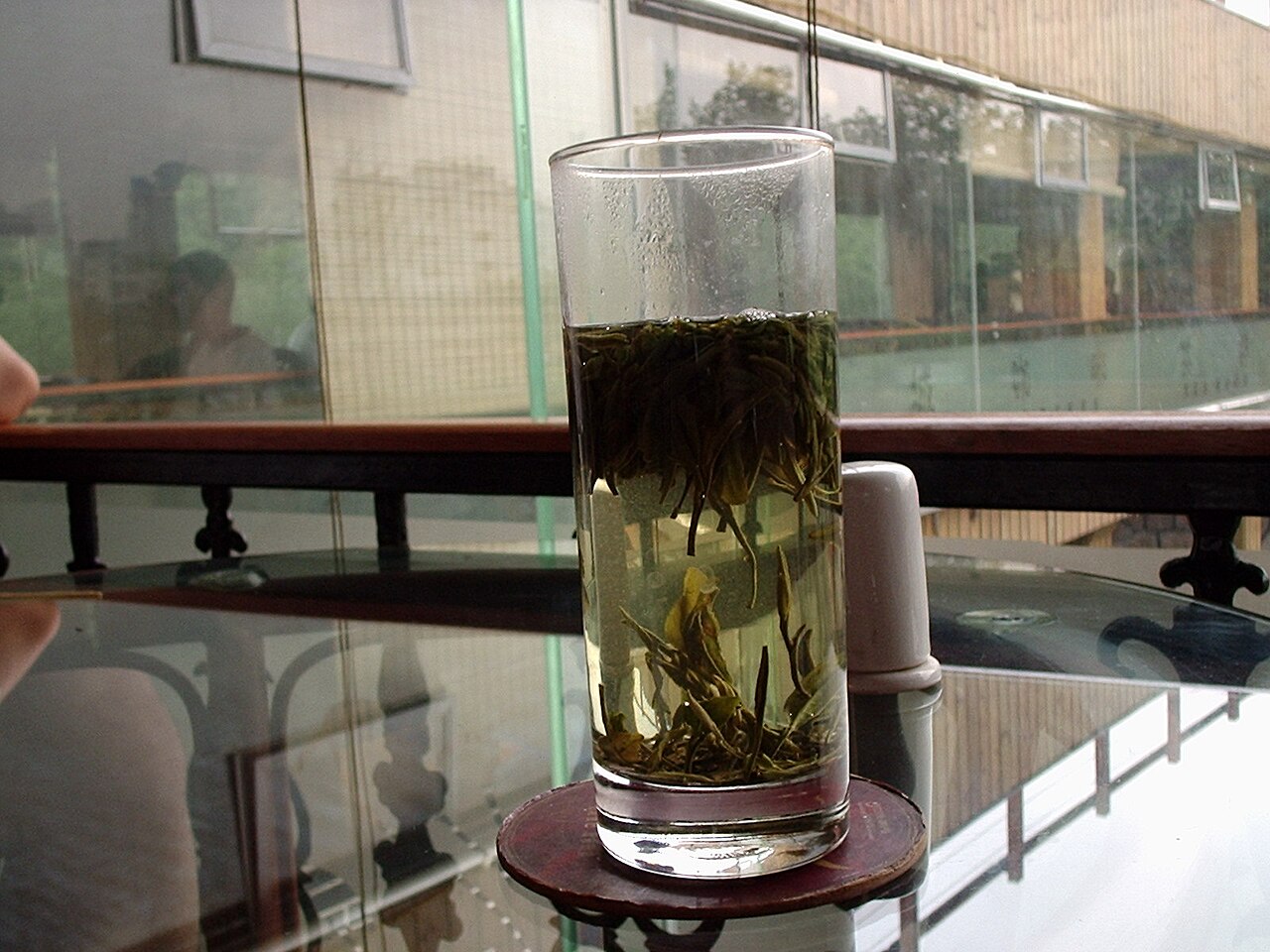
At the same time, tea is not one single variable. One person says “tea” and means a light cup of green tea. Another says “tea” and actually means a strong matcha before training, a large bottle of unsweetened tea, milk tea, or yet another high-caffeine drink on top of coffee and energy drinks. Once the setting changes, the real question is no longer just “can tea and creatine appear together,” but whether total caffeine is excessive, stomach comfort gets worse, hydration rhythm becomes messy, or sleep starts to suffer. That is exactly why reducing every scenario to “tea affects creatine” usually says more than the evidence really can.
Research snapshot
Topic: whether tea and creatine create a real-world conflict that most people need to worry about Core question: does tea meaningfully undermine creatine, or should we first focus on total dose, hydration, total caffeine, and individual tolerance? Who this is for: people who use creatine for gym training, strength work, running, or sport while also keeping a tea-drinking habit Core reminder: for most ordinary trainees, the more useful execution priority is usually not to permanently separate tea from creatine, but to get the basics right first—consistent creatine use, enough water, manageable total caffeine, comfortable digestion, and sensible training timing
1. Why does the phrase “do tea and creatine conflict?” spread so easily?
Because it perfectly fits the kind of short-form health narrative people love to pass around: one everyday drink, one sports supplement, and a possible “interaction” between them. Add words like caffeine, dehydration, wasted supplement, before and after training, and suddenly the content sounds technical, practical, and urgent. The problem is that real sports-nutrition judgment almost never works in such a one-dimensional way. You may be drinking tea for alertness, taste, habit, or as a substitute for sugary drinks. You may be using creatine for strength, power, recovery, or simply because it became part of your training routine. Once those purposes are layered together, the issue is already no longer a simple yes-or-no question about whether they can coexist.
Another reason this gets oversimplified is that many people will take very real experiences—palpitations, stomach discomfort, urgency to use the bathroom, poor sleep after strong tea before training—and interpret them as proof that tea “canceled” creatine. But in many of those cases, the more likely dominant variables are excessive total caffeine, drinking something too strong too close to training, doing it on an empty stomach, or simply arranging fluid intake badly. Once a discomfort problem gets misread as a supplement-failure problem, the discussion starts drifting away from what probably mattered most.
That is why I dislike not the question itself, but how quickly it gets asked in the wrong form. The more mature version is usually not “can tea and creatine be taken together?” but rather: how strong was the tea, how much total caffeine did you already have, how close was it to training, how was hydration that day, are you already sensitive in the gut, and was creatine use itself even consistent? Those questions are much closer to what actually changes outcomes.
2. For most people, the first priority with creatine is usually not separating it from tea, but taking it consistently over time
One of the most important realities about creatine is that it is not a supplement whose success or failure is decided by one perfectly timed serving. For many ordinary trainees, what matters much more is whether intake is regular, consistent, and sustainable over time. If someone takes it today, forgets tomorrow, stops the next day, only uses it on training days, and then pours all their anxiety into whether one cup of tea harmed absorption, they are usually focusing on the wrong thing.
This is true of many nutrition questions: people love to discuss whether one bite or one sip creates a conflict, but the results are often decided by whether the practice is happening consistently in the first place. If creatine use has not even become a stable routine, then placing tea-creatine timing at the top of the priority list often overvalues tiny details and undervalues the structural issue. Put more bluntly, instead of worrying that tea ruined creatine, it often makes more sense to first ask whether creatine was being taken seriously and consistently at all.
That is why I prefer to put “is it being used regularly?” ahead of almost every other discussion. If that step is unstable, then arguments about “best timing,” “best pairing,” or “never take them together” can become overly elaborate. For most ordinary trainees, something they can do consistently matters more than something that looks theoretically ideal but never becomes a real habit.

3. The variable tea most often adds here is not necessarily an “absorption conflict,” but total caffeine background
As soon as tea enters a sports-supplement conversation, many people instinctively move toward the idea of a chemical collision. But from a more everyday point of view, the variable tea more often introduces is caffeine load. That does not mean tea is inherently a problem. It means that if someone already has coffee, energy drinks, or pre-workout products in the day, then adds strong tea on top, and later experiences a racing heart, anxiety, shaking, poor sleep, or stomach discomfort, the first thing worth suspecting is often total caffeine and timing—not the idea that tea and creatine can never coexist.
This matters because it changes why someone might choose to separate them. Not because of some mystical incompatibility, but because the whole training experience may feel steadier that way. If you are already caffeine-sensitive, taking creatine with strong tea before training and then feeling bad does not necessarily prove that “creatine and tea should never appear together.” A more sensible conclusion is often that you do not tolerate that level of caffeinated tea at that time of day in that setting. Making the tea lighter, moving it earlier, or simply separating the two may be a comfort strategy, not evidence that you corrected a major absorption mistake.
This also explains why online experiences conflict so much. One person says there is no issue at all. Another says the supplement felt wasted. Another says they always feel bad when combining them. Those accounts may not actually contradict one another. They may simply reflect completely different caffeine backgrounds, training times, empty-stomach situations, and levels of individual sensitivity. What becomes misleading is flattening all of that into one universal slogan.
4. For many people, the real problem is not that creatine stopped working, but that stomach comfort around training got worse
This is probably the most common real-world issue that gets miswritten as an “absorption interaction.” Creatine itself can cause mild gastrointestinal discomfort in some people, especially when the serving is large, taken on an empty stomach, accompanied by too little water, or used by someone whose digestion is already sensitive. Tea, meanwhile, may add temperature, concentration, caffeine, astringency, or just awkward fluid timing. So some people naturally end up feeling more stomach discomfort, reflux, or instability—and then summarize the whole experience as “tea affects creatine.”
But the more careful question is usually: are you dealing with a long-term supplement-effect problem, or with the fact that this exact intake pattern made your stomach feel worse today? Those are not the same level of issue. The former asks whether creatine’s real effect was meaningfully undermined. The latter asks whether this way of combining things simply did not suit your body. For ordinary trainees, the latter is often much more common.
That is why the most useful practical advice is usually very plain. If “strong tea + empty stomach + pre-workout + one serving of creatine” reliably makes you feel bad, do not rush to the sweeping conclusion that tea and creatine can never coexist. First break the situation apart: make the tea weaker, stop doing it fasted, split the tea and creatine into separate moments, put creatine with an ordinary meal, or drink more water. Very often what you really need to optimize is stomach comfort, not rescue yourself from an “absorption disaster” that was never clearly shown to be happening.

5. Why is hydration more important to prioritize than whether tea and creatine appear together?
Because whenever creatine comes up, people quickly jump to the idea that hydration must be protected. That instinct is not bad. What becomes misleading is when it turns into fear: if tea is present, creatine will somehow push you toward dehydration. The more careful view is usually not that dramatic. What is actually worth managing first is whether you are drinking enough overall across the day, whether training before and after is supported with reasonable fluids, whether you sweat heavily while barely drinking, and whether you are stacking too many caffeinated drinks on top of that.
Tea is not zero fluid. Treating tea as if it automatically cancels hydration is already saying too much. A more realistic sentence is that in normal amounts, tea can still count as part of daily fluid intake; but if you mistake “I had tea” for “hydration is fully covered,” while training hard, sweating a lot, and keeping total fluids low, then the real problem is not that tea and creatine appeared together. It is that the overall hydration strategy never stood up in the first place.
This matters because many people like to shrink a systems problem into a pairing problem. The real issue may be that daily fluid intake is poor, but they hope to solve it by asking whether tea should stop being the drink used with creatine. That overestimates the pairing detail and underestimates the big variable that actually shapes training comfort and recovery.
6. So do ordinary people need to deliberately separate tea and creatine? It is usually better understood as optimization by tolerance and context, not as a hard ban
If I had to give one practical answer, it would be this: for most ordinary trainees who do not experience clear problems, there is no strong need to treat “tea and creatine must always be separated” as a fixed law. But if you are already sensitive to caffeine, easily get stomach upset, tend toward palpitations before training, or train late and worry about sleep, then separating tea and creatine—or making the tea weaker or later—is perfectly reasonable and often more comfortable.
In other words, separating them can be a good practical strategy, but the logic is usually “reduce stimulation, improve comfort, increase adherence,” not “otherwise creatine will fail.” Those two claims look similar on the surface, but their real-world meaning is very different. The first is individualized planning. The second is generalized panic.
That is why I prefer the language of optimization rather than prohibition. Many useful daily practices are not maintained through absolute rules, but through honest observation of how your body responds. You can keep your tea habit. You can also move creatine into an ordinary meal, or drink tea at a different time when extra stimulation is unnecessary. And if one combination keeps feeling bad, adjust it. The real goal is not a theoretically pure pairing but a routine you can keep for the long term while still feeling stable in training.
7. Conclusion: do not turn “can tea and creatine be taken together?” into a rule harder than the evidence; the real priorities are usually consistency, caffeine load, hydration, and gut tolerance
If this article had to be reduced to one sentence, it would be this: for most ordinary trainees, the current cautious real-world conclusion is not “tea and creatine must never appear together,” but rather “first make sure creatine use is consistent, hydration is adequate, total caffeine is not excessive, and stomach comfort and training timing are manageable; if taking them together feels bad, then separate them as an optimization.”
The two most common ways this topic gets distorted are, on one side, turning tea into the main villain that makes creatine useless, and on the other side, using the absence of a dramatic problem as an excuse to ignore everything else. The more responsible middle ground is that tea can remain part of daily life, but it should not distract attention from the variables that matter more. If caffeine is already high, water intake is low, training happens fasted, and the gut is already sensitive, then the resulting discomfort is usually more complex than the simple question of whether tea and creatine shared the same moment.
So the best first questions are usually not “can this cup of tea go with creatine?” but: am I taking creatine consistently? Am I drinking enough water? Is my total caffeine already too high today? Am I someone who simply does not tolerate strong tea well before training? Once those mainline issues are placed correctly, many supposedly frightening pairing debates naturally lose a lot of heat.
Continue with How long before sleep should tea be stopped for a steadier routine?, Tea, exercise hydration, and recovery: where is the real evidence boundary?, and Why do some people become more tense or more jittery after strong tea?.
Source references: NCCIH: Tea, MedlinePlus Herbs and Supplements archive notice / supplement navigation context, and the current broad public framework of sports-nutrition common sense. The point here is not to mythologize either tea or creatine, but to put execution priorities back where they belong: long-term consistency, total caffeine, hydration, individual tolerance, and the training context itself.