Research overview
Does tea make your breath worse? First separate bad breath, dry mouth, tongue coating, and caffeine-related dryness
“My mouth feels dry after tea—does that mean my breath is getting worse?” “Strong tea leaves a layer of taste in my mouth—does tea itself create bad breath?” These worries are common, and they are easy to oversimplify. The more research-aligned view is this: post-tea dryness, residual tea flavor, true halitosis, and persistent dry mouth are not the same thing. What most strongly drives bad breath is usually tongue coating, dental plaque, gum problems, trapped food debris, smoking, dry mouth, and reduced saliva. Tea is more likely to participate by leaving a taste behind, making all-day sipping feel drier, or amplifying discomfort in people who already tend toward oral dryness—not by automatically functioning as an independent bad-breath generator.
This topic keeps returning because it blends together two kinds of body signals that people often misread. The first is breath impression: many people assume that if their own mouth has a noticeable taste or smell after tea, others must be experiencing it as bad breath. The second is mouth dryness: once a cup of strong tea leaves the mouth feeling dry or astringent, it is easy to jump to “maybe I have less saliva now, more bacteria, and worse breath.” Those thoughts are not completely irrational, but if the mechanisms are not separated first, a temporary sensation quickly turns into an overgrown conclusion.
In public-health style guidance, common causes of bad breath are not usually framed as “you drank the wrong beverage.” NHS guidance points first to tooth and tongue cleaning, interdental cleaning, denture hygiene, smoking reduction, and dental review where needed. In other words, the first suspects are usually oral hygiene and saliva environment—not tea isolated as the sole culprit.

Research card
Topic: the real relationship between tea, bad breath, dry mouth, saliva, and oral hygiene Key issues: residual tea taste, mouth dryness, caffeine, reduced saliva, tongue coating, plaque, gum problems, chronic halitosis Best for: readers who drink strong tea, bottled unsweetened tea, or ready-made tea drinks often and worry that their breath has become worse Core reminder: many people are not really asking whether tea is “good” or “bad”—they are mixing together mouth taste, mouth dryness, true halitosis, and persistent dry mouth as if they were one problem.
1. The first thing to clarify: “my mouth still tastes like tea” is not the same as true bad breath
This is where the discussion most often gets distorted. In everyday language, “bad breath” gets used very loosely. If the mouth smells like food, smoke, garlic, coffee, alcohol, or tea, many people say, “Maybe I have bad breath.” But in a more careful sense, residual mouth flavor is not the same thing as persistent, unpleasant breath that other people would experience as halitosis. After tea, it is perfectly normal for the mouth to retain tea aroma, roast notes, astringency, or a dry aftertaste. Those sensations can make someone feel that the mouth is not especially fresh. But that does not automatically equal classic bad breath.
More common causes of true halitosis are tongue coating, dental plaque, gum inflammation or periodontal disease, food trapped in teeth, dry mouth that weakens the mouth’s self-cleaning ability, and smoking. That is why NHS guidance starts with brushing, tongue cleaning, and cleaning between teeth. These factors often matter more than tea by itself.
So if someone simply drinks a cup of oolong or black tea and notices a tea-like mouth impression afterward, that is more like flavor persistence. But if they are often told that their breath is strong even when they have not had tea, if mornings are noticeably worse, if the tongue looks heavily coated, or if the gums bleed easily, then tea should stop being the whole story. The frame should shift to hygiene, gum health, and saliva background.

2. Why does tea make some people feel drier—and why is that dryness so easily misread as a breath problem?
Because dry mouth naturally amplifies anxiety about breath. NIDCR’s dry-mouth guidance repeatedly stresses that saliva matters enormously: it moistens the mouth, helps with swallowing, washes away food particles, and helps control harmful germs. That is exactly why persistent dry mouth can increase the risk of bad breath, tooth decay, and oral discomfort. The problem is that many people take the temporary dry or astringent feeling after tea and immediately translate it into “I must now be in a dry-mouth state.” That leap is too large.
Tea—especially strong tea and caffeinated tea—can indeed make some people more aware of mouth dryness or a drying sensation. Part of that comes from the astringent sensory profile of tea. Part of it comes from personal background: if someone already drinks too little water, speaks all day for work, breathes through the mouth, or is already prone to dryness, tea may make the sensation more noticeable. But that still does not automatically mean there is a chronic saliva problem, and it certainly does not mean tea itself must be creating bad breath.
What deserves more caution is persistent dryness: a sticky mouth even outside tea drinking, trouble swallowing, waking up dry at night, cracked lips, speech that feels sticky, recurrent mouth infections, or bad breath that continues across the day. In that situation, the better framework is NIDCR’s—medication side effects, disease background, mouth breathing, or other causes of low saliva—rather than blaming tea alone.
3. In this story, tea is often more of an amplifier than a root cause
This is probably the most useful takeaway. For many people, tea does not create the whole problem from nothing. It makes an already imperfect oral background more noticeable. Someone with mild dryness feels it more after strong tea. Someone who never cleans the tongue properly notices residual tea taste for longer and becomes more convinced that their breath is worsening. Someone who relies on bottled unsweetened tea all day keeps a constant flavor exposure in the mouth and rarely interrupts it with water or cleaning.
In those situations, the real driver is often not “tea is bad,” but high frequency + long retention + a mouth environment that was not especially fresh to begin with. This is the same logic seen in many tea-health discussions: the result is shaped less by “can it be consumed?” and more by “how, how often, and in what broader personal context?”
That is why one-line answers fail. “Tea causes bad breath” is too blunt. “Tea could never affect breath” is also too quick. A more accurate sentence is this: tea can make some people feel drier or more aware of residual mouth taste, and if oral hygiene or saliva conditions are already suboptimal, that background may make bad-breath problems feel more obvious; but that is not the same as tea automatically acting as an independent cause of halitosis.
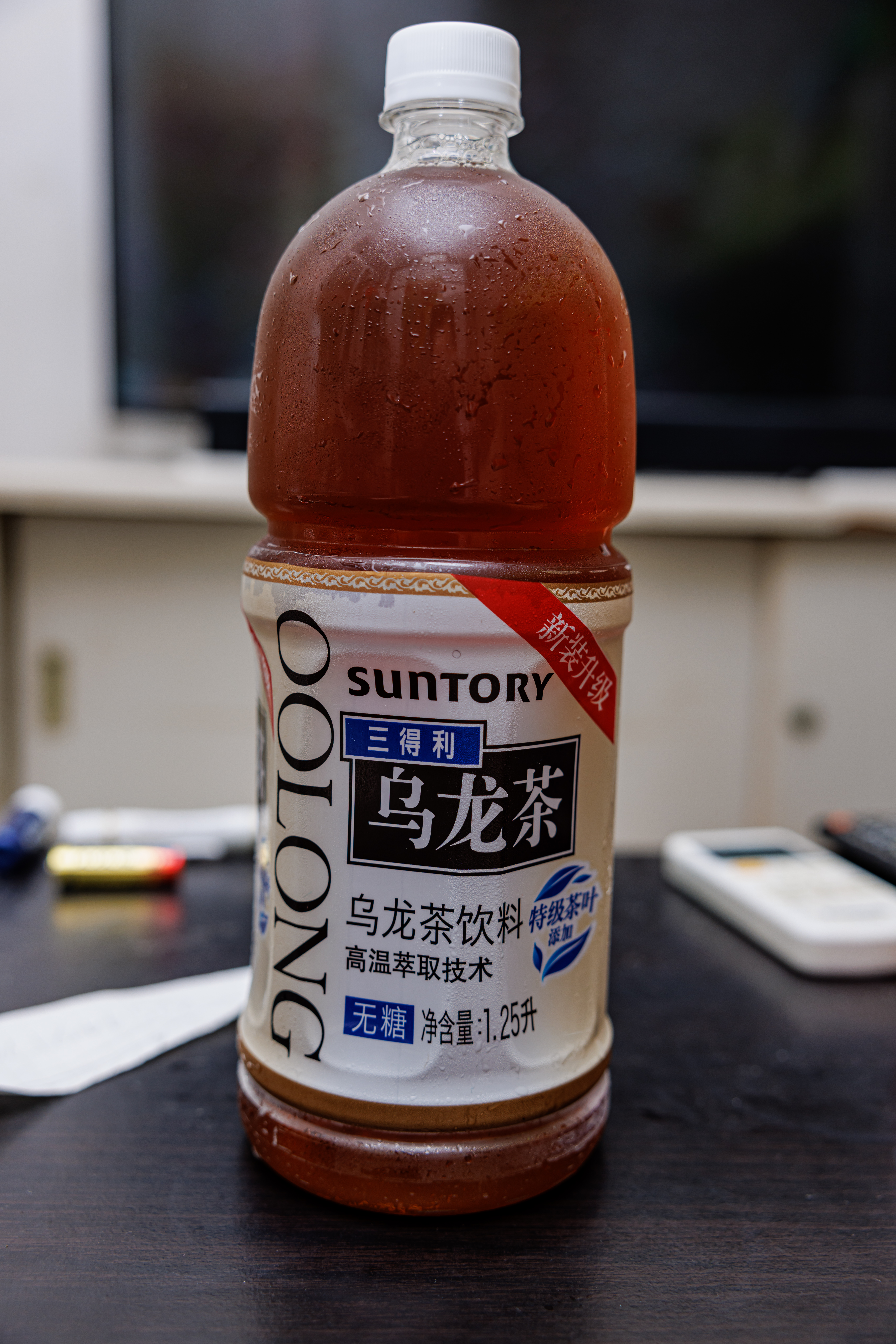
This is also why modern tea-drinking patterns matter more than a traditional short tea session. Large bottles of unsweetened tea, convenience-store tea, and delivery tea drinks make it much easier to fall into all-day, repeated, small-sip use. Compared with finishing a drink in one sitting, slow repeated sipping stretches oral exposure much longer: longer flavor presence, longer dryness impression, and—if the mouth is already dry or not especially clean—longer awareness of discomfort. Many people then conclude that tea is steadily making their breath worse, when the more accurate explanation is that the drinking pattern keeps the whole sensation alive for much longer.
For these readers, the real question is not “must I quit tea?” It is: has tea started replacing water, has sipping become constant, and are tongue coating, gum issues, or poor interdental cleaning being ignored while all the blame gets placed on tea? If that background is not clarified first, the conclusion will almost always drift.
4. In bad-breath problems, the tongue and spaces between teeth are often more important than tea
NHS advice on bad breath and daily oral cleaning has a stable pattern: it places tongue cleaning, interdental cleaning, and plaque control very high on the list. The reason is simple. Many stubborn breath problems do not come from one beverage. They come from oral micro-environments that build up quietly every day—tongue coating, trapped food debris, plaque at the gum line, poorly cleaned dentures, and related issues.
This is also why many people develop a misleading experience: they cut back coffee, sugary drinks, or alcohol, yet the mouth still does not feel fresh enough. Often the answer is not that they have not eliminated enough beverages. It is that the real source of odor was never touched. If the tongue is never cleaned, the spaces between teeth are rarely cleaned, or the gums stay inflamed, then tea is only adding presence to an already imperfect mouth background. It is not creating the whole problem from thin air.
Seen this way, “does tea cause bad breath?” is often a priority error. Many readers stare at the drink and ignore the bigger daily variables. Getting the tongue, gums, interdental spaces, and saliva environment into better shape is usually much closer to the real solution than obsessing over whether one cup of tea was a mistake.

5. Who should be more cautious about “tea makes my mouth drier and my breath worse”?
The first group is people who already have a persistent dry-mouth background. That may include people on medicines, people who sleep with the mouth open, people who speak constantly for work, or people already suspected of having low saliva production. NIDCR explicitly notes that many medicines can contribute to dry mouth, and dry mouth itself raises the risk of bad breath and tooth decay. For these people, tea may not be the root cause, but it can make the discomfort more obvious.
The second group is people who rely on strong tea or unsweetened tea all day for alertness. If tea has shifted from being a beverage to being the dominant liquid background of the day—especially when plain water intake is poor—dryness, residual taste, and delayed cleaning all have more room to stack up. The third group is people who already have heavy tongue coating, bleeding gums, cavities, periodontal issues, or denture-cleaning problems. In them, the main breath problem usually is not tea, but tea flavor persistence can make the problem easier to notice.
On the other hand, if someone has stable oral hygiene, no ongoing dry mouth, enough plain water, and only drinks tea at ordinary frequency, existing public-health guidance does not support describing tea itself as a universal producer of bad breath. Panic is less useful than knowing when caution really deserves to increase.
6. The realistic response is not simple tea avoidance, but getting the order of judgment right
If you worry that tea is making your breath worse, the more useful order of questions is usually this. First ask: is this really a brief tea taste after drinking, or is it bad breath that continues for hours or even exists outside tea drinking? Next ask: is this short-lived dryness, or all-day dryness, including at night? Then look at the basics: is the tongue heavily coated, do the gums bleed, is cleaning between teeth inconsistent, are there cavities, are dentures being cleaned properly? Only after that does it make sense to ask whether the tea is too strong, too frequent, too slow-sipped, and too dominant relative to water.
This order matters because it stops a manageable problem from being misread. NHS advice is plain but effective: brush properly, clean the tongue, clean between the teeth, and get regular dental review when needed. NIDCR’s dry-mouth advice is just as practical: drink enough water, use sugar-free gum, reduce tobacco and alcohol, and look for medication or disease-related causes. Notice that neither framework treats “quit tea” as the first-line answer.
A steadier strategy is usually this: do not let strong tea or bottled tea replace water all day; avoid endless tiny sips over long hours; when the mouth feels dry, first see whether it is only temporary astringency and whether water helps; improve tongue and interdental cleaning; and if dryness and bad breath persist, investigate them as oral-hygiene or dry-mouth issues rather than blaming tea alone. Very often, what works is not cutting tea out completely, but managing the oral background better.
7. Conclusion: tea can amplify the feeling that the mouth is less fresh—but do not translate every signal into “tea causes bad breath”
If this page had to be reduced to one sentence, it would be this: tea can make some people more aware of residual taste or mouth dryness, especially under strong-brew, all-day sipping, low-water, pre-existing dry-mouth, or weaker-oral-hygiene conditions; but the main drivers of persistent bad breath still usually sit in tongue coating, plaque, gum and periodontal conditions, trapped debris, and ongoing dry mouth rather than in tea alone.
So for most readers, the real issue is not “can tea still be consumed?” It is whether residual taste, temporary dryness, true halitosis, and chronic dry mouth have all been collapsed into one fear. Once that order of judgment is corrected, much of the panic around tea and breath naturally cools down. What tea really forces us to face is not a simple ban-or-not question, but whether we are willing to place drinking habits, hydration, saliva, tongue coating, and oral hygiene back inside the same realistic frame.
Continue with Does tea make your teeth look more yellow? First separate extrinsic staining, surface cleaning, and the myth that tea automatically damages teeth, “Tea drinks do not hydrate like water” is too simple: hydration, urination, caffeine, and the myth that tea always makes you thirstier, and Will that afternoon tea really disrupt your night? Caffeine half-life, individual differences, and the illusion that tea is always milder.
Sources: NHS: Bad breath, NHS: How to keep your teeth clean, NIDCR: Dry Mouth.