Research explainer
Does tea affect selenium intake? Before blaming tea, look first at protein-rich foods, soil variation, overall diet, and whether supplements are being overused
“I drink a lot of tea—could it be affecting my selenium too?” That kind of question follows a familiar pattern: first assume tea might be the leading actor in a nutrient problem, then work backward from there. But if you read public-facing materials from NIH ODS and NHS together, a clearer picture appears: selenium questions usually do not begin with whether tea somehow made selenium disappear; they begin with whether the diet reliably supplies selenium, what kinds of foods supply it, what environment those foods come from, and whether supplements are being used too casually.
Public materials are actually quite consistent here. Selenium is naturally present in many foods, especially fish and other seafood, meat, poultry, eggs, dairy products, grains, beans, lentils, and nuts. At the same time, NIH ODS explicitly emphasizes that the selenium content of plant foods can vary substantially depending on soil selenium levels. That means that compared with asking whether one cup of tea somehow took selenium away, the more useful questions are usually these: are you regularly eating major selenium sources, is the diet too narrow, are you relying heavily on plant foods grown in lower-selenium conditions, and are you taking selenium supplements or high-selenium foods too aggressively?
So this article is not trying to say “tea has absolutely nothing to do with anything.” It is trying to restore the right order: if you are worried about selenium, look first at sources, dietary structure, environmental variation, and supplement risk—then ask where tea actually belongs.

Research snapshot
Topic: how to understand the relationship between tea and selenium intake/status without losing sight of the main drivers Core question: does tea significantly affect selenium, and where are the more common and more important breakpoints really located? Who this is for: regular tea drinkers worried about trace minerals, people with narrow diets, those who eat little fish, meat, eggs, or dairy, and people taking selenium supplements on their own Core reminder: public materials are much more consistent about selenium’s food sources, soil variation, dietary structure, and excess-supplement risk than about any idea that tea directly causes low selenium
1. Start with the real premise: the main selenium story is usually not whether tea blocks it, but whether the diet reliably provides it
Both NIH ODS consumer and health-professional materials are clear that selenium is an essential mineral involved in thyroid hormone metabolism, DNA synthesis, reproduction, antioxidant defense, and protection against infection. More importantly for ordinary readers, public materials begin not with tea but with where selenium actually comes from. Fish and seafood, beef, pork, poultry, eggs, dairy products, grains, beans, lentils, and nuts are the recurring food sources listed in authoritative public guidance.
That immediately changes the question. If the public-health story of a nutrient starts with food sources, then the first thing worth checking is the dietary base: do you regularly eat fish, eggs, meat, dairy, or other foods that can provide selenium? If animal foods are limited, are beans, grains, and nuts playing a meaningful role? If those source patterns are already thin, selenium intake may already be unstable even before tea enters the conversation.
So when selenium is discussed, the more careful order is usually not “watch tea first,” but “check whether the sources are present, whether the structure is stable, and whether the long-term pattern is strong enough.”
2. Why is soil variation more important than tea here? Because selenium in plant foods can vary substantially with the environment
Selenium differs from many other minerals in one especially important way: the selenium content of plant foods can vary strongly with soil conditions. NIH ODS explicitly notes that the amount and form of selenium in soil influence how much selenium ends up in plant foods, and that factors such as soil pH and organic matter also matter. That means two people can both be “eating grains, beans, nuts, and vegetables” while still getting quite different selenium intakes.
This matters because it pulls attention away from the idea that tea must be the main variable and back toward something more basic and more real: is the food environment itself low in selenium? This question is especially important for people whose diets rely heavily on plant foods. NIH ODS consumer guidance also specifically notes that people who eat diets made mostly of plant foods grown in low-selenium local soils may have more trouble getting enough selenium.
Compared with this kind of environment-driven variation, casting tea as the central actor in a selenium story is often too dramatic. The bigger variable may not be in the teacup at all, but in the soil, the food chain, and the long-term dependence on particular food environments.
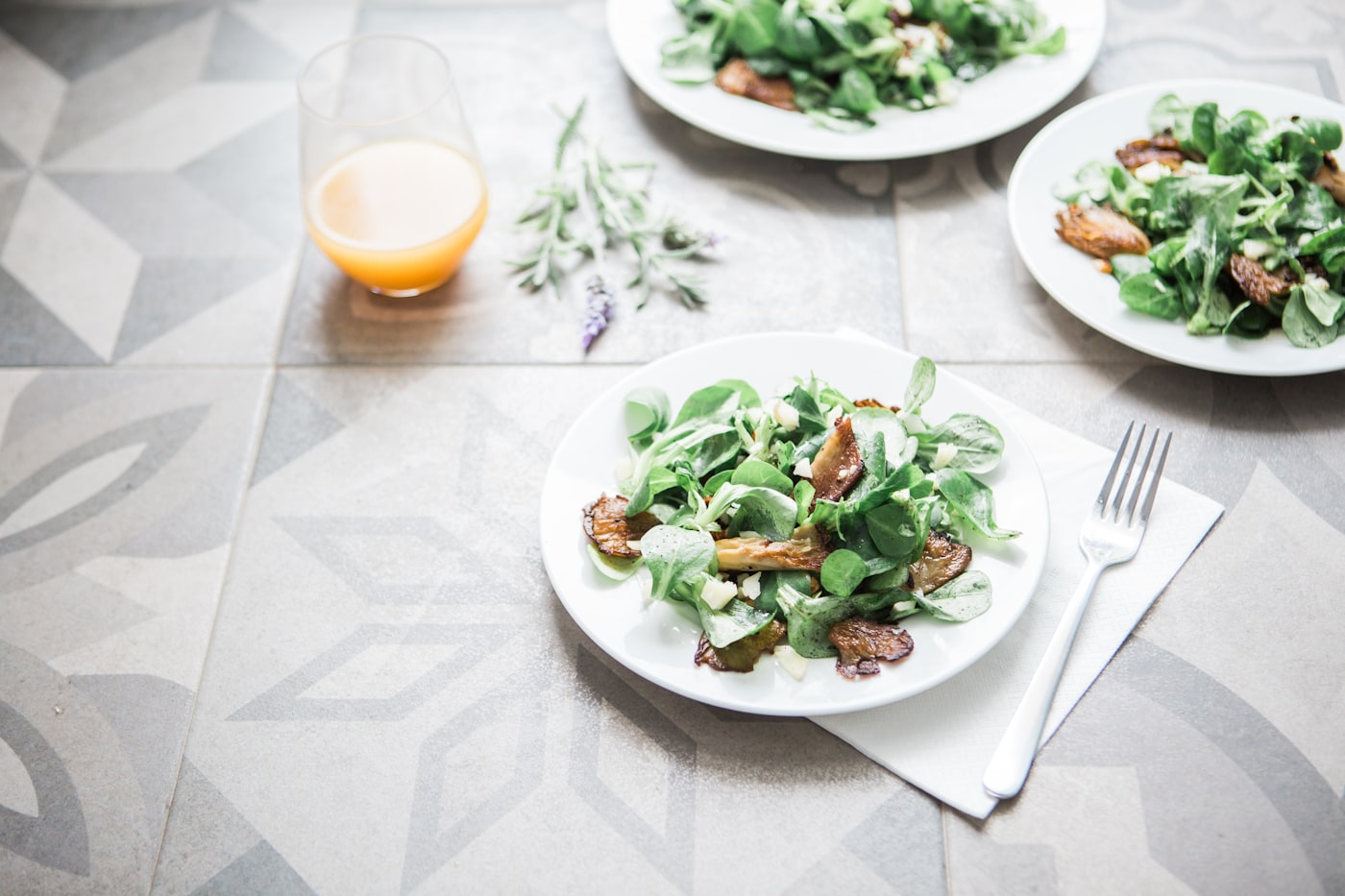
3. Why are protein-rich foods often the real selenium story? Because public materials keep returning to them as more stable sources
Both NIH ODS and NHS list fish, meat, eggs, and some nuts among key selenium sources. NIH ODS health-professional material also makes an important point: seafood, meat, poultry, and organ meats are often rich sources of selenium, and animal products are less vulnerable than plant foods to wide swings driven by soil variation because animals maintain more predictable tissue selenium through homeostatic mechanisms. That is one reason protein-rich animal foods often sit closer to the real selenium story than whether someone drinks tea.
If someone rarely eats fish, eats little meat, eggs, or dairy, seldom eats nuts, and does not pay much attention to beans or grains as alternative sources, then the more useful question is usually not “did tea affect selenium?” but “was my selenium supply already too weak in the first place?” That is a more basic question, and one much more likely to change outcomes.
From that perspective, tea looks more like background than like the main source or the main breakpoint. It can absolutely be part of daily life, but public materials do not place it at the front of the selenium discussion.
4. So where does tea actually belong? The safer conclusion is usually not “tea directly causes low selenium,” but “do not let tea replace real source assessment”
If we stay close to public-facing authoritative materials, the main selenium themes are intake needs, food sources, soil variation, higher-risk groups, toxicity risk, and supplements or medication interactions. You do not see tea repeatedly presented as a core driver of poor selenium status. That does not mean tea has no relationship to the broader eating context. It means that the most careful public information does not support treating tea as the leading suspect in selenium inadequacy.
That point deserves emphasis because once people become anxious about trace minerals, they often want one single daily habit to explain everything, and tea is easy to recruit into that role. But for selenium, the more important questions are usually whether major food sources are present, whether the diet relies heavily on plant foods from lower-selenium environments, whether a person belongs to a higher-risk group, and whether supplements are being overused.
So I would place tea in a restrained position here: it is not the first thing to worry about in selenium discussions; the harder clues are usually insufficient food sources, environmental variation, and mistaken supplementation behavior.
5. Who deserves more attention than ordinary tea drinkers? The risk groups highlighted in public materials are usually special clinical or dietary backgrounds, not tea use by itself
NIH ODS consumer guidance says that most people in the United States get enough selenium from food, but some groups may have trouble doing so—for example, people undergoing kidney dialysis, people living with HIV, and people whose diets consist mostly of plant foods grown in local soils that are low in selenium. Notice what does not appear as the repeated risk signal: “drinking tea.”
That gives ordinary readers a practical way to rank risk. If someone drinks tea regularly but also eats a varied diet that includes fish, meat, eggs, dairy, beans, and nuts, and does not have a special risk background, public materials do not place that person near the front of the selenium-deficiency queue. By contrast, if the diet is very narrow, sources are limited, the food environment is more uncertain, or the person belongs to a specific clinical-risk group, then selenium-source assessment deserves more attention than tea does.
Put simply, the people who need the first real selenium check are usually not “tea drinkers,” but people whose diet or medical background makes selenium more vulnerable in the first place.
This also helps explain why tea is such an easy explanation to reach for. Tea is visible, repetitive, and easy to blame. Food-source structure, soil background, chronic disease, and supplement dose are more complicated and harder to compress into one sentence. But complicated does not mean unimportant. For selenium, those less convenient variables are often the ones that really shape outcomes.
So if selenium is a long-term concern, it may help to rewrite the question: am I reliably eating the main sources, is my diet too dependent on a narrow set of foods, and do I belong to any of the risk backgrounds public materials actually mention? That line of questioning is usually much closer to reality than “maybe it was the tea.”

6. Why must supplement risk be discussed separately? Because selenium is not better in unlimited amounts, and careless supplementation is more likely than tea to create a real problem
If there is one selenium issue more worth worrying about than whether tea affects it, it may be excess supplementation. NIH ODS consumer guidance clearly warns that too much selenium over time can cause selenium toxicity, with signs including a metallic taste, garlic breath, hair loss, brittle or lost nails, rash, nausea, diarrhea, severe fatigue, and nervous-system problems; in more serious cases, major gastrointestinal and neurologic damage can occur. NHS also warns that too much selenium can lead to hair and nail loss.
That points to a very practical reality: in many cases, what deserves closer attention is not tea, but the habit of taking high-dose selenium out of fear of deficiency. Brazil nuts are a good example. NIH ODS notes that a single Brazil nut can contain about 68–91 micrograms of selenium. Add supplements on top, and total intake can climb quickly.
So for ordinary readers, one of the most useful selenium warnings is not “drink less tea,” but “do not turn trace-mineral anxiety into reckless supplement behavior.” Public materials are very clear on this point: enough selenium is important, but too much is a real problem too.
7. Why does overall diet matter more than a single cup of tea? Because selenium status is usually the result of a long-term pattern, not one immediate action
Whether you read NIH ODS or NHS, selenium makes the most sense inside a long-term dietary pattern. A person whose diet includes fish, seafood, meat, eggs, dairy, grains, beans, and moderate nuts is more likely to have stable selenium intake. A person whose diet is very narrow, whose plant-food sources are limited or environmentally uncertain, and whose higher-selenium foods are sparse is more likely to have a genuine intake problem rooted in long-term structure rather than in a single beverage.
That is why I do not think selenium should be turned into a “should tea be separated from meals?” kind of story. That framing spreads easily, but it flattens what really matters. The more actionable questions are usually: is the diet diverse enough, are the main sources present, if the diet is more plant-based do I understand soil-related uncertainty, and am I stacking supplements with high-selenium foods such as Brazil nuts?
Those questions are less dramatic than “does tea affect selenium,” but they are much closer to real-world outcomes.
8. Conclusion: do not make tea the main enemy in a selenium story; the real priorities are food sources, soil variation, overall diet, and whether supplementation has become excessive
If this article had to be reduced to one sentence, it would be this: the most careful public materials do not support treating tea as the main cause of low selenium; for selenium, the priorities are usually whether major food sources are present, what soil environment plant foods come from, whether the overall diet is too narrow, and whether supplements or very high-selenium foods are being overused.
There are two easy ways to tell this story badly. One is to cast tea as the hidden villain that quietly disrupts selenium. The other is to assume that because most people are not selenium-deficient, dietary structure and supplement risk never matter. The more responsible view sits between those extremes. Tea is not the first thing to panic about here, but if your food sources are already thin, your diet depends heavily on environmentally variable plant foods, you belong to a higher-risk group, or you are taking large selenium doses, then “maybe it’s the tea” should not replace real judgment and adjustment.
For many readers, the more useful first questions are these: do I regularly eat fish, eggs, meat, dairy, beans, grains, or nuts? Has my diet become too narrow? Am I stacking Brazil nuts with selenium supplements? Those questions are usually much closer to what can actually change selenium status than asking whether today’s tea had an effect.
Research limits
- Mainstream public-health materials for ordinary readers focus much more on selenium sources, intake needs, soil variation, higher-risk groups, and excess risk than on making a strong claim that tea directly affects selenium intake or absorption. - That means overstating the tea-selenium relationship can easily go beyond what cautious public materials actually support. - Selenium status is shaped by food sources, soil environment, medical background, long-term diet pattern, and supplement intake, so real-life situations can vary widely. - The safest conclusion therefore remains: do not make tea the protagonist; first address the more central and more common breakpoints in the selenium story.
What this means for ordinary readers
If you want one practical sentence, it is this: if you are worried about selenium, do not rush to blame tea; first check whether the main food sources are present, whether the diet depends heavily on lower-selenium environments, and whether supplements are being pushed too far. That is usually much closer to a useful next step than worrying only about whether tea is allowed.
Continue with Does tea affect zinc absorption? Before blaming tea, look first at total intake, narrow diets, chronic diarrhea, and whether refined staples dominate the plate, Does tea affect magnesium absorption? Before blaming tea, look first at total intake, gastrointestinal absorption, long-term medication use, and whether the diet has become too refined, and Does tea affect vitamin B12 absorption? Before blaming tea, look first at stomach acid, intrinsic factor, long-term PPI use, and whether animal foods are missing from the diet.
Source references: NIH ODS: Selenium - Consumer, NIH ODS: Selenium - Health Professional Fact Sheet, NHS: Vitamins and minerals - Others (Selenium), NCCIH: Tea.