Research overview
Is that post-meal tea helping digestion, or slowing iron absorption? How to judge tea, tannins, and iron anxiety more accurately
Across health advice, one warning refuses to disappear: don’t drink tea right after meals, or it will ruin your iron absorption. Others dismiss that as old-fashioned fearmongering. The research-grounded answer sits between those extremes. Tea can reduce the absorption of part of the iron in a meal, but not all iron, not for everyone, and not in a way that justifies saying tea itself is harmful. The real variables are timing, tea strength, long-term dietary structure, and whether you already belong to a higher-risk group for iron deficiency.
This topic matters now not only because iron remains a high-frequency health concern, but because modern tea use has changed. Many people are no longer having a small hot cup after dinner once in a while. They are pairing lunch with large cold-brew teas, using bottled unsweetened tea all day at work, or treating “clean tea to cut heaviness” as part of a diet routine. Tea has shifted from an occasional ritual to a high-frequency beverage behavior. Once volume, frequency, and meal overlap increase, research warnings about iron absorption become more practical again.
At the same time, the literature does not support a universal ban. It is closer to this: if your iron stores are already tight, if you depend heavily on plant-based iron, or if you are in pregnancy planning, pregnancy, rapid adolescent growth, or a higher menstrual-loss stage, then a large strong tea very close to meals deserves more attention than it does for an ordinary healthy adult. In other words, the tea-and-iron question is not a moral judgment. It is a question of absorption efficiency and risk stratification.

Research card
Topic: tea polyphenols / tannins and dietary iron absorption Key issues: non-heme iron, heme iron, timing with meals, strong tea, plant-forward diets, and iron-deficiency risk groups Best for: readers who often drink tea with meals, are trying to improve iron status, eat more plant-based meals, have heavier menstrual losses, or are wondering whether tea habits matter Core reminder: the clearer effect is on non-heme iron absorption; the practical issue is not “quit tea,” but timing, dose, and risk stratification.
1. Why “tea affects iron absorption” is not wrong, but is often overstated
The sentence survives because it captures a real part of the evidence, but it usually erases the boundaries. Tea contains polyphenolic compounds, often simplified in popular language as “tannins,” and these compounds can bind part of the iron in food and reduce how available it is for absorption. The problem is that many discussions jump too quickly from that mechanism to “tea causes iron deficiency.” That jump is too large.
First, iron does not come in only one dietary form. A crucial distinction in nutrition science is between heme iron, found mainly in red meat and organ meats, and non-heme iron, found more often in beans, leafy greens, grains, and fortified cereals. Heme iron is usually absorbed more efficiently and is less affected by tea and many other meal factors. Non-heme iron is more vulnerable to what else is eaten or drunk at the same time, and tea’s inhibitory effect is more obvious there.
That means the first real question is what kind of iron your meal is relying on. For someone eating a mixed meal with meaningful animal-source iron, the issue is often less dramatic than social media makes it sound. For someone relying mostly on plant-based iron and chasing every meal with a large strong tea, the warning becomes much more relevant.
2. What the evidence really points to: the clearer effect is on non-heme iron, not on “all iron disappearing into one cup of tea”
This is probably the single most important point in the whole topic, and one of the easiest to lose in popular health language. Public reviews and nutrition references consistently emphasize that tea, coffee, and some other polyphenol-rich drinks have a clearer effect on non-heme iron absorption. In other words, the iron most likely to be slowed by strong tea around meals is the iron coming from plant sources.
That is also why the literature often links the tea-and-iron question to overall dietary structure. If someone has regular access to meaningful animal-source iron, ordinary tea use may not quickly translate into poor iron status. But if someone already has lower iron intake, or depends mostly on beans, grains, and vegetables for iron, and also drinks strong tea with every meal, then the inhibitory effect can matter more over time.
So the more accurate sentence is this: tea does not “wash iron away”; under certain dietary conditions, it lowers the efficiency with which part of the meal’s iron is absorbed. That difference matters. The first version spreads fear. The second is much closer to the real nutrition problem.
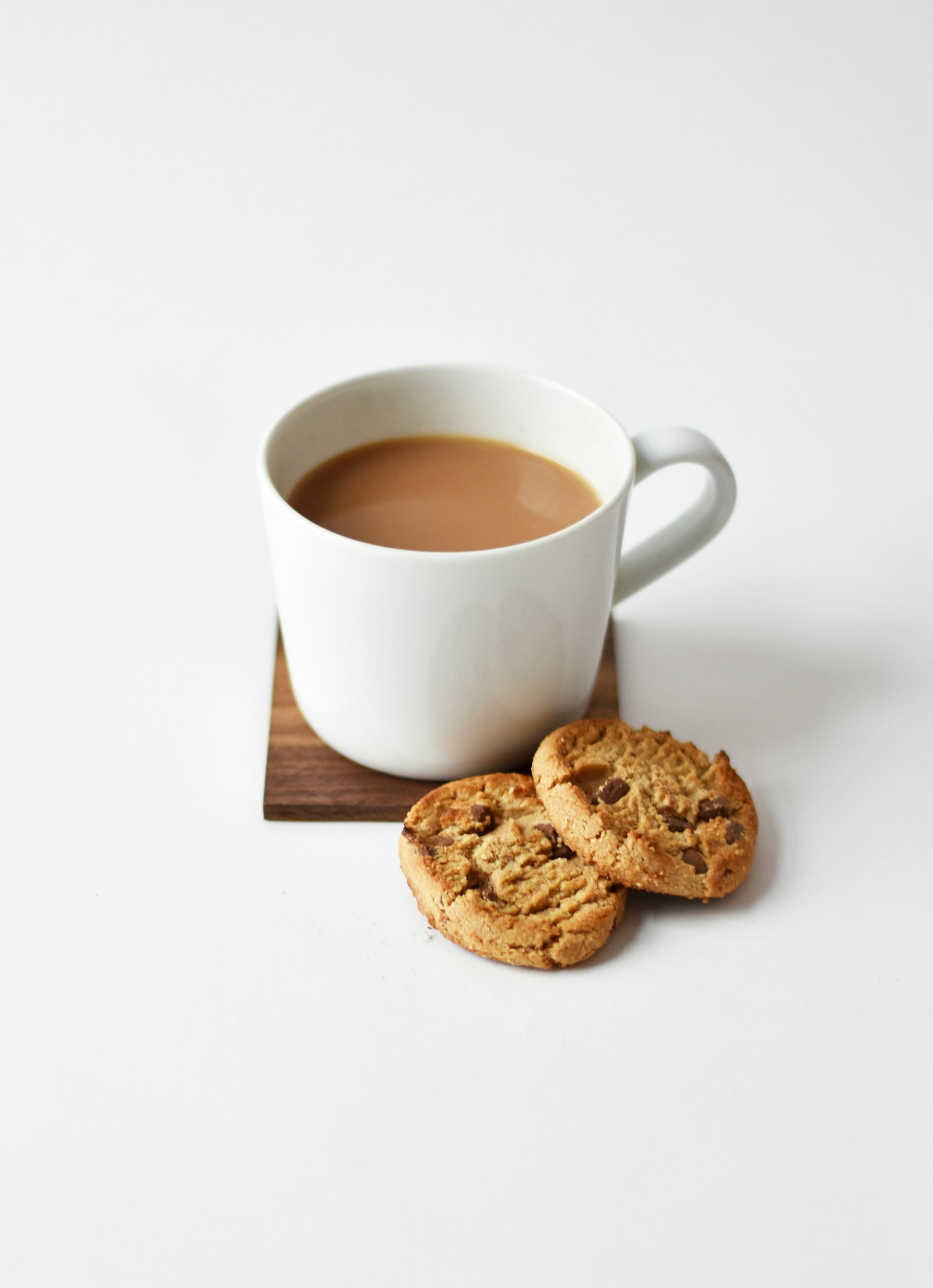
3. Why “a large strong tea right after a meal” is not the same thing as “being a person who drinks tea”
Because research is about exposure scenarios, not abstract labels. The classic situation is not merely “someone likes tea.” It is tea consumed very close in time to an iron-containing meal. Especially when the meal’s iron is mostly non-heme iron, drinking stronger tea during or immediately after the meal is more likely to magnify the inhibitory effect.
That is why many nutrition recommendations do not simply say “drink less tea.” They say that if you are trying to improve iron status or belong to a higher-risk group, it is wise to separate tea from meals. For absorption, timing can matter almost as much as beverage type. A mid-afternoon cup of tea is not nutritionally the same as a large strong tea taken right after a lunch built around tofu, spinach, grains, legumes, and vegetables.
Translated into daily life, the most important thing to watch now is often not the traditional tiny teacup, but the large-format, portable, all-day tea habit. Cold-brew bottles, office steep-all-day mugs, bottled unsweetened tea, and fitness-meal tea pairings all increase the chance that tea is repeatedly overlapping with meals. The warning is not outdated. It just needs to be updated to modern beverage behavior.
4. Strength, volume, frequency: why the real issue is not “whether you drink tea,” but “how you drink it”
In nutrition debates, people love turning complex questions into switches: allowed or forbidden. Iron absorption does not work that way. More useful judgment usually comes from three variables: strength, volume, and frequency.
First, strength. Stronger tea usually means a higher polyphenol load and a greater chance of interacting with non-heme iron in the same meal. Second, volume. A few sips are not the same as finishing a large cup with the meal. Third, frequency. An occasional overlap is not the same as repeating the pattern around meals every day for months.
Taken together, these are the real exposure patterns that matter. In other words, the problem is not tea as an idea, but the combination of strong tea + large volume + repeated close-to-meal use. Once that structure is clear, a lot of argument cools down automatically. There is no reason to demonize all tea use. But there is also no reason to deny a real absorption issue in certain groups and situations.
5. Who should actually take “separate tea from meals” more seriously?
From a research and clinical-nutrition perspective, the people who deserve more attention are usually not everyone, but several more specific groups.
First are people who already have iron deficiency or a clear risk of it. If ferritin is low, fatigue is persistent, or iron repletion is already on the table, meal-time tea deserves more caution. Second are women with heavier menstrual losses, people trying to conceive, and those who are pregnant. Their iron demand or iron loss is already more significant. Third are adolescents during rapid growth. During growth spurts, absorption efficiency matters more. Fourth are people whose diets rely heavily on plant-based iron with limited animal-source iron. They are more dependent on non-heme iron. Fifth are people who strongly bind concentrated tea to nearly every meal.
On the other hand, if you are a generally healthy adult with a reasonably mixed diet, some animal-source iron, and tea use that is not always locked onto meal times, current evidence does not support talking about you as if tea alone makes iron deficiency inevitable. The literature supports stratified judgment, not one universal ban.
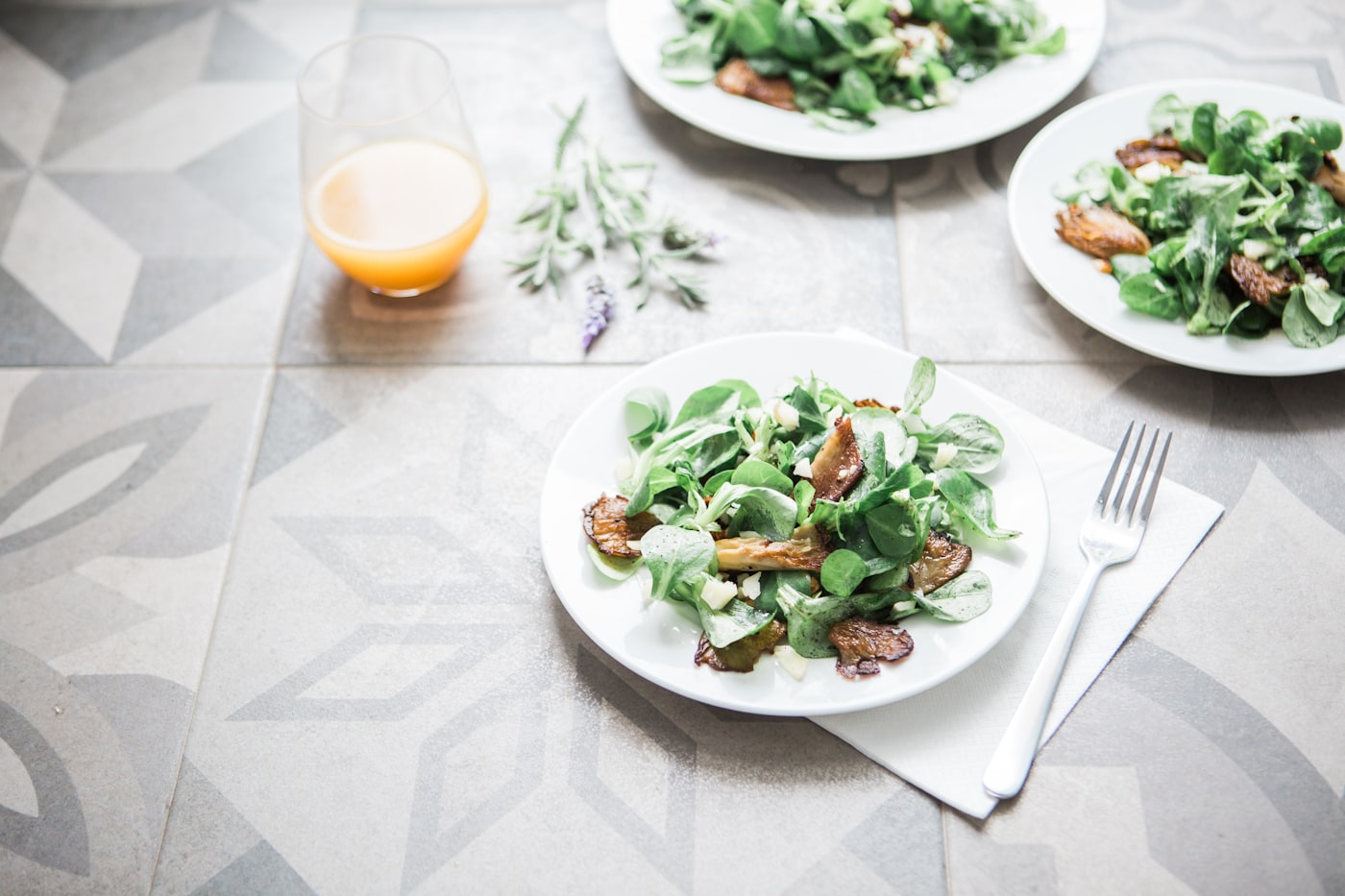
6. Why spinach-plus-tea is often a more relevant warning sign than steak-plus-tea
Because they rely on different kinds of iron. Spinach, tofu, legumes, grains, and many plant-forward dishes provide mainly non-heme iron. Steak, lamb, and organ meats provide heme iron, which is absorbed through a different pathway and is usually less disrupted by tea polyphenols.
That does not mean tea after steak has zero effect. It means the higher practical priority is meals that depend more heavily on non-heme iron in the first place. This is also why some meals that look cleaner, lighter, and healthier on the surface can be nutritionally more vulnerable in iron terms if they are repeatedly paired with strong tea.
Sometimes the meal that most deserves the reminder is not the heaviest one, but the one that looks the most controlled and virtuous. In that kind of meal pattern, tea’s inhibitory effect has a better chance of landing on absorption efficiency in a meaningful way.
7. If you do not want tea to interfere with iron repletion, what is the most realistic strategy?
The most useful strategy is not “quit tea forever,” but to change sequence and structure. The most common practical move is to separate stronger tea from meals, iron supplements, and iron-fortified foods by some time. That is not superstition about the clock; it is simply a way to reduce direct overlap between tea polyphenols and non-heme iron.
A second practical move is to lower tea strength and volume around meals during periods when iron status really matters. Instead of obsessing over whether tea is allowed, the more useful adjustment is to stop treating a large strong tea immediately after eating as the default routine. A third move is to improve the meal itself—for example, by including vitamin C sources that help non-heme iron absorption. Nutrition guidance has long treated that kind of “improve the absorption side” strategy as more useful than panic.
So the steadier conclusion is not “tea and iron are incompatible.” It is this: during phases when absorption efficiency matters more, changing tea timing and improving meal structure often solves much of the problem.
8. Conclusion: the real thing to watch is not one cup of tea, but the habit of treating strong tea around meals as cost-free for everyone
If this article had to be compressed into one sentence, it would be this: tea can reduce the absorption of part of dietary iron, especially non-heme iron; but what really needs adjustment is not all tea drinking, rather the long-term habit of tightly binding strong tea to meals in higher-risk people.
That is also why the sentence “tea affects iron absorption” should neither be mocked as an outdated myth nor inflated into “tea destroys your nutrition.” The evidence supports something much more restrained and much more usable: if iron status is normal, the diet is mixed, and tea is not constantly locked onto meal times, most healthy adults do not need to panic. But if you are repleting iron, belong to a higher-risk group, and rely heavily on plant-based iron, then separating tea from meals, avoiding very strong tea at those times, and not repeating the pattern at every meal is the most practical advice worth following.
Continue with Where fluoride in tea comes from, and who really should pay closer attention, Do real-leaf brewing, low sugar, and short ingredient lists automatically mean a healthier tea drink?, and Tea and metabolic health: evidence, limits, and the “healthy tea drink” misunderstanding.
Source references: NIH ODS: Iron Fact Sheet for Health Professionals, the 2000 review by Zijp et al. on dietary factors and iron absorption, and the 2004 review by Nelson and Poulter on tea drinking and iron status in the UK.