Research overview
Can you drink tea with a sore throat? First separate ‘this feels soothing,’ ‘this is irritating,’ and ‘this is treatment’
“Will hot tea help a sore throat heal faster?” “Is green tea supposed to calm throat inflammation?” “Why does tea sometimes feel soothing, but other times make my throat feel sharper, drier, or more coughy?” These questions are common, and they also tend to collapse several different issues into one. The more clinically grounded view is this: during a sore throat, tea can sometimes provide temporary relief, but that usually begins as warmth, fluid intake, and local comfort—not proof that tea itself is treating the virus, bacteria, allergy, or reflux behind the pain. In the same way, if tea makes you feel worse, that does not automatically justify a grand conclusion that “tea is bad.” What usually deserves closer attention is whether the tea is too hot, too strong, too acidic, too late in the day, or landing on a throat that is already easily irritated by caffeine, reflux, or dryness.
It is easy to understand why tea comes to mind so quickly when the throat hurts. NHS self-care guidance for sore throat already places “drink plenty of water” and “help the throat feel more comfortable” near the center. In other words, a sore throat does not first need a magical beverage. It first needs less irritation, less dehydration, and an easier swallowing environment. Tea appears in that situation not because it carries some irreplaceable medical identity, but because it is a warm liquid that many people experience as smoother, gentler, and easier to swallow.
The problem is that “this feels soothing” and “this is treating the cause” are not the same thing. A warm cup of tea may make swallowing feel less sharp in the moment, and that can be completely real. But that is still closer to local symptom relief than to a statement about the actual cause of the sore throat. In the other direction, if a very hot, strong, lemony, or caffeine-heavy tea feels sharper, burnier, or more irritating, that still does not automatically mean “tea is harmful.” It first means that this particular way of drinking tea is not very friendly to your already irritated throat right now.

Research card
Topic: what drinking tea really means during a sore throat, and how tea should be separated into local soothing, local irritation, and treatment claims Core question: can tea be consumed during a sore throat, when might it feel better, and when might it feel more irritating instead Evidence point: sore-throat self-care emphasizes fluids, rest, and symptom relief; tea can function as a liquid source and warm drink that feels soothing, but it is not standard treatment itself; too much heat, acidity, strength, late timing, caffeine, or reflux background can make it feel worse Best for: readers with viral sore throats, voice strain, dry-throat discomfort, or mixed experiences where tea sometimes feels better and sometimes clearly feels worse
1. First get the key point right: feeling soothed by tea during a sore throat is common, but that usually begins as relief—not treatment
This is the part most worth placing correctly first. Whether the sore throat comes from a cold, flu-like viral illness, heavy voice use, dry air, allergies, or mild reflux-related irritation, once the throat is inflamed, dry, and swallow-sensitive, gentler liquids can absolutely make it feel easier to cope. NHS and MedlinePlus patient guidance both place fluid intake and throat comfort near the center of self-care. In other words, during a sore throat, preventing the situation from becoming drier and more irritated is already part of sensible baseline care.
That is exactly why people often mistranslate “tea feels smoother going down” into “tea is treating the inflammation.” That move is too fast. In this setting, tea’s realistic role is closer to that of a warm liquid: it may make swallowing feel less scratchy, reduce the sense of dryness, help you keep drinking, and make the whole experience feel less unpleasant. But none of that automatically proves that tea is shortening the course of the illness, and none of it replaces pain relief, lozenges, rest, hydration, or seeking assessment when needed.
So “this feels soothing” should be treated as a useful body-level observation, not as a treatment-level conclusion. It tells you that this cup is more comfortable for your throat right now. It does not tell you that the underlying cause has been medically changed. What most people need to correct is not the idea that tea may feel soothing, but the habit of mistaking soothing for treatment.
2. Why can the same tea feel smooth one day, but sharper, drier, or more irritating another time? Because temperature, acidity, strength, and caffeine often matter more than the tea label itself
When the throat hurts, contact sensation gets amplified. The first obvious variable is temperature. Many people say “hot tea feels best,” but the more reliable rule is usually not “the hotter the better,” but “do not make it too hot.” NHS sore-throat self-care also notes that cooler or softer foods may help. In other words, the throat does not automatically prefer high heat. Warmth may soothe; excessive heat often backfires.
The second variable is acidity. Plain tea is not always very acidic, but lemon tea, fruit tea, or tea drinks with sharper flavor structures can create a clear stinging feeling when the throat is already sensitive. You may think you are drinking something “for the throat,” while the actual irritant is the acidic structure rather than the tea itself. The third variable is strength and astringency. A strong, heavy, tea-forward drink may feel satisfying on an ordinary day, but during throat inflammation it can feel tightening, drying, or urge-provoking in a way that makes you want to clear the throat more.
The fourth variable is caffeine and timing. This is the part people often miss: not all sore-throat discomfort is purely local. If a tea makes you more wired in the late afternoon, worsens sleep, increases reflux, or leaves the mouth and throat drier overnight, the next day’s throat experience may obviously be worse. People then compress that whole chain into “tea damaged my throat.” A more realistic reading is that the tea, through caffeine, late timing, reflux, or sleep disruption, made the recovery environment less friendly.
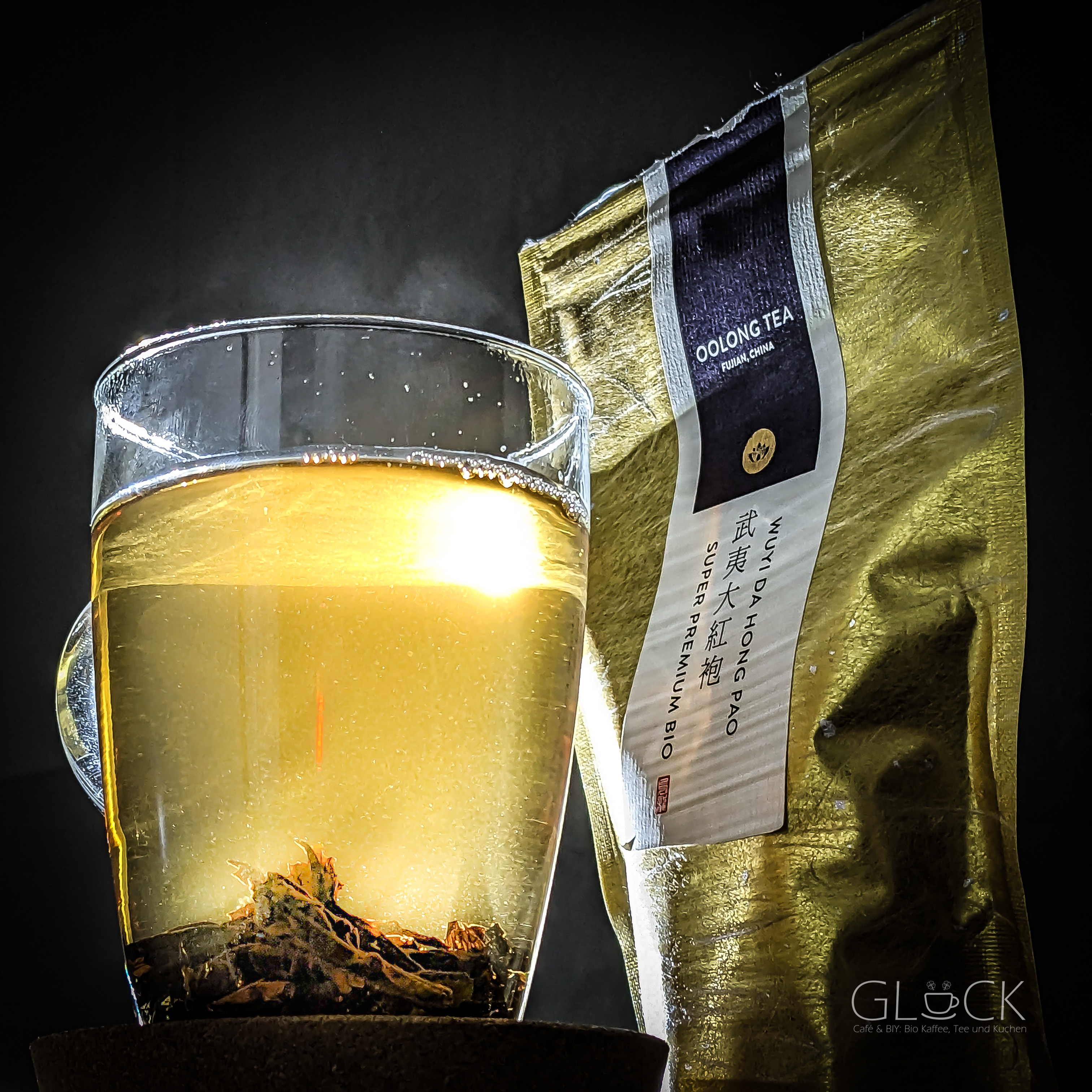
3. The most realistic place for tea during a sore throat is as one possible fluid format—not as a default treatment plan
This is where many practical judgments either stay grounded or drift into myth. MedlinePlus guidance on sore throat is very plain: lozenges, fluids, gargling, and over-the-counter pain relief may help ease discomfort, while treatment depends on the cause. The key phrase there is not “which magic drink works best,” but may help relieve. Tea fits most honestly into that category, alongside warm water, broth, honey-based drinks, milk, or even some cooler fluids depending on tolerance: it is a symptom-management option, not a standard therapy.
Once tea is placed back into that role, much of the argument cools down by itself. You do not need to prove that tea cures a sore throat, and you do not need to treat drinking tea during a sore throat as automatically wrong. The more honest sentence is: if a mild, not-too-hot, not-too-strong, not-too-acidic tea helps you swallow more comfortably, helps you keep fluids going, and does not clearly irritate the throat, then it can absolutely be one reasonable comfort choice. But that does not mean you have found treatment itself, and it certainly does not mean you should ignore fever, worsening pain, or other warning signs.
That is also why “does tea soothe the throat?” is a poor question when treated as a binary. Tea can, in some people, with some preparation styles, at some moments, make the throat feel easier. It can also, under other conditions, intensify discomfort. It is better understood as a contextual tool than as an automatic answer.
4. When is tea more likely to make things worse during a sore throat?
The first common situation is you are drinking it too hot. This is probably the least worthwhile thing to force through. If the throat already hurts, trying to “wash it open” with very hot liquid often just rationalizes irritation. The second is you are drinking an acidic tea drink, such as lemon tea, fruit tea, or something taken on top of reflux, frequent throat clearing, or a dry-throat baseline. In that situation you may think you are “soothing the throat,” while actually adding both direct irritation and reflux-related trouble.
The third is a highly tea-forward, strong, astringent, caffeine-obvious drink. Those can create a tightening, drying, throat-clearing sensation that is easy to mistake for proof that tea itself is wrong. The fourth is turning tea into an evening comfort drink that you keep reaching for. If that disrupts sleep, worsens reflux, or leaves the mouth and throat drier overnight, the next day will naturally feel worse. Many people simplify that whole chain into “tea hurts the throat,” when the more realistic reading is that the drink, at the wrong time and intensity, damaged an already fragile recovery environment.
Another common situation is that the sore throat is not mainly a straightforward infection at all, but is more tied to voice overuse, dry air, reflux, postnasal drip, or allergies. In that case whether tea feels helpful may depend much more on liquid temperature and contact comfort than on any claim that tea is “anti-inflammatory.” If you ignore the real background and keep circling around “which tea is best,” the whole thing often gets more confused, not less.
So the more useful question during a sore throat is usually not “which tea heals the throat best?” but: “After I drink this, does swallowing feel easier? Does the throat feel sharper? Does it make me want to clear it more, reflux more, or sleep worse?” The first kind of question pushes you toward labels and folklore. The second keeps you closer to your body’s actual response.
That is also why, if one tea is clearly making you feel worse in the moment, the realistic move is usually not to defend it with theory. It is to switch to a gentler fluid or simply pause. During a sore throat, what matters most is not loyalty to a beverage identity, but loyalty to the recovery environment.
5. The real thing to watch is not “will tea slow healing slightly?” but the warning signs that should not be dragged out as an ordinary sore throat
This matters more than the tea question. NHS guidance is clear that if a sore throat lasts more than a week, keeps recurring, comes with clear fever, signs of dehydration, or leads to difficulty breathing, difficulty swallowing, drooling, or a high-pitched sound when breathing in, it should not just be managed as a minor irritation at home. In other words, whether a cup of tea feels a bit comforting and whether you need medical attention already belong to two different layers of judgment.
The practical mistake people make is hearing “I can still drink some tea” as if it meant “so it probably isn’t serious.” That does not follow. Some people can still tolerate warm tea during a significant sore throat; that does not prove the illness is mild. Others get a strong sting from almost any sip; that does not prove a serious disease either. The real things to look at are still the illness pattern, the associated symptoms, swallowing and breathing function, and whether the course is becoming unusually persistent or abnormal. Tea can only show how you tolerate one kind of liquid right now. It does not perform diagnosis for you.
If the problem is no longer just “my throat is sore,” but rather a week or more of clear pain, swallowing that is becoming harder, voice changes that drag on, high fever, breathing difficulty, or a course that simply does not look like an ordinary cold, then the priority should shift from “what should I drink?” to “should I get this checked?”
6. The most practical takeaway is not memorizing “allowed/not allowed,” but making these judgments first
First: ask whether this tea is making you more willing to drink, making swallowing easier, or instead making the throat feel sharper, drier, or more cough-prone. If it is the latter, do not force it.
Second: check the variables. Is it too hot? Too strong? Does it contain lemon, fruit acid, or sharp flavoring? Are you drinking it late? Do you already have reflux, throat clearing, or mouth-and-throat dryness in the background?
Third: do not translate “this feels a bit better” into treatment, and do not turn “this feels irritating” into an absolute lifetime ban. The more accurate sentence is usually that this cup is or is not a good fit for you right now—not that all tea always works or always fails.
Fourth: if the sore throat is lasting too long, comes with fever, or includes swallowing or breathing difficulty, do not let beverage selection replace illness judgment. At that point, the question is no longer just “what feels best to drink?”
Once these levels are put in the right order, many arguments calm down naturally. Tea can be a comfort choice during a sore throat, but only if it is actually comforting rather than clearly irritating. It can contribute to symptom management, but it should not impersonate treatment itself. It can offer brief relief, but it should not help hide warning signs that deserve proper evaluation.
7. Conclusion: during a sore throat, tea’s most common real-world value is helping things feel a bit easier—not solving the illness for you
If this article had to be reduced to one sentence, it would be this: during a sore throat, tea can absolutely make someone feel a bit better because of warmth, fluids, and a smoother swallowing experience; but that is symptom relief first, not direct treatment of the cause. In the other direction, if tea is too hot, too strong, too acidic, too late in the day, or stacked on top of reflux and individual sensitivity, it can just as easily make the throat feel sharper, drier, and more urge-filled. The important task is not making an absolute moral judgment about tea, but asking whether this cup is reducing the local burden or continuing the irritation. At the same time, persistent pain, swallowing difficulty, breathing difficulty, high fever, or obvious worsening should not keep being managed through “what should I sip?” alone.
So the most useful judgment is not “can I drink every kind of tea with a sore throat?” It is: “Is this cup helping me right now? If not, can I switch to something gentler; and if the symptom pattern is wrong, should I stop self-soothing and get an actual assessment?” Keeping those two questions separate is usually much more useful than arguing about whether tea is some kind of miraculous throat remedy.
Continue with Why “drink it while it’s hot” is more than a taste habit: very hot tea and upper-digestive irritation, Can tea make reflux, heartburn, and acid regurgitation worse?, and Why can some teas make the mouth feel dry and astringent without literally dehydrating you?.
Sources: NHS: Sore throat, MedlinePlus: Sore Throat.