Concept explainer
Tea Is Not a Probiotic: Don’t Collapse Fermented Tea, Kombucha, and “Feed Your Gut” Marketing into One Claim
In current health content, once the words “tea,” “fermentation,” “gut microbiome,” and “wellness” appear in the same paragraph, the next sentence often arrives almost automatically: this drink has probiotic value, or this tea is feeding your good gut bacteria. The line feels smooth because it stacks together several ideas that already carry positive cultural weight: tea is familiar, fermentation sounds natural, and microbiome language sounds modern. Smooth, however, is not the same as correct. Once tea, probiotics, fermented tea, kombucha, and gut-microbiome research are crushed into one sentence, what usually disappears is the difference between product type, scientific definition, and actual evidence.
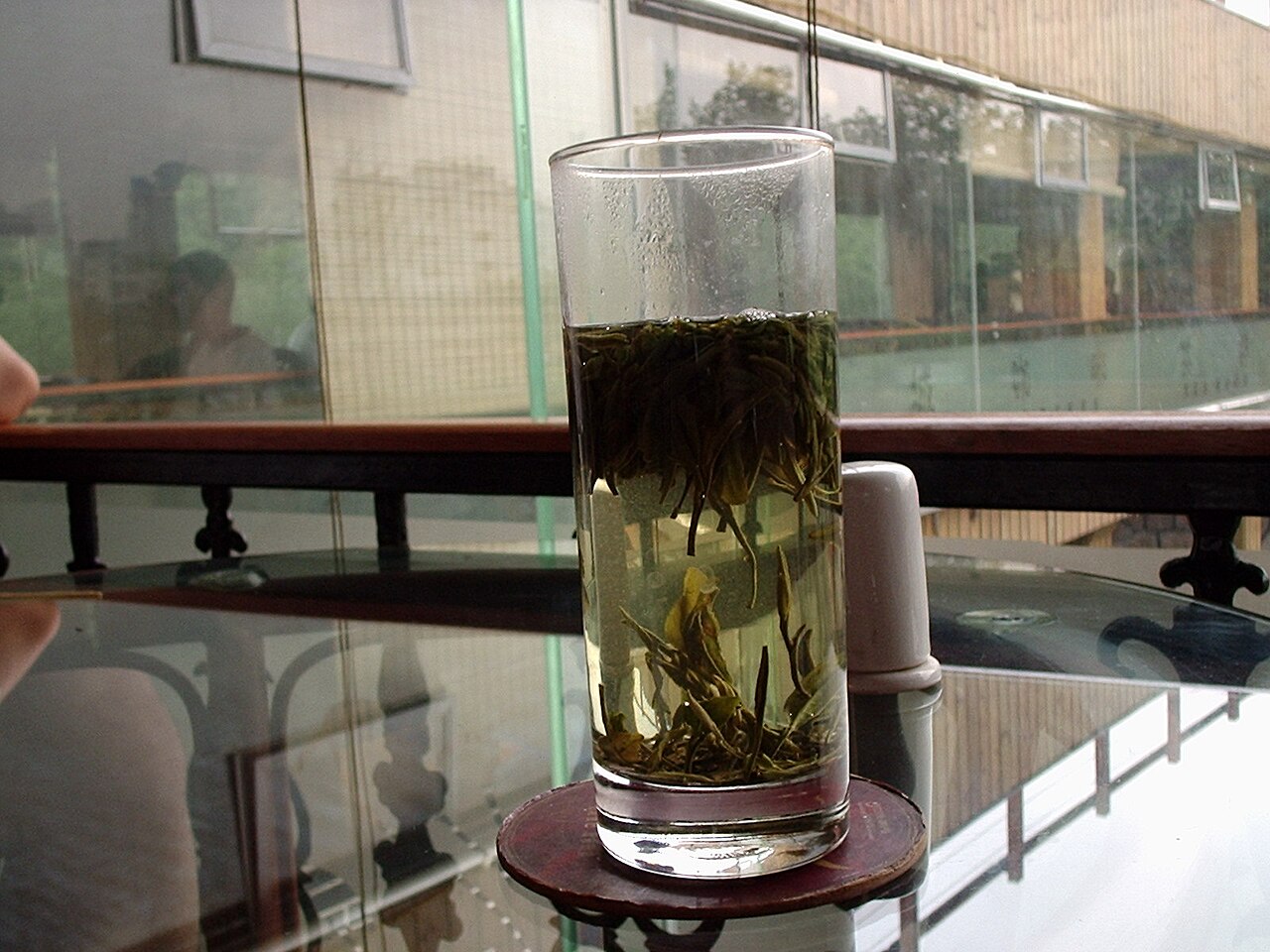
The first step is surprisingly simple: put the word probiotic back where it belongs. In NCCIH’s public-health explanation, probiotics are live microorganisms that are intended to have health benefits when consumed or applied to the body. Two parts of that definition matter immediately: “live,” and “microorganisms themselves.” Ordinary brewed green tea, black tea, oolong tea, white tea, or yellow tea is not fundamentally a product made up of live microbes. It is a beverage built around tea compounds, caffeine, polyphenols, aroma compounds, and water extraction. That alone already tells you why ordinary tea is not a probiotic.
But real-world confusion does not stop there. Many people then ask: what about fermented tea? What about kombucha? Aren’t those about microbes too? Yes, they may involve microbes or fermentation. But being related to microbes is not the same thing as being a probiotic product. A microbe participating somewhere in production, a drink coming out of fermentation, and a product actually meeting probiotic-type expectations are three different levels of discussion.
Research snapshot
Core concept: probiotic first refers to live microorganisms, not just any drink framed as gut-friendly Core judgment: ordinary tea is not a probiotic; fermented tea does not automatically become one; kombucha may raise probiotic questions only at the level of specific products, stability, safety, and evidence Evidence base: NCCIH public-health guidance on probiotics and green tea is enough to establish the main conceptual boundary Best for: readers who keep seeing claims like “tea feeds good bacteria,” “fermented tea equals probiotics,” or “kombucha is obviously a probiotic tea drink” and want to know what is being overstated
1. Start with the blunt version: ordinary tea is not a probiotic
This point does not need to be mystical. Probiotics are about live microorganisms. Ordinary tea is a brewed tea beverage. These are not the same kind of thing. Green tea, black tea, oolong, white tea, and yellow tea differ in processing and flavor, but as ordinary brewed drinks they are not primarily vehicles for delivering live microbial cultures. If someone calls a cup of hot tea a probiotic drink, the first correction should not be about catechins or polyphenols. It should be that the word itself has already been misused.
So why do people still slide into the claim so easily? Because in public health language, “probiotic” has been diluted into a flattering shorthand for almost anything imagined as good for the gut. Once that happens, the word starts swallowing categories that do not belong inside it: high-fiber foods get called probiotics, fermented foods get called probiotics, digestion-friendly drinks get called probiotics, and even products that merely make someone feel lighter after drinking them get wrapped in probiotic language. But broad positive feeling is not the same as definition.
So when someone says “tea is a probiotic beverage,” the safest answer is simple: no, tea is not a probiotic; at most, tea can be discussed in relation to microbiome research. That may look like a small wording change, but in fact it separates an entire evidence structure.
2. Why doesn’t “fermented tea” automatically equal probiotics either?
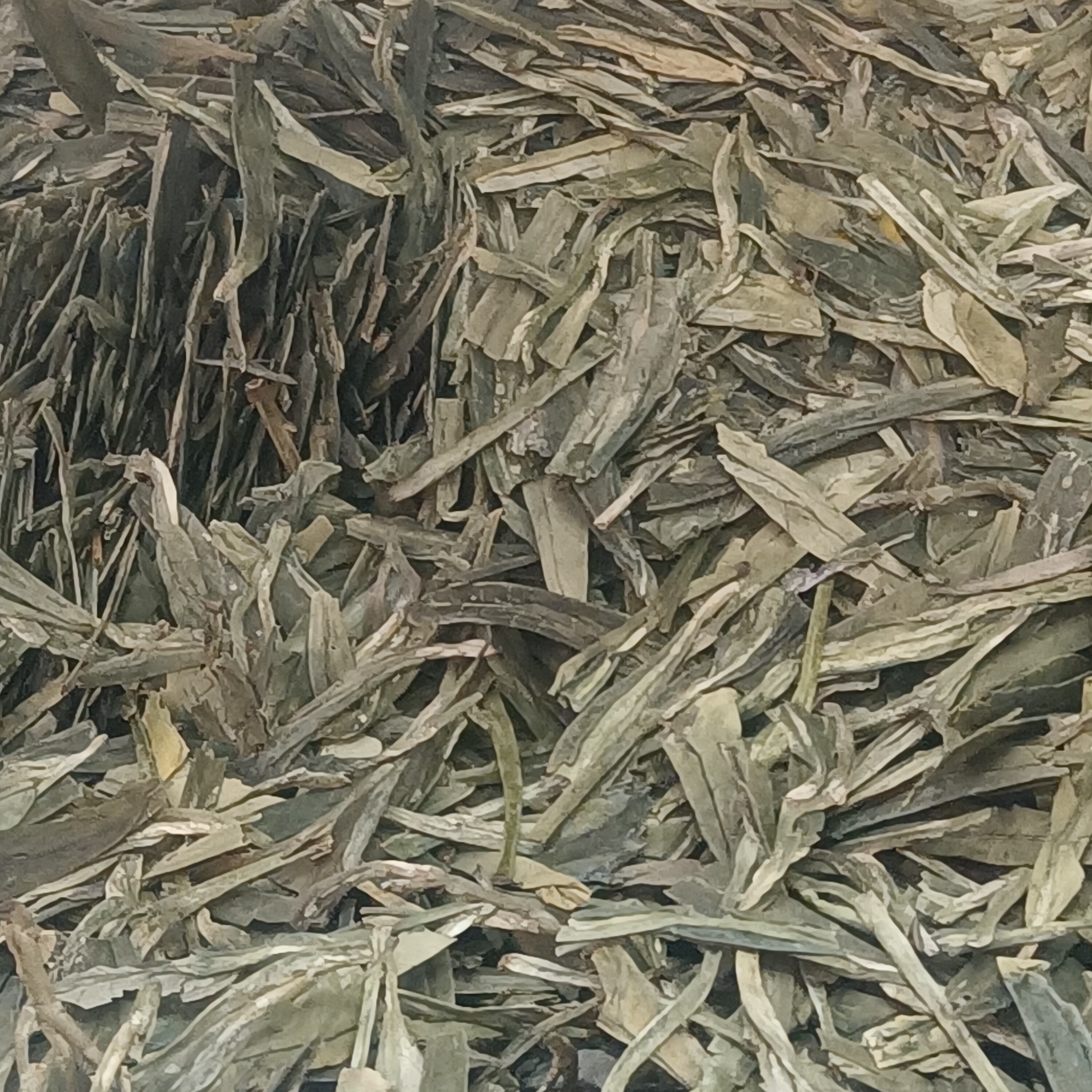
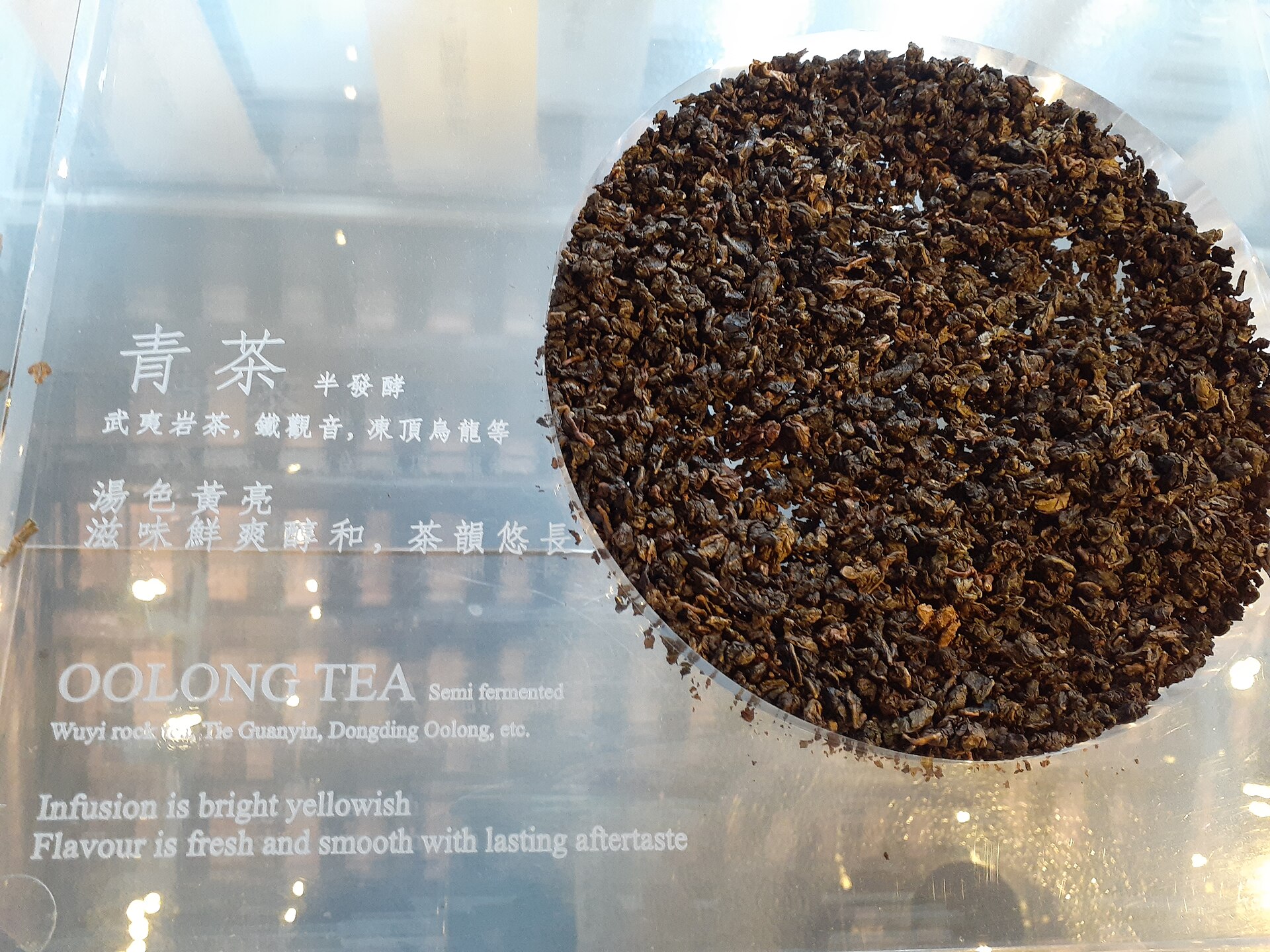
This layer is especially easy to confuse because “fermentation” in tea language is not always a neat one-to-one reference to live probiotic-style microbial delivery. Tea discourse often mixes together enzymatic oxidation, post-fermentation, piled processing changes, and forms of microbial participation. Once communication gets lazy, the word “fermented” is treated as if it already means “contains good live bacteria,” and then one more step turns that into “therefore this is a probiotic tea.”
But a production process involving fermentation does not automatically mean the final product qualifies as probiotic. Probiotic discussion cares about live microorganisms, quantity, stability, survival to the point of consumption, and some relationship to defined health benefit. A food or beverage may involve microbes somewhere in production without ending up as a product whose main defining feature is stable live microbial delivery.
In Chinese-language tea contexts, dark teas and some post-fermented teas are especially easy to oversell in this way. Once people hear about piled fermentation or microbial participation, they start imagining that the consumer is therefore drinking something equivalent to a live-culture microbial beverage. That leap is too fast. You can discuss how processing shapes flavor and composition. You can discuss whether any related studies examine health signals. But you still cannot jump from there to “therefore it is a probiotic.”
3. What about kombucha? It is genuinely different from ordinary tea, but it still should not be flattened into one slogan
Kombucha is constantly pulled into this conversation because it really is a fermented drink based on tea and sugar. Compared with ordinary brewed tea, it is obviously closer to the microbial side of the discussion. That makes it tempting for public communication to compress the issue into “kombucha equals probiotic tea.” This is more plausible than calling ordinary tea probiotic, but it is still too blunt.
Even with kombucha, fermentation alone does not automatically prove stable probiotic status. To discuss probiotic attributes responsibly, you still need to ask whether the final product as consumed contains enough live microorganisms, what those microorganisms are, whether they remain stable through storage and distribution, whether batches are consistent, what the safety issues are, and whether any claimed health benefits are specifically demonstrated rather than merely suggested by association. Without those details, calling kombucha a probiotic tea as a broad category is still an overreach.
Just as importantly, even if a specific kombucha product allows meaningful discussion of live microbes or probiotic potential, that does not retroactively redefine “tea” as a whole. Kombucha is a specific fermented drink, not a conceptual upgrade for all tea beverages. Saying “some kombucha products may involve probiotic-style questions” is not the same as saying “tea itself is a probiotic.”
This is one reason I distrust so much short-form health content. It loves deleting the expensive part of the sentence—the conditions—and leaving only the most memorable claim. “Some fermented tea drinks may raise questions about microbes and live cultures” becomes “fermented tea is probiotic.” “Some kombucha products may need case-by-case judgment” becomes “kombucha is obviously probiotic.” The deleted part is usually the part that mattered most.
A more responsible version is slower: ordinary tea is not probiotic; fermented tea does not automatically become probiotic; whether kombucha can be discussed in probiotic terms depends on the specific product, not just the name. It is less marketable, but it is much more honest.
4. Tea–microbiome research is worth following, but it is not evidence that tea itself is probiotic
Many people blend these issues together because they vaguely know something true: there really is research on tea, polyphenols, catechins, and the gut microbiome. That part is not fake. NCCIH’s public summary of green tea makes the broader caution equally clear: green tea and its extracts have been studied for many purposes, but definite conclusions still cannot be reached for most promoted uses. In other words, a lot of research does not mean a consumer slogan is now allowed to grab the conclusion.
More importantly, tea–microbiome research usually offers interaction clues, not probiotic identity claims. Tea polyphenols may interact metabolically with gut microbes; gut microbes may help transform some tea compounds; those processes may relate to selected metabolites, inflammatory pathways, or barrier-related functions. That is a real and interesting research direction. But it belongs to the level of mechanism and scientific direction, not to the statement “this cup of tea is a probiotic supplement.”
Turning “related to microbiome research” into “therefore probiotic” is like turning “studied in sleep research” into “therefore a sleeping pill.” It collapses research direction, product category, and consumer conclusion into one line. The right move is to separate those layers again.
5. For ordinary tea drinkers, the more realistic value is still beverage substitution, not a microbial-delivery program
If this topic has to be translated into an everyday judgment, the conclusion I would rather keep is less glamorous but more stable: for most people, tea’s more realistic meaning is still that of a sustainable daily beverage choice, not a mature probiotic intervention.
That is not a downgrade. It is tea being placed back in its most reliable position. Instead of imagining a cup of tea as a form of active microbiome engineering, it is usually more honest to ask whether it helps displace some sugary drinks, reduce some unnecessary flavor-load, or support a steadier drinking habit. That kind of value sounds much less exciting than “natural probiotic,” but in lived reality it is often far more solid.
I have long thought that over-supplementizing tea makes people miss what is best about it. Tea does not need the word probiotic to become respectable. And the word probiotic should not be pasted onto every beverage that has a little fermentation, a little microbiome language, and a little health halo.

6. How can readers quickly spot the problem in “tea = probiotic” claims?
I would ask at least four questions. First, is the claim really about live microorganisms, or is “probiotic” being used as a fashionable synonym for “gut-friendly”? Second, is it talking about ordinary tea, fermented tea, kombucha, or deliberately blurring all three? Third, is it discussing microbes somewhere in production, or actual live-microbe characteristics in the final consumed product? Fourth, is it offering product-specific evidence, or just borrowing microbiome prestige to add shine to a drink?
If those four questions are not skipped, most “tea feeds your gut,” “fermented tea is probiotic,” or “kombucha obviously counts as a probiotic tea drink” claims cool down very quickly. The slower a sentence moves, and the more conditions it keeps visible, the more likely it is to be responsible. The smoother and more slogan-like it sounds, the more likely it is hiding category mistakes.
Research limits
- This article is mainly about conceptual boundaries, not about issuing medical judgments on every specific fermented tea drink. - The statement that ordinary tea is not probiotic is conceptually clear; but specific kombucha or other fermented beverages still require product-level judgment about live cultures, storage, safety, and evidence. - Tea’s relationship to gut-microbiome research does not automatically give tea probiotic status. - Public communication often mixes up “fermentation,” “feeding good bacteria,” and “probiotic,” which is a major reason confusion spreads.
What this means for ordinary readers
The core judgment here is very simple: tea is not a probiotic. Ordinary tea is not. Fermented tea does not automatically become one. Whether kombucha can be discussed in probiotic terms depends on the specific product, not on the name alone. You can absolutely keep following tea–microbiome research, and you can keep tea in your life as a comfortable, steady, low-friction daily drink. What is unnecessary is imagining that every tea beverage touched by words like fermentation, microbiome, or gut support has already become a defined live-microbe health product.
Continue with Has tea and the gut microbiome really been figured out?, Tea, prebiotic claims, postbiotic talk, and the “feed your gut” story, and What is more dangerous: very hot tea, or tea health claims said too confidently?.
Source references: NCCIH: Probiotics: Usefulness and Safety, NCCIH: Green Tea, PubMed: kombucha review probiotic.