Research explainer
Does tea make your teeth look more yellow? First separate extrinsic staining, surface cleaning, and the myth that tea automatically “damages” teeth
“Tea makes your teeth yellow” is one of the most durable everyday health claims around tea. Some people therefore group tea together with coffee as a tooth-staining drink. Others push back and say tea is natural, so it cannot possibly be bad for teeth. The more research-aligned view is less dramatic: tea really can increase the chance of extrinsic staining, but visible discoloration is not the same thing as tooth erosion, and it is not the same thing as tea automatically damaging the tooth itself. What usually determines whether the effect becomes obvious is the color and frequency of tea exposure, the surface environment of the teeth, plaque and acquired pellicle, and routine cleaning habits—often alongside other staining factors such as coffee, red wine, or smoking.
This topic returns again and again because it hits two anxieties at once. The first is aesthetic: tooth color strongly shapes whether people feel they look clean, polished, or well-kept, so any claim about visible staining spreads easily. The second is health anxiety: many people automatically translate visible color change into “the tooth is being damaged,” “enamel is being worn away,” or “this drink is corrosive.” Once “tea stains teeth” enters the discussion, it can quickly slide into “so tea must not be suitable for long-term drinking.”
The problem is that dentistry does not use words like yellowing, staining, erosion, wear, and damage as interchangeable ideas. With tea, the more common issue is usually extrinsic staining—that is, pigment depositing on the tooth surface, plaque, or acquired pellicle—rather than tea somehow acting like a highly erosive acidic drink that automatically dissolves enamel. If those categories are not separated first, the whole discussion becomes distorted.
Research snapshot
Topic: the real relationship between tea drinking and visible tooth discoloration Key issues: extrinsic staining, tea pigments and polyphenols, plaque and acquired pellicle, brushing habits, professional cleaning, erosion myths Best for: people who drink tea often and worry that their teeth are becoming more yellow over time Core reminder: tea can make visible staining more likely, but visible color change and structural tooth damage are not the same thing and should not be judged as if they were.
1. The first distinction: tea more often contributes to staining than to automatic tooth erosion
In everyday conversation, several very different problems are often collapsed into one sentence: teeth looking yellower, surface stains, darker tartar, enamel erosion, exposed dentin, or weakened tooth structure. All of them may affect how teeth look, but they do not happen through the same mechanism. With tea, what is usually being discussed is extrinsic staining—color from food, drink, or tobacco attaching to the tooth surface, plaque, or the acquired pellicle.
That is not the same thing as saying the tooth is being chemically dissolved. When dentistry talks more directly about erosion risk, the discussion usually centers more clearly on repeated acid exposure from acidic soft drinks, certain juices, sports drinks, sour foods, reflux, and related conditions. Tea is not identical to plain water, but in public discussion the more useful concern around tea is usually visible staining rather than treating it as if it behaved like a strongly erosive acidic beverage.
So if someone says, “I think tea has made my teeth look yellower,” that may be a fair observation. But if they jump straight from that to “tea is damaging my teeth,” they have probably mixed up a surface appearance issue with a structural damage issue.
2. Why can tea leave visible stains? It is not only about color depth
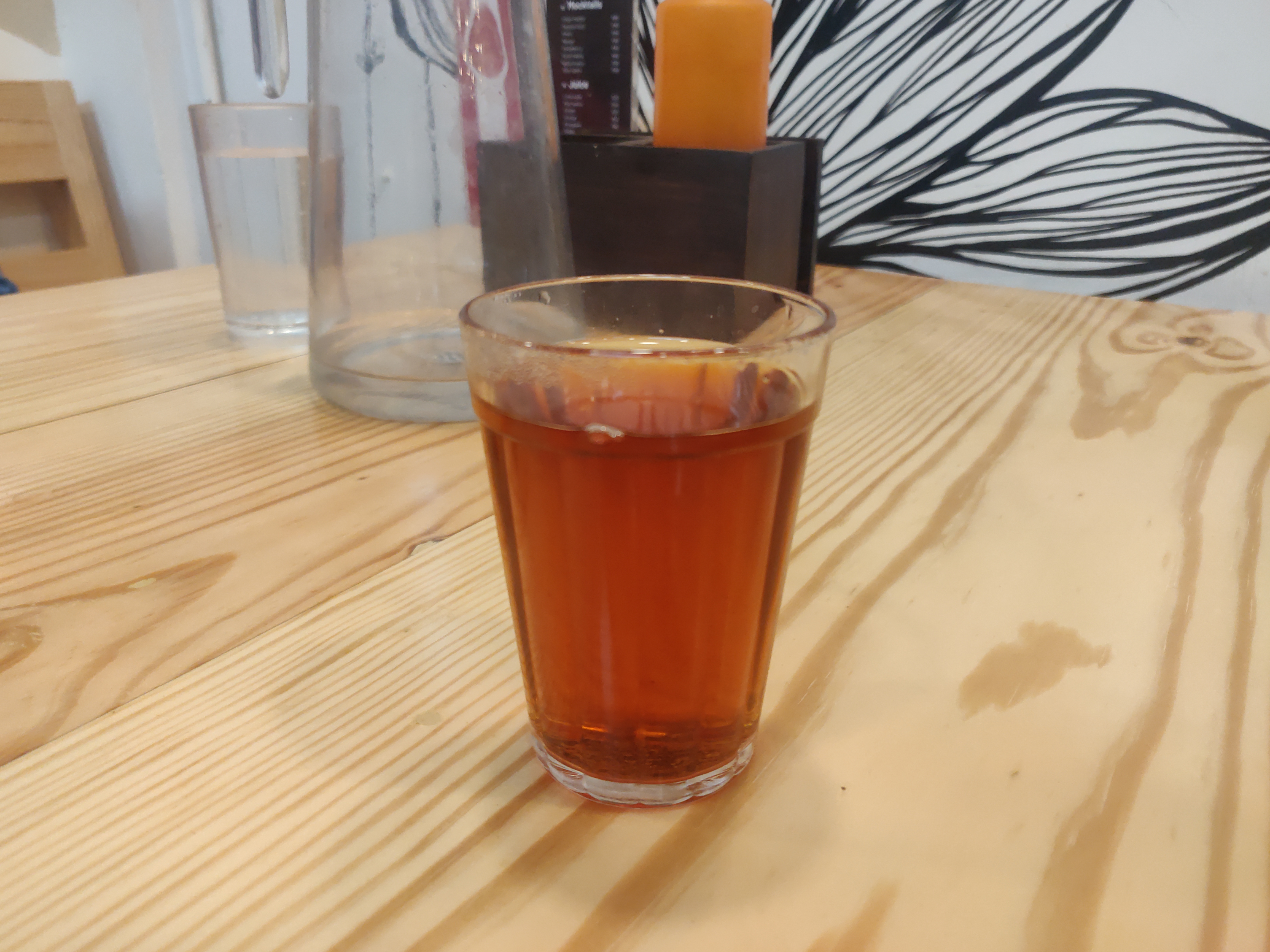
The simplest answer is that tea has color. A fuller answer is that tea brings a whole exposure background involving pigments and polyphenolic compounds, often discussed in relation to staining and color deposition. Ordinary readers do not need to memorize the chemistry to understand the practical point: tea stains are not like ink instantly soaking deep into a tooth. They are more about pigments attaching to the tooth-surface environment.
And that tooth-surface environment is not a perfectly smooth tile. Teeth develop an acquired pellicle, and if cleaning is incomplete, plaque adds another retention layer. That is why the same level of tea drinking does not affect everyone equally. Some people notice almost no visible change, while others accumulate obvious staining much faster.
This also explains why everyday experience can feel inconsistent. Tea is one condition, but never the whole explanation. Brewing strength, drinking frequency, how long the liquid stays in contact with the teeth, daily brushing quality, and whether plaque or tartar is already present all change the outcome.
3. The more important pattern is usually not “occasional tea,” but “high frequency + long contact + incomplete cleaning”
Many lifestyle arguments try to compress the issue into “can I drink tea or not?” But tooth staining behaves more like a cumulative exposure problem. More relevant than an occasional normal-strength cup are patterns such as all-day sipping, long-term strong tea drinking, frequent bottled unsweetened tea consumed in small repeated sips, tea drinks staying in the mouth for long periods, or generally weak oral-hygiene maintenance.
Visible staining is not a one-time verdict. It is better understood as the product of contact opportunities, retention time, and surface conditions. If tea is consumed normally and followed by stable daily cleaning, the visible effect may stay limited. But when tea becomes a constant, high-frequency, low-friction companion beverage, the chance of obvious staining rises.
This is why some people feel that tea suddenly started affecting their tooth color much more than before. Often the tea itself did not suddenly change. The routine changed: more sipping during work, bottled tea replacing water, coffee or smoking being added to the background, or a longer gap between cleanings.
Seen this way, the useful question is not “is tea allowed?” It is “how are you drinking it, how often, how long is it staying around the teeth, and what is your cleaning background?” Once the discussion is moved back into that framework, extreme yes-or-no answers look much less convincing.
That is also why practical dental advice usually does not begin with “never drink tea again.” It begins with oral hygiene, routine cleaning, managing exposure patterns, and not mistaking surface discoloration for the same kind of problem as erosive structural damage. In other words, tea staining is usually a manageable issue—not a problem that requires total tea abstinence to understand.
4. Why do people so easily confuse “teeth look darker” with “tea is eroding my teeth”?
Because visible color change is easy to notice, while tooth structure is not. Once people see that their teeth look less bright than before, many immediately imagine that the outer layer is being damaged or thinned. But darker-looking teeth can reflect extrinsic staining, colored tartar, incomplete cleaning, a delay in polishing or scaling, or simply normal tooth-color variation—not necessarily tea chemically harming enamel.
This does not mean erosion is unreal. It means the discussion should match the mechanism. If the concern is acid erosion, then the frame should focus more directly on acidic beverage exposure, acid attacks, reflux, and similar contexts. If the concern is tea, the common everyday problem is much more often “visible staining” than “tea has started dissolving my teeth.” Mixing those into one sentence only makes the conclusion heavier and blurrier than it should be.
A steadier way to say it is this: tea can make extrinsic staining more likely, so it can affect how white teeth look; but “less white-looking” does not automatically mean the hard tooth structure has suffered the same kind of damage associated with erosion.

5. Who is more likely to feel that tea is making their teeth look yellower?
The first group is people with high exposure to dark beverages overall. If tea is only one part of a routine that already includes coffee, cola, red wine, or smoking, then tea may be contributing—but not acting alone. The second group is people whose oral-hygiene background makes retention easier, including more plaque buildup or tartar accumulation. The third group is all-day sippers, especially people who use bottled tea, strong tea, or ready-made tea drinks as a repeated workday companion.
Another group worth mentioning is people who are especially sensitive to color after scaling or whitening. They often notice small shifts very quickly and may blame tea for every sign of return staining. That perception is not necessarily false, but it still usually describes a color-management issue rather than direct structural tooth damage.
By contrast, if someone drinks tea at an ordinary frequency, maintains stable oral hygiene, and gets routine dental cleaning when needed, the staining issue is often less dramatic than online discussion suggests. It exists—but usually as something manageable, improvable, and often reversible in practice.
6. The useful response is usually not panic avoidance, but oral-hygiene and exposure management
NHS guidance on keeping teeth clean sounds simple, but that is exactly why it matters: use fluoride toothpaste, brush thoroughly twice a day, make sure all tooth surfaces are cleaned, avoid rinsing away fluoride immediately after brushing, and keep up cleaning between the teeth. These habits matter because they change the tooth-surface environment—and the tooth-surface environment strongly affects whether pigments stay behind.
For tea-stain worries specifically, the more practical strategy is usually to avoid letting dark beverages linger in constant all-day exposure, not to leave the mouth uncleaned for long periods, and to seek professional cleaning when tartar or visible surface staining has clearly accumulated. It does not make much sense to blame tea alone while ignoring the retention conditions that make staining easier to see.
In that sense, tea staining is more like a fabric-care problem than a catastrophe. If something is easier to pick up color, you manage cleaning and exposure more carefully. You do not automatically ban the category forever. Once the response becomes “I must stop drinking tea completely,” the judgment has often shifted from manageable reality into overreaction.
7. Is it useful to ask whether tea stains more than coffee?
It has some value, but usually not enough to support a dramatic ranking. In real life, both tea and coffee are commonly discussed as extrinsic-staining drinks because both combine visible color with a staining-friendly exposure pattern. But individual routines vary too much for a universal answer to be very helpful. Some people drink tea all day and coffee rarely. Others do the reverse. Some also smoke. Some sip slowly, while others finish quickly.
A more useful question is not “which drink wins the staining competition?” It is “what are my main staining exposures, how often do they happen, and what is my oral-hygiene background?” Without that context, a simple tea-versus-coffee ranking tends to create more shareable content than practical guidance.
That is why I would rather place both tea and coffee inside a broader “dark beverage exposure management” framework. What determines whether staining becomes obvious is usually not the drink’s position on an abstract ranking chart, but its actual total exposure and contact pattern in your life.
8. Conclusion: tea can leave visible stains, but do not translate “staining” directly into “tea is damaging teeth”
If this page had to be reduced to one line, it would be this: tea really can increase the chance of extrinsic tooth staining, especially under high-frequency, darker-color, long-contact, and weaker-cleaning conditions; but visible staining is first of all a surface and appearance issue, and it should not be casually converted into the claim that tea is eroding enamel or structurally damaging teeth.
For most readers, the more useful path is not panic or total avoidance, but better sequencing of judgment: first separate staining from erosion and structural damage, then look honestly at your own exposure frequency, sipping pattern, and cleaning habits, and finally use the boring but effective tools that actually work—brushing well, cleaning between teeth, and getting professional cleaning when needed. What tea really forces us to confront is not a simplistic “can I still drink it?” question, but whether we are willing to place appearance anxiety, oral hygiene, and beverage habits inside the same realistic frame.
Continue with When tea feels risky, is the bigger problem sugar, caffeine, or temperature itself?, “Tea drinks are not as good as water” is too simple: hydration, caffeine, urination, and the myth that tea always makes you thirstier, Do real-leaf brewing, low sugar, and short ingredient lists automatically mean a healthier tea drink?, and Are bottled unsweetened teas really healthier?.
Sources: NHS: How to keep your teeth clean, NCBI Bookshelf / StatPearls background reading, and Tea and Health: Studies in Humans.