Research reading
Can you still drink tea while trying to conceive or in early pregnancy? The priorities are usually not “zero tea at all costs” but folic acid, total caffeine, and not letting tea displace meals
If this article had to be reduced to one line, it would be this: when people are seriously managing preconception and early pregnancy, the first priorities are usually not turning tea into an absolute taboo, but making sure folic acid is in place, total caffeine stays within guideline limits, and strong tea on an empty stomach is not worsening nausea, appetite, or sleep.
NHS guidance is very clear on two points: total caffeine in pregnancy should stay below 200 mg per day, and a mug of tea contains about 75 mg of caffeine, with green tea potentially similar; at the same time, folic acid supplementation should begin before pregnancy and continue through the first 12 weeks. CDC and NIH ODS make the same broader point: people who could become pregnant should get 400 mcg of folic acid daily, because neural tube development begins very early—often before pregnancy is recognized.
“Can I still drink tea while trying to conceive?” “Do I need to stop all tea as soon as I’m pregnant?” “Should folic acid and tea be separated?” These questions are often discussed in an anxious, all-or-nothing way. Tea gets pulled into a high-stakes setting—pregnancy—and then combined with another emotionally loaded phrase: “affecting absorption.” Once those ideas are fused together, the story becomes easy to oversimplify: maybe it’s safer to avoid tea altogether.
But the real decision is usually not a simple yes-or-no tea question. It is more a matter of priorities: first, is folic acid supplementation actually happening consistently; second, is total caffeine within recommended limits; third, is tea making nausea worse, disrupting appetite, displacing meals, or pushing sleep later; and only after that do tea type, brewing strength, and timing become the main discussion. If the first layers are not in place, focusing only on “tea” often misses the larger issue.
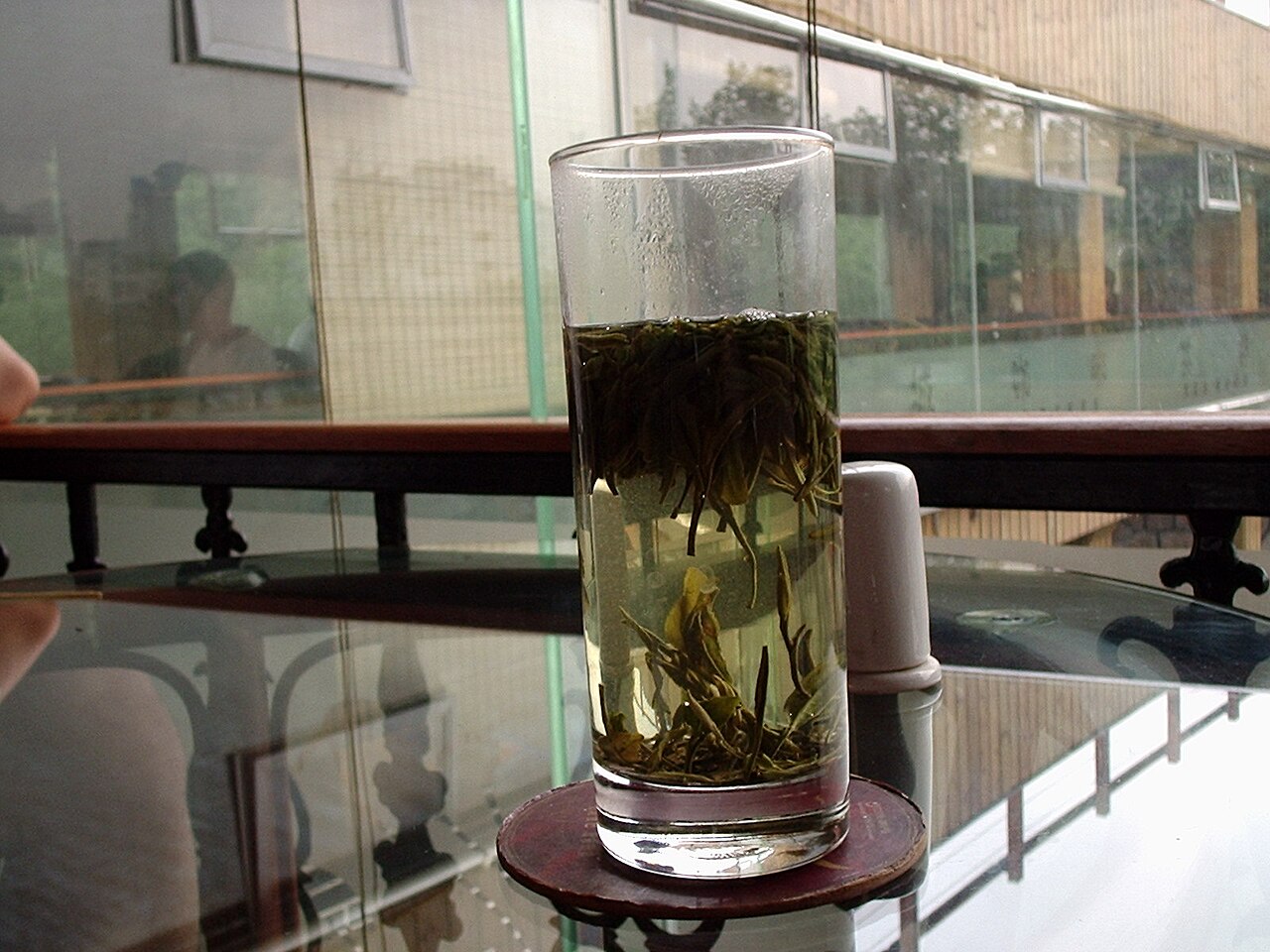
Research card
Topic: tea during preconception and early pregnancy, with the focus put back on folic acid, caffeine, and real-life routine Core question: is tea itself the main concern, or are the higher-priority issues actually folic acid, caffeine load, meal timing, and symptom management? Who this is for: people trying to conceive, newly pregnant readers, those dealing with early-pregnancy nausea, and anyone worried that tea might interfere with folic acid Key takeaway: the hardest edges in guideline-based advice are usually about folic acid and caffeine, not a blanket ban on ordinary tea
1. Put the main priority first: in preconception and early pregnancy, the bigger risk is usually not “having had tea” but not having folic acid in place
This is where online discussion often gets the order wrong. Tea is made into the headline issue, as if the key decision were whether tea is allowed at all. But from public health guidance, the higher-priority issue is much clearer: folic acid supplementation itself. NHS recommends 400 mcg of folic acid daily from before pregnancy until 12 weeks of pregnancy. CDC says all women capable of becoming pregnant should get 400 mcg daily. NIH ODS also makes the point that pregnant women need 600 mcg DFE of folate in total, while women and teen girls who could become pregnant should ensure 400 mcg of folic acid daily from supplements, fortified foods, or both.
The reason this matters so much is timing. Folic acid is not a vague “wellness bonus.” Neural tube defect prevention depends on an early developmental window. CDC states plainly that neural tube defects happen in the first weeks of pregnancy, often before someone even knows they are pregnant. So in practical terms, the first mistake to avoid is usually not “drinking a cup of tea,” but failing to make folic acid supplementation a stable daily habit before pregnancy is confirmed.
This is why “just stop tea when trying to conceive” is not a very satisfying answer. It creates the illusion that avoiding tea means the important work has already been done. In real life, a much more common failure pattern is that someone becomes very serious about food restrictions but never builds consistent folic acid supplementation into daily life—or assumes leafy greens alone are enough, even though NHS explicitly notes that it is difficult to reach the recommended amount for a healthy pregnancy from food alone.
2. What is the more useful way to think about tea and folate? Usually not as a dramatic absorption battle, but as a question of routine and tolerance
When people ask whether tea “affects folate absorption,” they are often combining two different concerns. One is biochemical: does tea cancel out folic acid? The other is practical: does tea make it harder to eat, worsen nausea, delay supplements, or throw off an already fragile early-pregnancy routine? If only one of those worries deserves priority, the second is usually more useful to address first.
That is because the hard-edged, explicitly stated recommendations in public guidance are about folic acid supplementation and caffeine limits—not about ordinary tea being a proven major disruptor of folic acid supplementation. The more realistic risk often appears at the level of day-to-day behavior: strong tea on an empty stomach can worsen nausea for some people; tea can make an already light breakfast even harder to finish; afternoon and evening tea can worsen sleep; and once eating and sleeping drift, supplementation routines often drift too. None of that requires a dramatic “tea steals folate” mechanism to become a real problem.
So the more practical reading is usually this: if you are taking folic acid seriously, making the supplement routine stable matters more than panicking about tea being in the same day or the same room; but if tea is making you nauseated, suppressing appetite, or interfering with when you actually take your supplements, then tea timing and strength deserve adjustment.
3. The clearest hard rule is usually about caffeine, not about the word “tea” itself
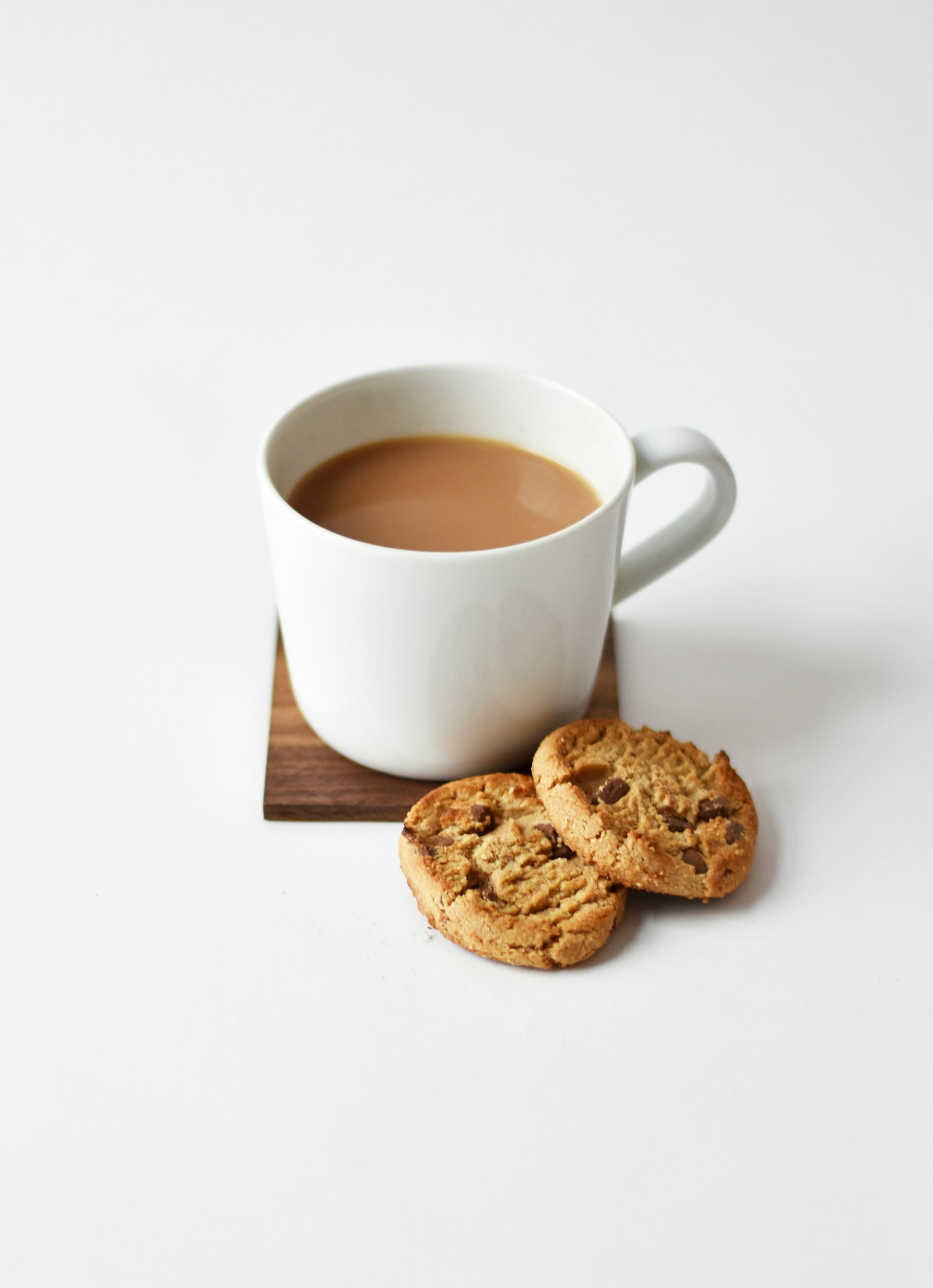
If one tea-related rule in pregnancy guidance is written in especially firm language, it is usually not “avoid tea,” but “keep total caffeine under control.” NHS states that caffeine in pregnancy should stay below 200 mg per day, and that regularly going above this amount raises the risk of complications such as low birth weight and even miscarriage. It also notes that a mug of tea contains around 75 mg of caffeine, and green tea can be similar.
That means “Can I drink tea?” is often too blunt a question. The better question is: how many cups are you drinking, how strong are they, and what else is on the same caffeine ledger that day—coffee, cola, matcha, bottled tea, chocolate, or modern tea drinks? If those questions are ignored, the answer becomes misleading very quickly.
This is also why “tea is gentler than coffee” is not enough. It may be culturally true in tone, but it is not a substitute for keeping a rough caffeine count. In a real-world preconception or pregnancy routine, several cups of tea over the day can easily move someone toward the 200 mg threshold, especially if other sources are added on top.
So the more accurate takeaway is not “tea is naturally safe,” but: tea is one of the day’s caffeine inputs and should be counted that way.
4. Why does strong tea on an empty stomach feel worse for some people? That question is often more useful than asking whether tea is categorically allowed
Early pregnancy is a period when many ordinary habits suddenly feel less ordinary. Nausea, reflux, a hollow stomach feeling, smell sensitivity, and disrupted appetite are already common. In that setting, strong tea, hot tea, or a quick caffeine hit on an empty stomach can make some people feel distinctly worse.
That does not mean tea is inherently dangerous to the pregnancy, and it does not mean tea must be turned into a taboo. It means the body is operating with a lower tolerance margin than usual. In that situation, the most useful move is often a practical one: delay the first tea until after a small meal or snack, reduce strength, reduce cup size, move the last cup earlier, or pause tea for a few weeks if nausea is especially intense.
For preconception and early pregnancy, the more useful question is often: is this tea making me feel more nauseated, making meals harder, or pushing sleep later? If yes, adjusting it is worth doing. If not—and folic acid and caffeine are both being managed well—then moderate tea intake does not automatically need to be treated as a high-risk act.
5. Why are herbal teas a separate caution category? Because the uncertainty there is often greater than with ordinary tea
Many people hear “tea” and think first of green, black, or oolong tea. But in pregnancy, plenty of people switch to herbal tea because it sounds more natural or safer. NHS guidance is actually more cautious here than many readers expect: caffeine content in herbal teas varies widely by brand, some contain none, some may contain more than expected, and some herbs may be potentially risky if consumed in larger amounts during pregnancy, especially in weeks 1 to 12. NHS gives a broad practical rule of no more than 1 to 2 cups of herbal tea per day during pregnancy.
That is worth keeping in view. “Herbal” should not automatically be translated into “better for pregnancy.” Ordinary tea is usually a discussion about caffeine and routine. Herbal tea adds another layer: plant ingredients, formulation differences, and less intuitive safety boundaries. In many cases, the more caution-worthy drink is not an ordinary cup of tea, but something marketed as soothing, natural, floral, or wellness-oriented without much attention to what is actually in it.
So if herbal tea is on the table, the better move is not just trust in the label “herbal,” but checking ingredients, checking caffeine, and avoiding high-frequency, all-day use.
6. The more common real-world mistake is usually not “having some tea,” but using tea to power through poor eating, poor sleep, or poor supplement routines
This is the most practical part of the whole topic. What often makes preconception or early-pregnancy management worse is not one cup of tea by itself, but the role tea begins to play in the routine. Tea can become a way to push through fatigue instead of sleeping; to suppress nausea without actually eating; or to create the feeling that one is making a “light” or “healthy” choice while meals and supplements quietly become less reliable.
But pregnancy nutrition guidance is not built around finding one heroic beverage. It is built around steady nutrition, appropriate supplements, symptom management, and sleep. If tea helps replace higher-sugar drinks, stays within caffeine guidance, and does not interfere with meals or sleep, it may not be a problem. But if tea becomes a tool for overriding appetite, delaying food, or running on stimulation, it becomes a much more meaningful variable.
So the more accurate translation of this whole issue is something like this: preconception and early pregnancy are not a test of whether you can give up every cup of tea; they are a test of whether folic acid, caffeine, eating rhythm, sleep, and symptom management are actually being handled well.
7. So what should an ordinary reader actually do?
First, make folic acid a stable daily habit. If pregnancy is possible or planned, do not wait until pregnancy is confirmed to start taking it.
Second, count tea as part of total caffeine. Do not count only coffee and ignore tea, matcha, bottled tea, or modern tea drinks.
Third, if tea worsens nausea, empty-stomach discomfort, or sleep, change timing and strength first. Tea after food, smaller amounts, weaker brewing, and earlier timing are often more useful than turning the whole issue into a philosophical ban-or-no-ban debate.
Fourth, treat herbal teas with some caution. Check labels, check ingredients, and avoid assuming that “herbal” automatically means pregnancy-friendly.
Fifth, if you are in a higher-risk category, talk to a clinician rather than relying on general online advice. NHS notes that some groups may need higher-dose folic acid, including people with previous neural tube defect-affected pregnancies, diabetes, or certain medications.
8. Conclusion: the real priorities are usually folic acid, caffeine, and a workable routine—not fear-based slogans about tea
If this article needs one firm conclusion, it is this: tea is not automatically forbidden in preconception or early pregnancy, but it is also not a neutral symbol that can be discussed without dose, timing, and bodily context. The higher-priority, better-supported issues in public guidance are usually daily folic acid, total caffeine limits, avoiding strong tea on an empty stomach if it worsens symptoms, and not letting tea displace meals or sleep.
So the mature answer is neither “tea is totally harmless, drink it however you like” nor “trying to conceive means one sip is too much.” The more realistic answer is usually: first hold the hard lines around folic acid and caffeine, then adjust tea amount, strength, and timing based on nausea, stomach comfort, appetite, and sleep. That is far more useful than any dramatic slogan.
Continue reading: “Tea is gentler than coffee” is no longer enough: modern tea drinks, caffeine, and the sleep window, Why does tea on an empty stomach make some people feel nauseated or irritated?, Can you still drink tea while trying to conceive or in early pregnancy? The priorities are usually not ‘zero tea at all costs’ but folic acid, total caffeine, and not letting tea displace meals.
Sources: NHS: Foods to avoid in pregnancy, NHS: Vitamins, minerals and supplements in pregnancy, MedlinePlus: Folic Acid, NIH ODS: Folate Fact Sheet for Consumers, CDC: About Folic Acid.