Research explainer
Can You Still Drink Tea If You Have a Stomach Ulcer? Don’t Turn Tea into the Villain: The Real Priorities Are Usually H. pylori, NSAIDs, Symptom Triggers, and Irritating Drinking Patterns
If this article has one main takeaway, it is this: the most common and better-supported causes of peptic ulcers are usually not “tea” as a label, but Helicobacter pylori infection and long-term NSAID use; that said, tea can still matter in practice, because caffeinated or irritating drinking patterns may make some people with ulcers or upper-abdominal pain feel worse.
“Can I still drink tea if my stomach is bad?” “Do I have to quit tea if I have an ulcer?” “Tea makes my stomach burn — did tea cause the ulcer?” These questions stay confusing because people mix up cause, symptom trigger, and everyday body sensation. At the level of cause, authoritative guidance is quite clear: peptic ulcers, including gastric and duodenal ulcers, are most commonly linked to H. pylori infection and long-term NSAID use. At the level of symptoms, the picture is different: any food or drink that increases stomach irritation, burning, nausea, or reflux-like discomfort may make an existing problem feel worse, and many people then dump the entire story onto tea.
That is exactly why I dislike slogans like “tea causes stomach ulcers.” They sound decisive, but they collapse different layers into one sentence. Feeling worse after tea does not automatically mean tea created the ulcer. In the same way, already having an ulcer does not mean every tea, every strength, every time of day, and every style of drinking must be banned equally. The more reliable way to read the issue is to break it back into the questions clinicians actually care about: has the cause been checked, is acid suppression being treated properly, are NSAIDs still in the picture, are there warning signs, and does tea become a clear trigger in specific real-life situations?
Research snapshot
Topic: stomach ulcers, duodenal ulcers, caffeine, and how to judge tea-related upper abdominal discomfort Core question: is tea actually “causing” ulcers, or is it more often amplifying pain, burning, nausea, or reflux in people who already have a problem? Who this is for: readers repeatedly scared by claims that “tea hurts the stomach” or “ulcer patients must absolutely quit tea,” and who want to know where authoritative public guidance really places the emphasis Most important reminder: separate causes from triggers. The main causes of ulcers are usually H. pylori and NSAIDs; tea is more often a symptom trigger than a proven primary cause
1. Start by asking the question more precisely: a stomach ulcer is not the same as any stomach discomfort
Both MedlinePlus and the NHS describe peptic ulcers clearly: a stomach ulcer or duodenal ulcer is a sore in the lining of the stomach or duodenum. Common symptoms include burning upper-abdominal pain, pain that gets worse between meals or at night, temporary relief after eating or taking antacids, and episodes that can come and go for days or weeks. Some people also have bloating, nausea, reflux, or indigestion. This matters because it reminds us that a stomach ulcer is a specific condition with a real pathological background — not a catch-all name for every unpleasant feeling after tea.
In real life, people say “my stomach hurts” or “tea upsets my stomach” to mean very different things. Some are describing heartburn and reflux. Some are describing nausea or shakiness after strong tea on an empty stomach. Some are describing stress, bad sleep, and a stimulant drink amplifying bodily discomfort. Others may already have warning signs such as black stools, poor appetite, or weight loss, yet still reduce the whole story to “maybe I drank too much tea.” Once everything gets flattened into “tea hurts the stomach,” the question is already distorted.
So the first useful step is not “can ulcer patients drink tea,” but: do I actually have a diagnosed gastric or duodenal ulcer, or am I still talking about upper-abdominal pain, reflux, nausea, or bloating that has not been sorted out yet? If that part is unclear, debates about tea can go badly off course.
2. The most important causal priorities are usually not tea, but H. pylori and NSAIDs
This is the central point, and also the part internet content most often dilutes. MedlinePlus explicitly states that the most common causes of peptic ulcers are H. pylori infection and long-term use of NSAIDs such as aspirin and ibuprofen. The NHS summary is essentially the same: the main causes are H. pylori and regular use of anti-inflammatory painkillers. In other words, if someone is seriously asking what actually caused the ulcer, the higher-priority questions are usually not “did I drink too much tea recently,” but “do I have H. pylori?” and “have I been using ibuprofen, aspirin, diclofenac, or similar drugs regularly?”
This is not about defending tea. It is about restoring the right order of judgment. Many people translate “tea makes me feel worse” into “tea caused the ulcer,” and then into “everyone with stomach problems should quit tea forever.” Each step is too large. Tea may indeed affect discomfort, but current public authoritative guidance does not treat ordinary tea drinking as a leading cause of peptic ulcers. If you are seriously looking for the cause, H. pylori testing, medication review, and proper treatment matter far more than chasing the word “tea.”
That is also why I am skeptical of claims that stomach ulcers are “drunk into existence” by tea. The problem is not just exaggeration. It can push genuinely urgent clinical issues further down the priority list. If someone has real ulcer symptoms but keeps taking stomach-irritating painkillers, or has never been checked for H. pylori, then relying on tea avoidance alone becomes a form of false reassurance.

3. But “not a main cause” does not mean “irrelevant to symptoms” — tea more often acts as a trigger
Getting this part right prevents us from jumping from one extreme to the other. Tea is not one of the most common causes of peptic ulcers. That is straightforward. But for someone who already has an ulcer, upper-abdominal burning, nausea, reflux, or a sensitive stomach, tea can still become a very obvious “this makes me feel worse” factor under certain conditions. MedlinePlus notes that caffeine can increase stomach acid release and sometimes lead to upset stomach or heartburn; it also lists ulcers among the situations in which people should ask a health professional whether they need to limit or avoid caffeine. The NHS self-help advice for stomach ulcers also says to avoid foods and drinks that trigger symptoms, including items such as coffee and chocolate.
The key point here is not one word in a list. It is the logic behind the advice: this is not mainly a discussion of the disease cause, but of what makes an existing condition feel worse today. At that level, tea absolutely belongs on the observation list. Strong tea, fasting, very hot tea, large amounts, and late-day use can all make a sensitive upper GI tract feel more uncomfortable.
So the sensible formulation is not “tea is harmless, drink freely,” and not “anyone with an ulcer must never touch tea.” It is closer to this: tea may not be the thing that created the ulcer, but it can be the thing that turns pain, burning, nausea, or reflux up a notch. That button has a different sensitivity level in different people, so it has to be calibrated against your own symptoms rather than borrowed from a universal internet slogan.
4. What more often creates trouble is not “tea” by itself, but these ways of drinking it
First: strong tea on an empty stomach. This is one of the most classic ways people misread the situation. Even people without an ulcer can get nausea, a hollow or shaky feeling, burning, tightness, or reflux-like discomfort after quickly drinking a large cup of strong tea while fasting. For people who already have ulcers, gastritis, or upper-abdominal pain, this is an especially pointless way to test their tolerance. Many conclude that “all tea is bad for me,” when the real problem may be the combination of fasting, strength, and speed.
Second: very hot tea. Very hot drinks can intensify upper-GI irritation in general. If someone already has burning pain, heat-like discomfort, or reflux symptoms, drinking tea scalding hot obviously makes those sensations harder to ignore. The point is not that heat causes the ulcer. The point is that heat can make an existing problem feel sharper.
Third: using tea to push through fatigue, in large total amounts. MedlinePlus notes that caffeine levels peak about an hour after intake and can continue to affect the body for four to six hours. In real life, many stomach complaints are not caused by one mild cup of tea, but by a whole day of fatigue, anxiety, poor meal timing, and repeated cups used to keep going. In that setting, the real burden is often not “tea culture,” but the overall stimulant load.
Fourth: stacking tea on top of actual ulcer-promoting medication exposure. If someone is already using NSAIDs regularly, already has stomach discomfort, and still relies on strong tea, fasting, and high caffeine to fight fatigue, the situation can become easier to aggravate. That does not suddenly make tea the primary cause, but it can act as a very real “worse than before” amplifier.
I think of these patterns more as symptom amplifiers than disease generators. Once you read the issue that way, judgment gets much clearer. Not all tea is the same, not all times of day are the same, and not all stomach discomfort is the same. The real question is: under what conditions do your pain, burning, nausea, or reflux reliably become worse?
If the answer keeps pointing to fasting, strong brewing, speed, heat, late timing, and large total amounts, that is where your management should start. There is not much value in cycling endlessly through simplistic headlines like “green tea hurts the stomach but black tea nourishes it.” Those headlines do not just oversimplify; they make people think changing the tea name solves the underlying pattern.
5. For people with confirmed ulcers, the most practical move is not taking sides, but doing a short, comparable observation
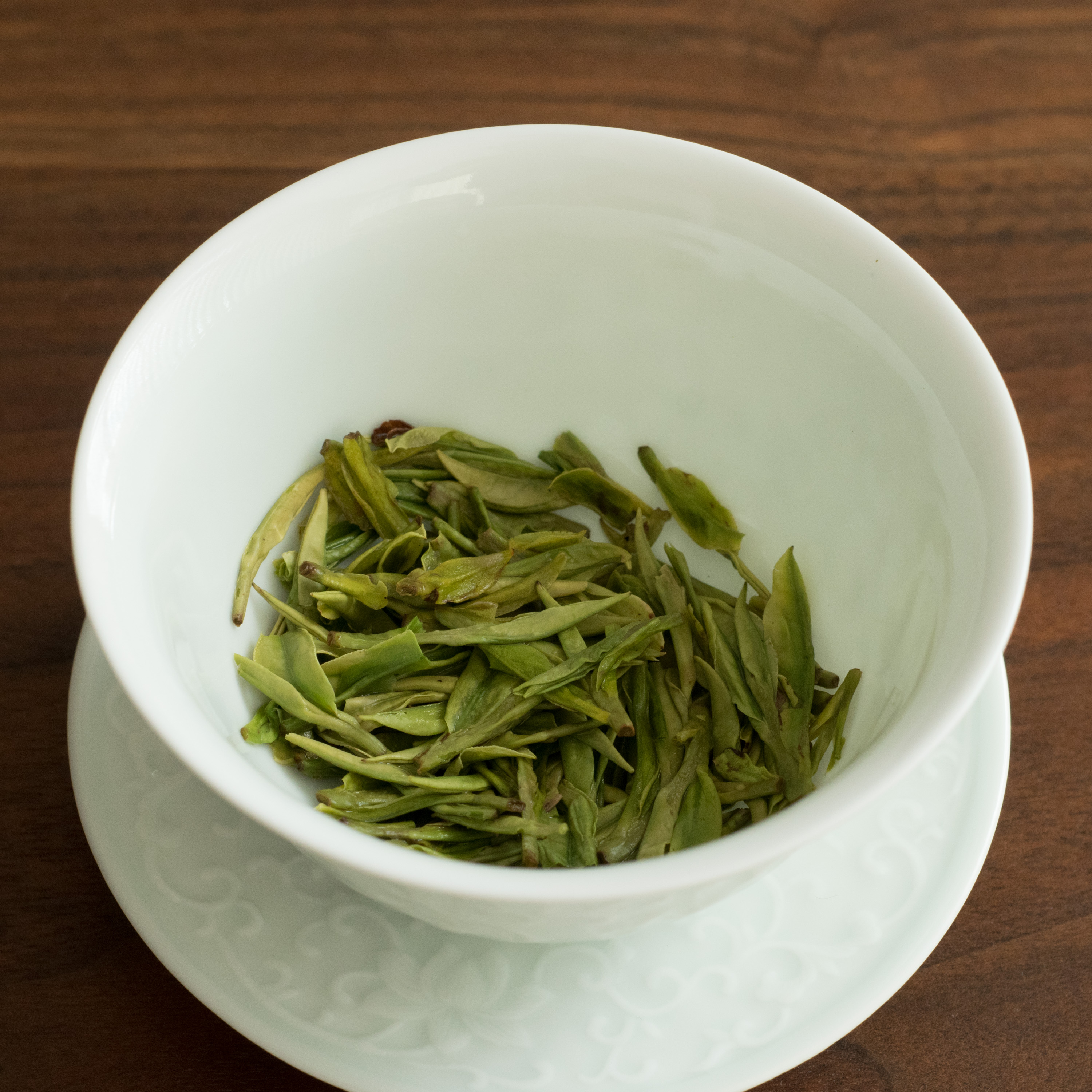
In real life, the most helpful approach is usually not immediately declaring “I’m quitting tea forever,” and not stubbornly insisting that tea cannot possibly matter. A better method is, once the main cause and treatment are already being addressed, to do a short, comparable observation: stop drinking tea on an empty stomach; switch from strong tea to lighter, smaller servings; move your last caffeinated tea earlier; avoid very hot tea; do not keep forcing tea when pain, nausea, or reflux is already obvious; and see whether symptoms become more stable over one or two weeks.
The point of this observation is not to “prove tea guilty.” It is to identify your own trigger threshold. For some people, these changes clearly reduce symptoms, which tells you tea really is a button worth avoiding in everyday life. For others, the real drivers may be NSAIDs, H. pylori, late meals, reflux, alcohol, smoking, chaotic sleep, or stress, and tea was simply remembered as the most visible part of the story.
I would put it this way: tea is not a very good object for identity-style arguments; it is a much better object for symptom calibration. If it reliably hurts, do not fight your body. If it does not reliably create trouble, there is no need to accept a prohibition that is harsher than the evidence.
6. The real priority is warning signs: at that point, stop lingering on “maybe tea irritated me”
Both the NHS and MedlinePlus emphasize warning signs related to stomach ulcers: vomiting blood, vomit that looks like coffee grounds, black or tarry stools, severe ongoing abdominal pain, unintentional weight loss, obvious appetite loss, difficulty swallowing, persistent vomiting, or fatigue suggestive of anemia. Once these appear, the issue is no longer as small as “can I drink tea today?” It becomes a timely medical question.
This matters because many people narrow all of their attention to food and drink restriction lists once symptoms begin, as if giving up tea alone might solve the whole problem. But for true ulcers, the main treatment line is often acid suppression, H. pylori treatment, stopping or adjusting stomach-irritating drugs, and further testing when needed. Tea is, at most, one smaller variable around the edges of the experience. It should not cover up the main track.
Put more bluntly: if you are already dealing with black stools, vomiting blood, dropping weight, struggling to eat, waking with pain at night, or a pattern that keeps getting worse, the least useful thing you can do is keep circling around whether black tea or green tea feels “gentler.” At that point, this is not a content-consumption problem. It is a medical problem.
7. The main takeaway for ordinary readers: deal with the cause first, then manage the triggers; do not make one cup of tea the center of the whole story
My clearest view on this subject is simple: in ulcer discussions, tea does not deserve to be romanticized as a stomach-healing drink, and it does not deserve to be demonized as the villain that caused everything. The strongest public evidence points first to H. pylori and NSAIDs, then to proper treatment and recognition of warning signs. At the level of everyday life, tea more often matters as a possible symptom trigger, especially when caffeine, strength, heat, fasting, and high total intake all stack together.
So the most realistic judgment usually looks like this: if you already have a confirmed stomach ulcer or duodenal ulcer, first hold the line on cause-finding and treatment. Then observe whether strong tea, fasting, very hot tea, late use, fast drinking, or high caffeine reliably trigger your symptoms. If yes, reduce or avoid it for now. If not, do not let one internet slogan about tea “hurting the stomach” become the whole explanation.
Continue with Can tea make acid reflux and heartburn worse? Don’t blame every “stomach problem” on tea, Why do some people get nausea, a hollow feeling, or stomach tightness from tea on an empty stomach?, and Why “drink it piping hot” is worth rethinking: very hot tea, esophageal irritation, and longer-term risk.
Sources: MedlinePlus: Peptic Ulcer, NHS: Stomach ulcer, and MedlinePlus: Caffeine.