Research overview
Does tea raise kidney stone risk? Don’t collapse oxalate, hydration, and personal history into one scary sentence
On the Chinese internet, this argument keeps coming back: “tea contains oxalate, so drinking it will eventually give you stones.” The pushback is usually just as blunt: “tea is mostly water, so of course it helps.” Both positions catch part of reality, but both are too fast. A more research-minded reading separates oxalate, total fluid intake, dietary calcium, sodium, animal protein, strong-brew habits, and prior stone history. What usually deserves caution is not “tea” in isolation, but the habit of compressing a complicated stone-risk question into one emotional sentence.
This topic resurfaces so easily because it triggers two modern anxieties at once. The first is the anxiety that even “natural” things may have boundaries. Many consumers now ask whether unsweetened tea, real tea bases, and fresh extraction also carry variables that should not be treated as endlessly safe at high frequency. The second anxiety is more physical: kidney stones are not an abstract wellness concept. They are tied to pain, recurrence, and real dietary restrictions. Once the word oxalate appears, many people quickly bind together tea, spinach, nuts, and stones into one fear cluster.
The problem is that research does not ask a simple “is oxalate scary?” question, and it certainly does not ask whether all tea is automatically safe. A better question is: are we talking about ordinary daily tea drinking, or long-term heavy strong-brew use? Are we talking about a generally healthy person, or someone with a history of calcium oxalate stones? Is overall fluid intake high enough? Is dietary calcium adequate? Is sodium high? Without that kind of layering, the tea judgment will almost always go wrong.
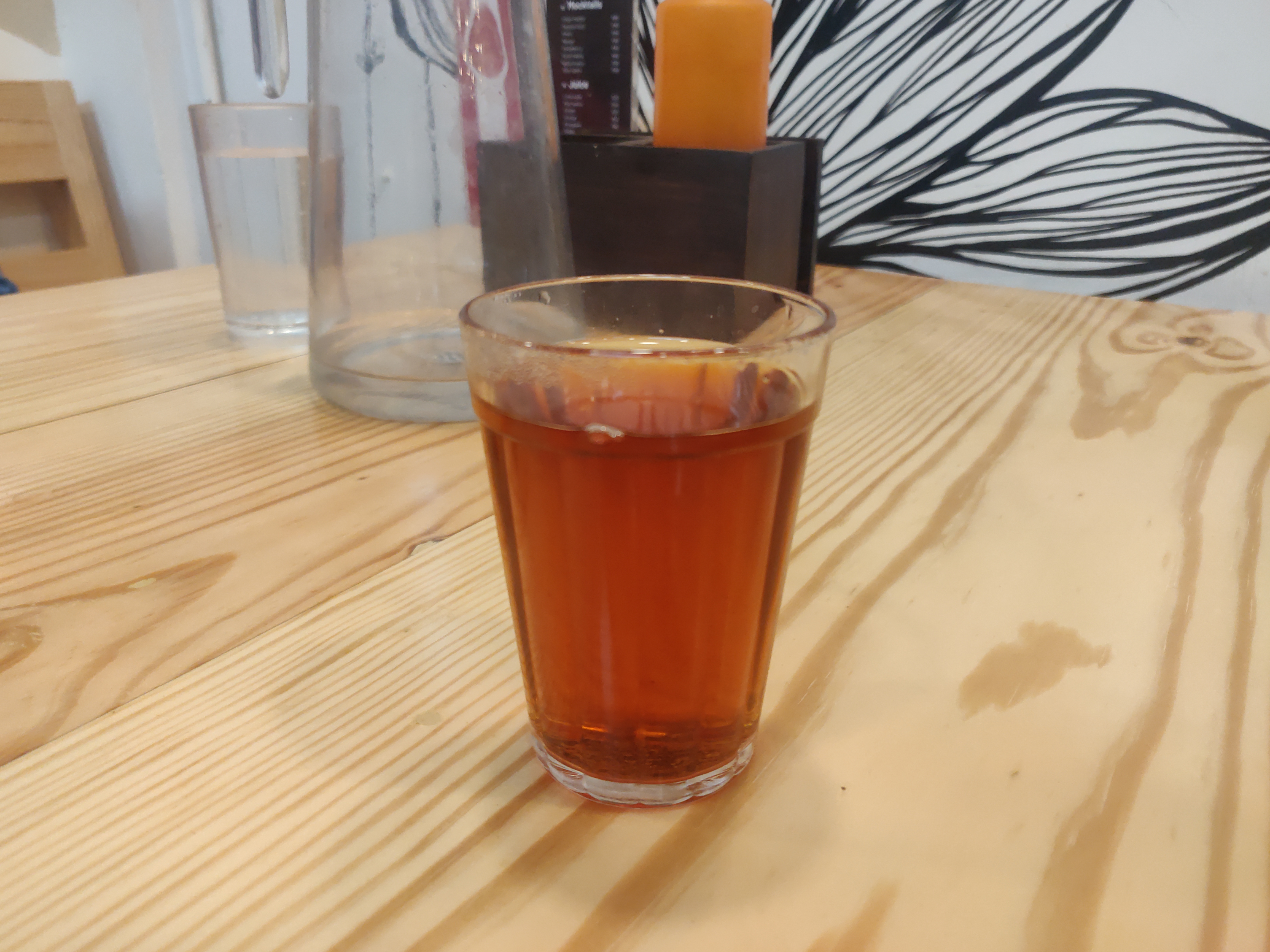
Research card
Topic: tea, oxalate, fluid intake, and kidney stone risk Key issues: calcium oxalate stones, strong tea, total fluid intake, dietary calcium, sodium, animal protein, prior stone history Best for: readers who drink strong tea often, worry about kidney stones, have a history of stones, or keep seeing simplified online claims about tea and stones Core reminder: this is not a yes-or-no tea question. It is a classic problem of total exposure and personal background.
1. Why does “does tea cause stones?” get pushed to extremes so easily?
Because it is easy to compress into a short line. If you isolate the word oxalate, tea can be framed as a risk source. If you isolate the fact that tea is also a fluid, it can be framed as protective. Social media likes both versions: one creates alarm, the other creates a satisfying rebuttal. Research and clinical nutrition thinking dislike both, because both let a single variable steal the whole conclusion.
Especially in Chinese-language online discourse, many people understand stones through a few powerful trigger words: oxalate, calcium, pain, recurrence. So once they hear that tea also contains oxalate, the mind quickly fills in the rest: perhaps tea itself pushes stone risk upward. But calcium oxalate stone risk has never been a one-food trigger model. It is much closer to a multi-factor outcome shaped by total fluid intake, urine concentration, sodium, animal protein, dietary calcium, metabolism, and stone history.
That is why the useful question is not “is tea safe or dangerous,” but: for what kind of person, under what kind of drinking pattern, and within what kind of overall diet does tea become a variable worth extra attention?
2. The first thing to make clear: oxalate matters, but it is never the only main character
Anyone who has looked at kidney stone prevention knows that calcium oxalate stones are common. That is exactly why oxalate carries such a strong risk aura in public discussion. NIDDK guidance on kidney stones does indeed say that people with calcium oxalate stones may need to pay attention to oxalate-rich foods. But “pay attention” is not the same as “avoid every oxalate-containing item in a blunt, universal way.”
Clinical nutrition thinking cares far more about the context in which oxalate is consumed. One of the most important and most misunderstood points is that adequate dietary calcium is not the enemy of stone prevention. In appropriate amounts, calcium can bind with some oxalate in the digestive tract and help reduce oxalate reaching the urine. That is why serious guidance does not usually say “cut calcium because the stone contains calcium.” In fact, for many people that would be the wrong interpretation.
In other words, oxalate is most misleading when discussed alone. The meaning of one cup of tea is not the same as the meaning of a whole lifestyle built around high sodium, high animal protein, low fluid intake, and inadequate calcium. Oxalate is a real variable, but it is not a magic button that produces a complete risk story by itself.
3. Can tea simply be treated like any other “high-oxalate food”? Not really—especially if you skip drinking pattern and dose
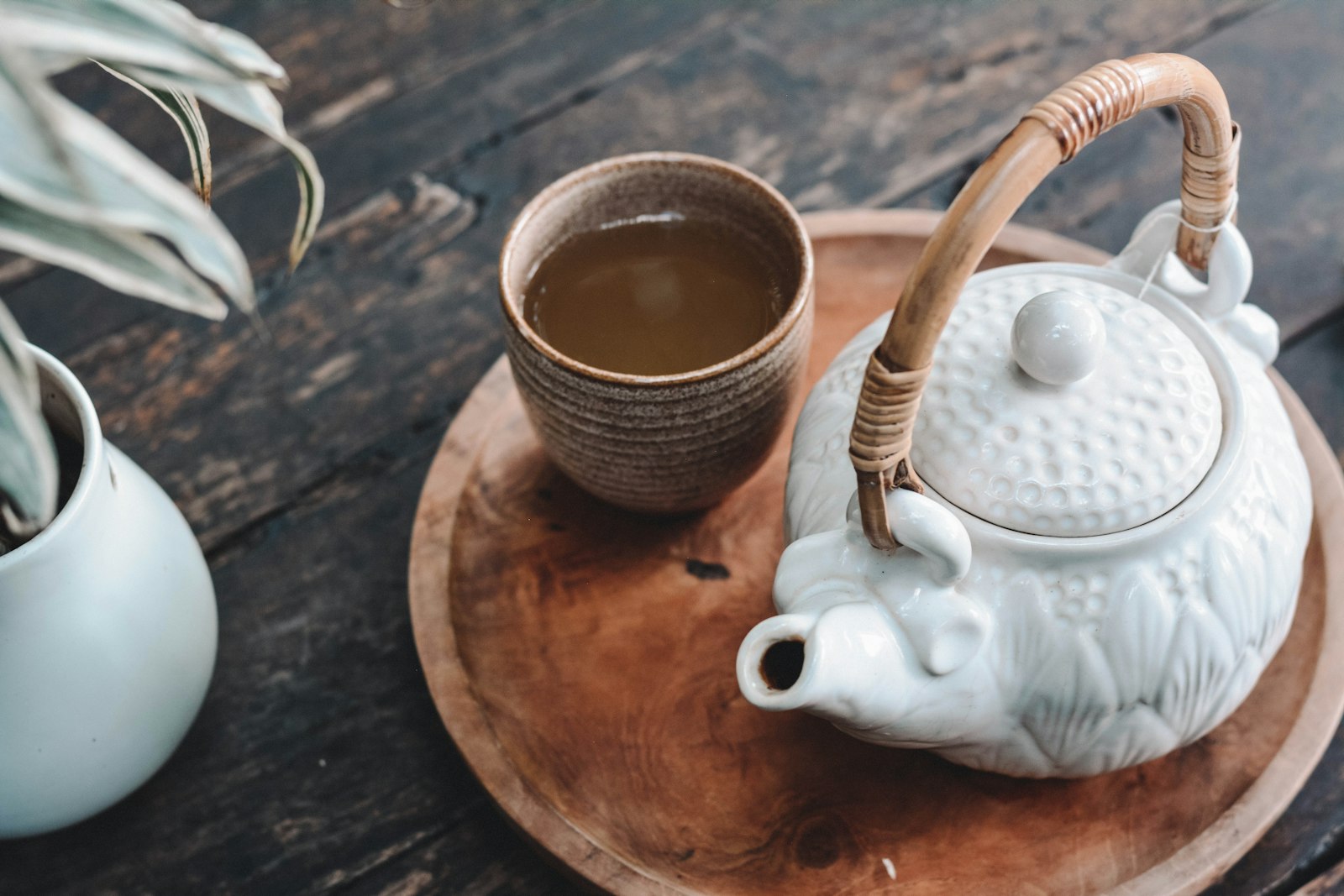
A common public-discourse shortcut is to hear “tea contains oxalate” and immediately treat tea as if it were identical to spinach or certain nut-heavy foods in stone logic. That leap is too large. First, tea is consumed as a drink rather than as a dense solid food source. Second, tea is tied to fluid intake, urine dilution, and total drinking volume. That means tea can sit on both sides of the discussion at once: it may contribute some oxalate exposure, but it also contributes fluid. This is exactly why the question resists slogans.
In real life, the factor that often changes the judgment is not whether someone drinks tea at all, but how they drink it. Long-term heavy strong-brewing, office-style all-day steeping, tea bags left in too long, repeated refills for stimulation, or using very concentrated unsweetened tea as a near-water substitute are more relevant risk contexts than ordinary daily tea drinking. Once extraction becomes stronger, frequency becomes higher, and total volume becomes larger, the naturally present components of tea all become more worth discussing.
On the other hand, for a generally healthy adult who drinks tea at ordinary strength, eats reasonably well, and maintains adequate overall fluid intake, current public-health style guidance does not support describing ordinary tea drinking itself as a universal stone-producing behavior. What deserves attention is usually not “tea,” but overuse patterns—especially in people who already have recurrence risk.
4. In stone prevention, total fluid intake is often more important than arguing over one beverage category
One of the central messages repeated in NIDDK guidance is very plain: drinking enough liquid, especially water, is one of the most important things you can do to help prevent stones. That matters because stone risk is tightly connected to urine concentration. More concentrated urine can make stone-forming substances more likely to reach problematic levels.
This is also why “tea contains oxalate, therefore tea must increase stone risk” is often incomplete. It skips a practical reality: if tea increases someone’s total fluid intake, especially compared with a habit of simply not drinking enough, then that fluid contribution cannot be erased from the conversation. Tea is not plain water—but neither is it meaningless as a liquid source just because it is not plain water.
A better sentence would be this: the type of beverage matters, but in stone prevention, getting total fluid intake high enough often comes before turning every individual drink into an absolute category. If someone is underhydrated overall, obsessing over tea alone may be a poor use of attention.
5. So who actually should be more cautious?
Not everyone needs the same level of caution. The first group that deserves more attention is people who have already had calcium oxalate stones and face recurrence risk. They need more specific diet and fluid management than a one-line internet answer can give. The second group is people who drink large amounts of strong tea over long periods, especially those who use tea almost like water all day. The third group is people whose overall dietary pattern already leans in the wrong direction: high sodium, high animal protein, inadequate calcium, and too little total fluid, while all attention gets misdirected onto tea alone.
People with kidney-related conditions or other situations requiring closer mineral and metabolic management may also need a more individual, conservative reading. In those contexts, the question is not merely whether tea is allowed, but whether the overall intake pattern still makes sense.
By contrast, if you do not have a stone history, are not a heavy strong-brew drinker, and keep a fairly balanced diet with decent fluid intake, existing evidence does not support treating ordinary tea drinking as a universally high-risk behavior. What matters is not panic, but knowing when to upgrade caution.
6. Why “lower oxalate” cannot be discussed separately from calcium, sodium, and protein
Because stone prevention is a structure problem. NIDDK guidance does not only talk about oxalate. It also talks repeatedly about sodium and animal protein. That is because stone risk is not created by one nutrient acting alone. High sodium, high animal protein, and inadequate fluid intake all push the body toward a more stone-friendly environment. If someone focuses only on whether tea is allowed, they may be using a very small question to avoid the bigger dietary one.
Dietary calcium is also constantly misunderstood. Many people hear “calcium stone” and instinctively want less calcium. But for calcium oxalate stone prevention, appropriate dietary calcium is often part of the protective structure, because it can help reduce oxalate absorption. So if someone drinks too little, eats a salty high-protein diet, avoids adequate calcium, and then blames risk mainly on tea, the attention is probably misallocated.
This is one of the biggest differences between research-guided writing and online simplification. Social media wants a culprit. Stone prevention usually requires looking at an environment. Tea may be one variable inside that environment, but it is usually not the only or even the largest one.
7. If we bring this back to life, the most useful takeaways are really just four things
First, do not translate “tea contains oxalate” directly into “tea should be cut out completely.” The problem with that sentence is not only that it is too strong. It is that it narrows the issue too aggressively. What actually needs judgment is dose, drinking pattern, and whether you belong to a higher-risk group.
Second, do not treat tea as identical to water—but do not erase its meaning as fluid intake either. For stone prevention, total fluid intake matters enormously. Tea is not plain water, but it does not lose all liquid value merely because it also contains oxalate and caffeine. The question is what role it plays in your day.
Third, if you have a calcium oxalate stone history, do not fixate on tea alone. Look at calcium, sodium, animal protein, and total fluid together. Stone prevention is a systems problem. Focusing on the word tea alone often misses the larger issue.
Fourth, the combination that deserves the most caution is strong brewing + high frequency + long duration + prior stone history. More often than not, what deserves adjustment is not an occasional ordinary cup, but a pattern in which strong tea becomes an all-day primary drink inside an already vulnerable background.
8. Conclusion: for most people, the real issue is not “can tea be consumed,” but “have you reduced a complex problem to one simple line?”
If this page had to be compressed into one sentence, it would be this: the relationship between tea and kidney stone risk is not as simple as “it contains oxalate, so it is dangerous,” and it is also not as simple as “it is a liquid, so it is harmless.” The interpretation that comes closer to research and formal diet guidance allows two things to be true at once: tea may contribute some oxalate exposure, and in many real lives, total fluid intake, overall diet structure, and actual stone history matter more than the isolated fact of tea itself.
So for generally healthy adults, ordinary tea drinking should not be demonized into a universal stone risk. But for people with calcium oxalate stone history, long-term heavy strong-brew habits, or an overall dietary pattern already working against prevention, “tea is healthy anyway” should not function as an automatic exemption. What tea really forces us to face is not a yes-or-no verdict, but a broader question: are you willing to place your daily drink back inside total exposure, total fluid intake, and your real medical background?
Continue with Where fluoride in tea comes from, and who should pay closer attention, Why “tea drinks don’t hydrate like water” is also too simple, and Do real-leaf brewing, low sugar, and short ingredient lists automatically mean a healthier tea drink?.
Source references: NIDDK: Eating, Diet, & Nutrition for Kidney Stones, NIH ODS: Calcium Fact Sheet for Health Professionals.