Research explainer
Does tea affect iron absorption? The real issue usually isn’t “never drink tea,” but putting tea next to the wrong meal
“Can tea cause iron deficiency?” is often pushed into two opposite extremes. One version treats tea as if it were quietly stealing nutrients from anyone who drinks it every day. The other shrugs the whole thing off, arguing that tea is traditional, plant-based, and consumed in ordinary amounts, so it is not worth discussing. The answer that better matches nutrition science is more restrained than either side: tea really can reduce the absorption of some iron, but the main issue is non-heme iron—the kind found in plant foods and fortified foods. That does not mean everyone who drinks tea becomes iron deficient, and it does not mean tea and iron can never appear on the same day.
What actually matters is diet structure and timing. Does most of your iron come from red meat, seafood, and other animal foods, or mostly from beans, grains, leafy greens, and fortified cereals? Do you already have heavier menstrual losses, pregnancy-related needs, a mostly plant-based diet, or a known low ferritin or iron-deficiency risk? Do you drink tea between meals, or do you repeatedly place it right beside the meal that depends most on plant-based iron? Those questions matter more than the abstract question of whether tea is “allowed.”
So this article is not trying to turn tea into a nutritional villain. It is trying to put the evidence back into ordinary life: why tea more easily affects non-heme iron; why vitamin C, meat at the same meal, and overall diet pattern can change the outcome; and why, for most people, the more realistic advice is not “quit tea,” but stop putting tea right beside the meal where you most need that iron absorption to work well.
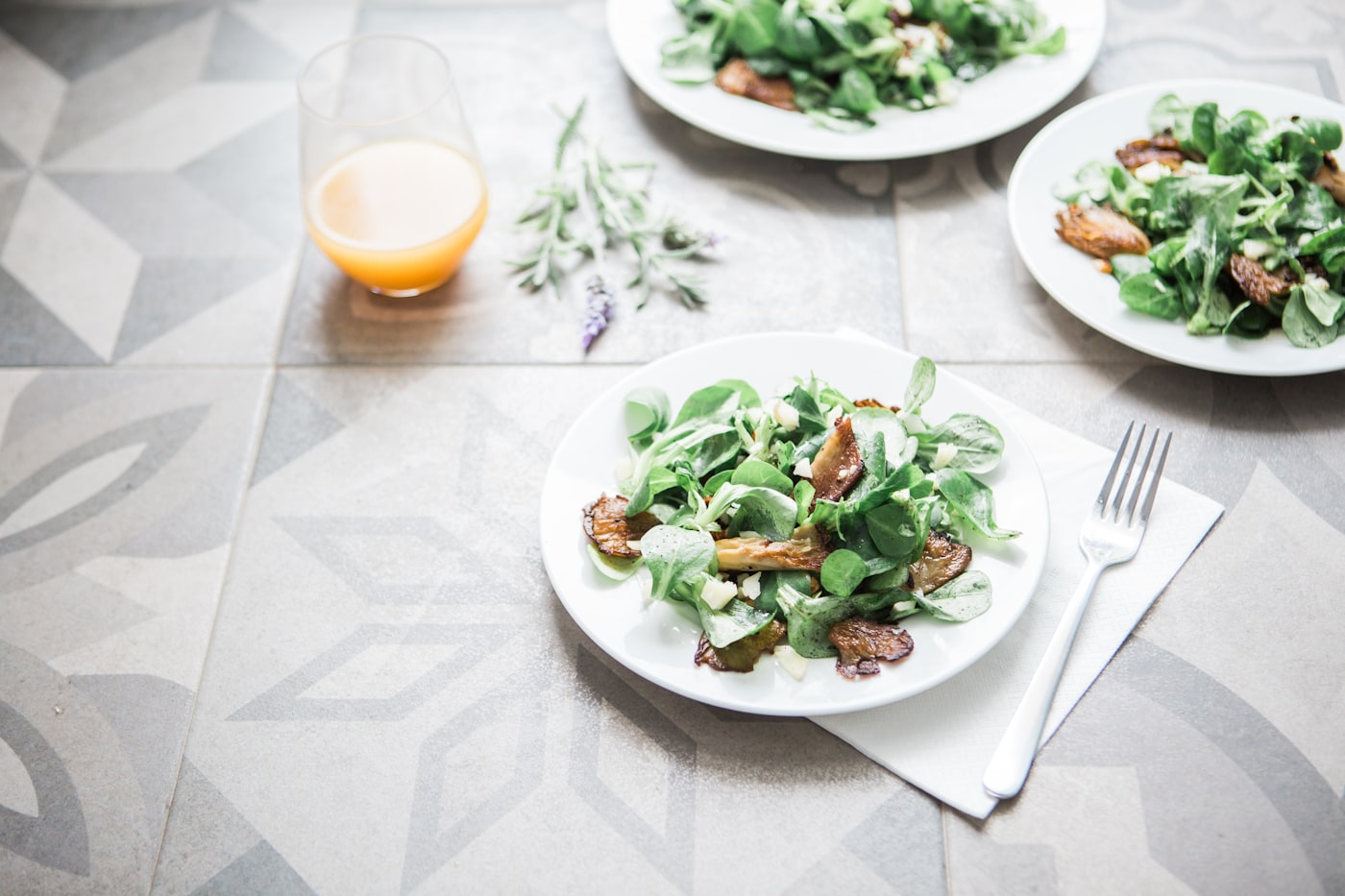
Research snapshot
Topic: the real relationship between tea, polyphenols/tannins, and dietary iron absorption Core question: does tea affect iron absorption, how much does it matter, and who actually needs to pay attention? Who this is for: people who drink tea regularly, follow more plant-based diets, have heavier menstrual losses, are pregnant, or already know they may have low iron stores Core reminder: tea is more likely to interfere with non-heme iron absorption; the practical risk is usually not “tea is forbidden,” but “higher-risk people should stop putting tea beside the meal where iron absorption matters most”
1. The first distinction matters most: iron is not just one thing, and tea does not affect every kind of iron equally
The most important nutritional step—and the one public discussion skips most often—is separating iron into two broad forms: heme iron and non-heme iron. Heme iron comes mainly from meat, poultry, and seafood. It is generally better absorbed and less vulnerable to interference from other meal components. Non-heme iron comes mainly from plant foods and fortified foods, such as beans, whole grains, nuts, leafy greens, and fortified breakfast cereals. Its absorption is much more sensitive to what else is present in the same meal. The NIH professional and consumer iron fact sheets emphasize exactly this: iron from animal foods is usually more bioavailable, while non-heme iron is more easily pushed up or down by enhancers and inhibitors such as vitamin C, meat, phytates, and polyphenols.
That is where tea enters the picture. Tea is often discussed because its polyphenols and tannin-like compounds are more likely to interfere with the absorption of non-heme iron. In other words, the conflict is not really a vague “tea versus iron” battle. It is more accurately “tea is more likely to drag down the absorption step for plant-based iron.” If that point is not made first, almost everything else gets distorted.
This also explains why many people can drink tea for years without any obvious iron problem, while others who depend more heavily on plant-based iron need to be more careful. Not everyone is standing in the same nutritional position. The practical question is what kind of iron your diet relies on and how sensitive your body currently is to lower iron availability.
2. Why do public-health and nutrition sources warn about tea and iron? Because they are describing mechanism and higher-risk scenarios—not telling everyone to panic
If you look at mainstream public nutrition sources, the message is not mysterious. Harvard T.H. Chan School of Public Health explicitly notes that tannins and related plant compounds can inhibit non-heme iron absorption. NIH materials also state that certain polyphenols in nonanimal foods can reduce the bioavailability of non-heme iron. NHS iron and iron-deficiency materials do not make tea the sole protagonist, but they keep the focus where it belongs: who is at higher risk of iron deficiency, which foods supply iron, and how diet patterns can either protect or undermine iron status.
The main mistake is translating those materials into “tea is dangerous” or “tea causes anemia in everyone.” The actual tone is more careful: when someone depends more heavily on iron, has more fragile iron stores, or relies strongly on non-heme iron, a polyphenol-rich drink like tea deserves more deliberate timing. That is nutritional boundary-setting, not drama.
Put differently, public guidance is not trying to demonize tea. It is trying to stop people from using “but it’s a natural traditional drink” as a shortcut around dietary detail. Especially in higher-risk groups, timing and meal composition matter more than whether the beverage sounds culturally wholesome.
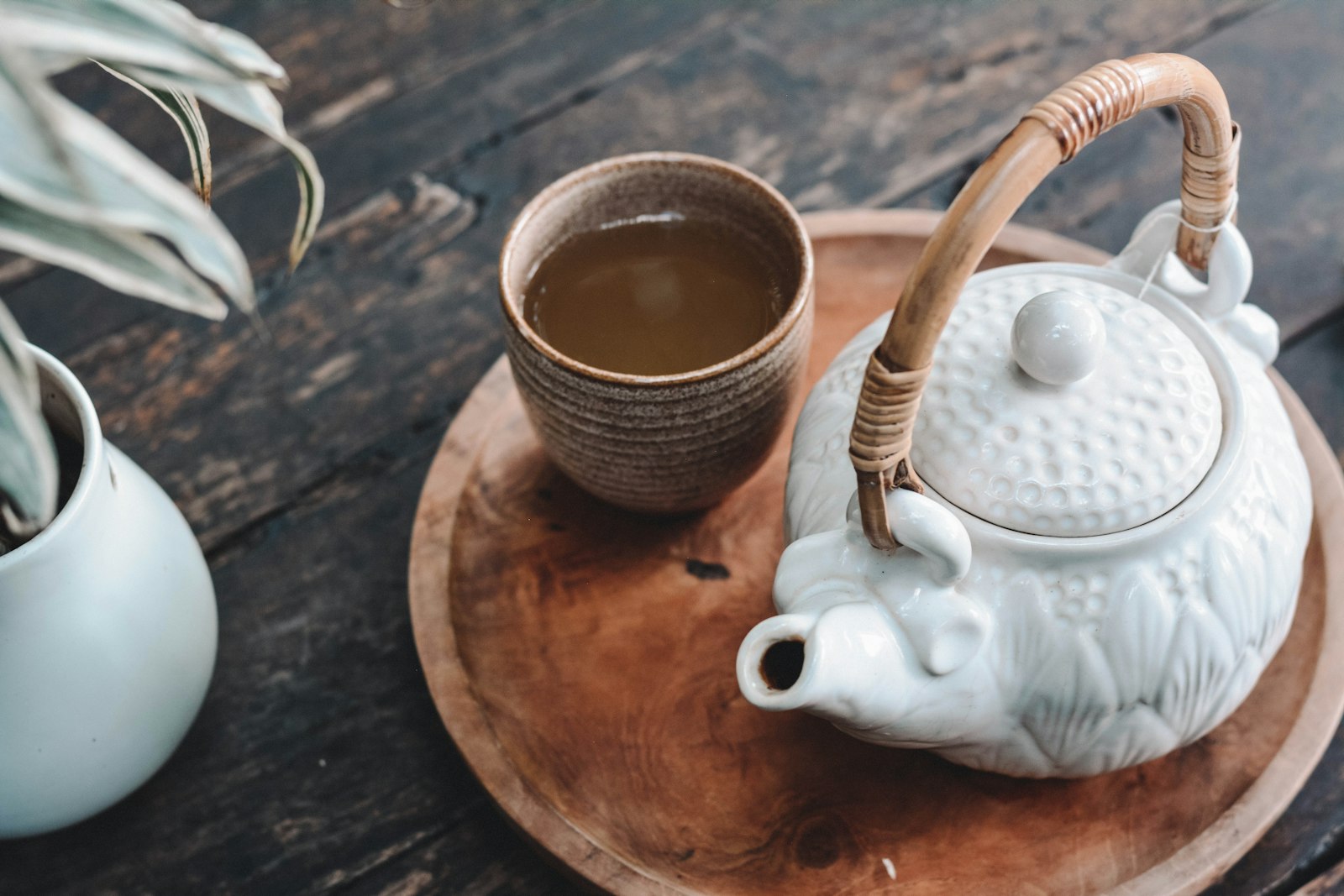
3. Who is more likely to be affected? Not every tea drinker, but the people who were already closer to the edge
From a risk perspective, the people most worth warning first are not “all tea lovers,” but those already more likely to run low on iron. NIH and NHS materials repeatedly mention familiar higher-risk groups: menstruating women with heavier losses, pregnant women, infants and young children, some adolescents, frequent blood donors, people with certain gastrointestinal absorption problems, and people whose diets are more plant-based and lower in animal foods. In these groups, iron stores may already be less forgiving, and dietary iron is more likely to depend on non-heme sources, so tea’s inhibitory effect becomes more relevant.
This is why the same sentence—“tea affects iron absorption”—has very different real-world meanings depending on the person. Someone who eats meat, seafood, eggs, gets decent vitamin C, and has no anemia history is not in the same situation as someone who eats mostly plant-based meals, has heavier menstrual losses, and gets breakfast iron from fortified cereals and legumes while drinking strong tea with meals. The first person may notice little practical consequence. The second person is much more worth adjusting.
That is why one-size-fits-all advice is so unsatisfying. One version says tea makes everyone iron deficient. The other says nobody needs to care. The more honest answer is that tea is often not a universal disaster, but in nutritionally vulnerable people it can become one more unnecessary disadvantage. When someone is already close to the edge of iron insufficiency, repeatedly adding tea to the meal that relies most on non-heme iron is simply not a very good trade.
4. So why do many tea drinkers never seem to develop obvious problems? Because long-term iron status is shaped by the whole diet, not one mechanism sentence
“Tea can affect iron absorption” is true. But “therefore tea drinkers generally become iron deficient” does not automatically follow. There is an entire layer of real-life eating in between. Harvard and NIH both emphasize that vitamin C enhances non-heme iron absorption, and meat, poultry, and seafood can improve the use of that iron as well. At the same time, phytates, polyphenols, and some calcium supplements can inhibit it. In other words, what happens in a meal is never a one-variable duel. It is a whole pattern of enhancers and inhibitors acting at once.
That is why “tea contains tannins” cannot predict everyone’s outcome by itself. Some people drink tea but also eat enough total iron, include animal foods, and regularly consume vitamin-C-rich fruits and vegetables. In that situation, tea may not drag their overall iron status down in any dramatic way. By contrast, if someone has a narrow diet, depends mainly on plant-based iron, has weaker fruit-and-vegetable pairing, and keeps tying tea tightly to meals, then tea is more likely to push an already marginal absorption pattern in the wrong direction.
This is the tone public guidance should preserve: tea’s inhibitory effect is real, but its long-term effect on iron status depends on what you eat across the day, the week, and the long term—not on the mere existence of one cup of tea. Nutrition is never finished at the phrase “it has an effect.” The real conclusion always has to return to the overall pattern.
Put differently, the least useful thing is not drinking tea. It is putting all your confidence in one oversimplified mechanism story. Some people assume vitamin C is high enough that tea no longer matters. Others assume one cup of tea destroys all the iron in a meal. Both are too absolute. Real life is more like a combined equation: the type of iron, total intake, whether vitamin C is present, whether meat is present, whether strong tea is a routine meal companion, and whether the person already has higher iron risk all shape the final outcome.
So the evidence does not support extreme judgments. It supports a more ordinary kind of dietary management: if you are in a higher-risk group, do not keep inserting a known inhibitor into the meal where absorption matters most.
5. The most useful advice is usually not to quit tea, but to move it away from the key meal
This is where the topic becomes actually useful. For most regular tea drinkers, mainstream nutrition sources do not require deleting tea from life. The more realistic move is usually this: if you already have higher iron risk, or you have been told that ferritin is low, iron deficiency is present, or pregnancy increases your need, then stop making tea—especially strong tea—the default drink right beside the meal that depends most on plant-based iron. Moving tea to between meals or later after eating is usually far more practical than turning the issue into a lifelong prohibition.
This advice works better than many online nutrition “rules” because it respects how people actually live. Tea is habit, taste, pace, and social routine. Most people are not going to erase it because of one warning. So instead of giving impossible commands, the better message is to make the one important step clear: if you want to protect the absorption efficiency of a meal built mostly on non-heme iron, do not glue tea to that meal.
And if you are not in a higher-risk group and your overall diet is solid, this issue does not need to be turned into a source of anxiety. It is better understood as a manageable detail than a destiny sentence about tea drinkers becoming iron deficient.
6. Why do red meat, vitamin C, and fortified foods keep appearing in the same discussion? Because they change how much tea’s effect can be buffered
If all you remember is “tea inhibits iron absorption,” it is easy to imagine diet too mechanically. In reality, NIH and Harvard both emphasize several important buffering factors. First, heme iron is already better absorbed and less easily shifted by meal components, so if a person gets much of their iron from meat, seafood, and poultry, tea’s effect on total iron status may be less dramatic than it is in someone relying on plant-based iron. Second, vitamin C enhances non-heme iron absorption, so fruit and vegetable pairing matters. Third, fortified cereals and other fortified foods can provide iron, but that iron still usually behaves more like non-heme iron and is therefore more vulnerable to inhibition.
Put together, this explains why dietary advice often says that people eating more plant-based diets or people already at higher iron risk should be especially careful about separating tea from meals. It is not because tea has suddenly become taboo. It is because their iron-source structure makes every bit of absorption efficiency more valuable. In plain language: if your iron margin is already narrow, there is no reason to keep adding a known obstacle.
But the opposite mistake is to romanticize the workaround and say that one orange or one vitamin-C-rich bite makes tea irrelevant. Nutrition is not magic cancellation. Vitamin C and animal foods can improve non-heme iron absorption, yes—but that does not mean higher-risk groups can ignore a long-term pattern of strong tea with meals. The evidence supports careful behavioral adjustment, not a comforting excuse to change nothing.
7. Conclusion: do not write tea up as iron’s natural enemy, but do not trivialize timing either; the real priority is meal timing in higher-risk people
If this article had to be reduced to one sentence, it would be this: tea really is more likely to inhibit non-heme iron absorption, but the people who most need that warning are usually not “everyone” but higher-risk individuals who rely heavily on plant-based iron and keep placing tea beside the key meal.
There are two easy ways to get this topic wrong. One is to turn tea into a natural nutrition saboteur. The other is to admit the mechanism exists but pretend it never matters in real life. The more responsible position sits between those extremes. Tea is not everyone’s problem, but it is not a detail that deserves automatic exemption in every context either. Especially for people with heavier menstrual losses, pregnancy, more plant-based diets, known low ferritin, or higher anemia risk, moving tea a little farther away from the meal that depends most on non-heme iron is often the most realistic and most worthwhile change.
For most readers, this is not a dramatic health slogan. It is a simple nutritional ranking: if you really care about iron, first ask what kind of iron you are eating, whether you are in a higher-risk group, and whether tea keeps getting tied to the key meal—instead of asking only whether tea is “allowed.”
Research limits
- Public nutrition sources are strongest on mechanism and dietary principles, not on giving one exact long-term risk number for every real-world tea-drinking pattern. - Tea’s effect is mainly discussed in relation to non-heme iron; different tea types, strengths, amounts, meal compositions, and baseline iron status can change the practical outcome substantially. - “A change in absorption at one meal” and “certain long-term iron deficiency or anemia” are not the same level of conclusion. Total intake, menstruation, pregnancy, gastrointestinal absorption, and chronic blood loss all sit in between. - So the safest conclusion remains timing management and targeted caution for higher-risk groups, not an absolute prohibition for everyone.
What this means for ordinary readers
If you want one practical sentence, it is this: you can keep drinking tea, but if you are already prone to low iron, stop pairing strong tea with the meal that relies most on beans, grains, leafy greens, and fortified foods for iron. For most people, that is a manageable adjustment. For higher-risk groups, it is often more useful than many exaggerated “iron-boosting secrets” online.
Continue with Tea drinks and hydration: why “they don’t count like water” is too simple, Do real tea extraction, lower sugar, and short ingredient lists automatically make a tea drink healthier?, and When drinking tea, is the real risk sugar, caffeine, or temperature itself?.
Source references: NIH ODS: Iron - Health Professional Fact Sheet, NIH ODS: Iron - Consumer, Harvard T.H. Chan School of Public Health: Iron, NHS: Vitamins and minerals - Iron, NHS inform: Iron deficiency anaemia.