Research overview
Green tea extract, EGCG, and liver injury risk: why “tea is healthy” cannot simply be translated into “high-dose extracts are safe”
In tea-and-health communication, one of the easiest conceptual mistakes is not saying something completely false about tea, but quietly treating ordinary tea drinking, concentrated extracts, high-dose supplements, and certain weight-loss products as if they were all the same thing. Once the discussion turns to green tea extract (GTE) and EGCG, many people instinctively assume that if tea itself is often described as beneficial, then purifying it, concentrating it, and turning it into capsules should simply make the “good thing” more efficient. Current safety information points in a more complicated direction. Green tea as a beverage and high-dose green tea extract supplements cannot be assumed to share the same risk profile or the same logic of use.
That is why the topic of green tea extract and liver injury deserves its own article. The point is not to create a dramatic reversal narrative in which tea suddenly becomes “toxic.” The point is to separate a health story that is often told too smoothly: the evidence around daily tea drinking, the market logic of supplements, the role of concentrated ingredients in weight-loss products, the liver injury signals seen in case reports, and the role of individual susceptibility. Only after those layers are separated can readers understand why public health and medical sources can simultaneously acknowledge that tea as a beverage is widely consumed and generally safe, while also warning clearly about high-dose extract supplements and the uncommon but real liver injury cases linked to them.
The core conclusion here is simple: tea and high-dose green tea extract cannot be treated as equally safe merely because they come from the same plant source. They differ in dose, exposure pattern, use context, product regulation, purpose, and risk boundary.
Research card
Topic: green tea extract, EGCG, and the boundary of liver injury risk Core question: why can the healthy image of tea drinking not be extended automatically to high-dose green tea extract supplements? Evidence structure: the safety picture for ordinary tea drinking is relatively stable; extract products carry case reports, clinical monitoring signals, and regulatory cautions Most important reminder: the main concern is usually not “drinking tea,” but “high-dose concentrated extracts, fasting use, weight-loss positioning, and long-term use without a clear sense of total exposure”
1. Why is this topic so easy to misread? Because the word “tea” makes different exposure patterns sound like one thing
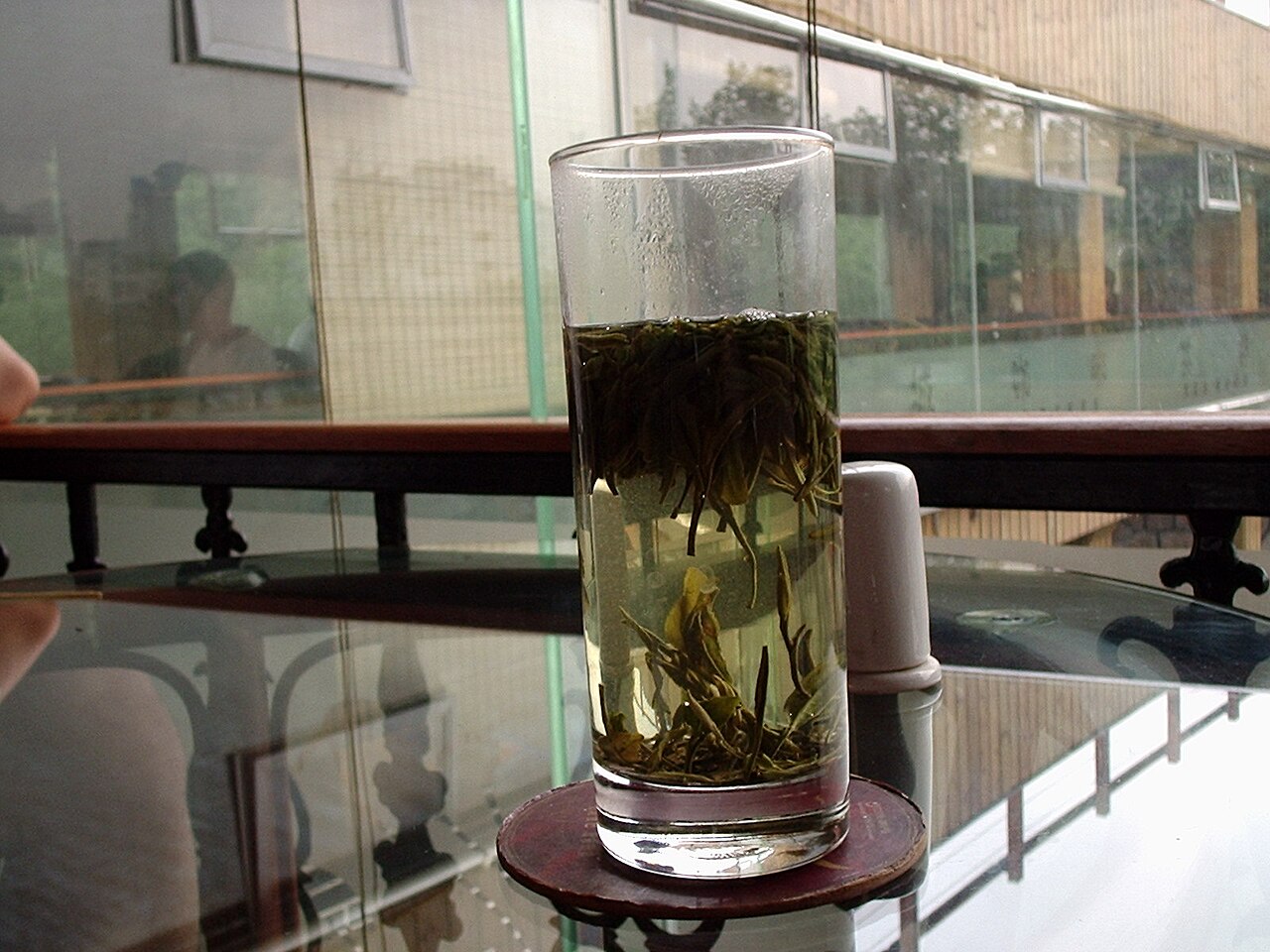
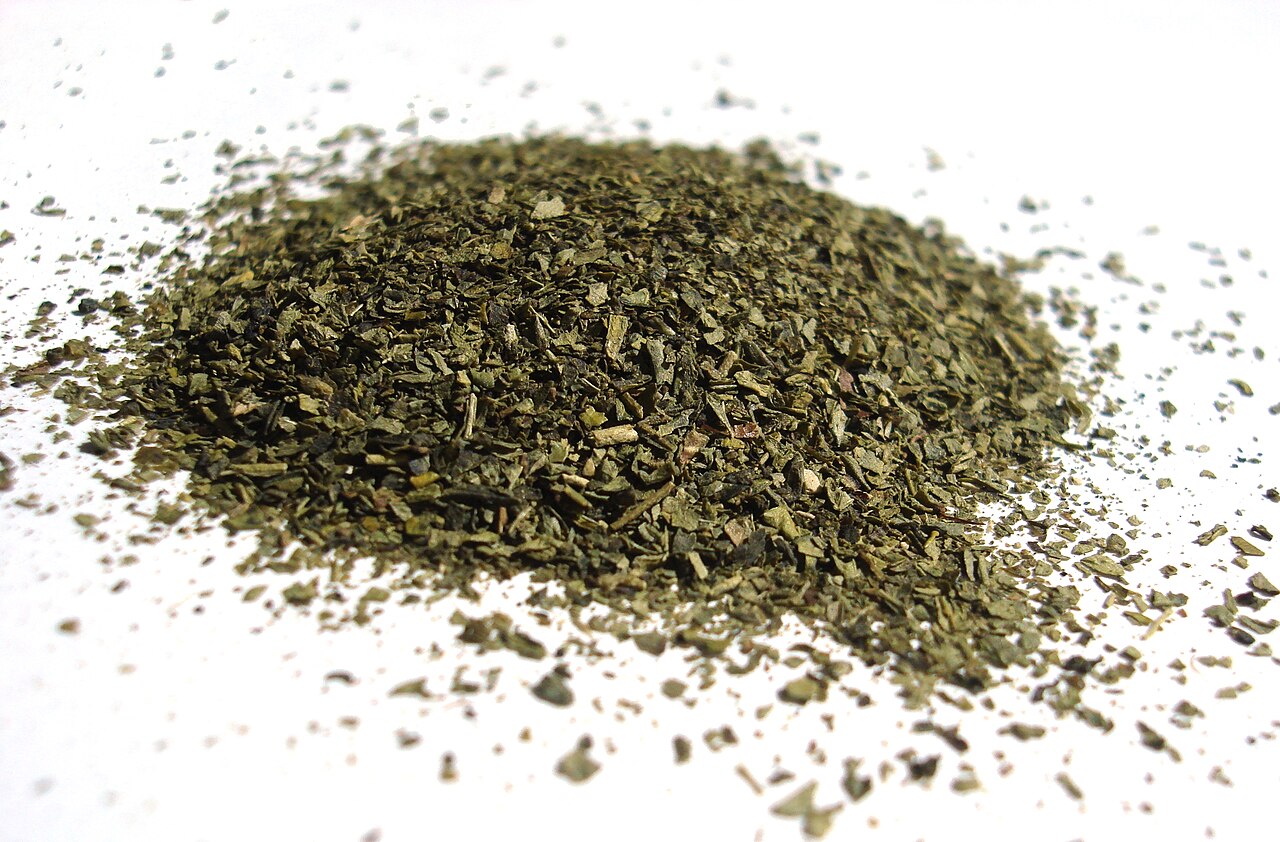
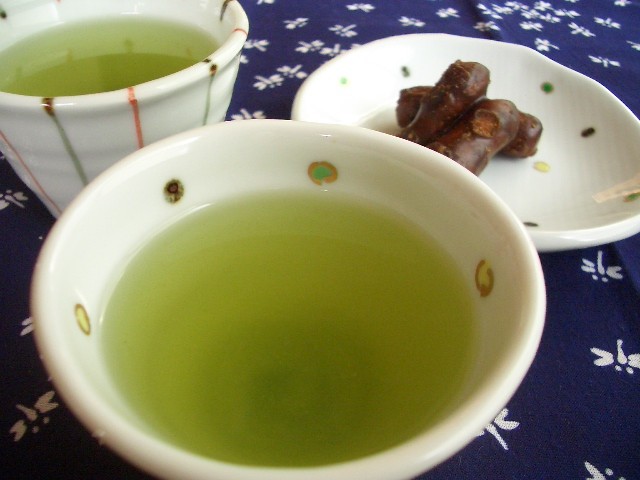
When most people hear “green tea extract,” they instinctively interpret it as a stronger version of green tea. That instinct is understandable because both do come from Camellia sinensis. But shared origin is not the same as shared exposure pattern. Ordinary tea drinking means taking in water-soluble compounds cup by cup, usually in a more diluted, slower, and more distributed way. Extract supplements, by contrast, often arrive as capsules, tablets, powders, or compound weight-loss formulas that deliver certain components in a denser, more concentrated, and sometimes less transparent form.
Once the exposure pattern changes, the old reassurance of “tea is common and lots of people drink it, so this should be fine” no longer works very well. NCCIH’s green tea overview is very clear on this point. It notes that no safety concerns have been reported for green tea consumed as a beverage by adults, while also warning that liver injury has been reported in some people using green tea products, primarily green tea extracts in tablet or capsule form. In other words, the first distinction that matters is not simply whether something comes from tea, but what form it now takes, at what dose, and for what purpose.
A large part of the communication problem begins exactly here. Product marketing borrows the cultural trust attached to tea, but what it actually sells may be a concentrated, functionalized, weight-loss-oriented supplement. If readers do not consciously spot that shift, they can easily carry the safety image of ordinary tea into a category where it no longer belongs.
2. Why is EGCG singled out so often? Because it is central both to green tea research and to risk discussions
EGCG, or epigallocatechin gallate, is one of the best-known catechins in green tea. Whenever an article talks about green tea, antioxidants, catechins, metabolic research, or supplement development, EGCG almost inevitably appears. That makes sense: it is one of the most recognizable and most heavily discussed active compounds in green tea research.
But precisely because EGCG appears so often in “beneficial component” storytelling, it is also easy to frame as something that is automatically better in higher amounts. Risk discussions challenge that assumption. A highly recognizable compound is not the same thing as an infinitely safe compound. LiverTox notes that preclinical and human data point toward the catechin fraction, especially concentrated EGCG exposure, as an important lead in hepatotoxicity discussions. The key point is not that EGCG is simply a “dangerous substance,” but that once it leaves the diluted context of ordinary tea drinking and enters a system of high-dose, concentrated, repeatedly used supplement products, the risk conversation changes.
So EGCG is a very useful example. It appears both in the story of why green tea is scientifically interesting and in the story of why high-dose extracts should not be assumed safe by default. A mature reading does not remember only the first halo. It keeps the second boundary in view at the same time.
3. What does the current safety information really support? Separate judgments for tea drinking and for extract supplements
The most stable formulation is this: green tea as a beverage and green tea extract supplements should be judged separately; the first has a relatively clear safety boundary in ordinary use, while the second carries uncommon but non-negligible liver injury signals.
NCCIH is an especially useful starting point. On one side, it clearly states that no safety concerns have been reported for adults drinking green tea as a beverage. On the other side, it also notes that green tea extract supplements can cause side effects such as nausea, constipation, abdominal discomfort, and increased blood pressure, and that liver injury has been reported in some users, mainly with tablet or capsule products. That distinction matters because it tells us that risk is not unfolding along a simple value line of “tea → stronger tea → better tea.” Instead, the moment the product becomes a functional supplement, it enters a different safety framework.
LiverTox strengthens that separation further. It notes that drinking green tea itself has generally not been associated with liver injury, whereas green tea extract as a component of herbal and dietary supplements has been linked to more than one hundred clinically apparent liver injury cases described in the literature. The most important issue here is not whether that number sounds large or small. It is what the pattern means: if a risk keeps reappearing around high-concentration extract products and specific supplement contexts, readers can no longer erase the signal by saying “but tea is common.”
So the current evidence supports neither panic nor blind reassurance. It supports something more practical: look carefully at the product form and the exposure mode.
4. Why are weight-loss products an especially important context for this topic?
Because weight-loss products often combine several of the most sensitive elements in the risk discussion: high dose, multi-ingredient formulas, long-term use, fasting use, strong consumer demand for an “effective feeling,” and limited user awareness of actual daily active-compound intake. Many of the products discussed in LiverTox and NCCIH-linked safety concerns come from the weight management and fat-burning supplement market. That is not accidental. It follows the logic of the category.
Weight-loss products do not usually want to present themselves as gentle, slow, everyday beverages. They want to suggest efficiency. Concentration becomes attractive, blended formulas become common, and “natural plant source” language plays a reassuring role. Consumers may see “green tea extract” and think “a more convenient version of tea,” while the actual product may be a high-exposure system containing multiple stimulating or bioactive ingredients, sometimes taken on an empty stomach.
This is exactly where risk boundaries become easiest to erase. Not because consumers are careless, but because the word “green tea” feels culturally safe. It does not trigger the same suspicion as an unfamiliar synthetic-sounding ingredient. In the supplement world, however, many of the variables that deserve the most caution are hidden precisely behind that sense of familiarity.
5. Why do medical and regulatory sources keep saying the risk is “uncommon but real” instead of simply calling it universally dangerous?
Because good risk communication separates probability from seriousness. Green tea extract-related liver injury is not so common that it should be treated as something that happens to everyone. If it were, this would no longer be a boundary-setting discussion; it would be a far more direct public health emergency. But it is also not so negligible that it can be ignored. Some of the most difficult real-world safety problems are exactly of this kind: uncommon overall, but potentially serious when they do occur.
LiverTox gives green tea extract-related clinically apparent liver injury a likelihood score of A. That does not mean every exposure is dangerous. It means the causal relationship is well established enough that it cannot honestly be waved away. This is especially important for ordinary readers because the two most common online misreadings are opposite extremes: one side sees case reports and treats all tea-related products as high risk; the other sees that overall events are uncommon and dismisses all warnings as overblown. A more medically realistic position holds both ideas at once: this is not a panic issue at the level of normal tea drinking, but it is also not a supplement variable that “natural origin” can automatically excuse.
This may sound unsatisfying compared with neat yes-or-no answers, but it is closer to real safety judgment. Many real-world product risks are not captured by “absolutely safe” or “absolutely dangerous.” They require attention to product type, dose, conditions of use, individual response, and monitoring awareness.
6. Why does individual variability matter? Because not everyone responds to extract products in the same way
NCCIH notes that some people may be especially susceptible to green tea product-related liver injury because of a specific genetic variant. LiverTox also discusses the HLA-B*35:01 association. This matters because it reminds us that supplement risk is not always a simple straight line in which everyone experiences the same outcome at the same dose. In at least some cases, the pattern looks closer to an idiosyncratic reaction, meaning individual susceptibility plays a substantial role.
That changes the way ordinary readers should think. Many people decide whether to try a supplement by asking, “Lots of other people took it and were fine, so I should be fine too, right?” The problem is that this kind of risk may not be fully ruled out by majority experience. Especially if someone is already sensitive to supplements, stimulants, fasting use, or drug interactions, the average experience of other consumers is not the same thing as a personal safety guarantee.
That is also why medical sources recommend stopping the product and seeking care if symptoms such as fatigue, nausea, abdominal pain, dark urine, or jaundice appear. A familiar source does not replace real risk recognition.
7. Why is the logic “tea is fine, so the extract should also be fine” so weak?
Because it ignores three major differences at once: dose, form, and context. First, the dose is different. Ordinary tea drinking may expose people to catechins and caffeine, but usually under more diluted, slower, and more distributed conditions. High-dose extract products may deliver a much more concentrated exposure over a shorter period. Second, the form is different. A beverage is not just a capsule that happens to be wet, and a capsule is not just “tea without the water.” Form changes the whole system of delivery. Third, the context is different. Many extract products are used not as gentle daily beverages, but as intentional tools for weight loss, body management, or perceived performance, sometimes even while fasting.
Once those three differences are stacked together, common origin loses most of its explanatory power. Just as coffee beans and high-dose caffeine tablets should not be judged by the same everyday intuition, tea leaves and high-dose green tea extract supplements should not be treated as if “both come from tea” settles the safety question.
The most important takeaway is not suspicion toward tea itself, but caution toward the broader imagination surrounding concentrated “natural” supplements. Quite often, the risk does not come from a strange origin. It comes from taking something familiar, intensifying it, and then continuing to use the original safety intuition anyway.
8. What is the most practical rule for ordinary readers? Separate tea from supplements first, then ask about dose, purpose, and use conditions
If the discussion is about ordinary tea drinking, current evidence does not support upgrading that into a generalized fear topic. The main place where caution becomes more important is the world of high-dose green tea extract supplements, especially products positioned for weight loss or fat burning. For ordinary readers, the most useful first move is not to master mechanism details but to ask four practical questions: Is this a tea beverage or an extract supplement? Is it for ordinary drinking or for a strong functional purpose? Is the total exposure and use frequency clear? Is it likely to be taken while fasting, repeatedly, or alongside medicines and other supplements?
If those questions do not have clear answers, then words like “natural,” “green tea derived,” “catechins,” or “antioxidant” should not function as reasons to relax. By contrast, if someone is simply drinking ordinary green tea, oolong tea, or black tea, reading about extract-related risk should not be turned into the mistaken conclusion that daily tea drinking itself has become a high-risk behavior. That kind of overcorrection is also unscientific.
Mature judgment does not place all tea-related products in one basket. It returns each product to its own exposure context. Tea beverages belong to tea beverages; supplements belong to supplements; cultural comfort belongs to cultural comfort; risk boundaries belong to risk boundaries.
9. Conclusion: what needs correction is not “whether tea is healthy,” but the fantasy that concentrated natural compounds must therefore be better
If this article had to be reduced to one sentence, it would be this: current evidence supports separating ordinary tea drinking from high-dose green tea extract supplements, not extending the healthy image of tea into an automatic assumption that concentrated extracts are also safe by default. Tea as a beverage and green tea extract supplements—especially high-dose, capsule-based, weight-loss-oriented products—do not operate under the same risk logic.
For readers, the most valuable thing to remember may not be the acronym EGCG itself, but a better habit of judgment: once a familiar food or drink is purified, concentrated, encapsulated, and functionalized, do not keep using the original safety intuition unchanged. Tea being worth drinking does not automatically mean the extract is worth swallowing. “Natural origin” may feel reassuring, but it does not guarantee that a high-dose concentrated version still belongs to the same safety category.
What is worth keeping is not fear of tea, but caution toward a supplement culture that often takes a familiar thing, makes it stronger, and then pretends it is still just the original thing.
Continue with Has tea and the gut microbiome really been figured out?, Tea and metabolic health: evidence, limits, and the “healthy tea drink” misunderstanding, and Can one tea drink keep pushing your sleep window later?.
Source references: NCCIH: Green Tea, LiverTox: Green Tea.