Research explainer
Tea Polyphenols, Catechins, and the “Antioxidant” Story: What’s Real, and What Gets Overstated?
When Chinese-language internet discussions talk about tea’s “health value,” they often slide into a familiar sentence: tea is rich in polyphenols, catechins are powerful, antioxidants are beneficial, so tea must naturally be more anti-inflammatory, more anti-aging, and closer to a daily wellness product. The problem is that research does discuss tea polyphenols and catechins, but its tone is usually far more restrained than marketing. Explaining that gap matters more than repeating that “tea is healthy.”
In public-facing health content, “antioxidant” has almost become a universal positive word. Once a product can attach itself to that label, it can easily move on to “fights free radicals,” “helps with inflammation,” “supports healthy aging,” and “is better for long-term use.” Tea is especially easy to place inside that narrative because it carries both a long cultural history and a real chemical profile that includes polyphenolic compounds. Add the scientific shine of terms like green tea, matcha, catechins, and EGCG, and many readers naturally jump from “tea contains these compounds” to “drinking tea reliably gives me these wellness effects.”
But if you move even one step closer to the literature, the questions become much more specific: What compounds are actually present in tea? How much does the body really absorb? Are observed benefits linked to tea itself, or to broader diet and lifestyle patterns? Is an ordinary tea beverage the same thing as a high-dose extract? Once those questions are asked seriously, many neat and satisfying health myths begin to loosen.
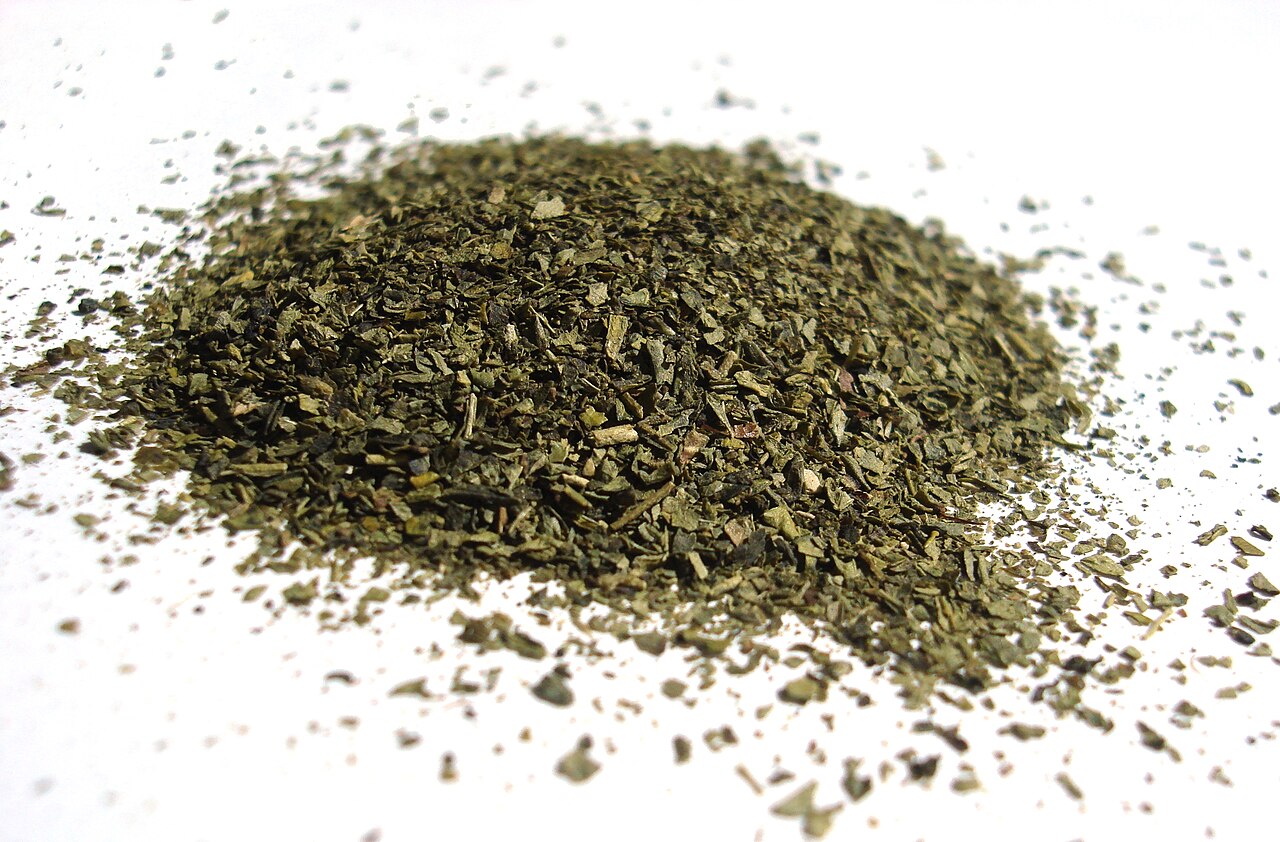
Research snapshot
Topic: tea polyphenols, catechins, EGCG, and the evidence limits of the antioxidant health narrative Core question: does tea matter mainly because of a gentle long-term role in daily beverage choices, or because of an inflated functional-health mythology? Keywords: tea polyphenols, catechins, EGCG, bioavailability, green tea extract, antioxidants, supplement-style marketing Who this is for: readers who keep hearing that “more polyphenols means healthier tea” or “more catechins means more anti-aging power,” and want to know what the research really supports
1. Start with the terms: what are tea polyphenols and catechins?
“Tea polyphenols” are not a single ingredient. The term is an umbrella for a broader group of polyphenolic compounds. For ordinary readers, it is best understood as a category that includes multiple substances connected to tea’s taste, astringency, bitterness, and scientific discussion. Catechins are one important subgroup within that category, especially in green tea research. EGCG is only one catechin, but because it appears so often in the literature and sounds especially technical, it is frequently turned into the lead character in tea-health storytelling.
The key point is this: the terms themselves are not fake. The problem is that they are easily shifted from “ingredient description” into “effect promise.” A cup of tea may indeed contain meaningful amounts of polyphenols and catechins, but “contains” is not the same thing as “produces a clear, reliable health benefit after oral intake.” Between those two ideas sit digestion, absorption, metabolism, dose, individual variation, and long-term lifestyle patterns. Marketing language usually skips that entire middle section.
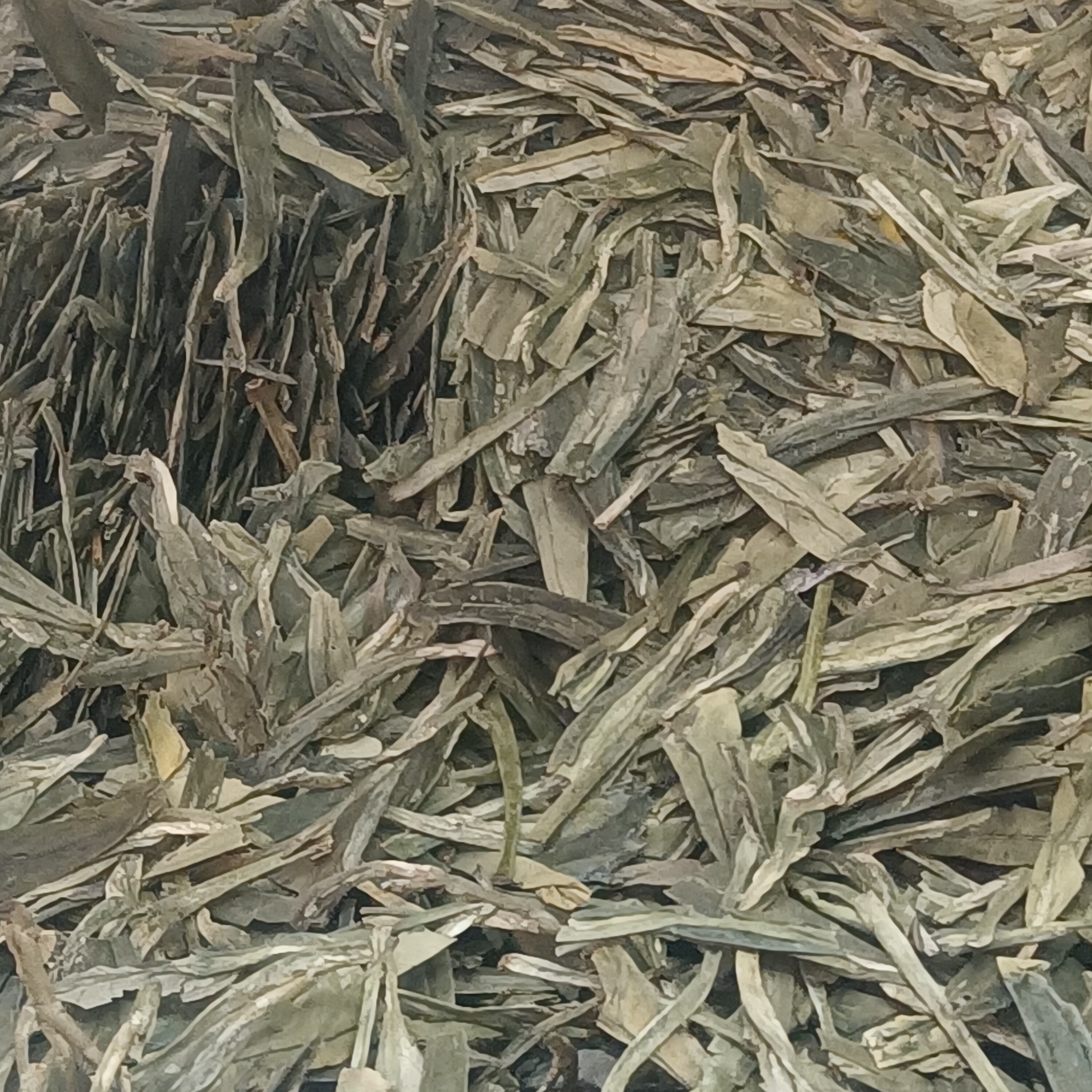
2. Why does the word “antioxidant” make it so easy to romanticize tea?
Because it carries three big communication advantages. First, it sounds scientific, while remaining vague enough that most people do not immediately ask “measured how, under what conditions, and for whom?” Second, it connects smoothly to familiar anxieties about aging, inflammation, and chronic disease. Third, it works as a bridge word: once “antioxidant” is established, content can quickly slide into anti-inflammatory claims, cell-protection claims, healthy-aging claims, and a general sense that this drink has already been cleared as a “good thing.”
The problem is that antioxidant activity in a lab or test system is not the same thing as long-term human health outcomes. Many compounds look promising in cell studies, mechanism papers, or controlled experimental settings. Converting that promise into clear, repeatable, attributable benefits in real-life drinking patterns is much harder. Researchers know this, which is why papers are often cautious. Marketing does not mind simplifying the story because a smooth narrative spreads more easily than a careful conclusion.
3. One of the most important research constraints: catechins do not have high oral bioavailability
This is one of the most important realities in the whole conversation, and one of the easiest to miss. Reviews on tea and health repeatedly note that green tea catechins have limited oral bioavailability in humans. Only a small fraction reaches circulation, and the compounds undergo metabolism such as methylation, glucuronidation, and sulfation. In other words, the ingredient list in the cup does not enter the body in a simple one-to-one way and remain there unchanged.
That does not mean tea is meaningless. It means you should not imagine drinking tea as swallowing a highly efficient delivery system for function claims. What the literature suggests is more restrained: these compounds are genuinely worth studying, and they may participate in some long-term, mild, complex physiological processes. But they are not magic buttons that immediately cash out every promise attached to them in consumer health language. The more tea is marketed as a “natural supplement,” the easier it becomes to ignore real metabolic limits.
So when you see a line like “this tea is rich in catechins, therefore it is more anti-aging,” the better reading is: this is a research-relevant compound signal, not a fully established everyday outcome. The most reliable conclusions are usually more modest.
This also helps explain why many serious discussions of tea and health eventually return to long-term habits and broader dietary structure rather than to a single heroic ingredient. The human body is not a test tube, and it does not simply absorb every “good compound” in a direct and scalable way. In real life, tea’s value is more likely to emerge as part of small long-term influences, beverage substitution, changes in overall intake patterns, and interactions with lifestyle.
Once you understand that, it becomes much easier to see through marketing that translates “higher polyphenol content” directly into “stronger health function.” Higher polyphenols may mean more flavor intensity, more astringency, and more research interest. It does not automatically mean linearly amplified health outcomes for the person drinking it.
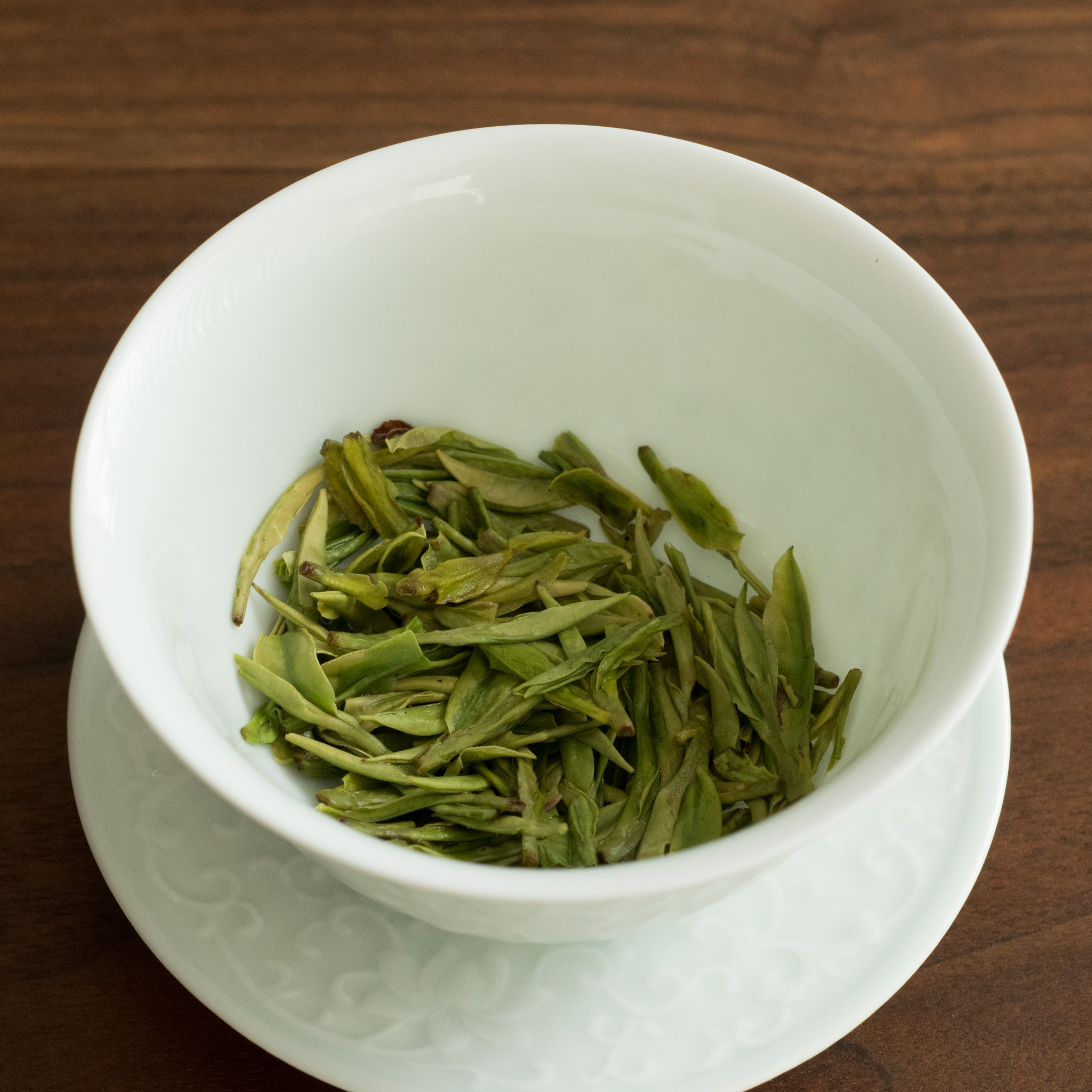
4. What can current research actually support? Usually “may help,” “results are inconsistent,” and “modest effects”
If you put authoritative health summaries and broader reviews side by side, you get a much cooler picture than marketing slogans suggest. NCCIH’s summary of green tea and its extracts is a good example: on cancer prevention, the overall findings are inconsistent; on coronary heart disease, more positive associations have been observed in some Asian populations, but not uniformly across all populations; on weight and blood lipids, catechins and caffeine may have some effect, but the effect is generally modest, and many studies examine extract supplements rather than ordinary tea drinking.
This kind of wording is less exciting, but it is much closer to the real shape of the evidence. It does not mean tea is useless. It also does not mean tea has already been proven as a universal health beverage. A more accurate reading is that tea, tea polyphenols, and catechins do generate research signals worth taking seriously. But most of those signals point to limited, conditional, person-dependent possibilities rather than a magical conclusion that stands on its own apart from total diet and lifestyle.
5. Drinking tea is not the same thing as taking high-dose green tea extract
This boundary deserves to be stated plainly. Many people hear “tea polyphenols” or “EGCG” and picture an ordinary cup of tea. But some of the stronger effect claims are actually borrowed from extract studies, supplement studies, or high-dose scenarios. The problem is that beverages and extracts differ in dose, exposure pattern, absorption profile, and risk structure. Treating them as interchangeable creates overly optimistic and often misleading conclusions.
NCCIH is clear on this distinction: for adults, green tea consumed as a beverage generally does not raise major safety concerns, though it does contain caffeine. Green tea extract supplements, however, can cause nausea, abdominal discomfort, elevated blood pressure, and in uncommon cases have been linked to liver injury. They may also interact with medications. In other words, the form that often deserves more caution is not ordinary tea drinking, but the supplement-like, concentrated, productized version of tea.
That is why I am naturally more skeptical of phrases like “high EGCG,” “high-catechin capsules,” or “fast-fat-burning green tea tablets.” They borrow the positive feeling people already have toward tea as something natural, but once they enter the body they are no longer operating with the same exposure or risk pattern as an everyday brewed beverage. Something can come from tea without being as gentle as drinking tea.
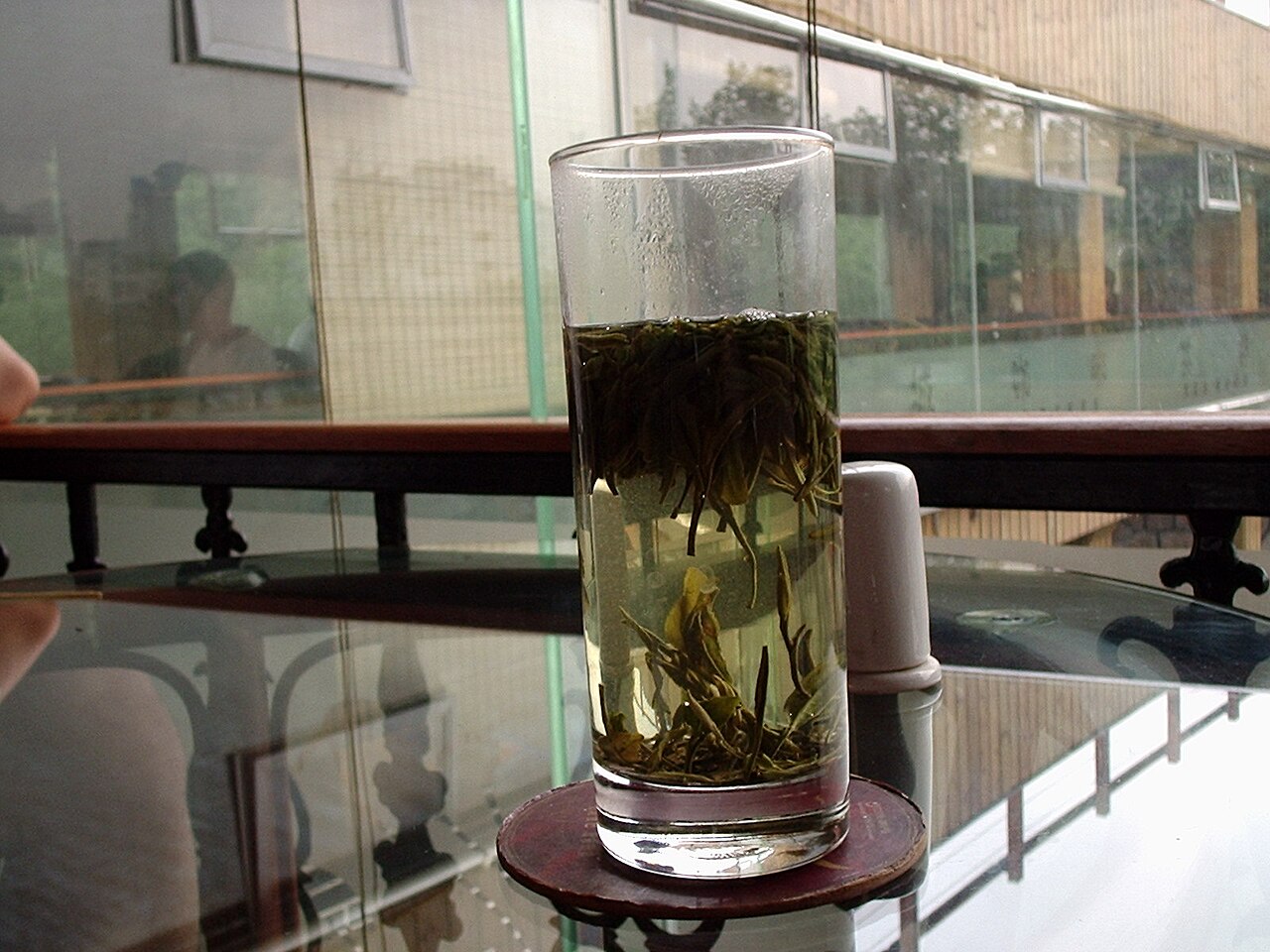
6. Why do online health narratives so often translate “antioxidant” into “anti-inflammatory” and then into “anti-aging”?
Because the structure is perfect for platform content. It has clear protagonists (tea polyphenols, catechins, EGCG), a simple causal chain (antioxidants lead to anti-inflammatory effects, which lead to better condition and slower aging), and a strong emotional outlet. Who would not want a low-cost, daily, pleasant-tasting way to “age better”? Tea also lacks the obvious public-health baggage of something like an energy drink, so it is easy to package as a disciplined, rational, culturally rich, body-conscious choice.
But research is not that simple. Inflammation, aging, metabolic health, and cardiovascular risk are system-level issues. No single ingredient can casually explain or control them. It is fair to say that tea polyphenols provide interesting scientific leads, and it is fair to note that tea drinking has shown noteworthy associations in some populations and some outcomes. But jumping from there to “so this tea helps you age better” is no longer a research reading. It is story editing.
7. The most useful everyday takeaway: tea’s real value is often about substitution, not miracle effects
If I had to translate the literature into one practical sentence, I would put it this way: tea’s real value often does not come from acting like a high-powered wellness supplement that creates extra magic on top of your life. It often comes from helping you replace heavier, sweeter, or more aggressively stimulating drinks with something lighter and more sustainable over time.
That conclusion is not glamorous, but it is often much more meaningful in public-health terms. If someone uses relatively simple tea, plain brewed tea, or low-burden tea drinks to replace high-frequency sugary beverages, or uses tea to meet the everyday desire for “something with flavor” while reducing total sugar load, that shift may matter more than whether tea polyphenols can be turned into an anti-aging slogan. The first changes long-term intake patterns. The second often just gives existing consumption a more flattering explanation.
8. How should ordinary readers interpret claims like “higher polyphenols” or “stronger catechins”?
I would use a four-step filter. First, ask whether the claim is about ordinary tea drinking or about extracts, capsules, or concentrated supplements. Second, ask whether it is describing ingredient presence or a demonstrated human outcome. Third, ask whether it comes from short-term mechanism signals or from real-world long-term health outcomes. Fourth, ask what role this drink actually plays in your life: is it replacing sugary beverages, or is it mainly giving you a more comfortable reason to buy more “health feeling”?
If you do not skip those four steps, most exaggerated health narratives cool down on their own. The claims that really stand up usually do not sound absolute. The ones that rush most eagerly toward “anti-inflammatory” and “anti-aging” are often the ones leaning hardest on the audience’s instinctive trust in scientific language.
Research limits
- Many positive signals come from mechanism studies, observational studies, or extract-based studies, and cannot be treated as the same thing as stable outcomes from ordinary daily tea drinking. - Different tea types, brewing methods, doses, drinking frequency, and individual metabolism can all change the picture. - Catechins have limited oral bioavailability, so cup content should not be equated directly with effective bodily exposure. - Tea beverages are often relatively safe, but high-dose green tea extracts and supplement-style use deserve more caution, especially around liver injury risk and drug interactions.
What this means for ordinary readers
The core judgment here is simple: tea polyphenols, catechins, and EGCG are not fake concepts. They are real and scientifically relevant tea compounds. But “scientifically relevant compounds” are not the same thing as “all-purpose wellness promises in everyday drinking.” You can acknowledge that tea has real research value and still treat tea as a steadier long-term option than many sugary drinks. What is not necessary is turning tea into a shortcut story that runs straight from “antioxidants” to “anti-aging.”
Continue with Do real-leaf brewing, low sugar, and short ingredient lists automatically mean a healthier tea drink?, Why bottled unsweetened tea talks so much about polyphenols, caffeine, and real tea taste, Green tea extract, EGCG, and liver injury risk, and Tea and metabolic health: what the papers suggest, where the evidence is stronger, and where the myths start.
Sources: NCCIH: Green Tea, Tea and Health: Studies in Humans, Effect of green tea consumption on blood lipids: a systematic review and meta-analysis of randomized controlled trials, and Cochrane: Green tea for the prevention of cancer.