Research overview
Can tea make anxiety worse? Don’t mystify “tea”: what really matters is total caffeine, sleep, sensitivity, and the day’s stimulation load
If this article has to be reduced to one line, the key takeaway is this: tea does sometimes appear before a person feels more tense, more wired, or less able to relax, but it is usually not acting as a mystical standalone cause of anxiety. More often, tea becomes the visible entry point through which caffeine, late-day intake, poor sleep, fasting, stress, and individual sensitivity are pushed above threshold together.
That is also why NHS, in its self-help guidance for generalized anxiety disorder, directly advises people not to drink lots of coffee, tea, cola, or energy drinks. The point is not that the word “tea” is inherently dangerous; it is that these drinks can provide caffeine, which may disrupt sleep and make anxiety harder to control. MedlinePlus likewise lists anxiety, insomnia, restlessness, and fast heart rate among common problems from too much caffeine. NCCIH, meanwhile, notes that tea as a beverage does not raise special safety alarms in ordinary adult use, but tea does contain caffeine, and high-dose extracts are not the same thing as daily drinking.
“Strong tea makes me more tense.” “That afternoon milk tea didn’t calm me down at all—it made me more jittery.” “Why do some people say tea relaxes them while others say it makes them more anxious?” These questions sound like they are about one beverage, but they are really about a much larger body-and-lifestyle setting. Anxiety is not a single on-off switch. It is often mixed with sleep, pressure, hunger, blood-sugar fluctuation, work rhythm, sensitivity to body signals, and whether other stimulating inputs have already accumulated across the day. If all of that gets folded away, leaving only the question “can tea make anxiety worse?”, the answers will naturally collapse into the kind of slogans that keep fighting each other online.
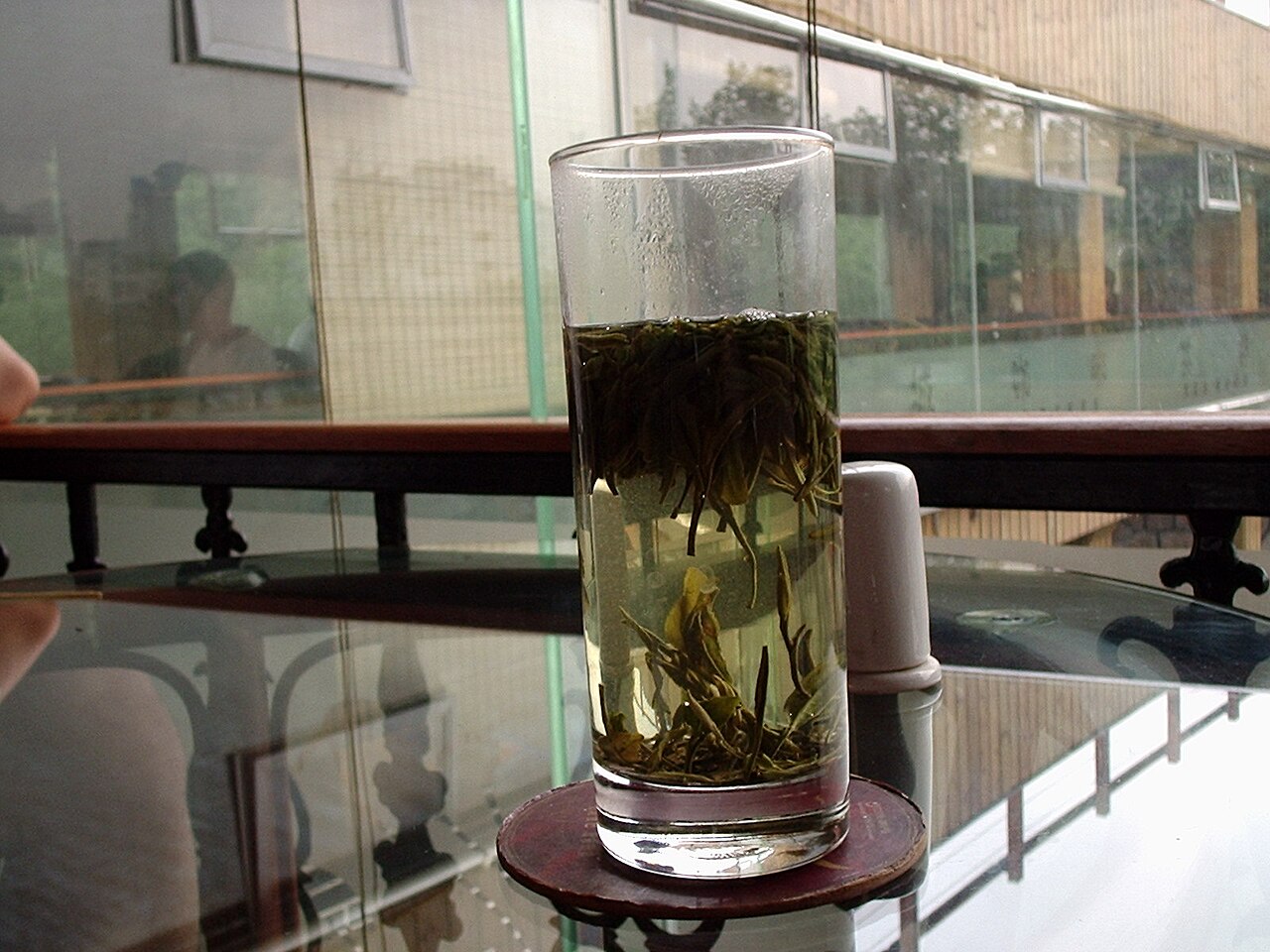
Put more practically, tea keeps getting pulled into anxiety discussion not because it has some mystical “heating” or “astringent” force, but because it often plays a very concrete physiological role: for many people, tea is one of the stable everyday sources of caffeine, and the actual dose is often not being tracked seriously. A clear cup of green tea, a large milk tea with a heavy tea base, a bowl of matcha, and repeated refills of strong oolong may all be described as “drinking tea,” but the load placed on the nervous system may be completely different.
Research card
Topic: the relationship between tea and the feeling of anxiety, tension, or being unable to relax Core question: does tea itself directly make people anxious, or are caffeine, sleep, stress, and individual sensitivity being mixed together? Evidence structure: NHS explicitly warns against drinking lots of caffeinated drinks in anxiety self-help advice; MedlinePlus lists anxiety, insomnia, and restlessness among common caffeine-related problems; NCCIH notes that tea contains caffeine but ordinary tea drinking is not the same thing as high-dose extract use Most important reminder: what usually needs managing is not the word “tea” itself, but the day’s full stimulation pattern
1. Don’t describe “anxiety” as a single reaction too quickly: it is an emotional experience, but often also a very physical one
NHS’s overview of generalized anxiety disorder includes not only the psychological side—persistent worry and tension—but also highly physical manifestations such as sleep difficulty, restlessness, irritability, trouble concentrating, fatigue, palpitations, and stomach problems. That matters because when people say “tea makes me anxious,” they may not be describing a complete anxiety disorder in the clinical sense. Very often they mean that after drinking tea they feel more wound up, more sensitive, less able to settle down, more aware of their heartbeat, or less able to fall asleep. Those experiences are real, but they do not automatically translate into the sentence “tea naturally causes anxiety.”
At the same time, because anxiety often becomes a whole-body experience, beverages, food timing, sleep, and workload rhythm are especially easy to drag into it. A person who is already under pressure, underslept, eating irregularly, and highly sensitive to body signals may indeed feel “more wrong” after quickly drinking a large, tea-heavy beverage in the afternoon. But in many of those cases, the drink did not create the entire problem from nothing. It added one more push to a tension curve that was already rising.
So the first step in discussing whether tea worsens anxiety is not to sentence tea immediately, but to name the problem more precisely: are you dealing with an ongoing anxiety state, or with a short-term tension experience amplified by caffeine, poor sleep, and daily rhythm? The two can overlap, but they are not the same thing.
2. Why does tea appear on anxiety lists at all? Usually because it means caffeine, not because it is culturally called “tea”
MedlinePlus states it very plainly: tea is one of the common sources of caffeine, and an 8-ounce cup of tea may contain roughly 14 to 60 mg of caffeine; if people consume too much caffeine, problems can include anxiety, insomnia, headaches, dizziness, fast heart rate, restlessness, and dehydration. What matters here is not only the number range, but what it implies: tea enters the anxiety discussion first because it can carry caffeine, not because the abstract label of “tea” acts independently of dose.
This also explains why so many people feel confused and say, “But I drank tea, not coffee—why did I still get more tense?” From the body’s point of view, the important question is not whether the drink is culturally named tea, coffee, or something else. It is how much stimulation the drink delivered at that specific moment. In modern made-to-order beverages, cups are often larger, bases stronger, intake faster, and powder or concentrate additions more common. Many people do not have a stable sense of their total caffeine intake, yet still feel a false sense of safety from the sentence “I only had tea.”
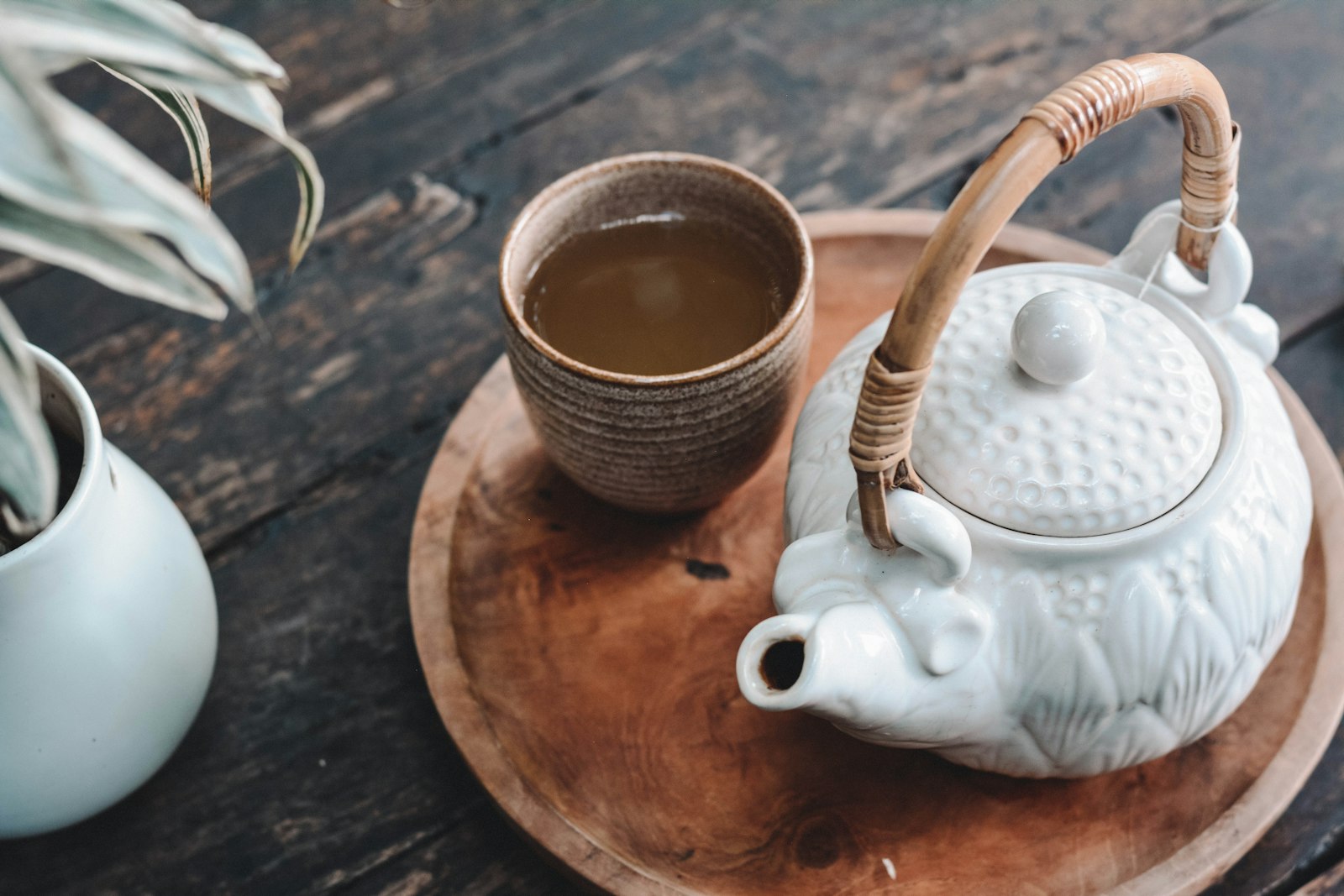
NCCIH’s green tea page makes another important distinction: ordinary green tea as a beverage does not carry unusual safety concerns for adults, but it does contain caffeine, and high-dose extracts, capsules, and tablets are a different matter. In other words, when discussing anxiety, one of the worst mistakes is to throw ordinary brewed tea, concentrated extracts, highly caffeinated matcha drinks, and strong tea-based milk teas into one bucket and expect that bucket to yield one simple answer.
3. For many people, the real issue is not “tea causes anxiety,” but that total stimulation load was pushed up by the rest of the day
NHS’s self-help advice says directly that people should avoid drinking lots of coffee, tea, cola, or energy drinks because they contain caffeine, which can disrupt sleep and make anxiety harder to control. The key point is not a simplistic “ban tea” rule. It is the everyday pattern underneath it: anxiety often does not come from one isolated input, but from several inputs stacking together.
A very common real-life pattern looks like this: poor sleep the night before, heavy work pressure the next day, irregular meals, a hollow and tense feeling by noon, and then a large strong tea or milk tea used to keep going. Or someone is already stressed, physically keyed up, and highly aware of their body, then quickly takes in a high tea-based drink. By evening, the most memorable event becomes the cup itself—“that tea made me anxious.” But if the full day is laid out, the actual structure often looks more like this: poor sleep + high stress + hunger or fasting + already elevated sensitivity + another round of caffeine.
So yes, tea may indeed be part of the story. But it is often not the only story. More accurately, many people are not being pushed from zero into anxiety by one cup of tea; they are adding another stimulant input to a body state that was already close to threshold.
4. Why do late drinking, fasting, and rapid intake make the “anxiety feeling” especially obvious?
Because those conditions amplify both immediate perception and later chain reactions. In a fasting state, many people are already more likely to feel stomach emptiness, tightness, floatiness, nausea, shakiness, and stronger awareness of internal discomfort. Under those conditions, even a cup that is usually well tolerated may suddenly feel as if it “hits harder.” That does not necessarily mean something severe is happening, but it does make the tea feel like the most vivid starting point of the day’s discomfort.
Rapid intake works similarly. Slowly sipping a lighter tea and finishing a large, tea-heavy drink in a short period are not the same experience. The second pattern is more likely to pile tension, shakiness, stronger heartbeat awareness, and stomach discomfort on top of each other quickly. Many people label that whole package as “anxiety,” even though it may contain both emotional and strongly physiological components.
Late-day drinking is often amplified through sleep. NHS directly links too many caffeinated drinks with disrupted sleep. The difficult part is that some people do not feel obviously anxious right after the drink; they simply sleep poorly. The next day they are more tired, more irritable, less able to regulate worry, and more sensitive to heartbeat and bodily discomfort. In that sense, the feeling that “tea made me anxious” may seem delayed by a day, when it was actually amplified through the sleep pathway.
5. Why do some people say tea feels calming while others say it makes them more tense? Often because of sensitivity differences, not because one side is lying
MedlinePlus explicitly notes that some people are more sensitive to caffeine than others. That short sentence explains a huge part of this debate. For some people, low-to-moderate tea intake feels like mild alertness and may even seem calming because of the slower drinking rhythm, warm temperature, and the brief ritual of pausing. For other people, even a moderate dose may more easily produce restlessness, insomnia, heightened heartbeat awareness, shakiness, or stomach discomfort.
These differences are constantly misread because people turn their own experience into a universal rule. People with high tolerance think, “Tea is so gentle—how could it make anyone more anxious?” People with high sensitivity think, “It bothers me every time, so tea must naturally make people tense.” In reality, both sides may simply be treating their own threshold as everyone’s threshold.
A more realistic reading is that tea does not operate like one fixed emotional button for all people. For some, the main issue is dose. For others, it is timing. For still others, anxiety baseline is already high and sleep is already poor, so their tolerance for any extra stimulation has fallen. If all those differences are flattened away, the question “does tea make anxiety worse?” is already distorted before it is answered.
6. What actually helps is not permanent demonization of tea, but tracing how your discomfort got stacked together
If you suspect tea is making you more anxious, the most useful move is usually not to announce “I must quit tea forever,” but to do a basic check first: have you been sleeping badly? Are you relying on tea in the afternoon or evening to keep functioning? Are you often drinking it on an empty stomach? Were you already more anxious, stressed, overworked, or underfed on those days? Did the day also include coffee, energy drinks, nicotine, alcohol, cold medicine, or some other stimulant input? If none of those questions are examined and the only sentence left is “I drank tea, therefore tea caused my anxiety,” the judgment becomes extremely crude.
A more practical approach is often to make the tea lighter, reduce serving size, avoid fasting and late-day intake, restore sleep and regular meals, and then observe the response. If that reduces the discomfort clearly, what you have probably identified is not “tea as a category is forbidden,” but “I cannot drink it in this dose, at this time, in this state.” Those are very different conclusions.
At the same time, the other direction should not be ignored. If what you are dealing with is not occasional tension but persistent anxiety, long-term insomnia, repeated panic, strong palpitations, or disruption of daily life, then it no longer makes sense to leave all the attention at the beverage level. NHS guidance for GAD is clear: if anxiety is affecting daily functioning, professional support should be considered rather than endlessly circling around whether this particular cup caused it.
7. Conclusion: in the anxiety context, what usually needs management is not the word “tea,” but your total stimulation pattern across the day
If this article needs the shortest possible conclusion, it is this: tea can sometimes make anxiety, tension, and the feeling of being unable to relax more noticeable, but its more common role is to act as one part of a broader stimulation pattern—alongside caffeine load, poor sleep, late intake, fasting, stress, and individual sensitivity—rather than functioning as an isolated force that naturally determines whether someone becomes anxious.
That is also why the most useful questions are not “is tea allowed or not?” but: do I keep drinking it under the exact conditions most likely to go wrong? Am I underestimating my total caffeine intake? Am I already sleeping too poorly, pushing too hard, and then using tea to drag the day forward? And is my anxiety problem already much bigger than beverage choice alone? Once those questions are asked clearly, the debate over whether tea is “gentle” or “stimulating” starts to look much less important than the real pattern underneath.
Continue with Modern tea drinks, caffeine, sleep windows, and labeling debates, Matcha, caffeine, and focus, Can tea cause heart palpitations? Don’t blame tea alone, and Why does tea on an empty stomach sometimes cause nausea, shakiness, and gastric tightness?.
Source references: NCCIH: Green Tea: Usefulness and Safety, MedlinePlus: Caffeine, and NHS: Generalised anxiety disorder (GAD).