Research reading
Can tea cause diarrhea? Don’t collapse infection, food poisoning, caffeine stimulation, strong tea on an empty stomach, and individual sensitivity into one sentence
If this article has to be reduced to one sentence, it would be this: “Can tea cause diarrhea?” usually is not a question that deserves an absolute one-line answer. In standard medical guidance, more common causes of diarrhea are infection, food poisoning, medicines, food intolerance, or an existing digestive condition; tea more often appears as something that, in certain people and under certain drinking patterns, can amplify an already unstable gastrointestinal response through caffeine, strong empty-stomach drinking, overall diet structure, or individual sensitivity.
MedlinePlus and NIDDK define diarrhea quite plainly: loose, watery stools three or more times a day, or more often than what is normal for you. NHS also emphasizes that in both adults and children, diarrhea and vomiting are most often caused by a stomach bug, and that the real priority is usually hydration and watching for dehydration rather than rushing to blame tea. At the same time, MedlinePlus notes that caffeine can stimulate the body and increase stomach acid, and that some people are more sensitive to it than others. That means tea can participate in discomfort, but it is usually not the only or first thing that deserves attention.
On the internet, “can tea cause diarrhea?” often gets forced into two extremes. One view turns tea into a natural “cleansing” drink that automatically pushes the bowels along. The other treats any digestive discomfort after tea as proof that tea is inherently “too cold,” “too harsh,” or somehow toxic. Both explanations are convenient, and both are too crude.
What really needs separating is at least four different layers: first, whether what happened is actually diarrhea in the medical sense; second, whether the more common explanation is infection, food poisoning, medicines, or food intolerance; third, whether tea in your case is acting through caffeine, strong empty-stomach stimulation, or simple coincidence; and fourth, once diarrhea appears, whether the real priority is hydration, rest, dehydration warning signs, and medical boundaries rather than circling around tea itself. Once that order is restored, a lot of dramatic language loses force.
Research card
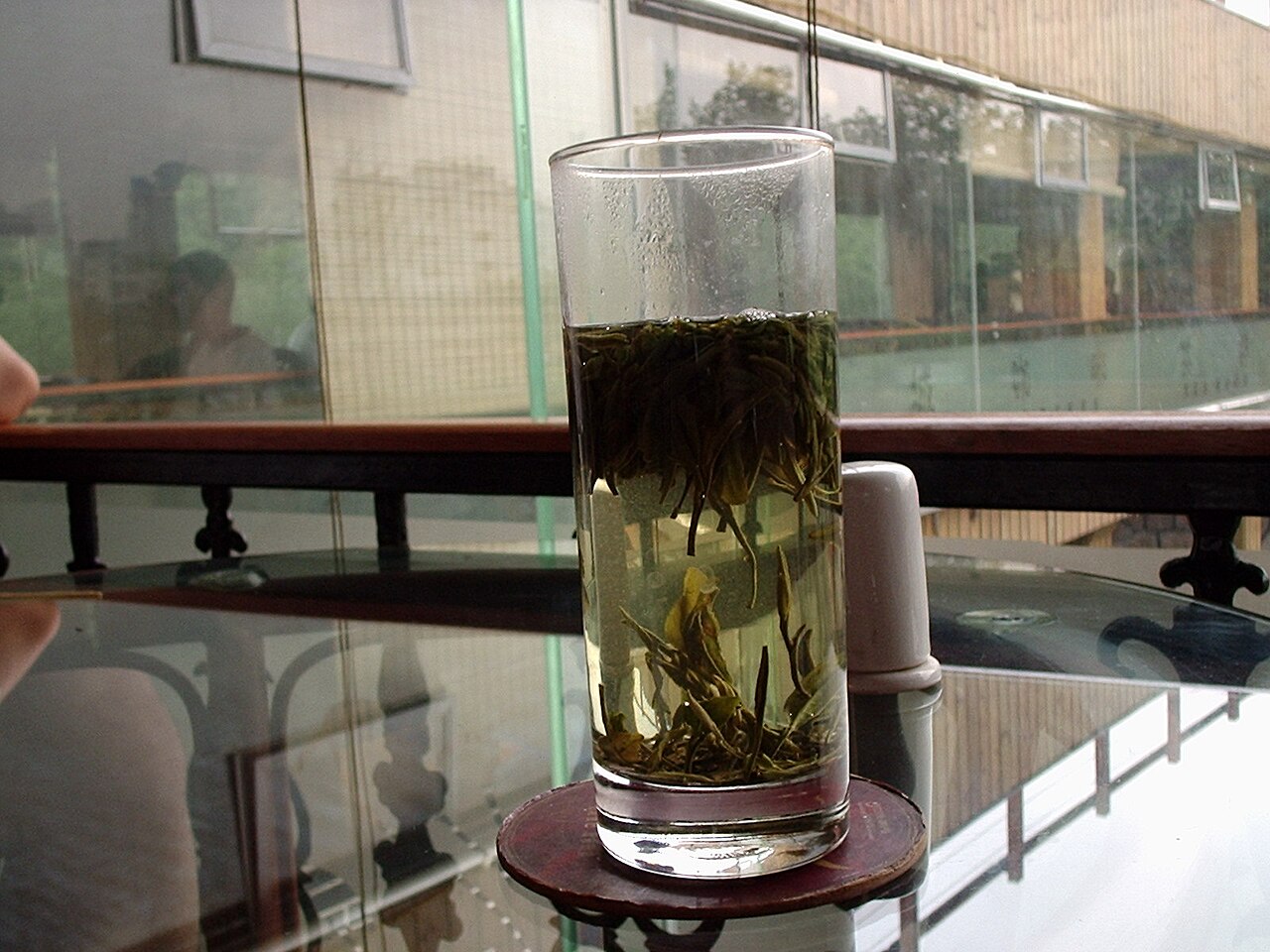
Topic: what is the real relationship between tea and diarrhea? Core question: is tea itself a common cause of diarrhea, or are infection, food poisoning, caffeine stimulation, strong empty-stomach tea, and individual sensitivity being mixed together? Evidence structure: authoritative medical sources are fairly consistent on diarrhea definition, common causes, hydration, and dehydration warnings; “tea naturally causes diarrhea” appears much more often in experience-based public talk than in standard medical overviews Best for: readers who sometimes feel digestive discomfort or looser stools after tea and want to know whether tea itself should really be blamed
1. Put the question in the right place first: medically, diarrhea is more specific than “my stomach felt off today”
Many people drink tea, feel their stomach rumble, need the bathroom, or pass one looser stool than usual, and then immediately say, “tea gave me diarrhea.” But according to MedlinePlus and NIDDK, diarrhea usually means loose, watery stools three or more times in a day, or clearly more often than your usual pattern. That definition matters because it reminds us that not every post-tea digestive fluctuation should automatically be called diarrhea.
In real life, many experiences that get labeled as “diarrhea” may actually be something else. Some people drink strong tea on an empty stomach, feel gastric emptiness or tightness, and then have one softer bowel movement. Some are already dealing with anxiety, poor sleep, reflux, menstrual changes, or an irritable bowel tendency. Others are more sensitive to cold drinks, sweeteners, milk, or fruit-tea additions than to tea itself. If all of those situations are compressed into “tea causes diarrhea,” the reasoning is already becoming too blunt.
So the first step in discussing tea and diarrhea is usually not to convict or defend tea, but to ask whether what happened was actually diarrhea in the standard medical sense or a broader digestive discomfort with a looser label.
2. The more common causes of diarrhea are usually still infection, food poisoning, medicines, and intolerance—not tea itself
NHS says this very directly: in adults and children, the most common causes of diarrhea and vomiting are usually stomach bugs. MedlinePlus and NIDDK also list viruses, bacteria, parasites, contaminated food or water, food poisoning, side effects from certain medicines, food intolerances, and chronic digestive conditions among more common causes. In other words, in standard medical discussion, tea is not usually the first or most typical suspect when someone has acute diarrhea.
This is important because many people make a timing mistake. They drink tea in the morning, develop diarrhea later, and automatically conclude that the tea caused it. But in reality, infectious diarrhea and food poisoning often do not begin in a simple one-step line right after one cup of tea. They may be related to the previous meal, the previous day, person-to-person spread, contaminated food, or medicines already being used. Tea may simply be something that happened to appear on the same day.
So if what you have is clear watery diarrhea, especially with fever, nausea, vomiting, abdominal pain, or other people around you getting sick too, the first line of thinking should usually move toward infection, food poisoning, medicines, or an underlying condition rather than staying trapped in the question of whether one recent tea was the whole cause.
3. Then why are some people so sure that tea makes them run to the bathroom more easily?
Because “tea is not the most common cause” does not mean “tea has no gastrointestinal effect on anyone.” Tea contains caffeine, and MedlinePlus notes that caffeine can increase stomach acid while affecting people very differently. For some people, caffeine does not just mean alertness; it may come with more obvious gastric stimulation, a more active gut feeling, palpitations, reflux, or a stronger urge to use the bathroom.
Also, what affects people is often not “tea” as an abstract category but timing, strength, temperature, serving size, and speed of drinking. Drinking a large amount of strong tea quickly on an empty stomach gives the stomach very little buffer. If the tea is strong, taken fast, or layered on top of anxiety, reflux, or a sensitive stomach, a churned-up digestive feeling is not surprising. For these people, tea can indeed become a trigger—but that is very different from saying that all tea causes diarrhea.
So the more accurate sentence is usually not “tea causes diarrhea,” but: for some people, under certain body states and drinking patterns, tea can become one trigger that makes gastrointestinal reactions more obvious. It is a less dramatic sentence, but a truer one.
4. The thing worth watching is often not “drank tea,” but “strong tea on an empty stomach + a sensitive body state + continuing to push through”
This is probably the most common and most neglected real-life layer. Many people do not develop symptoms after a calm ordinary cup of tea. They are already underfed, sleep-deprived, anxious, or physically sensitive, and then add a large strong tea or a higher-caffeine tea drink on an empty stomach. What appears then is often not just a bowel change, but a whole cluster of discomfort: more acid, nausea, emptiness, reflux, abdominal noise, and repeated bathroom urges. Later the whole experience gets summarized as “tea made me have diarrhea.”
The problem is that many variables are active at once. Tea may be one amplifier among them. If the empty stomach is removed, the brew is made lighter, the cup becomes smaller, and the speed slows down, some people improve a lot. On the other hand, if someone already feels gastrointestinally irritated and keeps pushing strong tea, milk tea, iced tea, or commercial tea drinks with lots of sweetener, it is not surprising if discomfort gets amplified.
That is why I would rather translate “tea gave me diarrhea” into a different sentence: very often, the issue is not that tea as a beverage is inherently dangerous, but that tea was placed into a situation that was already easier to destabilize.

5. Once diarrhea appears, the real priority is usually not arguing about tea but hydration and warning signs
One of the clearest points shared by NHS, NIDDK, and MedlinePlus is not a theory about whether a drink is “heating” or “cooling,” but the importance of hydration and dehydration prevention. NHS states plainly that the most important thing during diarrhea and vomiting is to drink plenty of fluids to avoid dehydration; NIDDK also warns that diarrhea can cause dehydration, with signals such as dry mouth, reduced urination, dizziness, and dark urine.
That means once obvious diarrhea is already happening, the priorities usually become: have you replaced fluids? are you getting very thirsty, peeing less, feeling dizzy, or unusually weak? are the watery stools frequent, is vomiting preventing fluid intake, is there blood or black stool, severe pain, fever, or symptoms that keep going for days? Those questions matter more than whether you should keep trying tea that day.
If diarrhea is already clear, especially with nausea, reflux, or gastric irritation, the steadier move is usually not to keep testing whether strong tea can still work as an energy boost, but to put tea, coffee, and other stimulating drinks aside for the moment, hydrate, rest, and watch the course and warning signs.
6. If you suspect tea is related to your diarrhea, the useful move is a check sequence—not a slogan
Instead of asking whether tea “can” cause diarrhea in the abstract, the more useful sequence is usually this: did you recently eat questionable takeaway, raw, chilled, or contaminated food? are other people around you sick too? have you been taking antibiotics, magnesium-containing antacids, or foods with lots of sugar alcohols? did you drink a very strong, very large tea quickly on an empty stomach? do you already have reflux, irritable bowel tendencies, anxiety, poor sleep, or high caffeine sensitivity?
If the earlier items in that sequence are strong, tea is often not the main cause. If those are largely absent and the same reaction repeats under the same tea-drinking pattern, then it becomes more reasonable to treat tea as a personal trigger that needs managing. Even then, management usually does not mean a permanent life ban on tea. It more often means a practical set of adjustments: move tea to after food or at least away from a truly empty stomach, reduce the brew strength, cut down oversized servings and repeated cups, stop forcing tea when the stomach already feels irritated, and watch the total caffeine load.
In other words, tea belongs better on a personal trigger checklist than on a throne as the universal explanation for all diarrhea.
7. Conclusion: tea may contribute to gastrointestinal stimulation in some people, but diarrhea should usually be judged in medical order first
If this article needs one steady conclusion, it is this: “Tea causes diarrhea” is not a standard medical conclusion that fits most people. The more common causes of acute diarrhea are still infection, food poisoning, medicines, food intolerance, or underlying digestive problems; tea more often becomes part of the discomfort in certain people, under certain drinking patterns, and in certain body states through caffeine and gastrointestinal stimulation.
So the more mature order of judgment is usually this: first confirm whether this is really diarrhea, then look for infection or food-poisoning clues, then assess hydration and dehydration risk, and only after that ask how much role tea is actually playing. That sequence is less dramatic than saying either “tea causes diarrhea” or “tea can never cause diarrhea,” but it is much closer to something genuinely useful.
Continue reading: Why do some people feel more nauseated or irritated when drinking tea on an empty stomach?, Can tea worsen reflux and heartburn? The real boundaries across tea type, strength, and GERD, and Does tea dehydrate you? Why “tea is diuretic so it doesn’t count as hydration” is too simple.
Sources: MedlinePlus: Diarrhea, MedlinePlus: Caffeine, NIDDK: Diarrhea, NIDDK: Symptoms & Causes of Diarrhea, NHS: Diarrhoea and vomiting, and NHS: Water, drinks and hydration.