Research explainer
What actually supplies folate? More important than obsessing over whether tea “steals folate” is protecting real food sources, fortified foods, and a stable supplement routine
If this article had to be reduced to one line, it would be this: for most people, folate is not mainly protected by avoiding one particular cup of tea, but by keeping a few real sources consistently in daily life—dark leafy greens, beans, some fruits and juices, fortified grain products and breakfast cereals, and folic acid supplements when they are actually indicated. So instead of asking over and over whether tea “steals folate,” the more useful first question is usually whether these sources are showing up often enough, and whether tea is displacing breakfast, meals, or supplement routines.
NIH ODS states this very clearly in its consumer folate materials: natural folate commonly comes from liver, dark green vegetables, asparagus, brussels sprouts, oranges and orange juice, nuts, beans, and peas; meanwhile folic acid is the form commonly used in fortified foods and supplements. NHS pregnancy nutrition guidance makes the same practical point from another angle: a varied diet matters, but in preconception and early pregnancy it is usually hard to reach recommended levels from food alone, which is why folic acid supplements still matter. Put together, those points often shape real outcomes more than the narrower question of whether tea interferes.
I think a lot of tea-and-nutrition discussions fall into the same trap: people become fascinated by one possible interfering variable before they have even clarified the main supply line. Folate is a perfect example. Of course you can discuss tea timing with folic acid tablets, in vitro polyphenol mechanisms, or whether tea might change absorption conditions. But if someone rarely eats folate-rich foods, often skips breakfast, eats few vegetables or beans, ignores fortified grains, and forgets folic acid supplements, then pouring all attention into whether tea “stole folate” is usually missing the main point.
So this article is not denying that tea–nutrient interactions deserve study. It is trying to put folate back into the right order: first identify what actually supplies folate, then ask where tea may be pushing those sources out of real life.

Research snapshot
Topic: real folate sources, fortified foods, supplements, and the practical priority of tea habits Core question: for ordinary readers, is folate intake mainly shaped by tea itself, or by whether folate sources and supplements are consistently present? Who this is for: readers concerned about folate intake, worried that tea may “cancel” nutrition, or trying to clarify priorities in preconception or early pregnancy Core reminder: before focusing on tea alone, check whether dark leafy greens, beans, citrus, fortified grains, breakfast cereals, and supplements are actually stable parts of the routine—and whether tea is pushing them aside
1. Start with the main line: folate is not built by “avoiding tea,” but by repeatedly eating and taking a few very specific sources
If you open NIH ODS folate guidance, the picture is not mysterious at all. Natural folate is present in many foods, but the most useful recurring sources are concrete: dark leafy greens, beans and peas, some fruits and juices, nuts, and certain animal foods. At the same time, folic acid is widely used in fortified breads, flours, cornmeal, pasta, rice, breakfast cereals, and supplements. In other words, the structural backbone of folate intake is not “avoiding one drink,” but “regularly consuming these sources.”
That sounds obvious, but it is exactly the step people often skip. Online nutrition discussions are usually drawn to prohibitions more than to supply lines. Asking “Does tea affect folate?” feels dramatic. Asking “Did you actually eat leafy greens, beans, or fortified breakfast foods this week?” feels less exciting. But the second question is often much closer to the real answer. Nutrients are not preserved by theory alone; they still depend on what actually enters the body, and how often.
So if you genuinely care about folate status, the first move usually should not be a fearful avoidance checklist. It should be a supply checklist: where does folate actually come from, are those foods or products in my routine, and do they appear often enough? Without that step, later arguments about tea, polyphenols, or timing often float in midair.
2. For natural folate, the key list is not an abstract nutrition slogan but a repeating set of foods: dark leafy greens, beans, citrus, asparagus, and brussels sprouts
If you pull the recurring natural folate sources out of public guidance, the list is remarkably stable: spinach and other dark leafy greens, asparagus, brussels sprouts, oranges and orange juice, beans, peas, peanuts, and other legumes come up again and again. NIH ODS consumer guidance explicitly lists liver, dark green vegetables, oranges and orange juice, nuts, beans, and peas as common sources; the professional fact sheet goes further with examples such as spinach, black-eyed peas, asparagus, brussels sprouts, romaine lettuce, avocado, peanuts, and oranges.
These foods share an important feature: they usually show up only when a person is actually eating real meals with some structure. Folate intake is therefore tied closely to meal pattern and food quality. You have to genuinely eat vegetables, beans, and proper meals for natural folate to become stable. Once someone starts using tea to get through the morning without breakfast, delays lunch, or eats very little plant food, the first folate problem is often not a mysterious action inside the teacup, but the fact that real folate-containing foods never arrived.
That is one reason I do not like discussing folate only in supplement language. It creates the illusion that folate is just a floating tablet problem. For many readers, however, the deeper background is still a food-structure problem: too few leafy greens, too few beans, too little fruit, and too little intake from real or fortified staple foods.
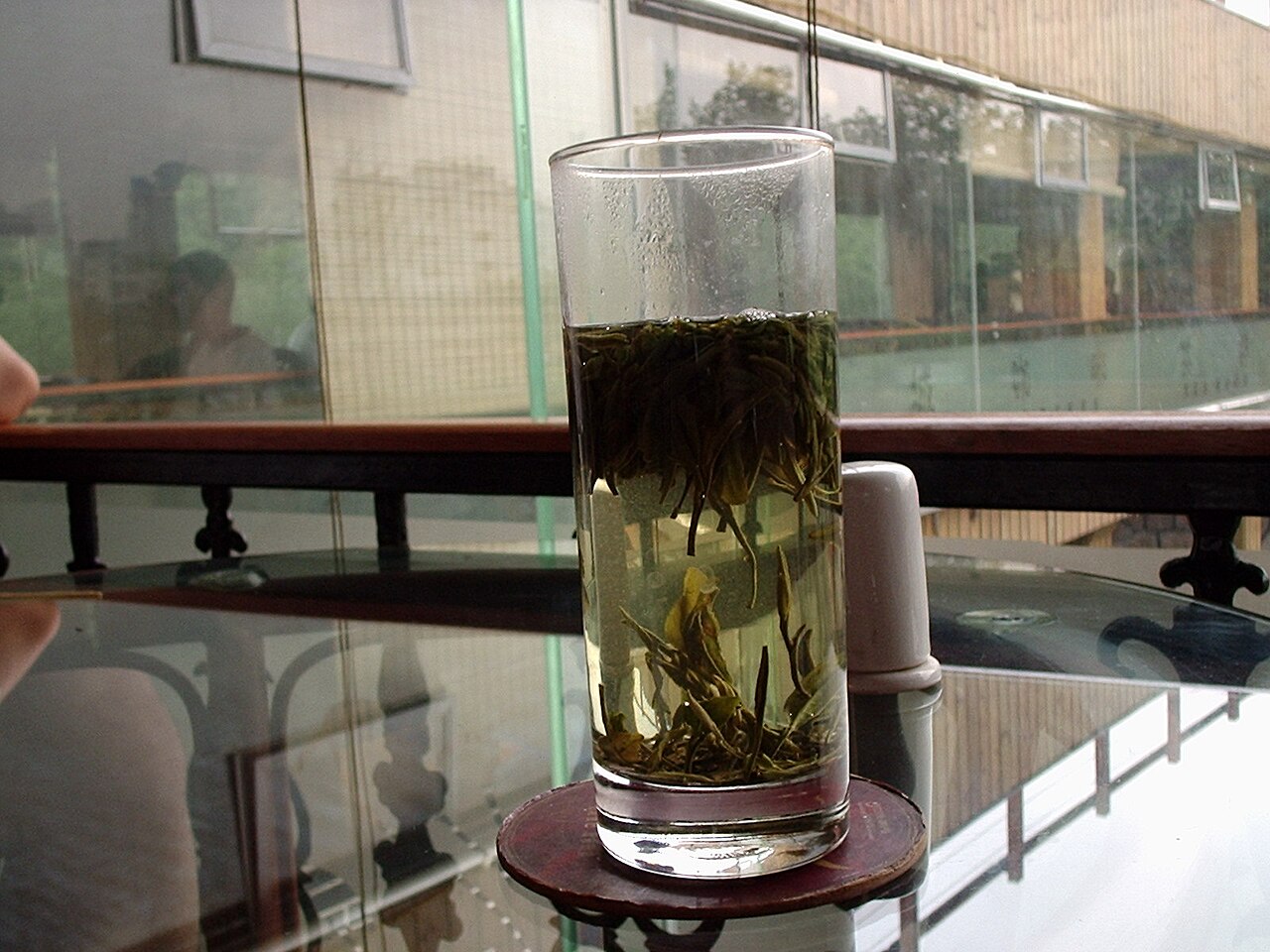
3. For many ordinary readers, fortified grains, enriched grain products, and breakfast cereals are not glamorous—but they are practical folate sources
One of the most neglected parts of folate discussions is the importance of fortified foods. NIH ODS explicitly states that folic acid is added to enriched breads, flour, cornmeal, pasta, rice, and breakfast cereals. The reason fortification matters is simple: it puts folic acid into foods that people eat often, repeatedly, and predictably. For many households, these sources can be more stable than the occasional highly “healthy” meal imagined in nutrition advice.
This deserves to be said clearly, because many readers instinctively think fortified foods are somehow less legitimate than natural folate sources. But from the perspective of actual intake, what appears reliably and repeatedly in everyday life is often more important than a theoretically ideal diet that never becomes a habit. Breakfast cereals, enriched breads, and fortified grain foods matter not because they are romantic, but because they are easy to repeat, easy to keep in routine, and easy not to forget.
That is also why tea can create a very practical problem without doing anything chemically dramatic. It can disrupt the moments when these foods are most likely to appear—especially breakfast. If someone could have had a real breakfast with cereal, bread, or another fortified grain item, but instead switches to tea on an empty stomach and delays food, the folate loss becomes very concrete. It is not abstract worry. Breakfast simply disappeared.
4. In preconception and early pregnancy, it is especially important not to rely on “eating more folate foods” alone, because public guidance explicitly requires supplements
This step matters a great deal. NHS guidance states clearly that if someone is trying to conceive or could become pregnant, they are usually advised to take 400 mcg of folic acid daily from before pregnancy until 12 weeks of pregnancy; it also explicitly notes that it is difficult to get the amount recommended for a healthy pregnancy from food alone, which is why supplementation matters. CDC makes the same point: all women who could become pregnant should get 400 mcg of folic acid daily because neural tube defects occur very early, often before pregnancy is recognized.
What does that mean in practice? It means that in certain stages and for certain readers, folate is not just a “try to eat a bit healthier” topic. It is a direct supplement task. Once that is understood, the thing tea should not be allowed to do becomes much clearer: it should not knock the supplement routine off course, it should not create the illusion that a generally “healthy-looking” diet is enough, and it should not replace or delay a folic acid habit that is supposed to be fixed and stable.
I think this is worth saying plainly because a lot of readers are pulled off course by vague “natural is better” language. That framing makes it sound as though careful food choice can fully replace supplements. But at least in preconception and early pregnancy, public guidance does not say that. It does not present vegetables or fruit as a substitute for folic acid supplementation. It places supplementation very clearly in the foreground.
5. So in real life, tea’s more common risk is not that it mystically “takes folate away,” but that it slowly displaces breakfast, meals, and supplements
If all the previous layers are put together, the more realistic way tea can create trouble is very ordinary. Some people drink strong tea first thing and then lose appetite, so breakfast shrinks. Some rely on tea to keep working and push lunch later and later. Some feel that because they drank a “healthy beverage,” the rest of the day must be under control, so they become less careful with actual food and supplements. Others let chaotic schedules and chaotic eating gradually turn supplement use into something irregular. In that situation, tea’s effect on folate may not show up as a neat absorption percentage. It may show up as the whole intake ecology drifting off course.
These patterns are extremely common and easy to underestimate. They do not sound as technical as “transport inhibition” or “bioavailability,” so they attract less attention. But for ordinary readers, they are often much closer to the truth. Folate is not built in one day and not usually lost in one day either. It is more often a question of whether sources and supplements have been kept in life over time. If tea makes breakfast easier to skip, leafy greens and beans easier to neglect, and supplements easier to forget, then it is already a meaningful folate problem in practical terms.
So the more grounded question is usually not “Does tea steal folate?” but “Is tea making the real folate sources and supplement routine less stable?” If the answer is yes, then tea timing, strength, total amount, and daily role deserve adjustment before abstract mechanistic debate.
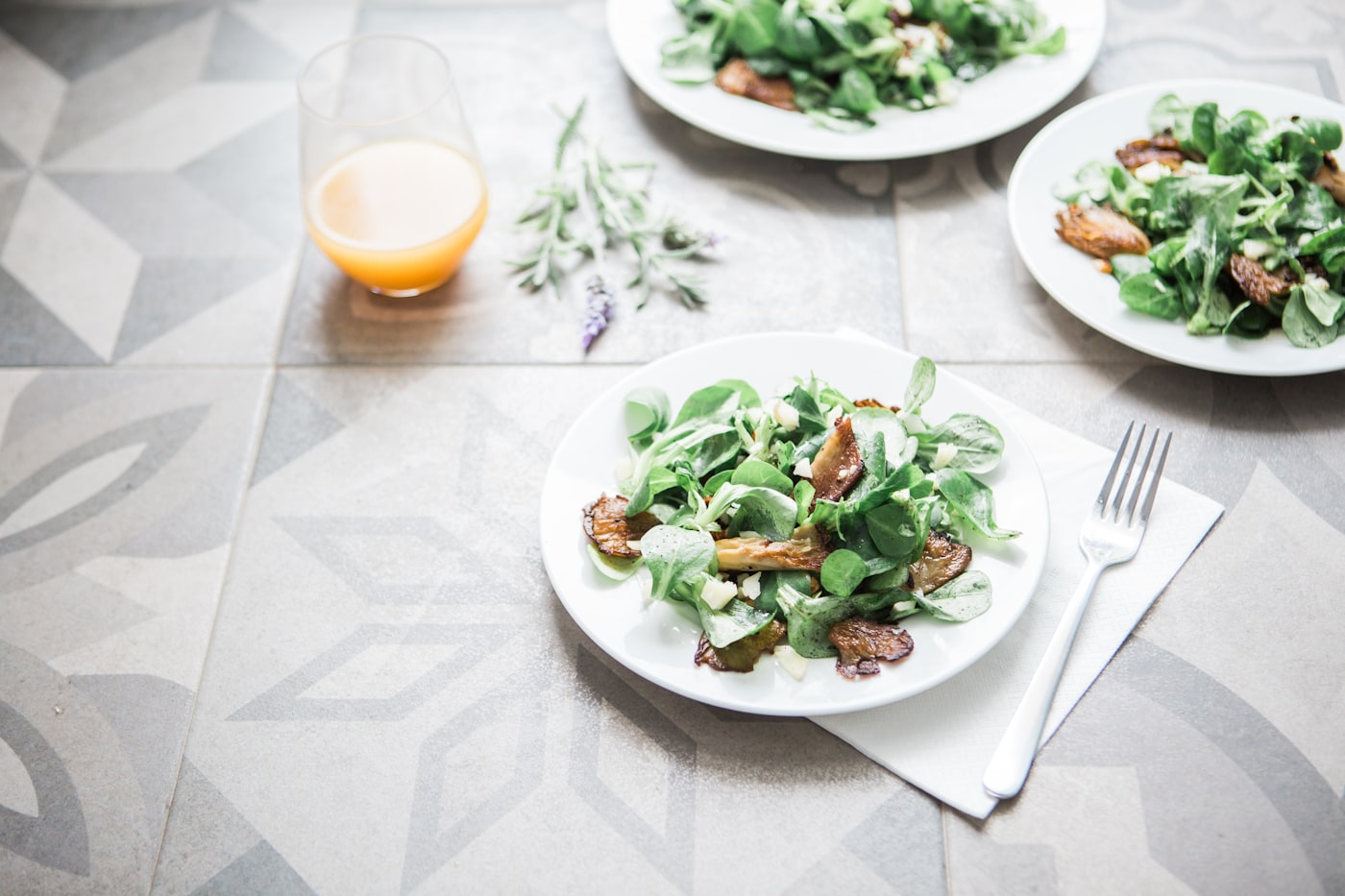
6. If ordinary readers really want to get folate management right, the most effective moves are usually very simple: protect sources, fix the supplement routine, and do not let tea replace eating
First, audit whether folate sources are actually present over time. Are dark leafy greens, beans, citrus, fortified grains, and breakfast cereals showing up through the week, or only occasionally?
Second, if you are in preconception, could become pregnant, or are in early pregnancy, fix the folic acid supplement habit. Do not use “I have been eating more vegetables lately” as a substitute. Public guidance is already clear that these stages usually cannot rely on food alone.
Third, do not let tea function as a breakfast substitute, a meal delay tool, or a false signal that nutrition is already handled. Tea can be a beverage, but it should not become the reason meals and supplements drift away.
Fourth, if you already worry about tea and folate, start with the lowest-cost adjustment. Take folic acid supplements with water, not at the exact same moment as strong tea; eat breakfast first, then have tea; do not use tea to carry the whole start of the day on an empty stomach.
Fifth, keep your attention on frequency, not one isolated cup. One cup of tea may not decide everything, but a whole pattern of unstable eating and supplement use absolutely can.
7. Conclusion: do not ask only whether tea “steals folate”; ask first whether the real folate supply and supplement routine are stable
If this article needs one careful conclusion, it is this: folate is mainly protected by stable food sources, fortified foods, and supplements when they are clearly indicated—not by hoping that avoiding one beverage will somehow save the whole system. So for most readers, the better first checklist is whether dark leafy greens, beans, citrus, and fortified grains are present; whether folic acid supplementation is being followed in preconception or early pregnancy; and whether tea has slowly displaced breakfast, meals, or supplements.
In other words, the more mature answer is usually neither “tea is completely harmless” nor “tea is the number-one folate enemy.” It is this: protect the real folate supply system first, and then optimize where tea sits inside daily life. That is much closer to useful nutrition management than obsessing over one cup alone.
Continue with Does tea affect folic acid supplement absorption? More important than asking whether tea can appear on the same day is making folic acid stable first, then avoiding taking it with strong tea, Can you still drink tea while trying to conceive or in early pregnancy? The priorities are usually not zero tea at all costs, but folic acid, total caffeine, and not letting tea displace meals, and Does tea affect vitamin B12 absorption? Before blaming tea, look first at stomach acid, intrinsic factor, long-term PPI use, and dietary sources.
Sources: NIH ODS: Folate Fact Sheet for Consumers, NIH ODS: Folate - Health Professional Fact Sheet, CDC: About Folic Acid, NHS: Vitamins, minerals and supplements in pregnancy, MedlinePlus: Folic Acid.