Research overview
Can tea actually “damage” your teeth? First separate tea stains, erosion, and cavities before judging the risk
On the Chinese internet, the discussion about tea and teeth often unfolds in three fast moves: people begin with “does tea make teeth look more yellow,” then slide into “so does tea erode teeth,” and then end up at “so does tea also cause cavities.” Those are not the same question. A more research-based reading separates extrinsic staining, dental erosion, and cavities into three different frameworks. Tea is more commonly involved in visible surface staining, but “looking more yellow” is not the same thing as enamel erosion, and it is not the same thing as moving toward tooth decay. What actually shapes the risk is usually drinking frequency, whether someone sips slowly all day, whether sugar is added, what the oral-hygiene background looks like, and which of the three questions is really being asked.
This topic keeps producing anxiety because it ties appearance anxiety to health anxiety. Many people first notice that their teeth do not look as bright as before, but what they immediately fear is that the tooth itself must be getting damaged. As a result, tea stains—something often closer to a surface and appearance-management issue—get upgraded into a much heavier structural-damage story.
The problem is that dentistry does not treat these words as interchangeable. Staining refers to color attaching to the tooth surface, the acquired pellicle, plaque, or tartar. Erosion refers to mineral loss from tooth structure after repeated acid exposure. Cavities involve bacteria, fermentable carbohydrates, time, and host factors acting together as a disease process. If those layers are not separated first, the whole argument goes off course.
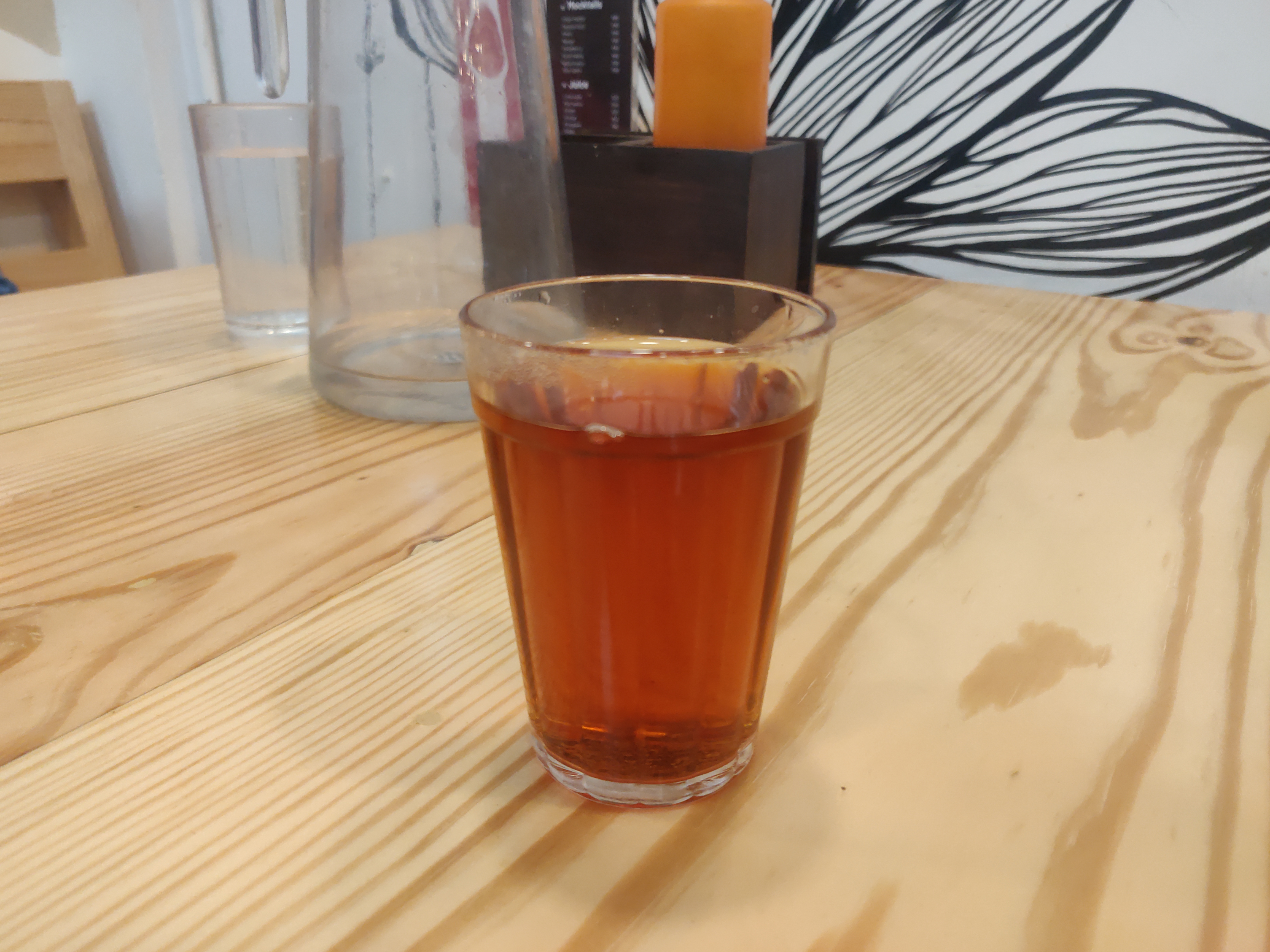
Research card
Topic: the real relationship between tea, surface staining, erosion, and cavities Key issues: extrinsic staining, enamel erosion, sweetened tea drinks, plaque control, daily brushing, and professional cleaning Best for: readers who drink tea often, notice color changes, and are unsure whether that means their teeth are being damaged Core reminder: color change, acid exposure, and cavity risk are three different questions. When asking whether tea harms teeth, first decide which one you actually mean.
1. The first correction: tea stains, erosion, and cavities are not synonyms
Everyday conversation often translates “my teeth look more yellow” directly into “my teeth are being damaged.” But darker-looking teeth may first simply reflect extrinsic staining. Tea, coffee, red wine, and tobacco can all make color more likely to remain on the tooth surface or on plaque-related layers, making teeth look less white. That is first a question of attachment and appearance, not automatic proof that hard tooth structure has already been injured.
Erosion belongs to a different framework. It concerns repeated acid exposure leading to mineral loss, softening of enamel, greater wear, and sometimes thinning edges or sensitivity. The central variable here is not whether a drink has visible color, but whether it creates meaningful, repeated acid exposure. Cavities are different again. Tooth decay depends more on plaque, bacteria, fermentable carbohydrates, time, saliva, and cleaning behavior than on the simple fact that a drink is dark.
So when someone asks, “my teeth look yellower after drinking tea—is tea damaging them?”, a useful answer does not begin with a blunt yes or no. It begins by asking whether the concern is visible staining, acid erosion, or decay risk. If the question itself is not layered properly, the answer will not be either.
2. What tea most visibly does is usually staining—not the same thing as ‘corroding’ teeth
It is not surprising that tea gets grouped into discussions about staining drinks. Tea has color, and it also contains polyphenolic and pigment-related compounds that fit into surface-staining discussions. Readers do not need to memorize the chemistry to understand the practical point: the more common visible effect of tea is that it can make extrinsic staining more likely, not that it should automatically be treated like a highly erosive acidic drink.
This is why tea stains make intuitive sense in ordinary experience: people can see color changes, and they may also see improvement after cleaning, polishing, or scaling. In other words, the issue is first about the outer surface environment of the teeth. If someone jumps from “tea has made my teeth look darker” straight to “tea is dissolving my enamel,” they are usually forcing together two mechanisms that should be discussed separately.
A steadier way to judge it is this: if the concern is mostly about looks, tooth color, or visible tea marks, the issue is probably closer to staining. If the concern is about sensitivity, thinning edges, post-acid discomfort, or repeated acidic exposure, then the conversation is moving toward erosion. They can exist in the same mouth, but they should not be treated as if they were automatically the same thing.
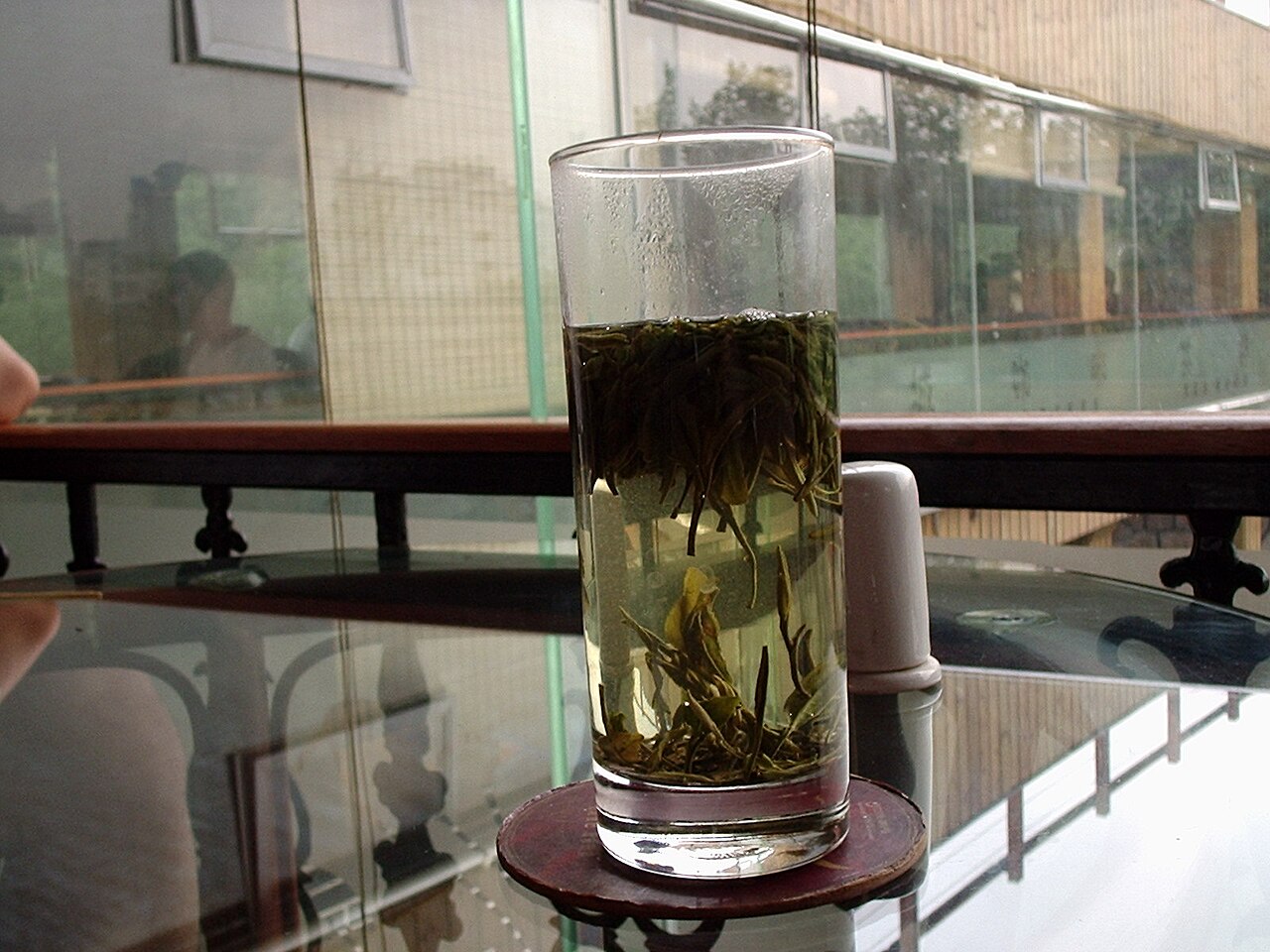
3. What fits the erosion framework more closely is usually acid exposure—not just something that looks dark
The core of erosion risk is the intensity, frequency, and pattern of acid exposure, not how dark a drink looks. Many people mistake “deep color” for “strongly corrosive,” but that is a sensory shortcut, not a reliable dental judgment. In practice, the classic erosion frame is more often used for acidic soft drinks, juices, sports drinks, sour snacks, reflux-related exposure, and other repeated acid challenges—not simply because a cup of tea looks dark.
This does not mean tea never belongs in tooth discussions. It means the relevant variable has to be the right one. If someone drinks tea beverages with added lemon, strong fruit-acid backgrounds, or spends the entire day repeatedly sipping more acidic tea drinks, then the useful discussion may indeed shift toward an acid-exposure pattern. But if the visible issue is mainly that tea leaves pigments behind, the main frame is still staining rather than corrosion.
In short, “dark in color” is not the same clue as “high in erosive potential.” When discussing erosion, attention should return to acid itself, frequency, retention time, and whether reflux or other acid backgrounds are present. When discussing tea stains, the focus should return to pigment retention, plaque control, professional cleaning, and daily hygiene. One of the easiest mistakes in online writing is to blend those two frameworks into one dramatic warning.
4. Cavities are a third logic again: the key is often not tea, but sugar and frequency
When people keep asking whether tea harms teeth, what they often fear most is decay. But cavities do not work through a simple “dark drink = more likely to rot teeth” model. Tooth decay depends much more on bacteria in plaque repeatedly meeting fermentable carbohydrates, especially the frequency of sugar exposure, the quality of cleaning, salivary buffering, and whether the exposure is prolonged and repeated.
That is why plain leaf tea, unsweetened tea, sweetened milk tea, fruit tea with added sugar, and tea drinks with chewy add-ins should never be treated as if they were the same object inside a cavity discussion. Many people say they are asking whether “tea causes cavities,” but what really needs discussion is: does the drink contain sugar? Are you sipping it slowly all day? Do you leave the mouth uncleansed for long periods afterward? Has it become an all-day companion drink?
In other words, if the concern is decay, the more important variables are often “sweet, sticky, prolonged, and frequent”—not simply “tea-colored.” A drink that looks clear or light is not automatically cavity-safe if it keeps the mouth in a repeated sugar-exposure cycle.

5. Why do people mix all three questions together so easily? Because they all begin with “something seems off”
For most people, the earliest signal is not a technical dental label but a vague feeling: teeth look duller, the surface seems less clean, cold drinks feel sharper, or there is worry about decay. Those experiences feel connected, so it becomes easy to compress them into one sentence: “maybe I’ve been drinking too much tea lately.”
Professional judgment does the opposite. It breaks the feeling apart. Visible color change first raises a staining question. Sensitivity or edge changes point more toward erosion or wear. Cavities bring the conversation back to sugar exposure and plaque control. If that separation never happens, personal experience gets absorbed into the internet’s favorite storyline—that one drink category must explain every outcome.
That is why useful science writing should not rush to produce a slogan like “tea is safe” or “tea is harmful.” It should first help readers rename the problem correctly. A great deal of anxiety comes not from tea itself, but from treating different oral-health problems as if they were one enemy.
6. In daily life, what helps is category-specific management—not a reflexive ban on tea
If the real concern is tea stains and visible color, the practical focus is reducing long, repeated staining exposure, keeping brushing and cleaning between teeth stable, and using professional cleaning when needed. In that category, many visible changes can often be improved through maintenance and cleaning. The useful target is not panic, but retention conditions.
If the real concern is erosion, then the attention should shift back to acid exposure itself: are you drinking acidic tea beverages, sipping them all day, or combining them with reflux-related acid stress? In that framework, the problem is not tea color, but acid contact pattern.
If the real concern is cavities, then sugar and frequency deserve the spotlight. This is why simple NHS oral-hygiene advice matters so much: use fluoride toothpaste, brush thoroughly twice a day, clean between the teeth, and do not rinse all the fluoride away immediately after brushing. For tooth decay, those basic habits often matter more than arguing about whether tea is “natural.”
So tea itself is not mysterious. What matters is the scenario into which you place it: ordinary unsweetened tea, sweetened tea drinks, fruit-acid tea beverages, all-day slow sipping, poor cleaning, or a mouth already prone to plaque and tartar accumulation. The discussion changes with the scenario.

7. The four points most worth remembering
First, tea stains are not the same thing as erosion. Darker-looking teeth more often indicate surface color attachment, not automatic enamel corrosion.
Second, erosion is not the same thing as cavities. Erosion tracks acid exposure; cavities track sugar, plaque, and time. Both matter, but they are not one process.
Third, if the concern is tooth decay, the bigger warning sign is often added sugar plus frequent slow sipping. What pushes risk upward is often not the word tea, but the use of sweet tea drinks as an all-day exposure source.
Fourth, the useful response is not “stop drinking tea,” but “put cleaning habits, drinking pattern, and the correct risk frame back in order.” Once the question is named correctly, the response becomes more effective.
8. Conclusion: tea can leave traces, but one word should not be used to describe three different kinds of dental risk
If this article had to be reduced to one sentence, it would be this: when teeth look more yellow after tea, the issue is usually closer to extrinsic staining; if the concern is enamel damage, the relevant frame is acid exposure; if the concern is cavities, the more important variables are sugar and frequency. Once tea stains, erosion, and cavities are collapsed into one phrase like “tea damages teeth,” the conclusion becomes both exaggerated and blurry.
For most people, the more useful move is not panic-driven tea avoidance, but better question-setting: am I worried about color, erosion, or cavities? Then judge pigment retention, acid-exposure pattern, sugar intake, and oral-hygiene behavior separately. What tea really forces us to face is not a simplistic “can I still drink it?” verdict, but whether we are willing to place appearance, mechanism, and daily habit back into the same realistic frame.
Continue with Does tea make your teeth look more yellow? First separate extrinsic staining, surface cleaning, and the myth that tea automatically damages teeth, When tea feels risky, is the bigger problem sugar, caffeine, or temperature itself?, and Do real-leaf brewing, low sugar, and short ingredient lists automatically mean a healthier tea drink?.
Source references: NHS: How to keep your teeth clean, NCBI Bookshelf / StatPearls background reading, and Tea and Health: Studies in Humans.