Research explainer
Can tea affect warfarin? The real issue usually isn’t “all tea is dangerous,” but large vitamin K swings, very high green tea intake, and treating drinks like supplements
“Can you still drink tea while taking warfarin?” is often flattened into very crude answers. One version treats tea—especially green tea—as a dangerous drink for anyone on anticoagulants, as if one cup would immediately throw INR off. The other shrugs the whole thing away and says tea is just an ordinary beverage, so it does not deserve special mention. The answer that fits public medical sources better is more restrained than either extreme: for people using warfarin, the key issue is usually not banning “all tea,” but keeping vitamin K intake relatively consistent, avoiding suddenly starting very large amounts of green tea or green tea extracts, and telling a clinician or anticoagulation clinic before making meaningful changes.
To explain this clearly, it helps to separate “tea,” “vitamin K,” “warfarin,” “INR monitoring,” and “real-world drinking amount” instead of collapsing them together. Warfarin’s anticoagulant effect is tied to vitamin-K-dependent clotting factors, and the NIH ODS vitamin K fact sheet is explicit that people taking vitamin K antagonists such as warfarin need consistent vitamin K intake. That does not mean every food or drink containing vitamin K must disappear forever. It means today’s intake should not be close to zero, tomorrow’s extremely high, and the next day back to none. In medication management, sudden swings are often more dangerous than the mere existence of the food itself.
That is why the most practically important situations are often not an occasional ordinary cup of tea, but the patterns that meaningfully change vitamin-K-related intake or make dose management harder: suddenly drinking very large amounts of green tea, treating green tea as a “health push” beverage and consuming it aggressively, using concentrated green tea extracts, or sharply changing a long-term diet pattern without discussing it first. Once that logic is restored, the question stops being “is tea allowed?” and becomes has your intake changed suddenly, is the amount extreme, and does your INR management need reassessment?
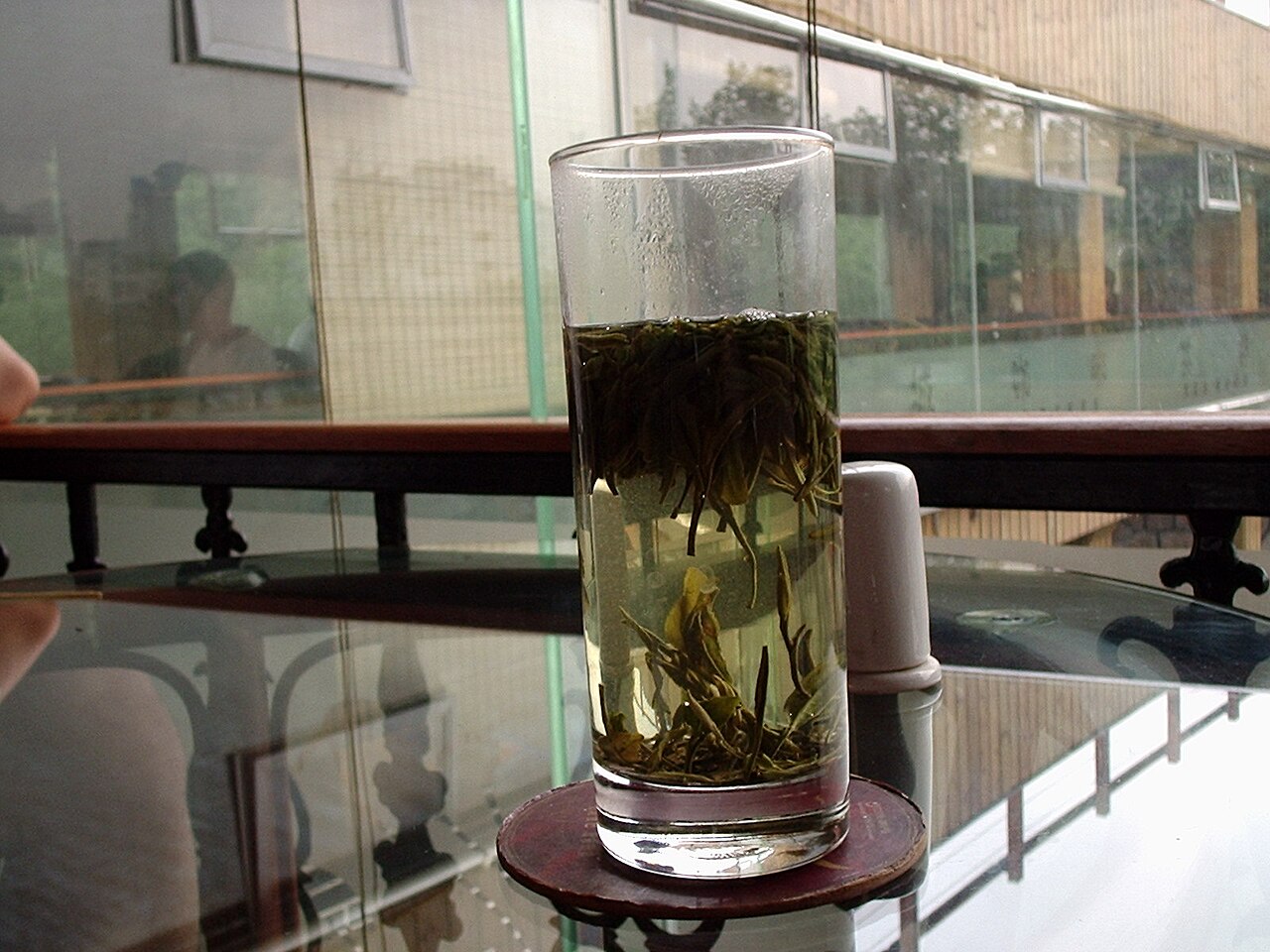
Research snapshot
Topic: the real relationship between tea, vitamin K, and warfarin management Core question: can tea affect warfarin, and what situations actually deserve caution? Who this is for: people taking warfarin, families managing long-term anticoagulation, and anyone planning to change tea habits or start heavy green tea / green tea extract use Core reminder: public medical guidance emphasizes consistency and monitoring more than blanket prohibition; but very large green tea intake, extracts, and sudden diet shifts deserve special care
1. The basic mechanism matters first: what warfarin really “dislikes” is not the word tea, but disrupted vitamin K intake and disrupted dose management
The fact that warfarin requires repeated INR monitoring already tells you it is not a medicine that works well with casual, untracked diet changes. The NIH ODS vitamin K professional fact sheet explains the basic biology clearly: vitamin K is involved in the synthesis of clotting-related proteins, and warfarin works by antagonizing vitamin K activity. That is exactly why people taking this kind of anticoagulant are advised to keep vitamin K intake relatively consistent rather than making it swing wildly. The clinical principle is simple, but public discussion often mistranslates it into “avoid everything with vitamin K.” In practice, that can be misleading, because it quietly replaces “stay stable” with “avoid completely.”
Why is stability more important than chasing zero? Because anticoagulation management never happens in a vacuum. Clinicians adjust warfarin dosing against the background of your usual diet, lifestyle, and past INR behavior. If someone already eats some leafy greens or drinks a stable amount of tea and their INR remains steady, the practical priority is usually to stay steady—not to panic and cut everything out. By contrast, if someone previously had little exposure and suddenly starts drinking large volumes of green tea, juicing high-vitamin-K foods, or adding concentrated extracts, that abrupt change is exactly the kind of thing that complicates dosing and interpretation.
So at the mechanism level, the core message is not “tea equals danger,” but warfarin management is especially vulnerable to large swings and sudden intensification. That principle sits underneath every practical recommendation that follows.
2. Why is green tea singled out so often? Because there really is a published case report—but what it supports is caution about very high intake and intake change, not a ban on all tea
Green tea gets singled out partly because of a classic published case report. PubMed indexes a 1999 report in Annals of Pharmacotherapy describing a patient taking warfarin whose INR fell markedly after he began drinking roughly half a gallon to one gallon of green tea per day; when the green tea was discontinued, the INR rose again. The authors proposed that green tea may antagonize warfarin because of vitamin K content. This case is worth knowing because it shows that the tea–warfarin issue is not purely internet folklore.
But what the case really supports is a narrower and more careful conclusion: when intake is extreme, and especially when it represents a clear change from prior habits, green tea may interfere with warfarin management. It does not automatically mean every tea, every amount, and every tea drinker is in the same situation. Turning one case report into “all tea is dangerous” or “warfarin users must never touch tea” is an evidence-level leap.
That is also why Memorial Sloan Kettering Cancer Center phrases the issue more like a clinical caution than a blanket prohibition. Their green tea page notes that, theoretically, consuming very large amounts of green tea—such as half a gallon to one gallon per day—may provide enough vitamin K to antagonize anticoagulant or antiplatelet effects. The important phrase there is not merely “green tea.” It is very large amounts.
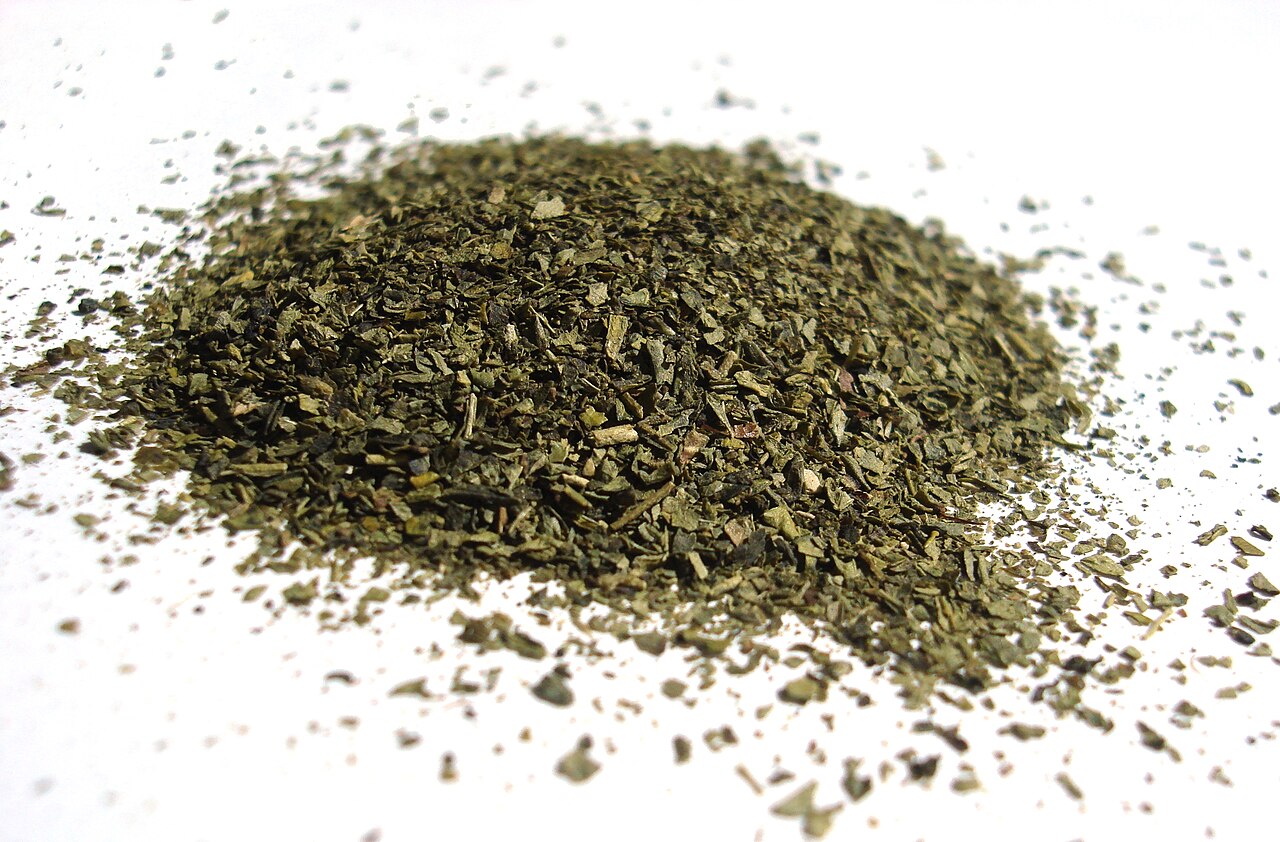
3. What are NHS and NIH actually warning about? Not sudden diet overhauls, and not treating “natural drinks” as exempt from disclosure
The NHS warfarin guidance includes one especially important practical instruction: do not make big changes to your diet without speaking to your doctor while taking warfarin. It also notes that foods high in vitamin K, such as broccoli, spinach, and other leafy greens, can affect how warfarin works—but the point is not that you can never consume them again. The point is to discuss them with the warfarin clinic. That is fully consistent with the NIH ODS emphasis on keeping vitamin K intake consistent. Both sources are mainly pushing back against sudden, dramatic, undisclosed change.
That is why “tea is only a drink, so I don’t need to mention it” is not a very safe assumption. In real life, many people do not think of their new “healthy drink routine” as a medication-management variable. They may suddenly replace much of the day’s fluid with green tea, do it for weeks, start products marketed for catechins, detox, or fat loss, or move from hardly drinking tea at all to repeatedly steeping strong green tea every day. For the average person, that may feel like a lifestyle tweak. For someone taking warfarin, it may be exactly the kind of intake change that deserves advance notice.
So the clinical message is never really “tea is natural, therefore safe” or “tea is natural, therefore dangerous.” It is that once a beverage meaningfully alters your stable vitamin-K-related intake and daily pattern, it belongs inside anticoagulation management. The same logic applies to tea, leafy greens, and supplements alike.
4. The situations most worth worrying about are usually not one ordinary hot cup, but three real-world patterns: very high intake, extracts, and sudden change
If I had to rank the most practical risk scenarios, I would group them into three. The first is very high green tea intake. Both the published case and the MSK caution point in this direction: not ordinary social drinking, but intake so large that green tea becomes a dominant fluid source or part of a self-imposed “health push.” The second is green tea extracts or high-concentration supplements. These products are no longer simply “a cup of tea.” They turn an everyday beverage into a stronger exposure and may bring other safety issues, including liver-related concerns. The third is sudden change: a previously stable eater abruptly starts consuming much more green tea, vegetable juice, leafy greens, or supplements because of dieting, wellness trends, or social media advice.
These situations matter more than the abstract question of whether tea was consumed today because they all point to the same management problem: dose interpretation and INR monitoring may be disrupted. Warfarin has never been hard to manage because some food exists in the world. It becomes hard to manage when a patient’s actual intake pattern shifts meaningfully before the clinician knows about it. Online discussion often fails because it turns risk into a kind of naming superstition—as if anything called green tea is automatically dangerous regardless of amount, concentration, or pattern; or, conversely, as if anything called tea can be ignored.
The clinically realistic approach is much more ordinary: if you are taking warfarin, do not suddenly start drinking exaggerated amounts of green tea, and do not add green tea extracts, powdered “wellness” mixes, or concentrated products as if they were irrelevant. If you plan to do that, contact your clinician, pharmacist, or anticoagulation service first and ask whether INR monitoring needs to be tightened.
Many people draw a completely different psychological line between “supplements” and “drinks.” They assume supplements should be disclosed, but beverages do not matter. Tea-related products are tricky because they can sit on both sides of that line. They can be a mild cup of tea, or they can become high-concentration extracts, very large daily intake, or products sold with strong functional claims. For someone on warfarin, the lazy mistake is to see the words “natural,” “herbal,” or “daily drink” and automatically stop reporting it.
If this has to be translated into one practical sentence, it is this: don’t mythologize tea, but don’t treat it as a diet variable that never needs to be mentioned either. Once the amount rises, the concentration rises, or the pattern changes, it is no longer just “the usual cup.”

5. So how should ordinary tea drinking be understood? Not through fear, but through stability, records, and early communication
If you are taking warfarin, one of the least helpful things you can do is panic and keep changing your habits in reaction to fragmented internet advice. Cutting out tea completely today, returning to heavy tea drinking two weeks later, then suddenly changing leafy-green intake or supplements as well—that kind of back-and-forth is often harder to manage than a stable routine. NIH and NHS both emphasize consistency for exactly this reason: dose interpretation and INR trends only make sense against a relatively steady life pattern.
So the more realistic framework is usually this: if you already have a stable tea habit, do not radically change it just because a frightening post told you to panic. If you are planning to increase green tea substantially, begin using “wellness” green tea products, add green tea extract, or make other obvious changes that could affect vitamin-K-related intake at the same time, tell your clinician or anticoagulation clinic first. Very often the question is not “allowed or forbidden,” but “should INR be monitored more closely?” and “does your dose need to be interpreted against a new real intake pattern?”
That is why the worst possible answer to “can I drink tea on warfarin?” is often a simple “yes” or “no.” The more honest answer is that stability, amount, sudden change, and clinician awareness usually matter more than the word tea itself.
6. Conclusion: do not turn all tea into an anticoagulation no-go zone, but do not ignore very high green tea intake, extracts, or sudden diet change either; warfarin management depends on consistency
If this article had to be reduced to one sentence, it would be this: for people taking warfarin, the real danger is usually not “all tea is dangerous,” but large swings in vitamin-K-related intake and diet pattern—especially sudden heavy green tea intake, green tea extracts, or major habit changes made without discussion.
There are two easy ways to get this wrong. One is to turn tea into a blanket forbidden category, as if all tea drinking automatically undermines anticoagulation. The other is to pretend natural beverages have nothing to do with medication management. The position that better matches public evidence and clinical logic sits between those extremes: a stable daily pattern is usually safer than emotionally driven stop-start behavior, and the situations that deserve extra caution are very high intake, concentrated extracts, and abrupt undisclosed change.
So the most useful conclusion for readers is not fear, but management awareness. If you or a family member takes warfarin, tea is not a topic that should be settled by a short video slogan. Keep diet and tea habits stable, communicate before major changes, and repeat INR testing more closely when needed. That is usually far more valuable than any simplistic “allowed / not allowed” answer.
Research limits
- The classic green tea–warfarin publication is important, but it is still a case report, which means it cannot by itself prove that every tea, every dose, and every person carries the same level of risk. - Institutional sources are stronger on mechanism and management principles: keep vitamin K intake consistent, and disclose big diet changes. They do not provide one universal forbidden-tea list. - Real-world risk depends not only on tea type, but on amount, concentration, extract use, whether other vitamin-K-related foods are changing at the same time, and how stable the person’s INR already is. - So the safest conclusion remains management and communication first, not reliance on one absolute internet slogan.
What this means for ordinary readers
If you want one practical sentence, it is this: while taking warfarin, do not suddenly start drinking very large amounts of green tea, and do not add green tea extracts as if they were just ordinary beverages; if you plan meaningful changes in diet or tea habits, tell your clinician or anticoagulation service first. That is usually more important—and more protective of medication safety—than arguing online about whether tea is “forbidden.”
Continue with Does tea really help keep blood pressure steadier? Don’t collapse short-term stimulation, long-term observation, and firm blood-pressure conclusions into one line, Can tea cause palpitations? The real questions are usually caffeine threshold, fasting, sleep, and individual sensitivity, and Green tea extract, EGCG, and liver risk: the real concern is usually not daily tea drinking, but high-dose supplements.
Source references: NIH ODS: Vitamin K - Health Professional Fact Sheet, NHS: Warfarin, PubMed: Probable antagonism of warfarin by green tea, Memorial Sloan Kettering Cancer Center: Green Tea.