Research explainer
Does Tea Raise Cholesterol? Tea Itself Usually Isn’t the Source — Milk, Creamer, and the Drink’s Full Structure Matter More
“My cholesterol has been high lately — did I drink too much tea?” Questions like this are common, especially when someone’s idea of “tea” includes not only plain brewed tea but also milk tea, light milk tea, cheese foam tea, instant milk tea, or tea lattes. The real answer is more specific: tea leaves and plain tea usually are not a cholesterol source, but added milk, cream, nondairy creamer, rich toppings, and the overall high-sugar high-fat structure of a commercial drink can move the conversation into cholesterol and lipid management. Mixing all of that together under the single word “tea” is one of the most common avoidable mistakes.
The question “does tea raise cholesterol?” is often framed badly not because people know nothing about nutrition, but because modern tea drinking is no longer just leaves and water. In daily life, many people use the word “tea” to cover bottled milk tea, fresh milk tea, thick milk tea, cream-topped tea, instant milk tea, and even mixed tea-and-coffee drinks. Then a blood test shows elevated total cholesterol or LDL, and the first suspect becomes “tea” as a whole.
From a research perspective, this is exactly where you need to slow down. Cholesterol itself is easy to misuse as a term: sometimes people mean cholesterol in foods, sometimes blood markers like LDL, HDL, and total cholesterol, and sometimes the more relevant issue is not whether the drink contains cholesterol at all, but whether its saturated fat, trans fat risk, calories, and drinking pattern push the body toward a worse lipid profile over time. If those layers are not separated, the discussion gets messy fast.

Research snapshot
Topic: where tea ends and cholesterol-relevant commercial drink structure begins Core question: is plain tea itself a cholesterol source, and what actually deserves attention in milk tea or creamer-heavy tea drinks? Who this is for: readers managing blood lipids, noticing higher cholesterol on lab work, or wondering whether their regular tea habit is really the problem Core reminder: plain tea usually is not the cholesterol source; the more useful questions involve milk, cream, nondairy creamer, saturated fat quality, drink size, sugar load, and how often the drink appears in daily life.
1. Start with the basic fact: where does cholesterol come from?
In the American Heart Association’s public explainer, cholesterol in the body comes partly from the liver and partly from foods from animals. For everyday readers, that framing already matters a lot: dietary cholesterol is generally associated with animal-derived foods such as meat, poultry, eggs, and dairy. Tea leaves are not animal foods, and plain brewed tea is not a dairy product, so it usually does not belong in the category of drinks that directly provide dietary cholesterol.
But that is only the first layer. The second layer is that in real life, many foods and drinks influence lipid management not only through how much cholesterol they contain, but through saturated fat, trans fat, calorie load, and repeated intake patterns. NHS guidance is very plain about this: eating too much saturated fat can raise LDL cholesterol, and trans fats from partially hydrogenated oils can worsen cholesterol-related risk as well. In other words, the more useful question is often not “does this contain cholesterol?” but “does this drink push my overall fat quality and lipid risk in the wrong direction?”
Once that is clear, many misunderstandings cool down on their own: plain tea usually is not the center of the problem; the structure changes when tea becomes a milk-heavy, cream-topped, creamer-based, or otherwise rich commercial drink.
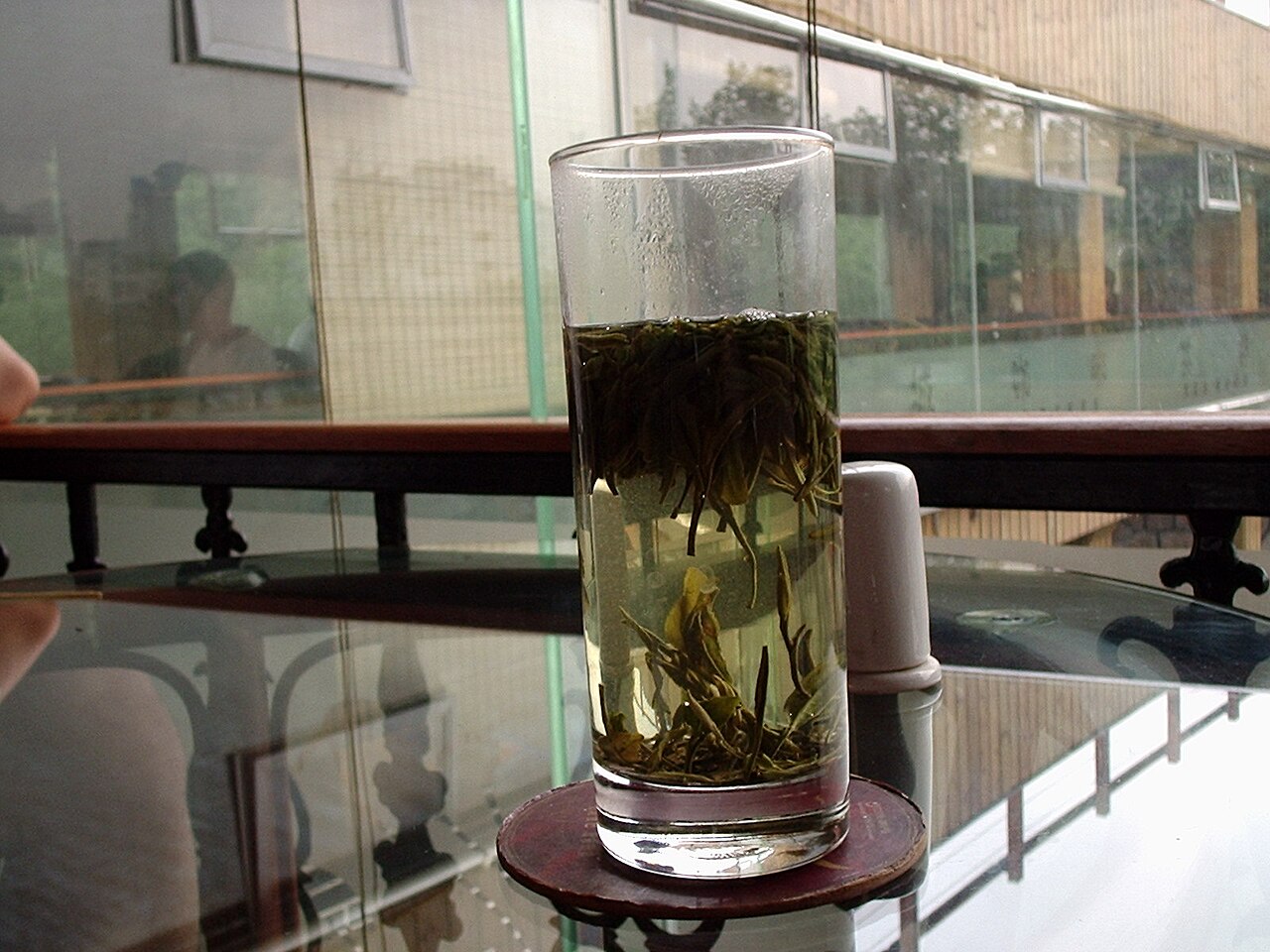
2. Why do people so easily confuse “tea” with “cholesterol problems in milk tea”?
Because in ordinary conversation, “I had three teas today” may include one plain tea, one fresh milk tea, and one cheese foam oolong. Consumer language does not do nutritional classification for you, and memory usually does not either. In the chain-drink era, one of the things brands do best is preserve the feeling that you are still basically “drinking tea,” even when the product has become a fairly complete sweetened dairy-style beverage.
That creates a very practical consequence: when cholesterol markers look worse, suspicion lands first on “tea” as a whole instead of on the specific composition of the drinks. But research-based thinking has to be more precise. Plain tea, fresh milk tea, thick milk tea, cheese foam tea, and creamer-based instant milk tea may all be called “tea” by consumers, but they do not mean the same thing in cholesterol or lipid management.
If a drink contains milk or cream, the issue shifts toward milk fat, saturated fat, and total drink structure. If it uses nondairy creamer or powdered bases, the more useful questions involve fat source, saturated fat level, and whether partially hydrogenated oils are involved. If it is also large, sweet, and highly repeatable, then the real issue is no longer “does tea raise cholesterol?” but whether the drink functions as a high-frequency commercial beverage that gradually worsens the overall intake pattern.
3. Why plain tea itself usually should not be treated as the main culprit?
Because by source, it is neither an animal food nor a dairy fat. More importantly, the research conversation around tea and blood lipids usually points in the opposite direction: not “tea pushes cholesterol upward,” but “some tea-related interventions, especially in green tea research, have shown signals of small reductions in total cholesterol or LDL.” That does not mean tea should be sold as a lipid-lowering tool, but it does show that mainstream evidence does not usually treat plain tea as a direct cholesterol risk source.
That is why I dislike the blanket line “tea raises cholesterol.” The biggest problem with that sentence is not just that it is inaccurate. It is inaccurate because it collapses together things that need to be sorted first. If you drink unsweetened plain tea, it usually is not the most direct line in the “where does cholesterol come from?” discussion. If you drink large sweet milk teas, cheese foam teas, or heavy milk drinks, the real driver is not the tea leaf but the full commercial drink structure and frequency.
Many people are not really asking “does plain brewed tea provide cholesterol?” They are asking “could the rich commercial tea drinks I have been drinking often be making lipid management harder?” Those are very different questions. The first is about basic food-source logic. The second is about real-life diet pattern management.
Once you rewrite the question in the second form, the answer becomes much clearer. Yes, it can matter — especially when the drink combines dairy fat or creamer with sugar, toppings, and frequent repetition. But then the point is no longer “tea is bad.” The point is that what you are drinking is no longer just tea.

4. What changes once milk is added? At that point, you should stop judging it like plain tea
As soon as tea includes milk, evaporated milk, cream, condensed milk, or a cheese foam topping, it enters a different nutritional logic. In the American Heart Association framing, animal-derived foods contribute dietary cholesterol, and many such foods also come with saturated fat. NHS guidance emphasizes that saturated fat deserves special attention because it can raise “bad” LDL cholesterol.
So when people ask whether fresh milk tea raises cholesterol, the better answer is not a simple yes or no. It is this: fresh milk tea is no longer plain tea, so the judgment should shift toward milk amount, saturated fat, sugar, portion size, and drinking frequency. If the milk amount is moderate, sugar is not excessive, and frequency is low, it is not the same thing as a heavy sweet commercial drink. But if “real milk” or “light milk” is translated into “safe to drink very often,” the usual mistake returns immediately.
Milk changes the structure of the question, but it does not answer the question by itself. The useful issue is not simply whether milk is present, but what the drink becomes because of it.

5. Why should nondairy creamer and older “non-milk” routes not be treated as harmless either?
Because many consumers assume that if a product is not based on animal milk, it has little to do with cholesterol concerns. That logic is incomplete. It is true that plant-derived ingredients do not automatically provide dietary cholesterol. But lipid management is not only about whether a food literally contains cholesterol. NHS guidance matters here again: trans fats from partially hydrogenated oils, and generally high saturated fat exposure, can also push cholesterol risk in the wrong direction.
That is why older-style milk teas, instant milk teas, or very rich powdered drinks should not be treated as cholesterol-friendly simply because they are not built on fresh dairy. The issue is not whether they are “milk-free.” The issue is whether they worsen fat quality and total intake through another route. For ordinary readers, the most practical takeaway is not memorizing ingredient chemistry. It is remembering this sentence: not having animal milk does not automatically make a drink more favorable for blood lipids; what matters is the fat source, saturated fat level, possible partially hydrogenated oils, and how often the drink shows up in your routine.
So these two statements need to remain true together: “plain tea usually is not a cholesterol source,” and “creamer-based milk tea should not be automatically cleared just because it is not dairy.” Remove either half and the judgment becomes distorted.
6. Why does light milk tea so easily create the feeling that the problem has already been solved?
Because in modern consumer language it looks like a perfect middle state: not old-style creamer milk tea, but also not plain unsweetened tea. It carries images of “real milk,” “lighter burden,” “cleaner taste,” and “more like real food,” so many people instinctively assume that cholesterol and lipid concerns are probably much less relevant now.
That impression has some basis in reality, but it is also easy to over-read. Fresh milk routes are often easier to understand than creamer routes and usually feel closer to recognizable ingredients. But a research-level judgment remains restrained: relatively better is not the same thing as light enough; replacing creamer with fresh milk does not mean frequent intake no longer matters for lipid management. If a light milk tea is still large, sweet, milk-heavy, and consumed often, the problem does not disappear just because the drink sounds more responsible.
I would rather frame light milk tea this way: in some real-world cases, it may be a more reasonable option than an older heavy milk tea. But you should not stop asking whether it is still too large, still too sweet, or still showing up too often simply because it is better than something else.

7. The more useful question is not “does tea raise cholesterol?” but these five checks
First, is this actually plain tea? If yes, there is usually little reason to fear it as a dietary cholesterol source.
Second, does it contain visible milk, cream, cheese foam, or dairy-heavy toppings? If yes, the focus should shift to milk fat, saturated fat, and frequency.
Third, does it rely on nondairy creamer, powdered base, or older-style rich flavor systems? Then the fat quality matters more than whether it literally contains milk.
Fourth, is it large, sweet, and frequent? Many lipid-management problems are not about one serving. They are about repetition.
Fifth, are you turning a commercial beverage problem into a tea problem? This is the key step, because management goes wrong quickly when the object is mislabeled from the start.
8. How should ordinary readers use this framework?
If your cholesterol is high and you also drink tea regularly, the first step is not to ban all tea at once. The first step is to classify what you actually drink: how much is plain tea, how much is fresh milk tea, how much is cream-topped or thick milk tea, how much is instant or powdered milk tea, and how sugary and frequent these drinks really are. Once you do that, vague anxiety starts turning into a specific pattern you can actually judge.
The second step is to ask what each drink is replacing. If plain tea replaces sugary beverages, it usually is not the center of the problem. If light milk tea replaces heavier older-style milk tea, that may be a relative improvement. But if “lighter-burden” branding makes you go from an occasional weekly drink to one or two drinks almost every day, then frequency itself rewrites the meaning.
The third step is not to collapse “cholesterol in food,” “LDL and HDL in blood tests,” “saturated fat exposure,” and “calorie excess” into one word. Research does not struggle because things are complex. It struggles when people pretend they are simple. And for ordinary readers, what is most useful is not a universal slogan but knowing which layer they are actually trying to manage.
Research limits
- This article focuses on the boundary between tea as a cholesterol source and commercial tea drink structure as a lipid-management issue; it is not a medical diagnosis of abnormal blood lipids. - Different guidelines place slightly different emphasis on dietary cholesterol, saturated fat, and trans fat, but broadly agree on improving fat quality and overall eating patterns. - Real-world milk tea, light milk tea, cheese foam tea, and instant milk tea vary greatly in formulation, so no single brand image should be treated as the whole category. - Elevated cholesterol and LDL usually involve multiple factors, including total diet, body weight, activity, genetics, sleep, and medication adherence, not one beverage alone.
What this means for ordinary readers
If what you drink is plain tea, you usually do not need to imagine it as a cholesterol source. If what you drink is a milk-heavy, cream-topped, creamer-based, sugary commercial tea drink, then the thing to manage is not “tea” as a word, but the drink’s fat quality, sugar load, total size, and frequency. That is not about defending tea. It is about putting responsibility back where it actually belongs. Lipid management gets easier the moment you stop asking the wrong question.
Continue with Can tea lower cholesterol and improve blood lipids? There are small positive signals in research, but tea is not a natural lipid-management plan, Milk does not automatically mean lighter: protein, lactose, and the health halo around modern light milk tea, and Do real-leaf brewing, low sugar, and short ingredient lists automatically mean a healthier tea drink?.
Sources: American Heart Association: What Is Cholesterol?, NHS: Facts about fat, NHS: High cholesterol, and NCCIH: Green Tea.