Research overview
Why bottled unsweetened tea talks about polyphenols, caffeine, and real-tea taste at the same time
In the latest wave of Chinese online beverage discussion, bottled unsweetened tea has become a remarkably revealing category. It is framed as the drink you can finally buy often without obvious guilt; as a desk-side survival tool for long workdays; as a softer alternative to coffee; and as something more rational than milk tea, soda, or fruit-heavy sweet drinks. Product language often stacks the same set of ideas together: tea polyphenols, caffeine, real-tea extraction, unsweetened, and tea aftertaste. That combination makes the drink feel like more than a beverage. It starts to look like a modern solution that can hydrate, sharpen, and stay light at the same time. From a research-minded perspective, however, that story contains both real value and an easily exaggerated health halo.
The popularity makes sense in a broader consumer context. Fresh tea brands have spent years teaching people to care about real tea bases, lower sugar, lighter milk, and cleaner ingredient structures. Packaged drinks have responded by reinventing what “unsweetened tea” means on the shelf. It is no longer just an old supermarket format. It now gets sold as a companion for commuting, office hours, gym recovery, food delivery meals, and late-night work. In that setting, consumers naturally start asking a very seductive question: if it is unsweetened, tea-based, and mildly energizing, has it basically become a high-frequency beverage with no major downside?
This article addresses that question directly. What is bottled unsweetened tea really closest to? A hydration drink, a focus drink, a convenience version of tea, or an industrial product whose health image is enlarged by the word unsweetened? The answer is not a neat either-or. What matters is identifying where its value genuinely holds and where its limits begin.
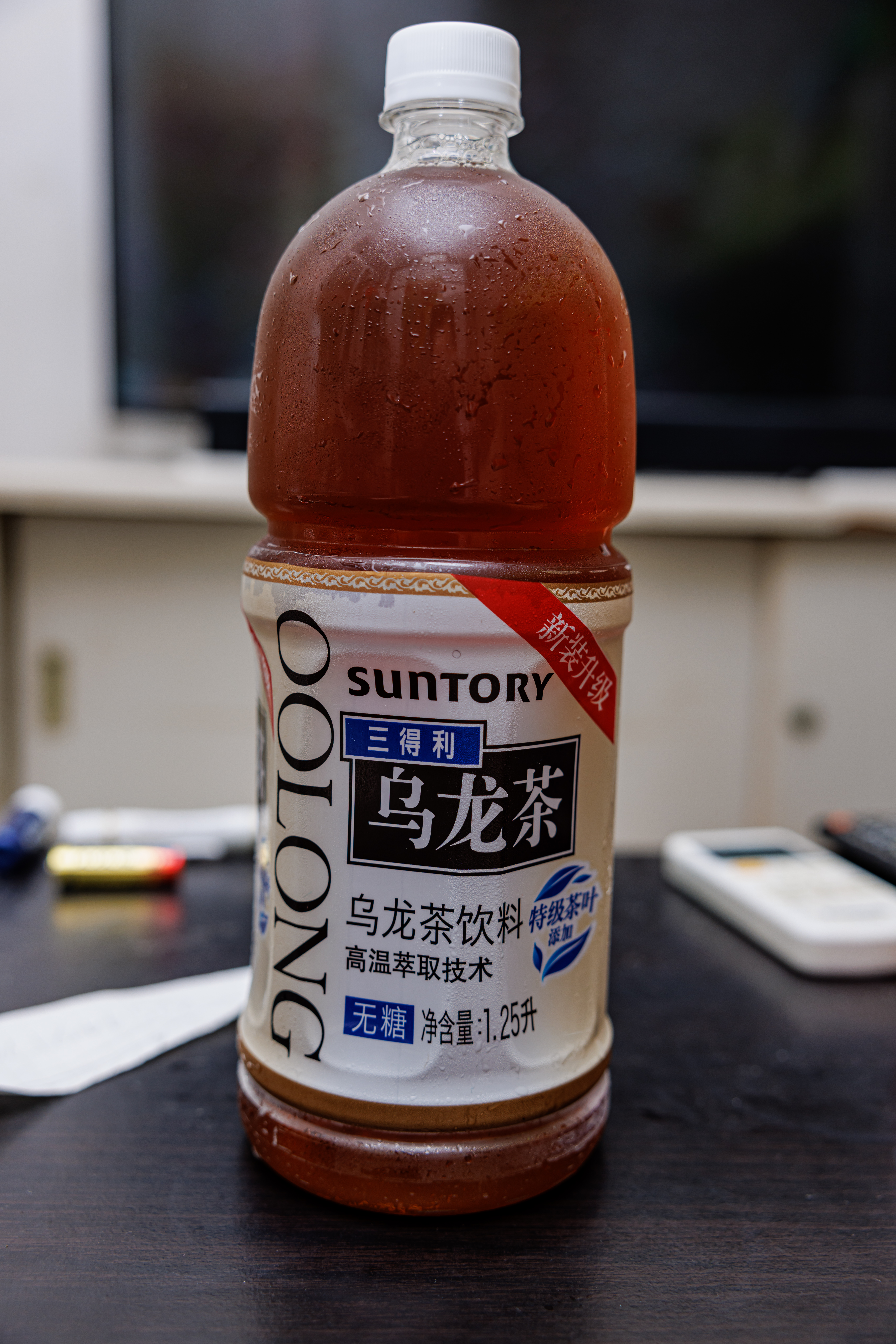
Research card
Topic: product logic, ingredient storytelling, and health limits of bottled unsweetened tea Keywords: tea polyphenols, caffeine, unsweetened, real-tea extraction, hot filling, flavor loss, hydration, alertness Best for: readers who buy unsweetened tea often and want to know whether it really deserves its high-frequency status Core reminder: unsweetened tea is often lighter than sugary drinks, but “lighter” is not the same as “beyond context, dose, or timing.”
1. Why bottled unsweetened tea is surging again
Because it lands exactly where today’s consumers care most. First comes no sugar. In current platform culture, “unsweetened” is almost the first requirement for a drink to enter the category of things people feel comfortable buying repeatedly. Second comes recognizable tea character. Many consumers no longer want a drink that is merely not sweet; they want bitterness, roasted notes, floral lift, or at least a sense that the liquid still resembles tea rather than flavored water. Third comes alertness without feeling too much like coffee. For many people, bottled unsweetened tea occupies the middle territory between coffee and plain water: it has sensory presence and mild stimulation, but does not feel as sharp, acidic, or work-coded as coffee.
It also matches fragmented modern routines. There is no wait time, no sugar-level guessing, no milk-ice customization, and no overt “extreme energy drink” identity. That makes it easy for Chinese online culture to cast bottled unsweetened tea as a smart, restrained, relatively disciplined choice: less boring than water, less heavy than milk tea, less aggressive than energy drinks, and lower-friction than coffee. That middle-position virtue narrative is one major reason the category keeps climbing.
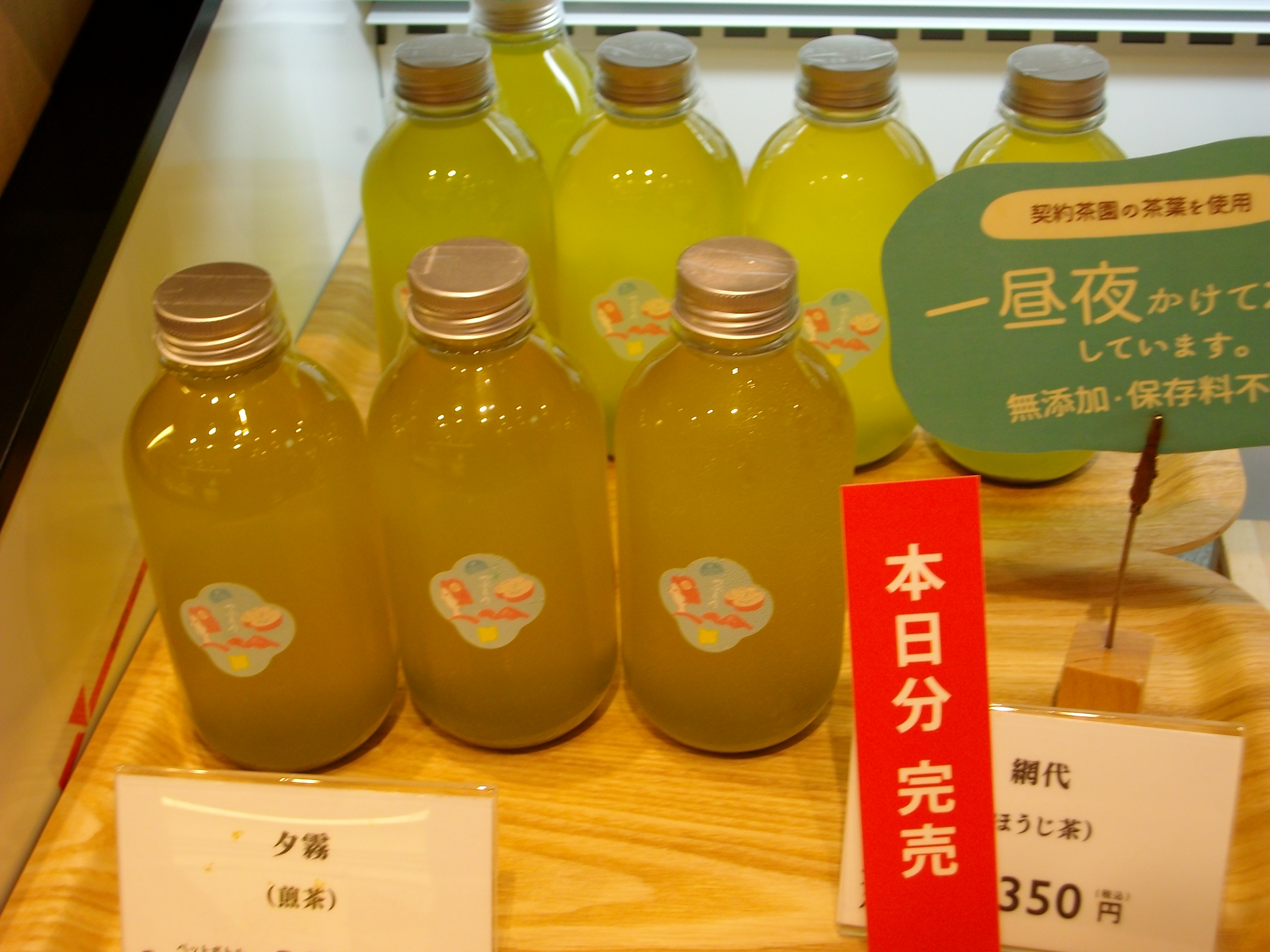
2. The first point to make clearly: unsweetened matters, but it solves only one layer of the problem
If we judge bottled unsweetened tea through the most common replacement logic, its advantage is real and straightforward: the absence of meaningful added sugar usually makes it easier to defend on total sugar burden than many sweet drinks. For public health and for ordinary daily choice, that matters a great deal. Many people’s real issue is not the occasional drink but the beverage pattern that becomes habit. Once a regular pattern loses a large sugar load, the practical meaning is obvious.
But “unsweetened” answers only the sugar question. It does not automatically answer whether the drink is ideal overall. Bottled unsweetened tea may still contain enough caffeine to matter, may still differ substantially from freshly brewed tea in flavor and composition because of extraction and storage realities, and may still create a feeling of near-limitless safety simply because it looks cleaner than a sweetened drink. In other words, unsweetened status is a major plus—but not a free pass. It helps a product enter daily life, but it does not elevate it into a context-free health beverage.
3. Why do brands keep highlighting tea polyphenols?
Because the phrase helps the drink appear connected to tea itself rather than functioning as little more than unsweetened colored liquid. Once consumers see “tea polyphenols,” they often intuitively link the bottle to antioxidants, catechins, tea leaves, research language, and plant-derived legitimacy. That is extremely useful in packaged-drink storytelling because it shifts the product from a plain thirst-quencher toward something that still seems tied to the core identity of tea.
The problem is that polyphenols are unusually easy to oversell. “Contains tea polyphenols” does not mean the bottle behaves like freshly brewed tea, nor does it mean the exposure level matches the kinds of idealized scenarios people sometimes imagine when they hear research-style tea language. Polyphenols are also a broad family, not a magical single compound. Their levels and sensory consequences vary across tea types, processing styles, and storage conditions. And when research discusses possible tea-related health effects, it is usually dealing with broader dietary patterns and repeated habits—not with a simple claim that one bottled drink contains enough of a tea-linked component to deserve a functional halo.
A better reading is this: tea polyphenols are a signal of connection to tea. They suggest the product is not completely detached from tea leaves. But they are nowhere near enough to turn bottled unsweetened tea into a clearly functional beverage. They are a reason to take the drink seriously, not a reason to stop asking questions.
4. Why is caffeine the other major selling point?
Because bottled unsweetened tea is often purchased for situations, not just taste. People buy it for office mornings, post-lunch slumps, late work stretches, commutes, and driving. In those contexts, caffeine has obvious real-world meaning. It makes the bottle not only flavorful but also mildly useful.
This is also why bottled tea gets compared with coffee so often. For many consumers, coffee is too concentrated, too sharp, too acidic, or too performatively “work mode.” The caffeine in unsweetened tea often feels gentler and easier to sip over time. That is why product language so often combines “refreshing,” “clean,” “tea aftertaste,” and “mental lift.” The point is to suggest a subtler kind of alertness—less dramatic than coffee, but more present than water.
Still, caffeine remains a variable that needs boundaries. Different brands, tea bases, bottle sizes, and concentrations can produce meaningful differences in exposure. For sensitive people, late-day drinkers, and anyone whose sleep is easily disrupted, the word unsweetened does not cancel the word stimulating. Lower sugar burden is real, but it does not eliminate the need to think about timing and dose.
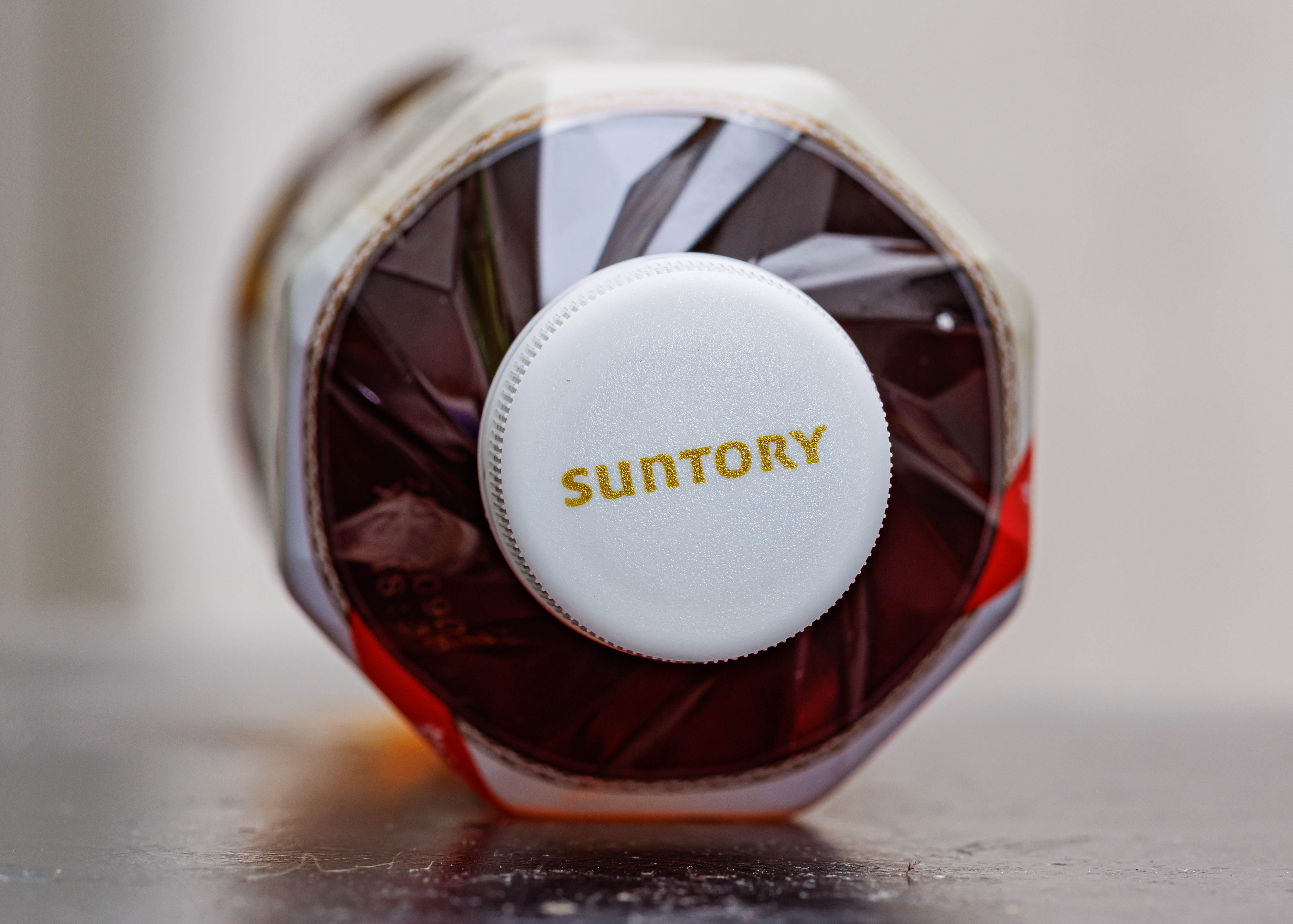
5. So is it closer to a hydration drink or a focus drink?
Strictly speaking, it sits between the two. As a fluid, bottled unsweetened tea obviously contributes to hydration; it is still mostly water. But if one reason people repeatedly buy it is caffeine plus recognizable tea character, then it is not merely “hydration.” In practical use, it behaves more like a flavored hydration drink with mild alertness properties, or a daily beverage that serves both thirst and attentional maintenance at once.
That in-between status is exactly what makes the category smart—and easy to misread. It does not present itself as a hard functional product, so consumers often lower their guard. Yet it also does more than plain water, so people often use it to manage fatigue, appetite drift, or boredom. The most accurate account of bottled unsweetened tea is therefore not a single pure identity but a modern everyday tool that performs different jobs in different situations. That is why it cannot be judged by label alone. It also has to be judged by use.
6. Why has “real-tea taste” become such a major competitive point?
Because once sweetness is removed, the drink must find another way to remain satisfying. For bottled unsweetened tea, the most durable answer is to strengthen tea’s own sensory structure: bitterness, astringency, roast, floral lift, aftertaste, cooling sensation, and even a little illusion of freshness. “Real-tea taste” is therefore not just an aesthetic phrase. It answers a product problem: when sugar is gone, what makes consumers keep drinking?
That makes real-tea character both scientific and industrial. It involves leaf material, extraction, time and temperature, filtration, oxidation control, hot filling, flavor retention during storage, and packaging choices. So what appears to be a simple promise about taste is actually the outcome of substantial technical effort. That effort deserves recognition. Many bottled unsweetened teas really do taste more tea-like than earlier shelf products. At the same time, we should remember that “more tea-like” does not mean “the same as freshly brewed tea.” It means tea has been reshaped under the constraints of stability, convenience, and shelf logic.
7. Why processing makes “polyphenols, caffeine, and tea taste” more complicated than it sounds
Because bottled beverages are not fresh brews. They go through industrial extraction, clarification or filtration, sterilization or hot filling, transport, and shelf storage. They also need to avoid visible instability, unwanted sediment, odor drift, and major quality swings by the time the consumer opens them. Tea, as a sensitive raw material, forces trade-offs in all of those steps. If the profile is too light, the drink can feel like water. If it is too strong, bitterness and astringency may repel drinkers. If the system remains too chemically lively, shelf stability becomes harder. If packaging and light control are poor, quality can fall quickly.
That is why consumers do not need to be cynics when they see claims about polyphenols, real-tea extraction, or retained tea aroma—but they also should not imagine a bottle as a simple duplicate of fresh tea. Industrial systems can turn tea into a convenient, stable, standardized product. They also inevitably rewrite how tea is expressed. A more scientific formulation would be this: bottled unsweetened tea is not a direct copy of fresh tea, but a tea beverage version shaped by trade-offs for stability, convenience, and scale.
8. Is bottled unsweetened tea partly a health illusion amplified by the word unsweetened?
Partly yes. More precisely, the category tends to create not a total fantasy, but a feeling of excessive reassurance. Consumers think: no sugar, some polyphenols, some caffeine, low calories, no obvious energy-drink extremity—so this should be fine to drink often, right? That logic is not entirely wrong, but it easily skips over several important questions. How many bottles a day? Is the drink functioning as a continuous afternoon and evening stimulant? Is it replacing soda and sugary tea, or simply adding another intake stream? Does the drinker already have sleep sensitivity, stomach issues, palpitations, or anxiety around caffeine?
So yes, unsweetened status can enlarge the health halo. That does not mean the drink is not worth having. A more mature conclusion would say: if it replaces sugary drinks, helps reduce unnecessary sugar load, and is used with some awareness of caffeine timing and total intake, it may be a very solid real-life choice. But if “unsweetened” turns it into a background liquid you consume from morning to night without thought, the feeling of health begins to outrun health itself.
9. What should ordinary readers actually look at before treating it as a staple?
I would start with three things. First, is it genuinely unsweetened or near-zero sugar rather than trading sweetness for vague wording? Second, does the drink really center tea rather than merely imitating “tea-like” aroma? Third, what role does it play in your life: occasional soda replacement, meal companion, commuting lift—or a repeated afternoon and evening stimulant?
Beyond that, it helps to judge by substitution rather than in isolation. Compared with full-sugar milk tea, bottled unsweetened tea is usually lighter. Compared with sweet bottled teas, it is usually more defensible. Compared with plain water, it is not fully equivalent. Compared with fresh plain tea, it is more convenient but also more industrially curated. The most useful question is never “is this absolutely good?” It is “is this clearly more reasonable than the thing I would otherwise be drinking?”
That is why the category deserves serious writing. It is not a miracle beverage, but it does represent an important consumer shift: people increasingly want drinks that can be enjoyable and still be explainable to themselves over time. Research-minded thinking simply reminds us that explainable does not mean costless.
10. Conclusion: a better substitute, usually—not an infinitely safe background beverage
If this page had to collapse into one line, it would be this: bottled unsweetened tea is usually best understood as a more reasonable modern substitute for many sweet drinks, not as a universal health solution that no longer requires attention to dose, timing, or personal sensitivity. Its strengths are real: lower sugar burden, clearer tea identity, and easier long-term fit than many sugary beverages. Its core selling points are not empty either. Polyphenols, caffeine, and real-tea taste really do form much of its product value.
But what those three things point to is not “just drink it,” but a more specific and more honest conclusion. Bottled unsweetened tea can simultaneously act as hydration, stimulation, and tea replacement, which is exactly why it fits modern repeat-use life so well. That same flexibility is also why it needs to be judged inside real use patterns. Used as a replacement for higher-sugar drinks, it often makes excellent sense. Used as an all-day background liquid that never needs thought simply because it says unsweetened, it can slide from a rational choice into a health halo that has become too comfortable.
Continue with Do real-leaf brewing, low sugar, and short ingredient lists automatically mean a healthier tea drink?, Tea caffeine, sleep, and focus, Tea polyphenols, catechins, and the antioxidant story, and Why low-sugar tea drinks are booming.
Source references: WHO: Healthy diet, CDC: Added sugars, USDA FoodData Central, Wikipedia: Tea, Wikimedia Commons: SUNTORY OOLONG TEA BIG BOTTLE CHINA VERSION, Wikimedia Commons: SUNTORY OOLONG TEA SMALL BOTTLE CHINA VERSION, Wikimedia Commons: Green tea glass bottles.

.jpg)
