Fresh tea observation
Why peach gum deserves a place in 2026 fresh tea: from sweet-dessert memory to a gentler gel-texture tea drink better suited to light floral tea bases, restrained dairy, and calmer topping logic
If 2026 fresh tea is still moving menus away from high sugar, heavy dairy, oversized cups, and topping piles toward drinks that are lighter but more complete, peach gum is a subject worth opening carefully. It is not the loudest fruit, and not the easiest ingredient for instant first-sip social-media impact. It is closer to a topping that already carries old dessert memory, translucent gel texture, slower eating rhythm, and a quiet sense of substance. That is exactly why it does not belong in today’s drinks language as another high-sugar wellness soup. It belongs more naturally as a modern tea drink with a tea base, a little light dairy or dessert shading, a visible gel layer, and still a clear edge of refreshment. What it really fills is a difficult slot between “substance” and “quietness.”
This topic connects tightly with several site lines already in place. It relates to small-cup logic, because peach gum works best not in oversized pile-on formats but in restrained volumes where topping is treated as structure rather than quantity. It relates to tea-base identity, because once peach gum is written too thickly or too sweetly, the tea disappears immediately; the stronger direction is to let jasmine snow bud, lighter oolong, or clear green tea hold the drink upright. And it also connects to after-meal tea drinks and late-night tea drinks, because peach gum’s attraction is not stimulation but the feeling of a drink that has some content while remaining gentle.
More importantly, peach gum lets us see a move that mature menus increasingly need to make: not endlessly chasing more exotic super-ingredients, but translating a familiar ingredient that has long been trapped inside wellness slogans and dessert contexts into a modern tea-drink structure. Peach gum is not obscure in the Chinese-speaking world. It already belongs with white-fungus soups, sweet shops, family-style dessert bowls, and soft translucent textures. Fresh tea today does not need to explain what it is from zero. It needs to explain why it now deserves to become something lighter, more tea-like, and more precisely placed inside contemporary urban drink culture.
1. First, what exactly is peach gum, and what does it really contribute to texture?
Peach gum is not a mysterious new ingredient. Publicly accessible basic material is fairly clear: it is a translucent gum-like substance exuded by peach or wild-peach trees after mechanical damage, insect bites, or disease. Once soaked, cleaned, and processed, the feature most easily felt by drinkers is not strong flavor but a translucent, soft, slightly elastic, gel-like texture that lingers. In other words, peach gum’s main drink value is not aroma. It is texture. It is not there to lead the fragrance line, and not there to create the first hit of acid-sweet impact. It is there to add a slower, softer, slightly sticky-elastic layer that is not as chew-heavy as tapioca pearls and not as dense as pudding.
That is exactly why it deserves to be rewritten in tea drinks in 2026. Many menus now want to find ways of making drinks feel like more than liquid alone, while still avoiding the older burden of very heavy, very filling, topping-overloaded formats. Peach gum offers a rare middle zone. It has presence, but not necessarily through large volume. It carries dessert associations, but does not have to become dessert itself. It gives the sense that “there is something in this cup,” without forcing the whole drink into a heavy dessert-drink category. For stores that care about lightness and repeat purchase, this kind of quiet content is very valuable.
And because peach gum contributes mainly texture rather than aroma, it works best inside drinks that already have an aromatic frame rather than trying to carry recognition by itself. In other words, it is not the melody. It is the layer that fills the middle and back of the cup, slows the rhythm slightly, and moves a drink from “empty refreshment” toward “light content.”
2. Why does peach gum deserve a separate article specifically in 2026?
Because it fills a blank that is becoming more visible in current menus. Consumers do not always want a drink that is as light as water, but they also do not always want a very heavy, milky, oversized cup. Increasingly they want the middle zone: a drink with a little dessert feeling, a little topping presence, a little lingering satisfaction, but without too much thickness, sweetness, or stomach burden. Peach gum is especially good at this job. It does not rely on explosive fruitiness, and it does not create immediate fullness in the way sticky toppings do. It feels more like a cup saying: this has some substance, but it is not trying to overwhelm you.
That fits several clear 2026 directions. One is lighter dessertification: menus still borrow dessert memory, but they no longer always turn drinks into literal desserts. Another is ingredient visibility: translucent peach gum is easy to see in the cup, so it quietly signals substance without vanishing into syrups or powders. A third is restrained topping logic: more mature stores do not always want three or four toppings in one cup; they prefer one topping with a clear structural role. Peach gum fits that role very well.
It also has a practical advantage of low recognition cost. In Chinese food and internet culture, peach gum is not a strange term. Consumers may not know its botanical definition precisely, but many already connect it with white fungus soups, sweet bowls, and soft dessert textures. So brands do not need to start from zero. They only need to rewrite why it now belongs in a more modern tea structure. In a mature market, that is easier and more stable than trying to popularize a fully unfamiliar ingredient name.
3. What do peach-gum tea drinks really sell? Not a wellness myth, but a quiet dessert-leaning texture structure
When people hear peach gum, many immediately think of “beauty,” “nourishing,” “dessert soups,” or pseudo-traditional wellness language. If those slogans are moved directly into fresh tea, the product quickly becomes clumsy: either too functional-drink-like, too much like iced sweet soup, or reduced to concept marketing. What actually suits modern drinks language is not making peach gum feel “more tonic,” but making the drink feel more complete. What it sells is not a hard functional promise, but balance between textural layering, dessert memory, and the refreshing edge of tea.
Its real value is the ability to produce a very quiet form of satisfaction. It does not depend on loud aroma, sharp acidity, heavy dairy, or very high sugar. It depends on the sense that the cup contains something, yet does not weigh you down when finished. That rhythm matches a growing 2026 consumer preference for lighter burden and slower satisfaction. Many people do not want every drink to push emotion to the ceiling. They want something that gives a little comfort and a little content in work gaps, after meals, or in the evening without creating more burden. Peach gum is unusually suited to this softer task.
That is also why it pairs especially well with “light dairy” rather than heavy cream caps or very thick dessert formulas. Light milk, coconut milk, a little fresh milk, or even just a smoother tea body can help bring out its dessert side. But the moment the drink becomes too thick, the most precious thing about peach gum—its translucent, quiet gel feel—gets buried. The strong direction is not to push the drink toward more density, but toward a gentler kind of completeness.
4. Why does peach gum work especially well with light floral tea bases, lighter oolong, and jasmine snow bud rather than heavy tea structures?
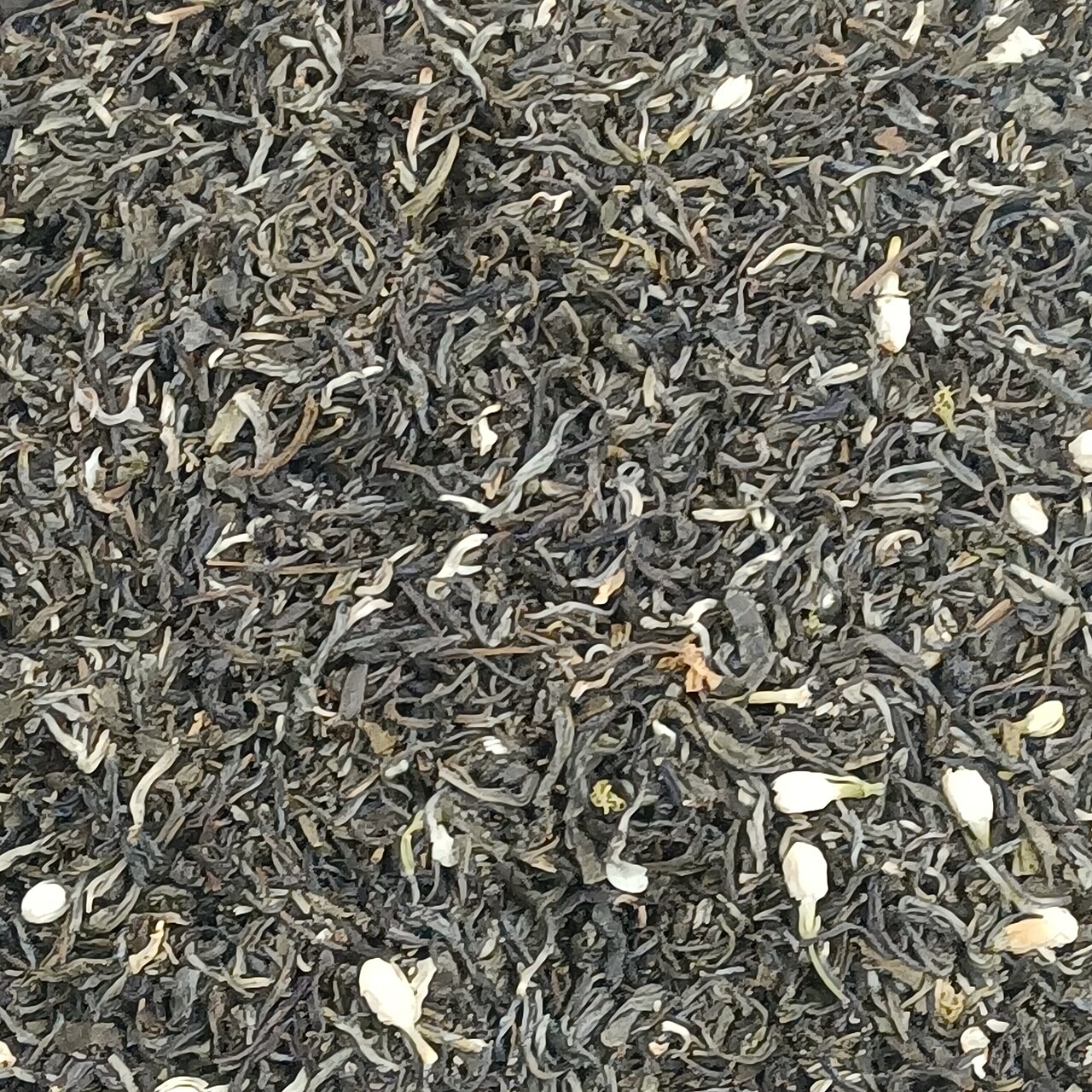
Because peach gum’s strength is not to overpower tea, but to add a soft and visible middle-back layer. When paired with jasmine snow bud, lighter oolong, pearl-green systems, or cleaner green-tea styles, it creates a comfortable order: the front offers tea aroma and a little gentle sweetness, the middle begins to show peach gum’s softened linger, and the finish can still return to tea rather than being swallowed by dessert feeling. That structure fits very well with the increasingly obvious 2026 direction in which drinks still need to read as tea.
Especially in floral tea bases, peach gum has a rare advantage: it does not drag the drink quickly into juice logic the way heavy fruit puree can, and it does not turn the cup into thick satiety the way mochi or pudding can. It behaves more like a translucent content layer suspended inside the tea soup. The drinker notices tea first, then the topping, and finally a gentle soft linger. For stores that care about tea-base expression, that is valuable because it lets “there is topping here” and “the tea did not disappear” happen together.
That is also why peach gum reacts badly to very roasted tea, very heavy dairy, or very high syrup logic. Once the tea is too thick, peach gum becomes a prop; once the dairy is too heavy, it loses its transparency and light spring; once the sugar rises too high, the whole drink falls back into old sweet-soup memory. The stronger direction is not more ingredients. It is better placement.
5. How should it relate to white-fungus soup, sweet shops, and family dessert memory? Not cut off, but translated into a lighter version
The difficulty of peach gum is not at the factual level, but at the memory level. The moment consumers see “peach gum,” many think of white-fungus dessert soup, sweet shops, simmered sugar, family-style nourishing bowls, and overmarketed beauty narratives. Those memories are not a problem. They prove the ingredient is not culturally blank. What brands need to do now is not deny those memories, but lighten them, tea-ify them, and modernize them.
In other words, a peach-gum tea drink should not become “youthful white-fungus soup,” and it should not pretend to have nothing to do with dessert memory. The better move is to acknowledge the dessert world it comes from while keeping only the parts that suit a modern drink: translucent visuals, gentle gel texture, a little familiar sweetness, and a slowed-down rhythm. At the same time it must remove the parts that drag it down: too much sugar, too much stewed heaviness, bowl-like fullness, and exaggerated wellness rhetoric. Once that translation succeeds, peach gum becomes highly distinctive because it sells not novelty, but the moment familiar dessert memory is rewritten into something lighter.
That also makes it more stable than ingredients that depend entirely on superfood novelty. Novelty ingredients need constant explanation. Peach gum does not. What it needs is proportion. Get the proportion right, and it can deliver familiarity and freshness at once. Get it wrong, and it quickly falls back into old dessert bowls, functional slogans, or cheap “wellness cup” imagery. The ceiling of this branch depends less on rarity than on whether stores understand how to make it lighter, clearer, and more tea-compatible.
6. Why is it especially suited to after meals, evenings, work gaps, and “small satisfaction” moments?
Because peach gum’s strength is not sharp stimulation, but gentle linger. Many drinks are best at the hottest, thirstiest, most immediately wake-up moments. Peach gum is not that kind of branch. It is better for the second stage: after a meal when someone wants something with content but not too heavy; at night when someone wants something less burdensome than milk tea but less empty than plain tea; or during a work gap when someone wants a small moment of softness without being slowed down by a giant cup. Its rhythm is slower and steadier, which is exactly why it sits well in these contexts.
This also explains why it fits “small satisfaction” better than oversized volume. Once peach gum is forced into a giant-cup logic, two things tend to happen: first, the gel feeling stretches into fatigue; second, the drink often has to increase sugar, dairy, or extra toppings to justify the large size, which drags its most precious light-content quality into heaviness. In a more restrained medium or smaller format, its strengths become clearer: the gel texture reads better, the tea base stays more complete, and the finish is cleaner. It fits the consumer action better too: something a little kind to yourself, but not too much.
From the point of view of 2026 menu language, that kind of “small satisfaction” matters a lot. It is not simply a smaller portion. It is a more precise form of desire management. Consumers are not always ordering to be completely filled. They are ordering to be gently received. Peach gum is very good at that. It preserves the shadow of dessert without requiring the weight of a full dessert bowl; it feels like content without becoming noisy. That is a very contemporary ability.
7. Compared with pearls, coconut jelly, agar, and mochi, where exactly does peach gum stand?
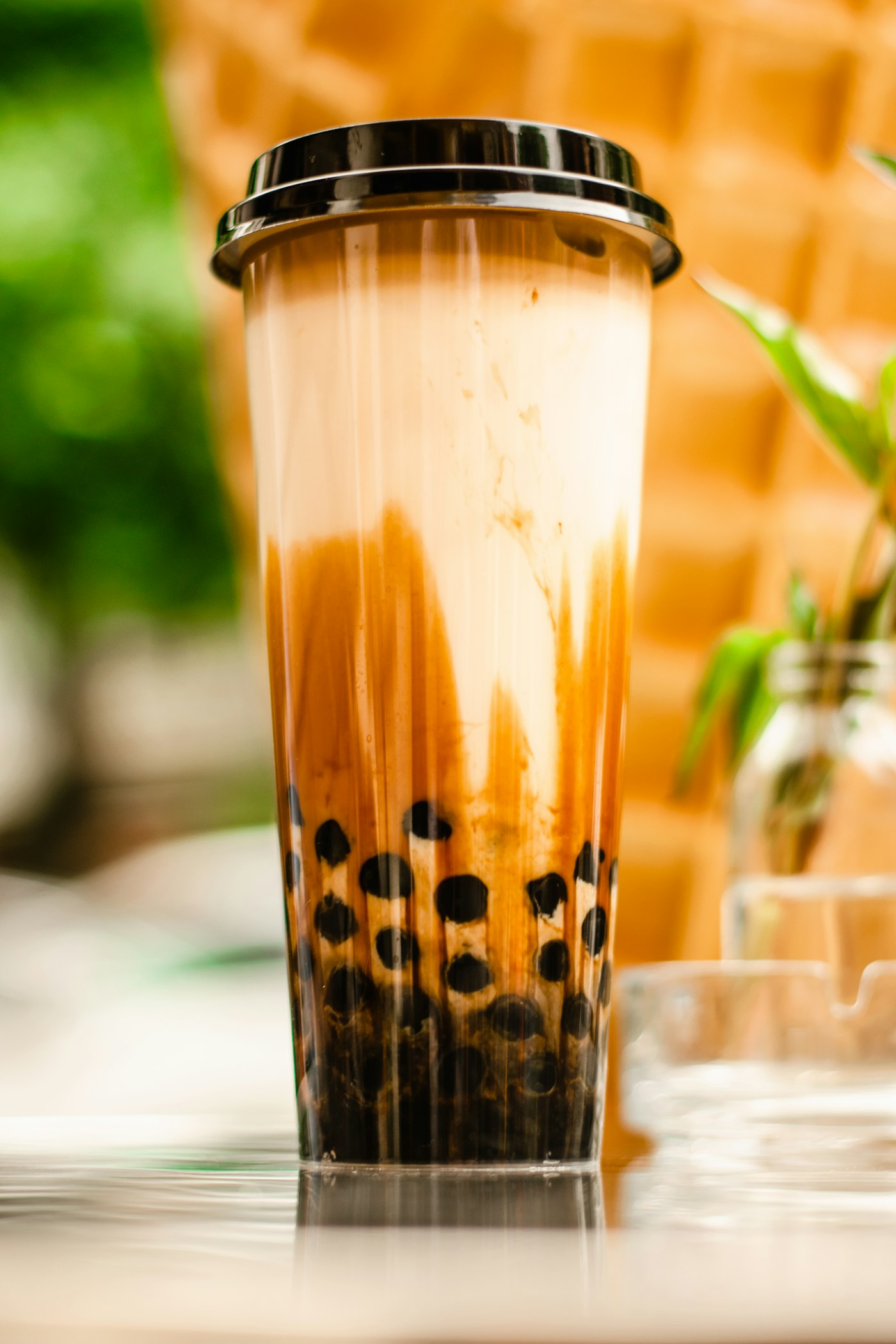
Peach gum is not here to replace every topping. It fills the slot of translucence, low noise, and light dessert feeling. Pearls lean more toward chew and fullness. Coconut jelly leans toward crisp bounce. Agar leans colder and more jelly-cut. Mochi leans sticky and heavy-satisfying. Peach gum stands elsewhere: not as crisp, not as sticky, not as strongly chewy, and not as coldly cut. It is a softer, slightly elastic, translucent, emotionally quieter content layer.
That matters for mature menus. Good menus do not make every topping loud. They give different toppings different jobs. Peach gum’s job is not to create a chewing climax. It is to create a softer cup mood: topping, content, and a little dessert memory without exaggeration. It shows that “toppings” do not have to mean only bustle and pile-on quantity. They can also mean restraint and precision.
In other words, its value is not whether it becomes the hottest topping of the year. Its value is whether it can fill a demand that had not been written clearly before: a drink with some content, but without entering the heavy tapioca-milk-tea world. As long as that demand remains true, peach gum will keep a place.
8. Where are the limits of this trend? Peach gum does not automatically equal sophistication, lightness, or good taste
First, the easiest way to ruin it is to misread “content” as “more, thicker, and more wellness-coded.” Once sugar becomes too high, dairy too heavy, or the marketing language too loud, the tea disappears and only sweetness, stickiness, and concept remain. That kind of product may create short-term curiosity, but it is hard to turn into high-frequency repeat purchase.
Second, it can also be pushed into the opposite extreme: too empty. Many stores hear “light,” “restrained,” and “tea-like” and thin the drink down until only a few floating pieces remain in unfinished water. For peach gum to work, the cup still needs some tea-base frame, some gentle sweetness, and some real presence. A successful peach-gum tea drink should be light but not empty, soft but not muddy, memorable but not an old dessert copy.
Third, peach gum does not fit every moment. In extreme thirst, extreme hot-weather hydration, or moments demanding immediate acidic wake-up force, branches like salted lemon, amla, sour plum, or lemon tea still work more efficiently. Peach gum is for softer, more inward, more slowed-down entries. It is not universal. But because it is not universal, it becomes more believable once placed correctly.
9. Why does this belong in the continuing changes of the 2026 drinks section?
Because peach gum shows again that fresh tea is moving from “who is newer” toward “who writes structure more accurately.” The most valuable ingredients today are not always completely unfamiliar ones, but those already present in Chinese life that can be rewritten with clearer scenes and more modern ratios. Peach gum is a classic example. It is not obscure, but it was often placed badly in the past: as dessert, as wellness rhetoric, or as something that belonged only in stewed bowls. What is more interesting in 2026 is whether it can be stably moved into a new slot: light floral tea bases, restrained dairy, precise topping logic, small satisfaction, after meals, evenings, and work gaps.
If you connect it with earlier pieces on the site, the logic becomes more complete. Tea-base identity explains that toppings should not erase tea. After-meal tea drinks explains why beverages are taking daypart needs more seriously. Small-cup logic and late-night tea drinks explain why stores care more about lighter actions and repeat frequency. Peach gum stands exactly at the intersection of those changes. It is not the loudest line, but it may be one of the clearest signs of menu segmentation becoming more precise.
At bottom, what peach gum reveals is another new demand consumers place on tea drinks: you do not necessarily have to be more stimulating, but you do have to be more complete; you do not necessarily have to be more unfamiliar, but you do have to be more precise; you do not necessarily have to be fuller, but you do have to know how to finish a cup. As long as those three expectations remain true, peach gum will not stay only as a sweet-shop topping. It will remain a modern tea-drink branch worth tracking.
Related reading: Why fresh tea is re-emphasizing tea-base identity, Why after-meal tea drinks are becoming a new daypart business, Why tea drinks are becoming smaller in cup logic, Why tea drinks are moving into the night, and Why mango-pomelo dessert-style tea drinks still deserve attention.
Sources
- Baidu Baike | Peach gum
- CHAGEE official site | fruit tea product page
- Synthesized 2026 Chinese-language observation around peach gum, white-fungus dessert memory, lighter dairy use, floral tea bases, visible toppings, and restrained topping structure in contemporary tea-drink menus.
Source note: this English article is aligned to the Chinese source article and written from the same factual frame. The focus here is on how peach gum is being translated into 2026 fresh-tea menus, not on repeating unverified beauty claims. Brave search was unavailable in this environment because no Brave API key was configured, so the article was completed directly from publicly fetchable pages, Chinese basic-source material, and the site’s existing drinks framework. No bot-tasks were used, and no bot-tasks-async-repo handoff was used in this run.