Green Tea Feature
Longjing: spring in Hangzhou, pan-fired craft, and the local life inside one cup
If many readers can name only one Chinese green tea, it is often Longjing. Its reputation is so large that it is easily mistaken for something simple, unified, and self-explanatory. Yet the closer one gets to Longjing, the less simple it becomes. Longjing is not merely a tea name. It is an entry point into spring picking, tenderness, pan-firing, restrained freshness, Hangzhou’s local memory, and the broader Chinese way of evaluating green tea.
From an international perspective, Longjing is often reduced to “a famous premium Chinese green tea.” In Chinese tea discourse, however, people ask finer questions: Was it picked before Qingming? Which hillside does it come from? Was the pan-firing clean? Is the aroma more bean-like, chestnut-like, floral, or especially clear? Does the liquor feel thin, or light yet structured? These questions show that Longjing is not a flat tourism symbol. It is a crafted result open to sensory interpretation.
What kind of tea is Longjing? Is it fermented?
Longjing belongs to the category of Chinese green tea. In the six major Chinese tea categories, green tea is usually described as non-fermented, though more precisely it is tea whose enzymes are deactivated early through heat, preserving a fresh, green profile. Longjing differs from the generic international notion of “green tea” because Chinese green tea itself contains many internal styles. Longjing represents a flat, pan-fired style: broad, pressed leaves; a relatively restrained aroma; bright liquor; and a fresh, smooth, quick-drinking palate.
How is Longjing made?
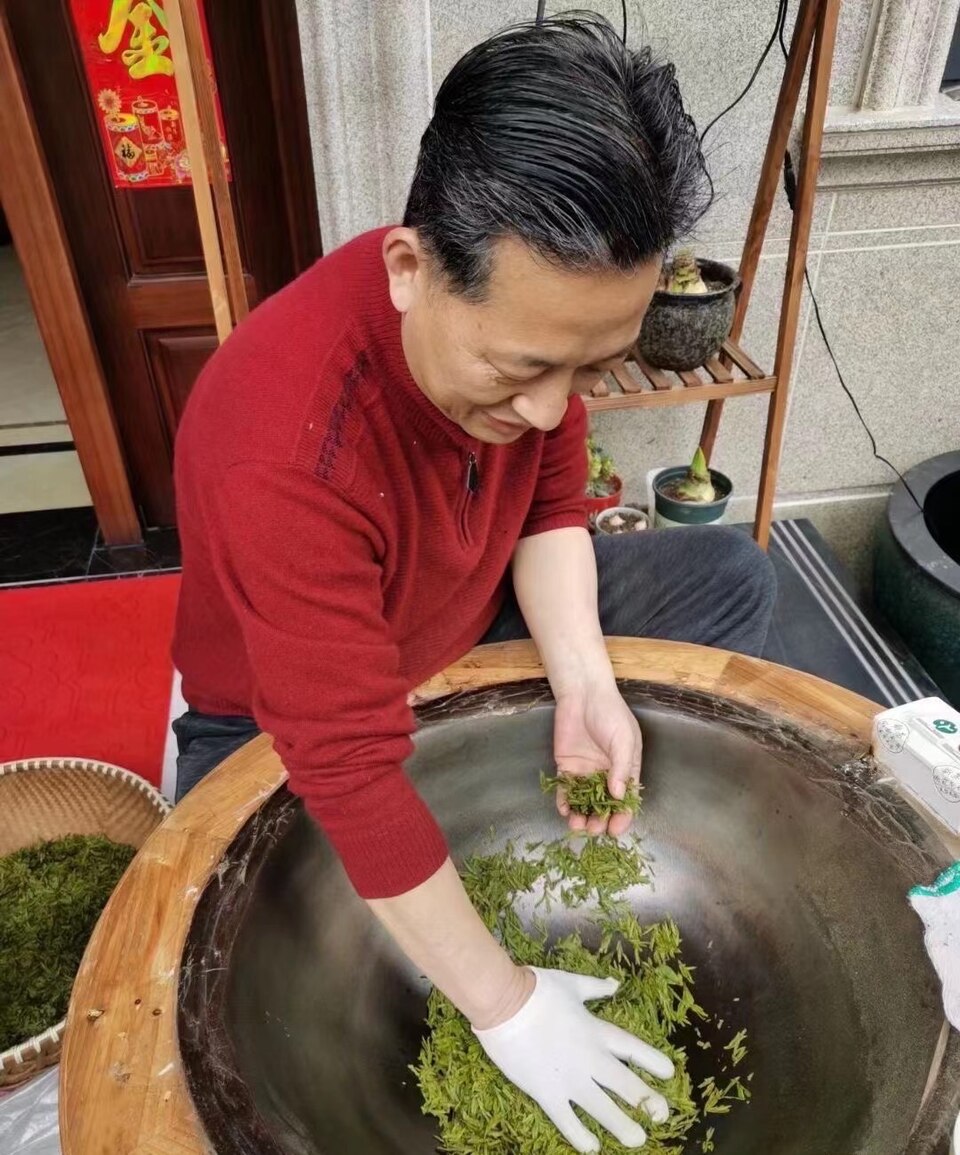
Longjing does not become itself the moment it is picked. Fresh leaves are withered briefly, heated to halt enzyme activity, shaped, pressed, and repeatedly pan-fired until the famous flattened profile emerges. Details vary by producer, season, grade, and local habit, but the overall logic remains stable: reduce moisture, stabilize aroma, control leaf shape, and create a tea that feels clear and composed rather than wild or grassy.
Because of this pan-firing process, Longjing often develops a very specifically Chinese green-tea aroma: not explosive floral perfume, not marine sharpness, but a restrained warmth often described as bean-like or chestnut-like. Excellent Longjing should not be loud. It should feel clean, even-tempered, and quietly precise.
What leaves are picked, and why is spring tea so prized?
Longjing is usually associated with spring harvest, especially very early tender shoots and leaves. The younger the material, the more likely the finished tea is to feel delicate, fresh, and fine-textured. Many consumers know the phrase “pre-Qingming tea,” which refers to tea picked before the Qingming festival period. These early leaves are valued for tenderness and scarcity, though “earlier” does not automatically guarantee “better.” Weather, sunlight, cultivar, soil, and firing skill remain decisive.
For international readers, a key point is that Longjing does not aim to impress through brute strength. Its appeal lies in lightness, freshness, clarity, and softness. In Chinese tea culture, teas that seem light on the surface often demand the greatest discipline in making.
How should Longjing be brewed? How is it different from other teas?
Longjing is well suited to brewing in a glass or a gaiwan. A glass shows the leaves, liquor, and leaf base beautifully; a gaiwan gives better control over aroma and pouring. Unlike many oolong teas or dark teas, Longjing usually does not benefit from very high water temperature. A practical range is 80°C to 90°C. Water that is too hot can flatten freshness, sharpen bitterness, and erase the tea’s finer textures.
In a gaiwan, around 3 grams of leaf for 100-120 ml of water is a reasonable starting point. The first infusion often needs only 10-20 seconds, with slightly longer times afterward. Good Longjing commonly yields 3 to 4 satisfying infusions, depending on grade, storage, and brewing style. It can also be cold brewed, but cold brewing emphasizes sweetness and vegetal freshness more than the classic warm, spring-like texture of hot brewing.
Compared with strong-roasted oolong or aged pu-erh, Longjing is not a tea whose drama intensifies with each infusion. It is closer to a short lyric poem: the first cups matter most, and their beauty lies in freshness, precision, and restraint.
What does Longjing smell and taste like?
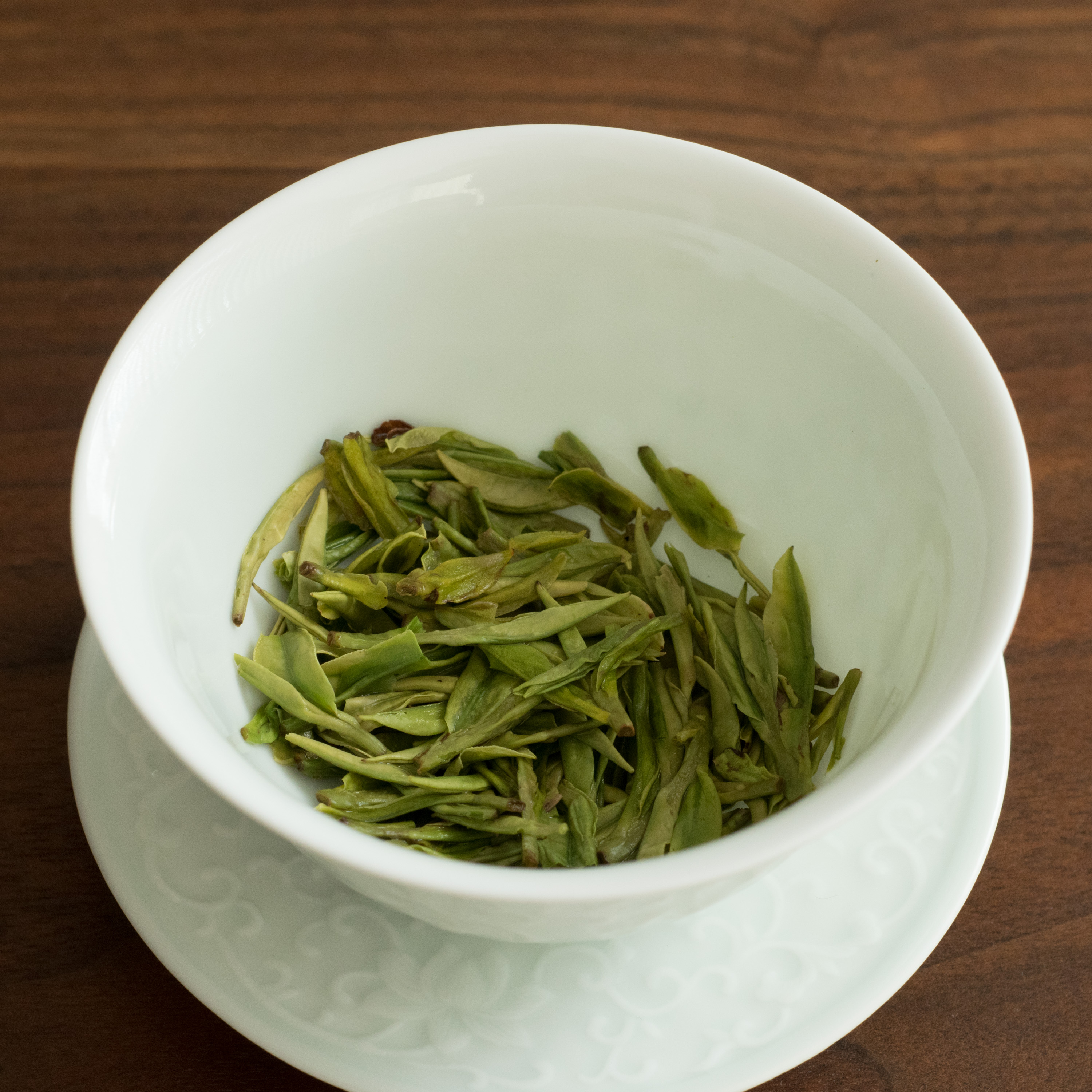
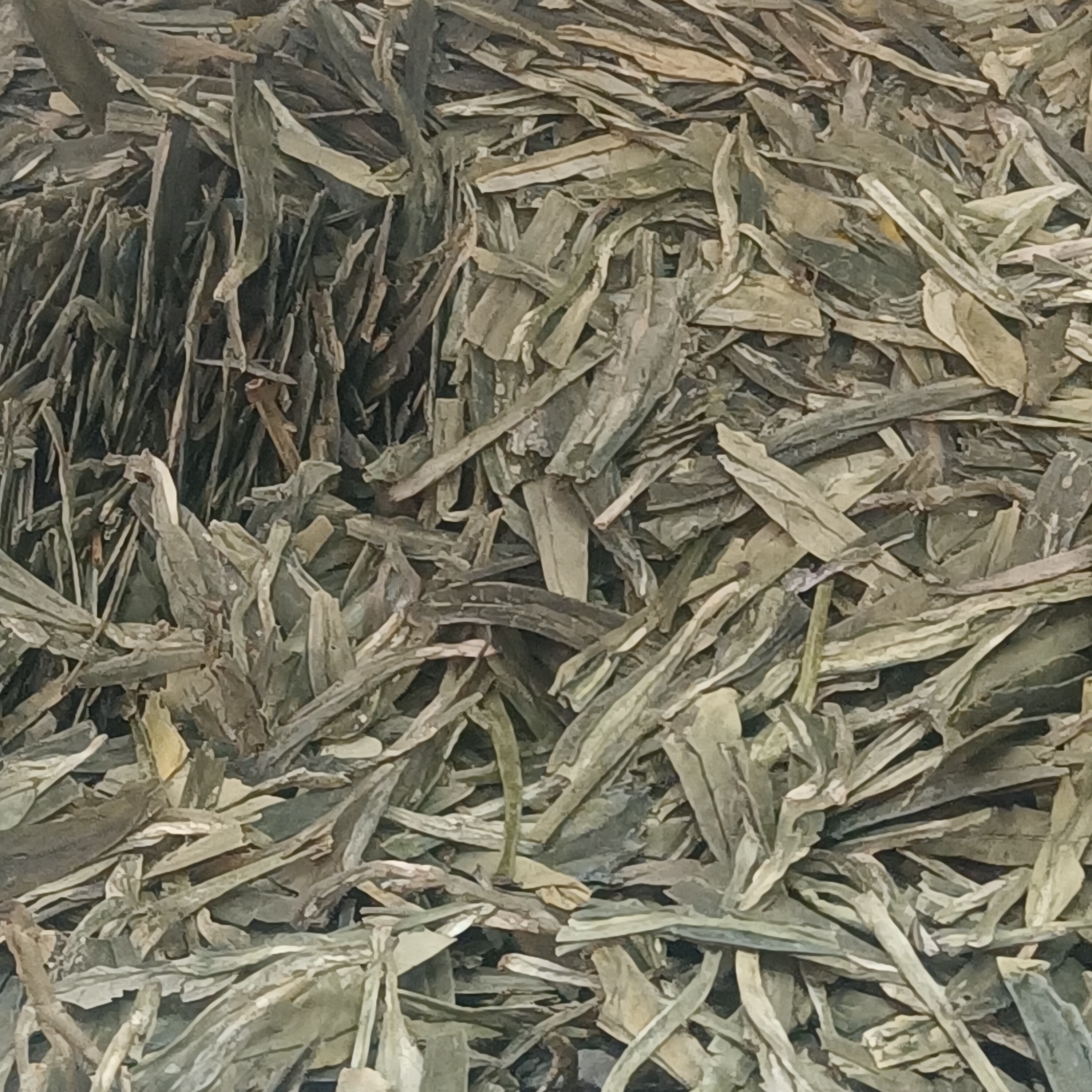
Good Longjing tends to have flat, even leaves in tones between soft green and rice-yellow green. Dry aroma often suggests clean beans or chestnuts, sometimes with a light floral lift. When brewed, the fragrance is not usually explosive. The liquor should feel lively, smooth, clear, and quietly sweet, with a gentle returning sweetness rather than theatrical intensity. Poorer Longjing often tastes scattered, aggressively toasty, harsh, or obviously astringent.
What other green teas matter besides Longjing?
If Longjing becomes a reader’s gateway into Chinese green tea, the next teas worth meeting include Bi Luo Chun, Huangshan Maofeng, Lu’an Guapian, Xinyang Maojian, Taiping Houkui, and Anji Baicha. All belong to “green tea,” yet each speaks a different language of shape, aroma, mountain character, and brewing behavior. That diversity is exactly why Chinese green tea should not be imagined as a single taste profile.
This site will gradually expand toward those teas with more region pages, tea field imagery, dry-leaf photos, liquor photos, and practical brewing notes.
Why is Longjing so tightly tied to Hangzhou?
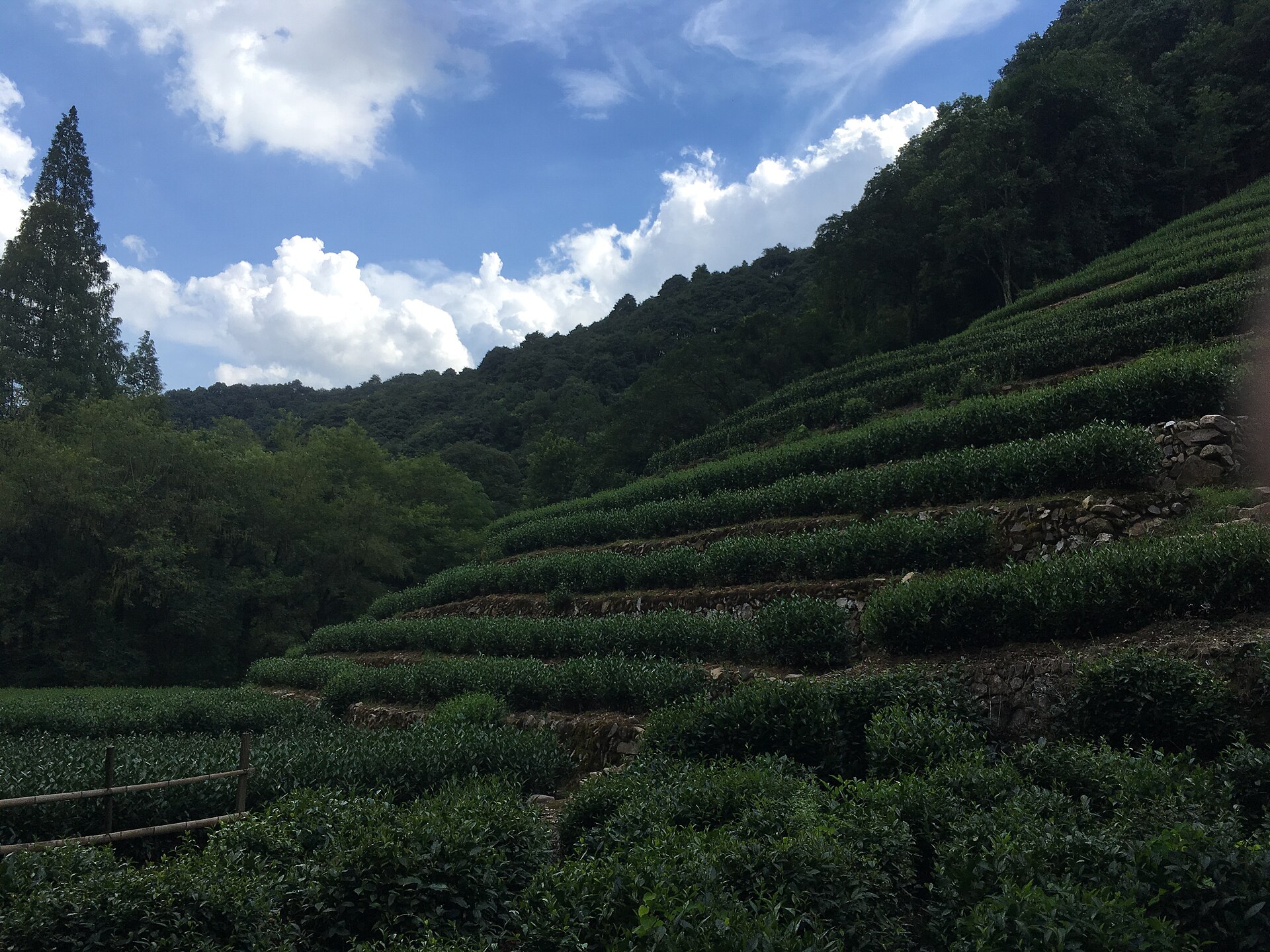
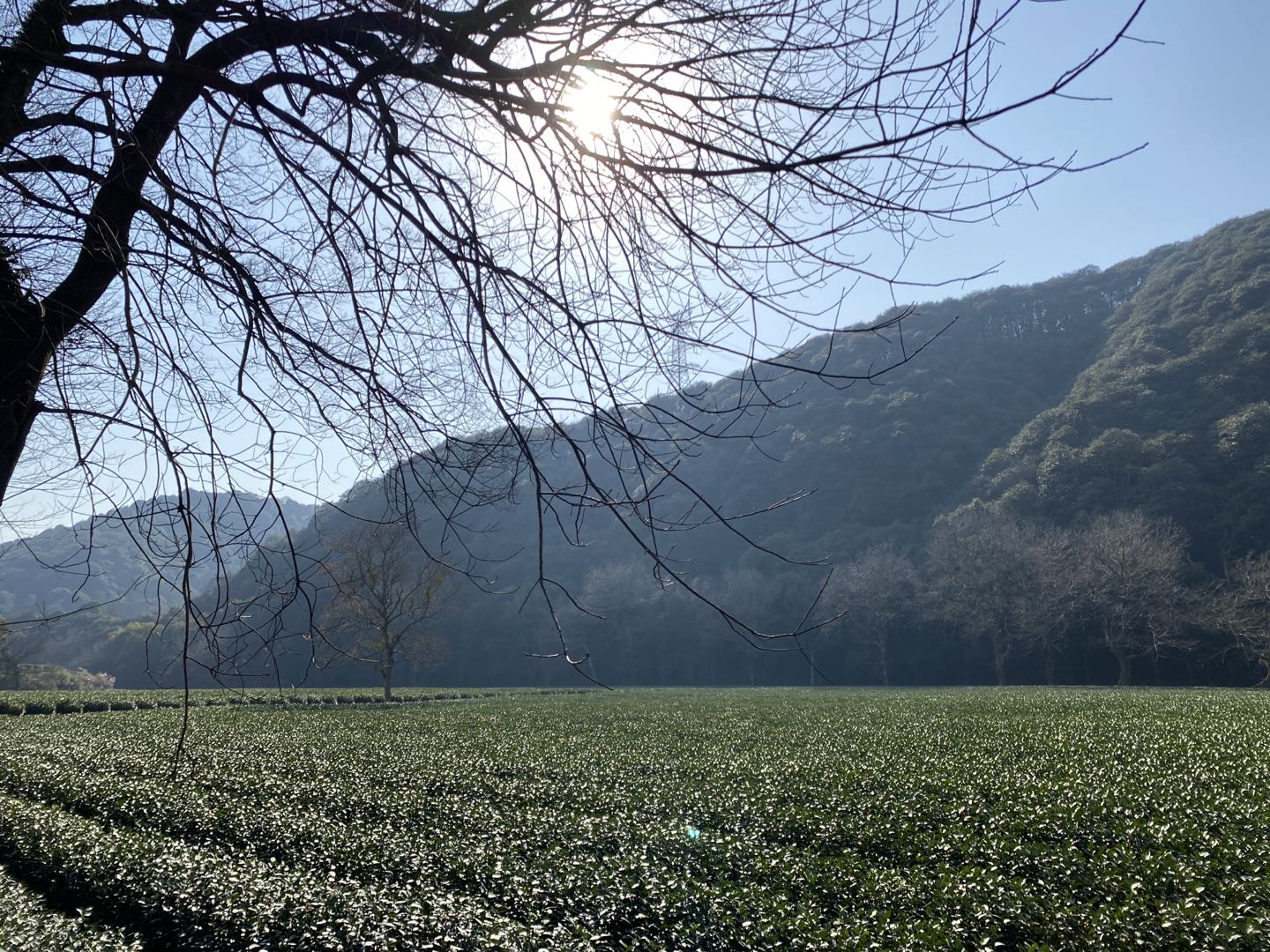
Longjing is memorable partly because it is inseparable from the place-names surrounding it: Hangzhou, West Lake, Longjing Village, and the tea hills nearby. Hangzhou already carries an enormous cultural charge in Chinese urban imagination; Longjing gives that city a flavor you can literally drink. Visitors do not only want to see West Lake. They also want to know: What tea belongs to this place? What do the hills look like in spring? Is Longjing Village only a postcard, or is it still a living tea landscape?
Historically, the fame of Longjing is layered, involving imperial associations, the cultural status of famous teas, modern tourism, and geographical branding. Yet the most useful way to explain it may be simple: Longjing is one of the strongest examples of a tea becoming inseparable from a landscape. What you drink is not an abstract “Chinese green tea,” but a compressed experience of spring weather, hillside cultivation, local craft, and regional memory.
If you visit Hangzhou, what can you see through the lens of Longjing?
If Longjing becomes your thread into Hangzhou, natural stops include West Lake, Longjing Village, Meijiawu, tea-field walking routes, and sites tied to literati culture. For foreign visitors, the best encounter is not merely buying a souvenir bag labeled “Longjing,” but actually walking tea slopes, observing the spring landscape, and drinking green tea close to where that style took shape. Then the tea begins to feel less like a luxury product and more like a local way of life.
From a storytelling perspective, Longjing also opens out toward broader Hangzhou themes: the Ten Scenes of West Lake, Jiangnan aesthetics, scholar culture, seasonal travel, and the relationship between natural beauty and daily refinement. Tea makes the city more legible, and the city in turn makes the tea more memorable.
Why is Longjing such a good first station for learning Chinese tea?
Because it is approachable without being shallow. One can begin with “this is one of China’s most famous green teas,” and then gradually move deeper: What does non-fermented really mean? Why pan-fire instead of roast another way? Why avoid boiling water? Why can green teas differ so radically from each other? Why should a cup of tea be connected to a city, a season, and a travel route? Good writing on Chinese tea should neither reduce tea to parameters nor dissolve it into vague oriental mystery. Longjing allows both sides to meet: technical craft and local story.
Source references: Longjing tea, Hangzhou.