Teaware feature
Why a tea caddy is more than a storage container: light protection, sealing, daily access rhythm, and the most underrated aroma boundary on the tea table
Many people first think about a tea caddy in the simplest possible way: tea needs somewhere to go, so you put it in a container. That is not wrong, but it is much too thin. Once tea becomes a real daily habit, it becomes obvious that a tea caddy does much more than merely “hold” tea. It manages the state of the leaves before they ever enter a gaiwan, a pot, or even a leaf tray. It helps preserve aroma, block moisture, avoid light, keep out intrusive smells, and prevent a whole batch of tea from being repeatedly exposed every time a small amount is taken for use. In other words, the tea caddy is not the loudest object on the tea table, but it often marks the first boundary that determines how much of the tea will still be there when brewing begins.
Unlike a gaiwan, a fairness pitcher, or a tea strainer, which work directly in extraction, pouring, and clarity, the tea caddy works earlier and is therefore easier to overlook. It does not make the tea. It helps keep the tea from being quietly damaged before making even starts. Air, light, humidity, foreign smells, and repeated opening are not dramatic problems, but they steadily reshape the leaf. When a green tea seems less fresh than expected, an oolong feels flatter at home than in the shop, or a black tea seems oddly dull, the issue is not always brewing technique. Often, the tea has already been rewritten by storage and access habits.
That is why tea caddies have started to receive more serious attention again in Chinese-language tea discussion. The renewed focus is not just about liking old-fashioned tins and jars. It comes from more people asking practical upstream questions: where exactly does tea live the rest of the day, why is original packaging not always enough for daily use, why do some teas perform differently once they leave the shop, and why does separating long-term storage from everyday access change so much? The real value of the tea caddy appears in these quiet but decisive places.
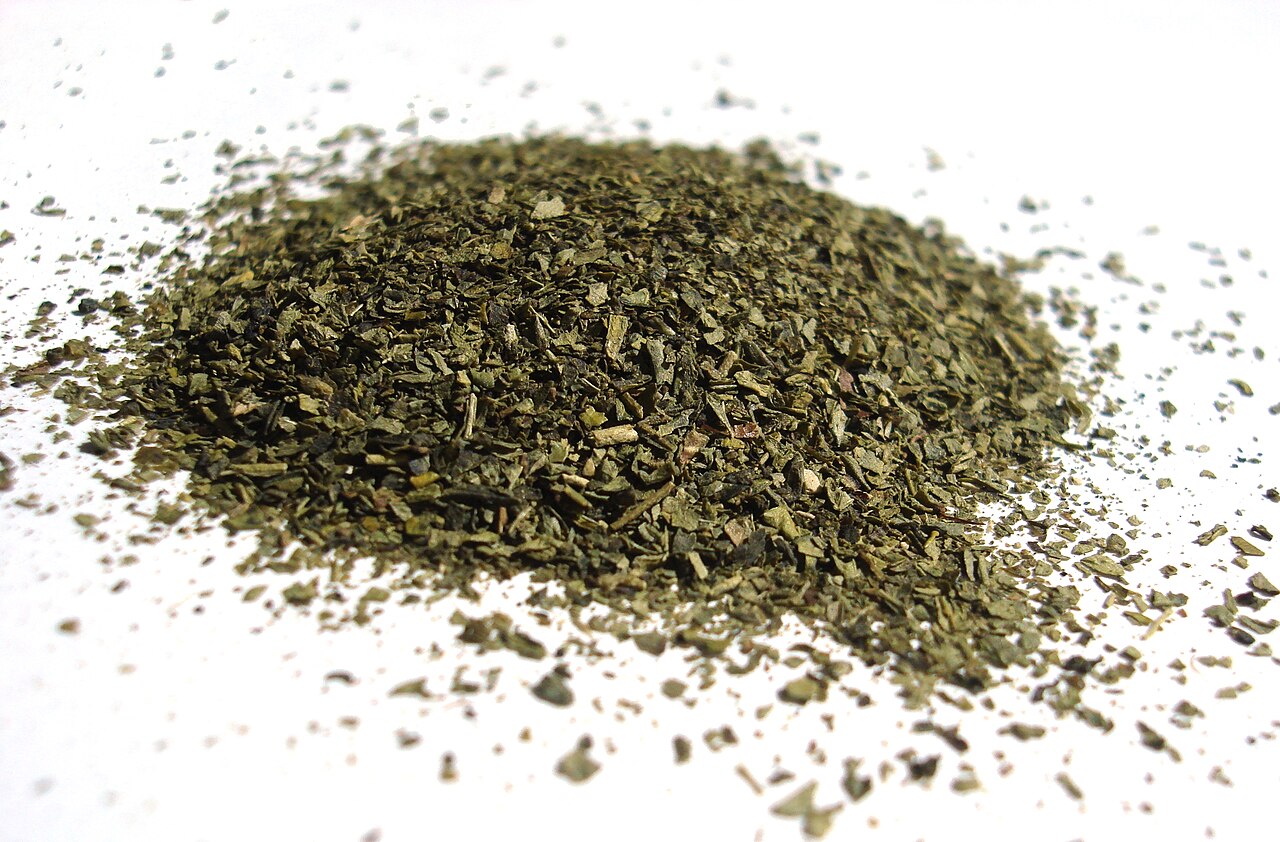
1. Why a tea caddy should not be reduced to “anything that can hold tea”
Because holding solves only the volume problem, not the flavor problem. Tea leaves are not passive dry goods. They are light, aromatic, and highly responsive to environment. They absorb smells, react to humidity, lose freshness under light, and change gradually with repeated opening. That means the relationship between tea and container is not just one of occupation, but of continual interaction. If the container has its own smell, the tea may take it on. If the container lets in too much light, especially for greener and more fragrance-sensitive teas, decline can happen faster than many people expect. If the seal is unstable, air and moisture keep participating. The result is often not sudden ruin, but a slow shift: aroma becomes flatter, less focused, and less alive.
So the real question is not whether the tea has somewhere to sit, but what kind of environment it inhabits while waiting to be brewed. This is why tea caddies do not follow the same logic as ordinary kitchen storage. A beautiful glass jar, a sturdy metal box, or a warmly atmospheric wooden container is not automatically a good tea vessel. For tea, the container is not a neutral background. It is part of the flavor chain itself.
In that sense, the tea caddy belongs closer to objects like the tea tasting cup and Cha He and Cha Ze than many people realize. The tasting cup protects comparability after brewing. Cha He and Cha Ze clarify order before dosing. The tea caddy works even earlier: it tries to ensure that the tea remains itself before either observation or brewing begins.
2. Its deepest job is to defend four boundaries: less light, fewer odors, less moisture, and less disturbance
Discussion about tea caddies is often reduced to sealing alone. But a mature view has to consider at least four things at once. First, light protection. Long exposure, especially in bright environments, can dull freshness and aromatic energy. Second, odor isolation. Tea absorbs surrounding smells very easily, whether from kitchens, spices, scented wood, cleaning products, perfumes, or even the material smell of a new container. Third, moisture control. Dampness may not ruin tea immediately, but it first softens the aromatic lift and crispness of the leaf. Fourth, reduced disturbance: not forcing the entire batch of tea to be reopened, aired, and handled every time a little is needed.
The first three are familiar. The fourth is often underestimated. Many teas are not damaged in one dramatic moment. They are worn down by daily access. If a large daily tea supply sits in a big, frequently opened container, or if the whole batch is exposed every time a session begins, the tea is being slowly consumed before it meets water. Aroma loses shape gradually. It does not necessarily become obviously bad. It simply becomes less vivid, less precise, and eventually less satisfying. One of the most overlooked values of the tea caddy is that it helps limit exactly this kind of repeated low-level loss.
That is also why a truly effective tea-caddy system rarely stands alone. It often works together with a broader logic: original sealed packaging for the larger reserve, smaller caddies for daily use. The large layer protects long-term stability. The small layer protects everyday rhythm. Many people think they are choosing a tea caddy, when the real question is whether this container is meant to serve long-term storage or short-term high-frequency access. Those are not the same task.
3. Why long-term storage and daily access should not be handled with the same mindset
This is one of the clearest lessons in recent Chinese tea discussion. It used to be common to treat “storing tea” as one single problem and assume that choosing the right jar would solve everything. It is now much clearer that long-term storage and daily access have different goals. Long-term storage tries to minimize overall exposure and maintain stable conditions. Daily access tries to keep each opening brief, efficient, and low-impact while avoiding a clumsy routine every time tea is prepared. A container that works for long-term holding may be poor for ten openings a day; a caddy that works beautifully at the edge of the tea table may be the wrong tool for protecting the whole reserve.
This is why more experienced drinkers often separate larger packaging, sealed bags, outer boxes, cool storage environments, and smaller everyday caddies. With green tea, scented tea, many lightly oxidized oolongs, and other teas sensitive to freshness and aromatic lift, pouring the entire amount into one frequently opened daily caddy can mean exposing the whole supply to unnecessary repetition. But taking tea every day directly from deep storage can make the daily rhythm awkward and inefficient. A mature tea-caddy practice is therefore not a belief in one ideal material or one heroic old form. It is an acceptance that layered storage is itself a logic of action.
From this point of view, a tea caddy is less a standalone object than a transfer device between packaging, storage, tea table, and brewing movement. It helps move tea from the condition of being kept for the future into the condition of being used today. Whether a tea can be reproduced consistently at home often depends not only on brewing skill, but also on whether this transfer stage has been handled well.
4. Why different tea types change the priorities of the tea caddy so dramatically
One of the biggest mistakes in tea-caddy discussion is trying to force all teas into one standard. Different teas face different vulnerabilities. Green tea, yellow tea, some scented teas, and many lightly oxidized oolongs care more about freshness, lift, cleanliness, and high aroma, so they are especially sensitive to light, odor contamination, and repeated disturbance. A beautiful glass jar may look satisfying, but for such teas it can be a quiet way of losing quality.
Black tea, more roasted oolongs, some dark teas, and relatively stable white teas may be less fragile in the sense of collapsing after brief light exposure, but they still fear humidity, odor contamination, and unstable conditions over time. Roasted or aged teas are especially vulnerable to containers with strong new-material smells, glue notes, or untreated wooden odors. As for pu-erh and other teas discussed in terms of later transformation, one cannot simply repeat the slogan that tighter sealing is always better. One must distinguish between a small daily-use portion and a larger long-term storage logic. Once those two questions are confused, discussion about tea caddies almost always goes wrong.
So the honest question is not “which tea caddy is best” but “for which tea, at what stage, and with what access frequency?” A small daily caddy for green tea needs stability, odor neutrality, light protection, and a fast open-close rhythm. A larger container for long-cycle transformation has to be judged together with the storage environment, and the caddy may not even be the main actor. This is why experienced discussion binds the tea caddy to storage context rather than praising a single container as universally magical.
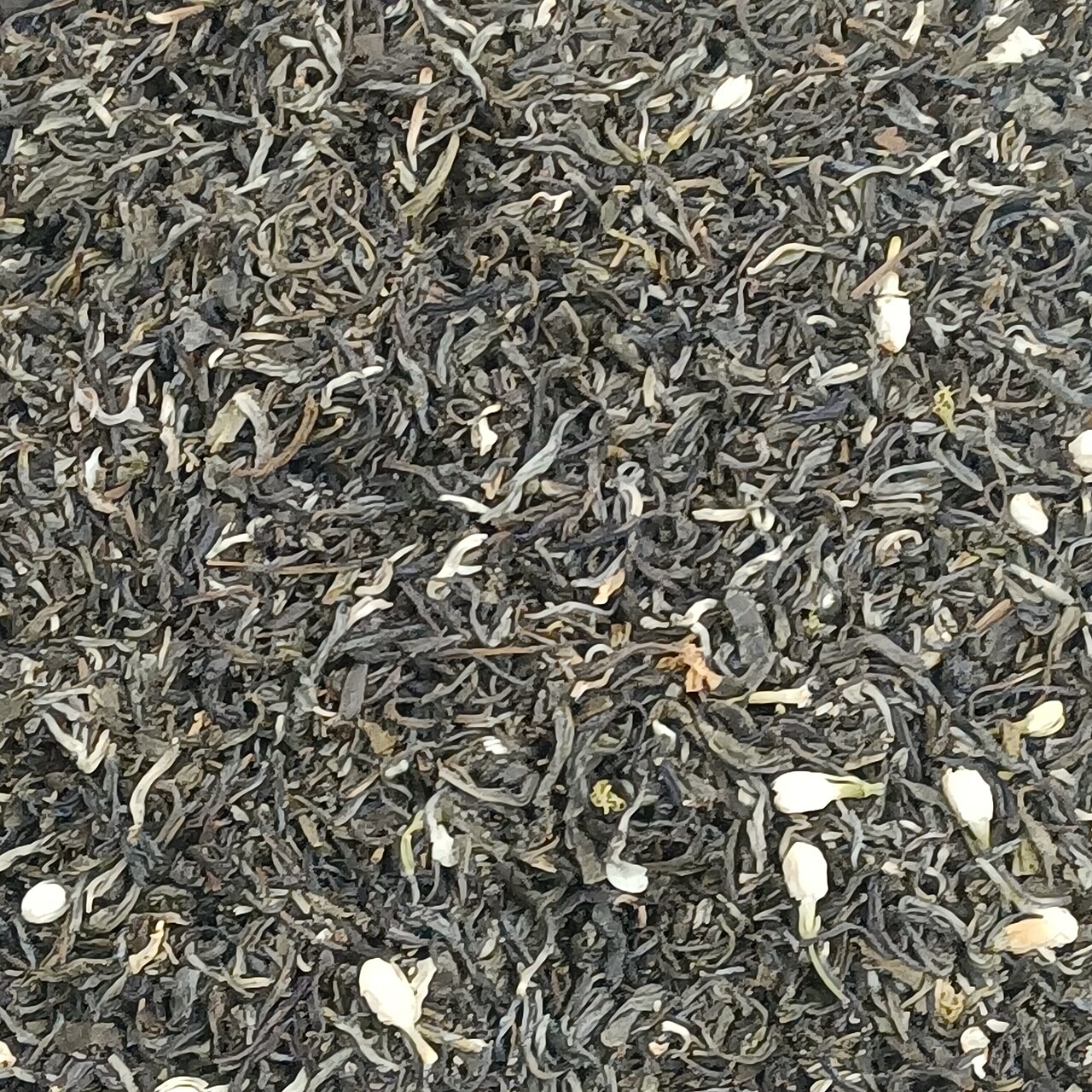
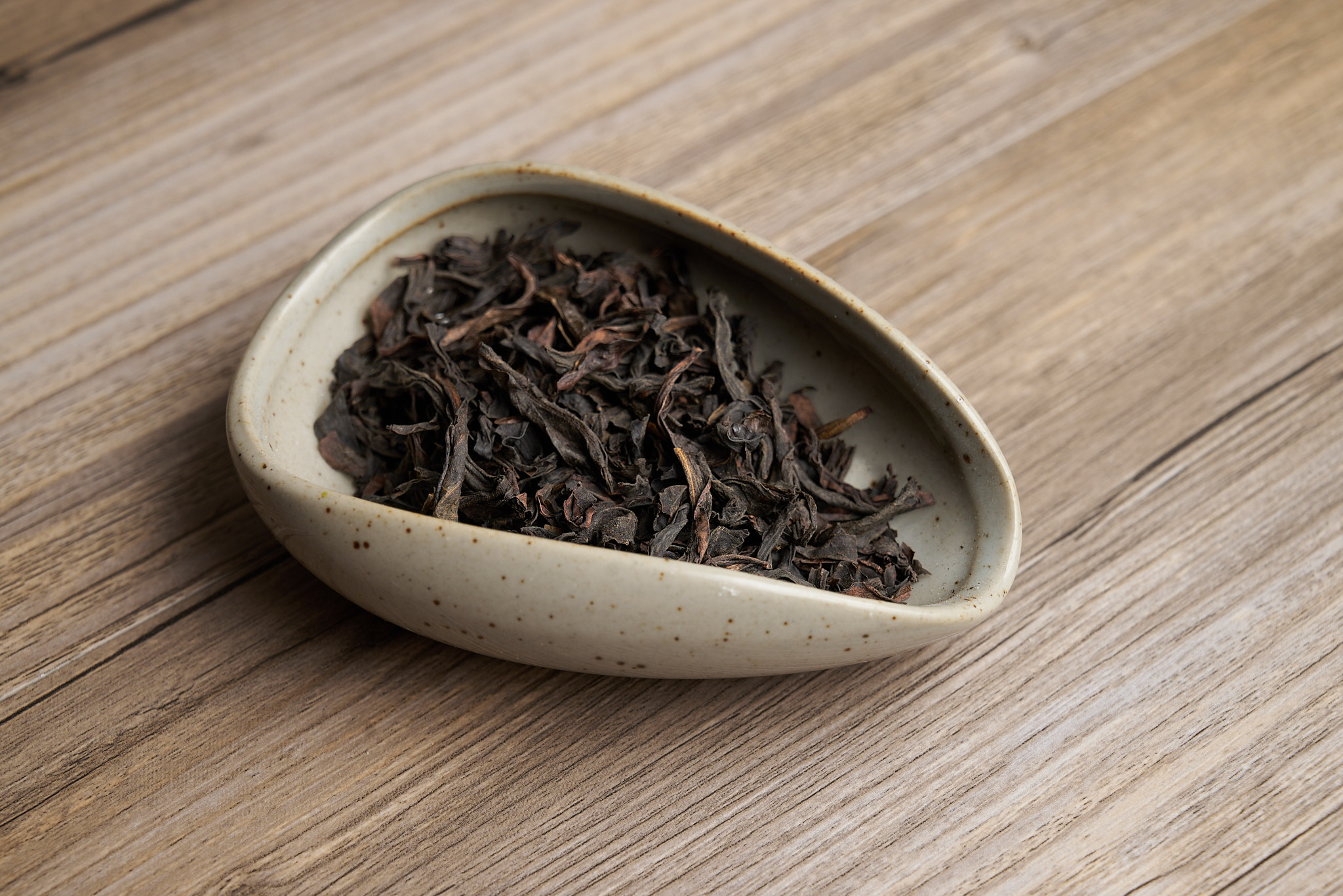
5. Why material is not just an aesthetic matter, but a matter of flavor judgement
Common tea-caddy materials include porcelain, ceramic, zisha, tin, iron, stainless steel, glass, bamboo, wood, paper canisters, and modern composites. Most people notice them first as aesthetic categories: porcelain feels clean, tin feels refined, wood feels warm, glass feels beautiful, iron carries old tea-shop atmosphere. But in actual use, material first determines how the caddy handles light, smell, humidity, and repeated access, not what kind of visual story it tells.
Porcelain and many stable metal-lined caddies are often valued because they are relatively clean, odor-neutral, and easy to maintain, making them suitable for many daily teas that need stable protection. Tin caddies are often highly praised for sealing and light-blocking ability, but they are also more demanding in price, weight, and use context. And many people wrongly transform “tin is excellent” into “every tea should always live in tin,” which goes too far. Zisha and some ceramics are often described as breathable or nourishing, but such claims become misleading once detached from tea type, environment, and stage of use. They do not automatically improve tea; they alter the way tea exchanges with its environment under certain conditions. Glass caddies are the clearest example of beauty working against function: they can be fine for short presentation, but often are poor for long-term daily use. Bamboo and wood require even more caution, because if their own material smell is not properly settled, they can easily interfere with high-aroma teas.
So the real material question is not “does this container have character?” but “does it introduce unnecessary variables?” The moment a tea caddy starts changing your judgement of the tea’s actual flavor condition, it stops being just an accessory. It becomes an active participant in the chain of judgement. The best material is not the most storied one, but the one that interferes the least.
6. Why the tea caddy also rewrites the rhythm of everyday tea access
Many people do not realize that a tea caddy directly shapes how a session begins each day. Is it easy to open? Does taking tea feel hesitant or smooth? Does the lid wobble? Does the path from caddy to leaf tray to main vessel feel short and clean, or clumsy and overlong? These are not trivial things. Once repeated daily, they become habit. And once habit stabilizes, frequency of use, patience, and tabletop order all begin to change with it.
A truly good daily-use tea caddy is often not the heaviest, most expensive, or most elaborate one. It is the one that allows a short, readable sequence: open, take, close, return. It should feel stable enough not to shift awkwardly when opened, but not so overbuilt that every dose feels like opening a vault. Ideally it also has a clear position at the side of the table, so that the storage zone does not collapse into the main brewing zone. Many tea tables feel busy not because they contain too many tools, but because storage movements and brewing movements have not been separated clearly. When the tea caddy sits badly, packaging, clips, loose fragments, and temporary lids all migrate into the main action area, and disorder begins before brewing has even started.
This also helps explain why the idea of using the original package forever often fails in practice. In theory, a sealed bag may be excellent. In daily use, however, it can make the movement crude: pinch the bag, search for the opening, stretch it open, shake tea out, press it back down, reseal. The tea caddy does not exist to replace packaging completely. It exists to separate the logic of long-term keeping from the logic of daily action. If someone really drinks tea every day, the difference becomes obvious very quickly in the hands themselves.
7. Why it is also part of the tea table’s boundary system
A mature tea table is never just a pile of attractive objects. Different tools belong to different phases of work. The main brewing zone handles water, dosing, infusion, and pouring. The drinking zone handles receiving, resting, and sharing. The tea caddy belongs to a third kind of place: the threshold between reserve and use. It should not permanently invade the brewing center, but it should not be so distant that taking tea feels like going to a cupboard every time. Once the tea caddy has a clear place on the table, the spatial logic of the whole setup becomes more stable: one knows where tea comes from, and one knows that after the leaves enter the main vessel, that space should clear again.
This subtle point is structurally related to the logic of the cup stand, the pot stand, and the jianshui. All of these tools establish boundaries for repeated high-frequency movements so that consequences do not spread everywhere. The tea caddy manages the boundary before tea meets water. The cup stand manages the boundary after a cup lands. The pot stand handles the wet edge around the main vessel. The jianshui handles the direction of waste water. The objects differ in size, but a mature tea table often depends on exactly these prearranged limits.
So the tea caddy is not merely a storage question. It is a question of tea-table order. How you keep tea is often how you begin a session. And how a session begins usually determines the rhythm that follows.
8. The most common misunderstandings around tea caddies
Misunderstanding one: any sealed container can hold tea. Being closable is not enough. Smell, light transmission, unstable material behavior, and awkward opening can all turn “storage” into quiet deterioration.
Misunderstanding two: glass is best because seeing the tea looks refined. Glass is usually better for short display than for long-term daily use, especially for teas sensitive to freshness and high aroma.
Misunderstanding three: tighter sealing is always universally better. Sealing matters greatly, but not every tea and every storage stage can be reduced to this one criterion. Long-term warehousing, short-term decanting, transformation-oriented teas, and high-frequency daily access are different problems.
Misunderstanding four: once a large package is opened, pouring the whole thing into one daily caddy is the easiest answer. It may be easier in the short term, but it often exposes the whole tea supply to repeated opening. A more mature method is layered storage with smaller daily-use portions.
Misunderstanding five: tea caddies affect storage only, not brewing performance. In reality, they directly affect whether the tea you brew is still the tea you thought you had. Many people think they are comparing brewing skill when the first loss actually occurred in storage and access.
Why the tea caddy still deserves serious attention today
Because it reminds us very clearly that maturity on the tea table often begins not with the most dramatic object, but with the quiet upstream boundary. The tea caddy does not pour water, shape the infusion, tell a heroic vessel story, or create spectacle. What it does is protect the tea from being spent too early. That may sound like a modest job, but it is a foundational one. Once tea has already become tired, flat, contaminated, or dull before meeting water, no elegant brewing gesture can fully restore what has been lost.
To understand the tea caddy is also to understand a very practical principle in Chinese tea culture: good tools do not only participate in action; they protect the conditions under which action becomes meaningful. The gaiwan makes judgement possible, the fairness pitcher makes distribution possible, the jianshui makes closure possible, and the tea caddy makes it possible for there still to be a tea worth brewing seriously in the first place. It is not mystical, and it should not be romanticized. But anyone who actually drinks tea over time will almost certainly have its quality revealed by use. That is exactly why the tea caddy still deserves to remain near the center of teaware discussion.
Further reading: Why Cha He and Cha Ze Matter Again, Why the Tea Tasting Cup Deserves Serious Attention Again, Why a Cup Stand Is More Than a Small Cup Rest, and What a Gaiwan Really Is.
Source references: public reference material from the Baidu Baike entry on tea-leaf storage containers; synthesized Chinese-language public discussion around tea caddies, tea-storage vessels, tin caddies, porcelain caddies, glass jars, daily decanting jars, light protection, odor isolation, moisture control, and access frequency; plus internal comparison with the site’s existing teaware articles on preparatory action, brewing boundaries, and daily tea-table order.