Yellow Tea Feature
Yellow Small Tea: why it is the missing middle layer that connects yellow bud tea and yellow large-leaf tea in any serious understanding of yellow tea
When people write about Chinese yellow tea, one structural weakness appears again and again. They know they should cover yellow bud teas such as Junshan Yinzhen, Mengding Huangya, and Huoshan Huangya. They also know they should cover a yellow large-leaf representative such as Huoshan Yellow Large-Leaf Tea. But the middle layer is often dismissed in a single phrase: there is also something called Yellow Small Tea. That is exactly the problem. Yellow Small Tea is not a disposable in-between grade. It is the layer that actually lets yellow tea connect internally. Without it, yellow tea looks clear at both ends but collapsed in the middle: fine famous bud teas on one side, thicker large-leaf and stronger-fire routes on the other, but no serious explanation of how yellow tea also develops a stable, everyday, medium-bodied route of its own.
That is why Yellow Small Tea deserves a separate article. It is no longer a pure bud narrative, yet it has not moved all the way into the large-leaf, stronger-fire, heavier-liquor direction of yellow large-leaf tea. It usually works with slightly more opened tender leaf material and uses the yellow-tea logic of menhuang and later heat finishing to turn direct freshness into something smoother, steadier, and more structurally complete in the cup. For anyone trying to understand yellow tea, its value is not that it is a cheaper substitute for yellow bud tea. Its value is that it proves yellow tea is not only for elite bud-tea aesthetics. It also contains a stable middle route that is easier to compare, easier to drink regularly, and crucial for understanding the category as a whole.
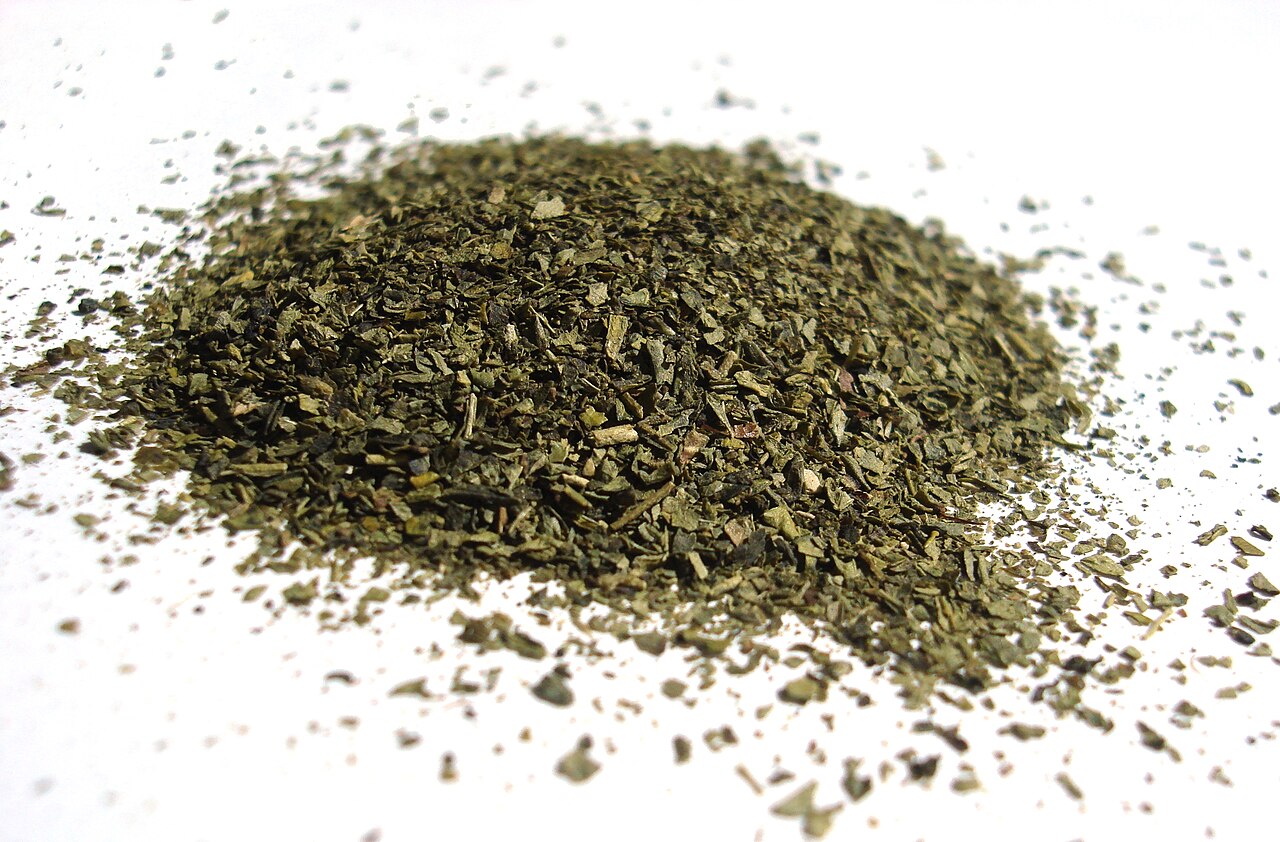
What exactly is Yellow Small Tea? Between yellow bud tea and yellow large-leaf tea, it is not a filler layer but a real one
In the traditional internal classification of Chinese yellow tea, yellow tea is often divided into yellow bud tea, yellow small tea, and yellow large-leaf tea. This system is tied first to material tenderness, plucking standard, finished-tea target, and drinking direction. Yellow bud tea usually centers on buds or extremely tender shoots and emphasizes fineness, cleanliness, and elegance. Yellow large-leaf tea uses more mature material and emphasizes body, steadiness, firework, and endurance. Yellow Small Tea stands exactly between them. Its raw material is more opened than that of yellow bud tea, so it is no longer a pure bud story, yet it has not moved into the coarse, mature, large-leaf direction of yellow large-leaf tea. That is precisely why it is so useful for helping readers understand yellow tea as a continuous spectrum.
The importance of this layer is that it turns yellow tea back into a complete category rather than a set of special famous teas. When readers face yellow bud tea, they often focus on bud grade, visual delicacy, and famous-tea prestige. When they face yellow large-leaf tea, they are often drawn immediately to large leaves, stronger heat, and thicker liquor. Yellow Small Tea, by contrast, returns yellow tea to the ordinary order of drinking. It has the independent processing logic of yellow tea, a clear enough flavor boundary, and a form that is easier to compare across regions and examples. So it is not just a middle slot in a taxonomy. It is the layer that proves yellow tea is not a two-pole category, but a fully developed route.
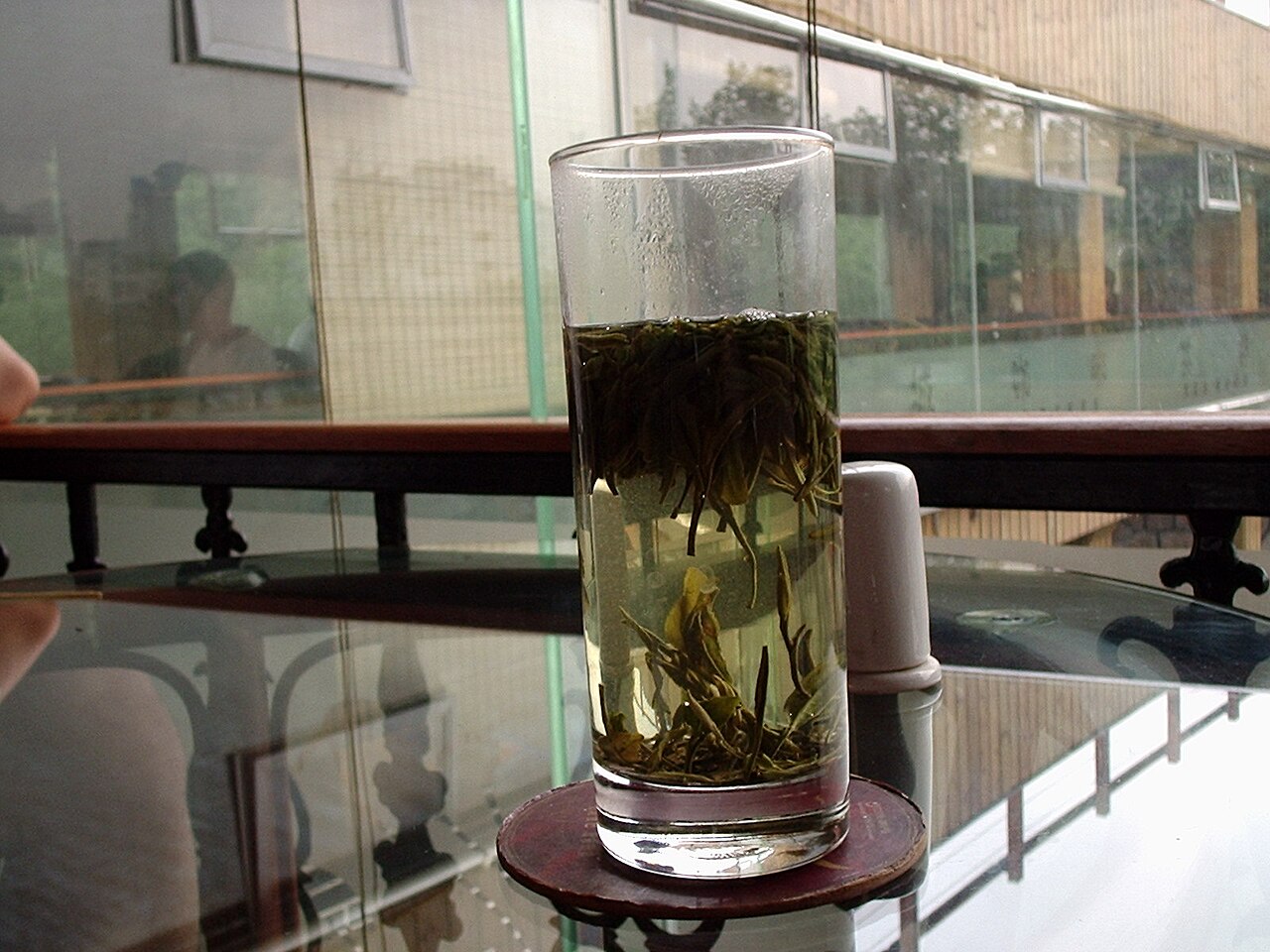
Why is this middle layer so often ignored?
Because it is not extreme enough to advertise itself. Yellow bud tea is easy to remember because it is tender, expensive, elegant, and famous. Yellow large-leaf tea is easy to remember because its big leaves, stronger firework, and thicker structure create contrast. Yellow Small Tea sits in the middle. It has neither the visual shock of a pure bud tea nor the obvious mature-leaf, stronger-fire identity of yellow large-leaf tea. So in popular writing it often becomes a term that is mentioned and immediately abandoned. But in knowledge work, this is the layer that matters most, because it performs the connective function. It shows readers that yellow tea is not only about the very fine and the very thick. There is a mature, stable middle route as well.
Another reason it is overlooked is that many representative names inside Yellow Small Tea are less instantly memorable than Junshan Yinzhen. Names such as Beigang Maojian, Weishan Maojian, Yuan’an Luyuan, and Pingyang Huangtang can look like green tea names, local tea names, or even names from other categories. Readers therefore struggle to recognize them together as one coherent yellow-small-tea line. That is exactly why a general article is useful first. The framework has to be established before the individual representatives can each fall into place.
Which teas best represent Yellow Small Tea, and why are Beigang Maojian and Weishan Maojian especially useful starting points?
In public reference material and common yellow-tea classification writing, representative Yellow Small Tea examples usually include Beigang Maojian, Weishan Maojian, Yuan’an Luyuan, and Pingyang Huangtang. They come from different regional contexts in Hunan, Hubei, and Zhejiang, but their shared logic is clear. None of them belongs to the pure-bud route, and none belongs to the mature, large-leaf route of yellow large-leaf tea. Instead, they use more opened tender leaf structures to receive yellow-tea processing and end up with a more substantial, smoother, more comparison-friendly cup profile. For a knowledge site, their importance lies less in which one is most famous, and more in the fact that together they define what Yellow Small Tea actually is.
Among them, Beigang Maojian and Weishan Maojian are especially good entry points. The reason is simple. Both sit inside a Hunan yellow-tea context, and both carry the word maojian, which easily misleads people into assuming they are green teas. That makes them perfect for teaching a more important lesson: Chinese tea naming is never settled by the surface of the name alone. Tea identity is determined by processing direction and the final cup result. Once Beigang Maojian and Weishan Maojian are read inside the Yellow Small Tea framework, readers begin to see that Yellow Small Tea is not an artificial category invented to fill a gap. It is a real layer supported by real representative teas.
What is the key difference between Yellow Small Tea and yellow bud tea?
Many readers see the phrase Yellow Small Tea and instinctively interpret it as a downgraded yellow bud tea. That is one of the most common misunderstandings. The real difference is not simply that the material is a little less tender. The deeper difference is that raw-material structure, aroma organization, and liquor target are all different. Yellow bud tea emphasizes buds or extremely fine shoots and aims for delicacy, cleanliness, quiet elegance, and subtle distinction. Yellow Small Tea allows more opened leaf structure, allows aroma to carry more physical presence, and allows the liquor to move toward something fuller and more complete. It is not yellow bud tea made less well. It is a tea with a different goal from the start.
Because of that, it is very easy to misjudge Yellow Small Tea if one uses the criteria of yellow bud tea. One may instinctively look for the tenderest material, the finest outline, the strongest resemblance to an elite bud tea, and end up overlooking what Yellow Small Tea really does well: whether the aroma is orderly and clean, whether the yellow-tea style of softened maturity is present, whether the entry is fresh-mellow rather than floating, and whether the finish is steadier, smoother, and less green-sharp than in many green teas. Put another way, yellow bud tea seeks extremely high completion within a fine-bud range; Yellow Small Tea seeks yellow-tea completion within a slightly more opened leaf range.
How is it different from yellow large-leaf tea? Why can they not be merged into one story?
If Yellow Small Tea and yellow bud tea are often confused because neither belongs to old coarse leaf material, then Yellow Small Tea and yellow large-leaf tea are often blurred together because neither is a pure bud route. The real difference is that yellow large-leaf tea depends much more clearly on mature material, obvious firework, thicker liquor, and a more strongly everyday drinking identity. Yellow Small Tea is more opened than yellow bud tea, but it still remains comparatively light, clean, and orderly. It does not move into the big-leaf, strong-fire, heavy-body direction of yellow large-leaf tea. Its goal is not to become thick. Its goal is to become complete.
This matters a great deal. The high-level quality of yellow large-leaf tea often comes from post-fire stability, liquor thickness, and endurance. The quality of Yellow Small Tea more often comes from a quieter balance: the leaves are more opened, but not coarse; the aroma has more body than yellow bud tea, but is not dull; the liquor is fuller, but not heavy; the finish is steadier, but not woody or empty. It is more everyday and more comparison-friendly than yellow bud tea, yet still lighter and clearer than yellow large-leaf tea. That is exactly why it joins the two ends of yellow tea together.
What are the most important processing features of Yellow Small Tea? Why is the key not only menhuang, but also a sense of being “organized”?
No discussion of yellow tea can avoid menhuang, the controlled yellowing stage that distinguishes yellow tea from green tea. Yellow Small Tea is no exception. Without menhuang, it would struggle to move beyond green-tea material logic. But one especially important point here is that the real processing value often lies not only in the fact that menhuang exists, but in the very obvious sense of post-processing organization it creates. The original grassy sharpness, directness, and looseness of the leaves are gradually reduced. Aroma and liquor are reorganized into something smoother, steadier, and more structurally complete. The high completion of Yellow Small Tea does not come from one dramatic technical move. It comes from several steps working together to push the tea from raw freshness toward fresh-mellow roundness.
The most underestimated factor is often the later heat finishing. When people talk about yellow tea, they focus on menhuang and forget that later drying and fire control are equally decisive. If menhuang is insufficient, Yellow Small Tea can taste like failed green tea: raw, grassy, thin. If later fire finishing is unstable, aroma becomes messy, the cup becomes empty, and woody or dull notes appear. So the true difficulty often lies not in whether the tea was made yellow at all, but in whether it was yellowed to the right point and finished with exactly the right amount of fire. That is far more complex than calling it “lightly fermented green tea,” and much closer to the actual logic of Chinese yellow-tea craft.
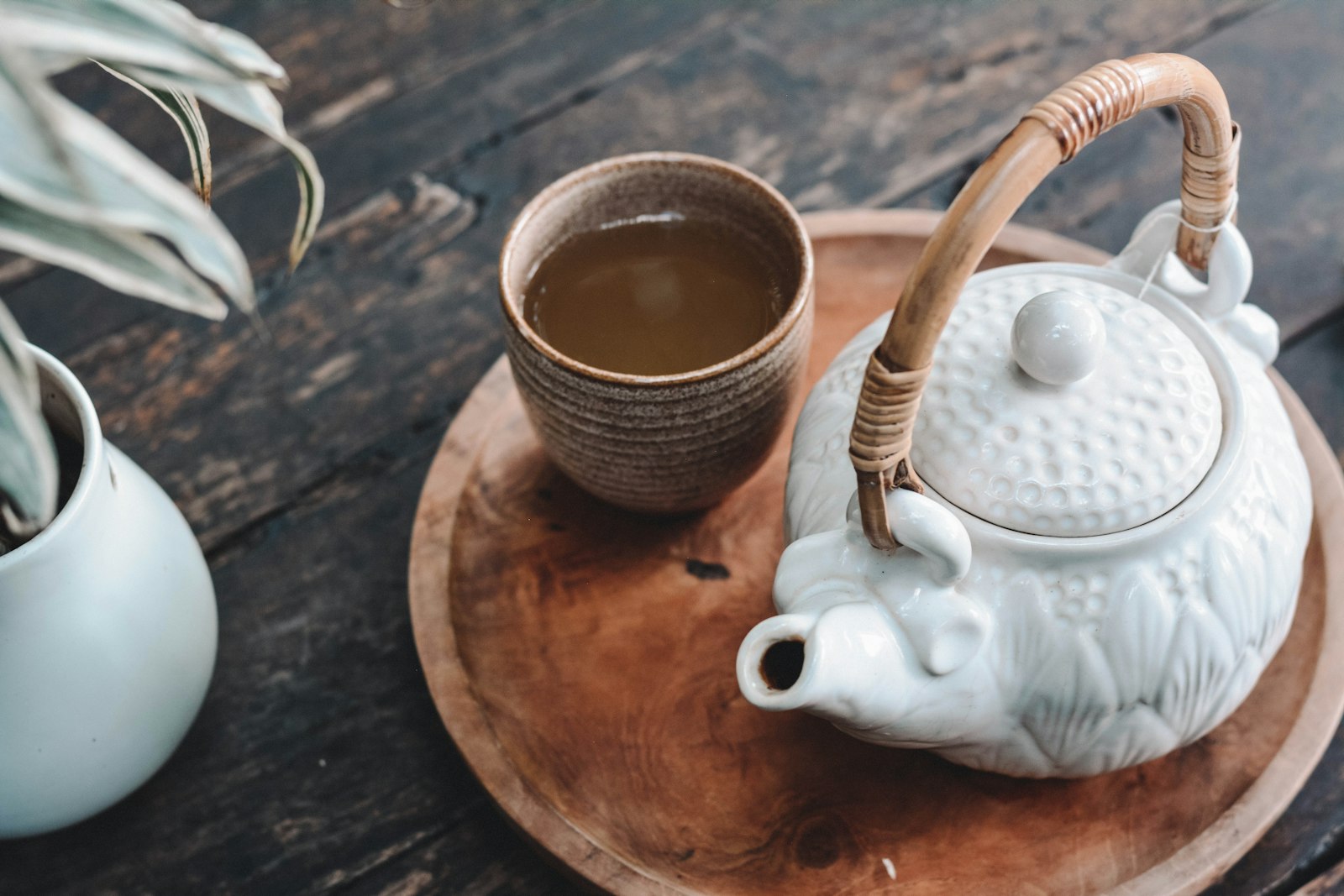
What does Yellow Small Tea usually taste like?
A strong example of Yellow Small Tea often gives a very clear impression: it is smoother than many green teas, more substantial than many yellow bud teas, and lighter and cleaner than yellow large-leaf tea. Aromatically, it usually avoids theatrical force and instead values cleanliness, softened maturity, and a stable aromatic landing point. In the mouth, it should not be merely “light and not bitter.” It should feel fresh-mellow, smooth, slightly matured in tone, while still retaining brightness and clarity. The point is that its charm usually does not lie in one overwhelming flavor marker, but in balance: aroma is not messy, liquor does not float, the finish does not collapse, and what remains in the mouth is a sense that the tea has been carefully organized.
This is also why many people who first drink Yellow Small Tea seriously find it more complete than they expected. Yellow bud tea can sometimes leave only an impression of elegance. Yellow large-leaf tea can sometimes leave the drinker first remembering weight and fire. Yellow Small Tea tends to hold the middle together. It has freshness, but not sharpness; maturity, but not dullness; body, but not heaviness; returning sweetness, but not a dragging finish. The less a tea relies on extremes, the more it depends on overall completion. Yellow Small Tea makes that especially clear.
How should Yellow Small Tea be brewed? Why is it a mistake to force it into proving itself through rough methods?
Yellow Small Tea usually works well in a glass or a gaiwan. A glass helps one observe whether the liquor is bright and whether the leaves open naturally; a gaiwan is better for comparing aromatic layers and infusion-to-infusion change. In terms of temperature, roughly 80°C to 90°C is a safe entry range, depending on leaf tenderness and the degree of finishing fire. For most examples, there is no need to hammer it the way one might treat some heavily roasted oolongs, nor is it necessary to handle it with the extreme caution used for the most delicate bud teas. A better approach is to let it reveal aroma, fresh-mellow liquor, and its processed maturity in sequence.
In a gaiwan, about 3 grams for 100 to 120 ml of water is an easy starting point. The first infusions should not be overlong. The point is to see whether from the first or second cup onward the liquor already feels clean, smooth, and fresh-mellow rather than floating, and whether the aroma stays stable and free of messy notes. The value of Yellow Small Tea is not that it can shock through intensity. The value is whether it can state the yellow-tea order clearly in the early and middle cups. Rough methods easily turn it woody, dull, or blunt. Overly timid methods easily make it empty, weak, and scattered. What it needs is rhythm, not force.
What are the easiest mistakes when buying Yellow Small Tea?
The first mistake is buying it as if it were a green tea simply because many representative names include words like maojian. Names such as Beigang Maojian and Weishan Maojian can easily mislead people into thinking the goal should be maximum green freshness, sharpness, and lift. In reality, the whole value of Yellow Small Tea lies in the extra layer of organization and soft maturity that takes it beyond green tea. If a tea offers only surface freshness without fresh-mellow body or a stable finish, or if it carries too much green grassy sharpness, then it probably has not really settled into a convincing yellow-tea route.
The second mistake is to treat Yellow Small Tea as a mere medium-grade yellow tea or an inferior yellow bud tea. That pushes judgment in the wrong direction immediately. Yellow Small Tea is not a lower version of yellow bud tea. It has its own goal and its own standards. The third mistake is to assume it should be thicker than yellow large-leaf tea or more visually striking than yellow bud tea, and therefore to chase the wrong kind of weight. Truly good Yellow Small Tea does not win through heaviness. It wins through balance and completion: clean aroma, smooth liquor, stable finish, and no obvious collapse over several infusions. For this kind of tea, order and completeness matter far more than one point of sensory drama.
Why does the tea section need this Yellow Small Tea overview now?
Because the site already has a yellow-tea general introduction, and it already has representatives of yellow bud tea and yellow large-leaf tea. What is still missing is the middle layer that actually ties the internal structure together. Without this page, readers may know that yellow tea is divided into bud, small, and large, yet still fail to understand that these are not simple grade levels but three different material and flavor directions. The function of this Yellow Small Tea article is not just to add another term. It is to complete the internal map of yellow tea.
More practically, this article creates a useful internal-linking structure. Upward, it inherits from the general yellow-tea overview. Downward, it can naturally lead toward future specific entries on Beigang Maojian, Weishan Maojian, Pingyang Huangtang, and related teas. Sideways, it can stand in direct comparison with yellow bud tea and yellow large-leaf tea. The real value of a content-based tea site is never just article count. It is whether the articles can actually close gaps in understanding. Yellow Small Tea is exactly the missing piece in the yellow-tea map.

Source references: Chinese Wikipedia: Yellow Tea, Chinese Wikipedia: Junshan Yinzhen, Chinese Wikipedia: Mengding Huangya, Chinese Wikipedia: Huoshan Huangya, together with synthesized public Chinese-language reference material on Yellow Small Tea, Beigang Maojian, Weishan Maojian, Yuan’an Luyuan, Pingyang Huangtang, and the internal classification logic of yellow tea.