Yellow Tea Feature
Huoshan Huangya: why it is not just “green tea that isn’t green enough,” but a key to understanding yellow bud tea
If Junshan Yinzhen is the yellow-tea name most often mentioned and most easily mythologized, then Huoshan Huangya plays a different but equally important role. It is a better working sample for explaining what yellow bud tea actually is. It carries less ceremonial aura and is less often centered in gift-tea storytelling, but that is exactly why it is useful. It brings the reader back to the tea itself: what separates yellow tea from green tea, why yellow bud tea is not simply a greener tea made slightly yellower, and how origin, shaping, menhuang, and final flavor structure are linked together.
Huoshan Huangya deserves its own article because it is so easy to misread as a blurry category somewhere between green tea and yellow tea. In market language, many people first meet it through fragmentary labels: Anhui tea, yellow tea, sparrow-tongue shape, chestnut aroma, early-spring tender buds. None of those tags are entirely wrong, but if they are left alone, the tea is easily reduced to “a softer green tea with a yellower finish.” The real point is different. Huoshan Huangya is built through yellow-bud-tea raw material standards, the menhuang stage of yellow-tea craft, and the resulting cup order of fresh mellowness, yellow-green brightness, steadier returning sweetness, and restrained greenness. Once that structure is clear, the tea stops looking like an unfinished green tea and starts making sense as yellow tea on its own terms.
What kind of tea is Huoshan Huangya?
Huoshan Huangya belongs to the yellow bud tea branch within Chinese yellow tea, with its core origin context tied to Huoshan in Anhui. For most readers, the first thing to establish is not merely that it is well known or that it is another Anhui famous tea, but that its tea-category identity matters. Yellow tea has long occupied a strange position: everyone knows it belongs among the six major Chinese tea families, yet far fewer people can explain where its production boundary and flavor boundary really sit against green tea. Huoshan Huangya matters because it helps pull the yellow-bud-tea line into focus.
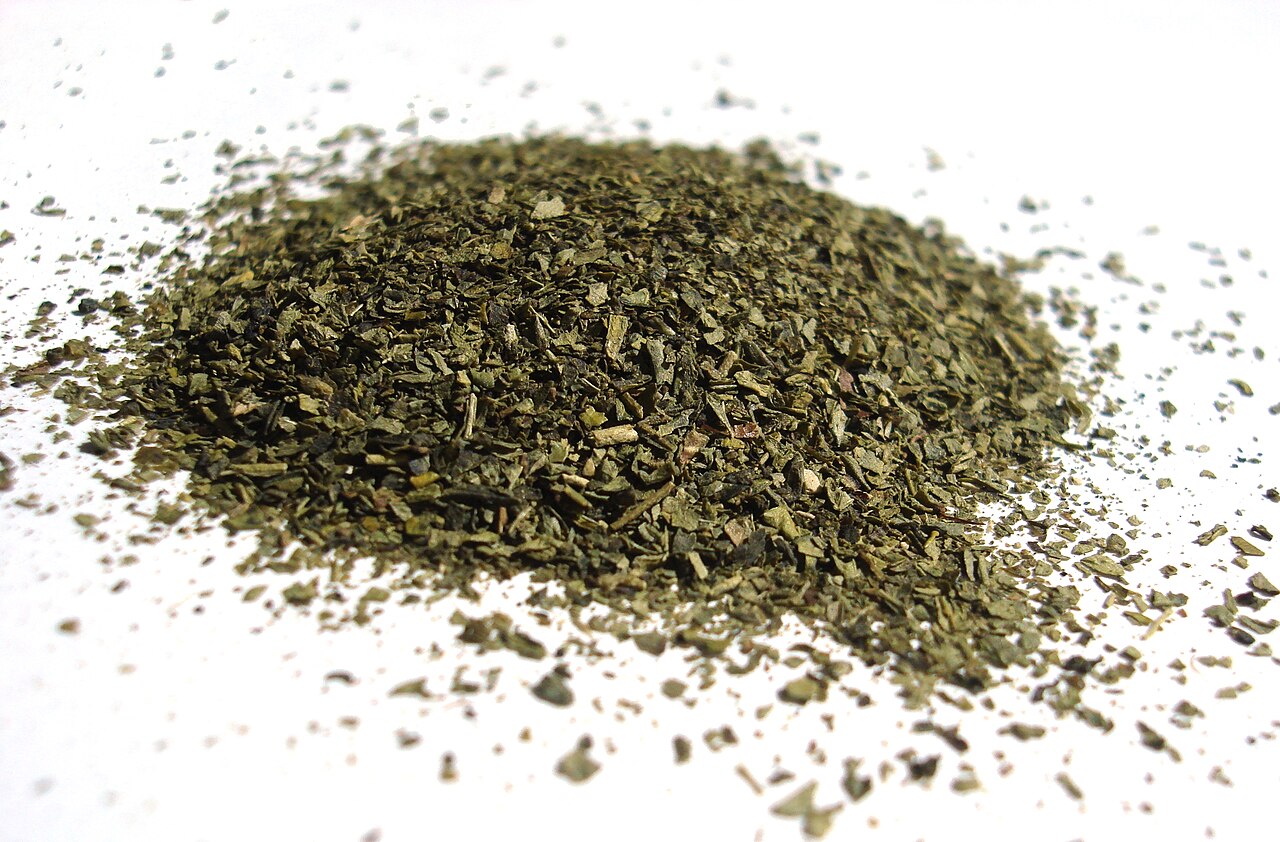
It is typically made from fine tender buds and young leaves. Its finished appearance aims for an upright, slightly spreading, clean and even form; once brewed, the liquor tends toward a bright yellow-green tone, while the taste stresses fresh mellowness, sweetness, and a calmer returning finish. The key point is this: although it values tenderness and early-spring material and shares some vocabulary with Anhui green teas, its goal is not to make the sharpest possible spring cup. It is trying to take the liveliness of fine bud-and-leaf material and settle it, steady it, and mature it one layer further through yellow-tea processing.
Why can the Huoshan origin context not be removed?
Huoshan Huangya is almost always introduced together with place. That is not regional romanticism for its own sake. Many Chinese famous teas are not abstract craft templates floating free from landscape. Huoshan Huangya has long been tied to the mountain environment, climate rhythm, and local tea-making experience of Huoshan in Anhui. Public reference material often points to its mountain production environment, where elevation, spring growth rhythm, moisture, and local tea-tree conditions all help determine whether the raw material is tender and even enough to stand up to later yellow-tea making.
For readers, origin matters in at least two ways. First, it reminds us that Huoshan Huangya is not a pretty label that can be generalized without limit. Second, it explains why so many Chinese teas have to be read together with place names. This is not because tea culture enjoys unnecessary complication. It is because flavor, raw material structure, and local craft memory are not separate things. If Huoshan is removed from Huoshan Huangya, what remains is often only a list of visible results—sparrow-tongue-like shape, yellow-green liquor, chestnut-like aroma—without the conditions that made them possible.
What is the actual difference between Huoshan Huangya and green tea? The key is still menhuang
This is the central step in understanding the tea. At first glance, Huoshan Huangya looks very close to many early-spring tender green teas: it values tenderness, demands clean even leaf material, relies on heat to control enzymatic activity, and does not follow the full oxidation route of black tea. Precisely because it looks so close, it is often mistaken for a greener tea made slightly yellower. The real difference still lies in the yellow-tea stage called menhuang. This is not merely a matter of changing color. It is a controlled use of warmth, moisture, and time that shifts the tea away from sharper, greener, more direct freshness toward a softer, mellower, steadier flavor order.
In Huoshan Huangya, that difference deserves special attention because the raw material is tender enough that people instinctively want to read it by green-tea standards: which one is fresher, greener, sharper. But yellow bud tea is not chasing a linear “the fresher the better” logic. Good Huoshan Huangya should preserve raw vitality while drawing in excessive greenness, cleaning up the aroma, and rounding the liquor into a specifically yellow-tea style of fresh mellowness and returning sweetness. It does not abandon freshness. It changes freshness from something pointed into something more legible and more stable.
What does “huangya,” or yellow bud, really imply here?
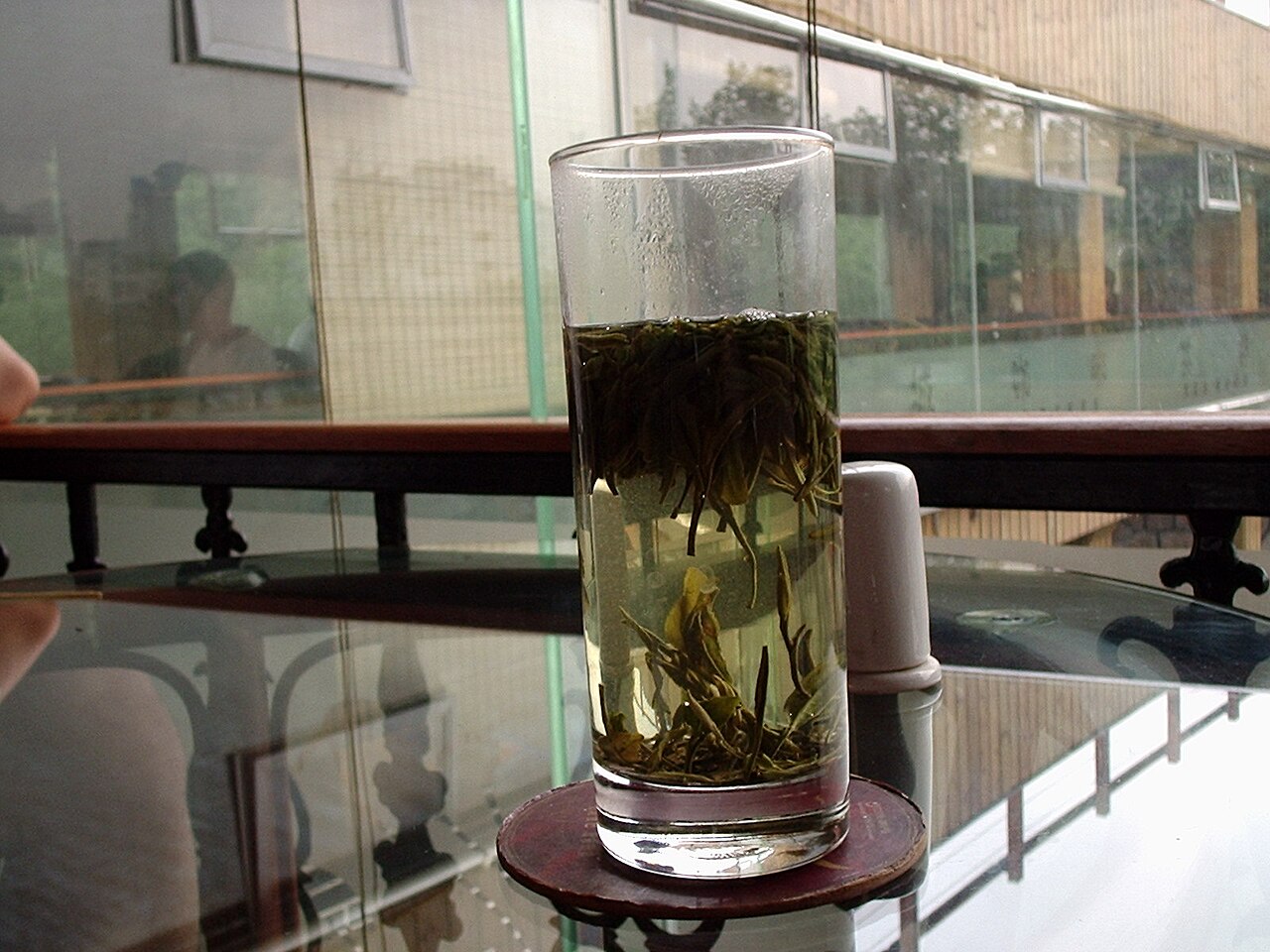
“Yellow bud” is not just a decorative term. It implies a double discipline: raw-material grading and finished-tea direction. Public descriptions of picking standards commonly refer to tender ranges such as one bud with one leaf or one bud with two just-opening leaves, while also stressing consistency in size, shape, and color, plus the removal of unsuitable material such as opened buds, frost-damaged buds, insect-damaged buds, or purple buds. In other words, Huoshan Huangya is not a tea that can rescue weak material through yellow-tea processing. On the contrary, yellow-tea craft does not conceal poor leaf. It asks sufficiently fine, sufficiently even raw material to enter a more balanced flavor route.
This is exactly where it diverges from the casual assumption that yellow tea is gentler and therefore somehow less exacting. Yellow bud tea is not low-standard tea. It simply places its standards on a different set of judgments: whether the tenderness is natural, whether the shaping is clean, whether the aroma is clear, whether the liquor is full without roughness, fresh without aggression, and whether the returning sweetness holds. Truly good Huoshan Huangya should not succeed only as dry leaf. It should continue to succeed after brewing, with bright infused leaves, visible vitality, and a liquor that is mellow rather than merely light.
How should the often-mentioned “chestnut aroma” be understood?
When people discuss Huoshan Huangya, chestnut aroma is one of the easiest phrases to reach for and one of the easiest to flatten. It is often treated as if the tea must smell strongly like roasted chestnuts, as though any trace of cooked nut aroma were the full answer. What matters more is how that chestnut-like note functions inside the broader flavor structure of yellow bud tea: together with clean fragrance, tender-leaf freshness, mellow liquor, and returning sweetness. In good Huoshan Huangya, chestnut aroma should not mean stuffy heaviness, scorched roughness, or an overfired cup. It should act more like a settled mature aromatic line that gives the tea grounding without making it clumsy.
For that reason, stronger is not always better. If the aroma turns heavy, dull, or overly cooked while the liquor loses vitality, the result is usually not a virtue. The ideal direction is aroma that feels clean and grounded, liquor that tastes freshly mellow with sweetness, enough body to avoid thinness, and a quiet but persistent returning finish. That is why Huoshan Huangya tests balance more than many louder teas do. It does not depend on a single high-recognition smell. It depends on whether the whole cup stands together.
Why is it a key to understanding Chinese yellow tea?
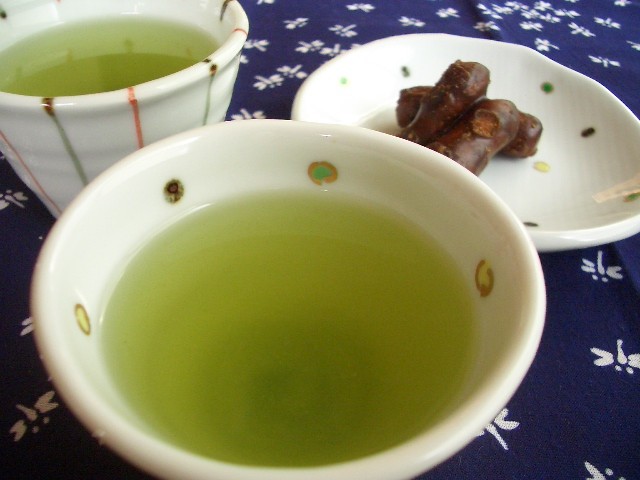
Because Huoshan Huangya is especially good at correcting one common misunderstanding: yellow tea is not an edge-case version of green tea. It has its own processing logic and its own flavor target. A yellow bud tea like Huoshan Huangya concentrates several big questions at once: why the raw material is so tender, why it still should not be judged entirely like green tea, what menhuang actually changes, why “fresh mellowness” is not the same as “fresh sharpness,” and why the refinement of yellow tea often depends less on pointed intensity than on a fuller, more restrained, more stable cup structure.
Once this tea is explained clearly, the reader gains a stronger coordinate for the yellow-tea line than the vague knowledge that yellow tea exists somewhere among the six major tea families. From there it becomes easier to return to Junshan Yinzhen or to expand into other yellow-tea examples later. The hard part of yellow tea is not that the names are rare or the colors unusual. The hard part is how finely it turns tender material into a cup that still feels alive while also possessing a more mature internal order.
How should Huoshan Huangya be brewed so it does not turn flat or stuffy?
For a yellow bud tea built on fine tender buds and leaves, both a glass and a gaiwan work well, though for slightly different purposes. A glass is useful for watching leaf opening, liquor brightness, and general cleanliness; a gaiwan is better for comparing aromatic layers and infusion-by-infusion changes. In practical terms, a water temperature around 80°C to 85°C is a sensible starting point. It is usually unwise to begin with boiling water and long stewing. Too much heat and too much time can crush the tea’s natural fresh mellowness and returning sweetness, making the liquor feel stuffy, woody, or dull.
In a gaiwan, around 3 grams of dry tea for 100 to 120 ml of water is a stable starting ratio. Early infusions should stay relatively short so the tea can open first through clarity, freshness, mellowness, and sweetness, with later adjustments made according to the sample. The most important question with Huoshan Huangya is not simply whether it is “durable.” It is whether the early cups clearly show the order yellow bud tea should have: clean aroma, mellow-fresh liquor, stable returning sweetness, and bright infused leaves with vitality. This is not a tea that wins through brute force. It rewards a lighter hand and closer reading.
What are the most common buying mistakes?
The first is using a single green-tea standard to judge yellow bud tea. Many buyers instinctively chase the greenest, sharpest, most piercing freshness and then misread yellow tea’s restraint and mild maturity as weakness. The second is overtrusting isolated labels such as pre-Qingming, first pick, or premium grade. Timing and grade matter, of course, but they should never be separated from the actual result in the cup. For Huoshan Huangya, the real essentials remain leaf evenness, aromatic cleanliness, mellow freshness, and the completeness of the infused leaf.
The third is reading chestnut aroma as though the heavier it is, the more advanced the tea must be. If the aroma grows heavy and the liquor turns woody or dull, that is usually imbalance, not quality. A better buying framework is simpler: does the dry leaf look even and natural, does the aroma stay clean and open rather than stuffy, does the liquor have real mellow-fresh support with returning sweetness, and after brewing do the buds and leaves remain bright and lively rather than coarse? If those things do not hold, the name alone cannot save the tea.
Why is this article worth adding to the tea section now?
Because the site’s tea line is gradually covering more green tea, white tea, oolong, dark tea, and yellow tea nodes, but if yellow tea remains represented by only one highly visible sample, readers can still end up treating it as a tiny category defined by a single famous name. Huoshan Huangya matters because it makes the yellow bud tea line more concrete. It shows that yellow tea is not only one celebrated example but also a distinct set of craft boundaries, flavor boundaries, and buying judgments.
More importantly, it helps the section become structurally more complete. If Chinese tea is always explained through the loudest, strongest-smelling, or most famous categories, readers miss the teas that actually teach classification. Huoshan Huangya is exactly that kind of tea. It looks quiet, but it is excellent for explaining why yellow tea is not a lesser version of green tea and for giving readers a second stable coordinate for understanding yellow bud tea.
Source references
- Wikipedia and other public Chinese-language background materials on Huoshan Huangya, yellow tea classification, and yellow bud tea.
- Public reference material including Baidu Baike summaries of Huoshan Huangya’s production environment, picking standards, processing flow, geographical indication protection, and quality characteristics.
- On-site image source log