Green Tea Feature
Why Laozhu Dafang deserves its own article: not another Longjing, but a deeper, broader, more “iron-leaf” route within China’s flat green teas
When people think of Chinese flat-shaped green tea, the first name that usually comes to mind is Longjing. That is understandable, because in modern tea writing Longjing has almost become the default representative of the whole flat-leaf family. But if readers know only Longjing, they can easily end up with an oversimplified idea: that flat green teas are basically the same light, fresh, clear, chestnut-scented model repeated in different regions. Laozhu Dafang is exactly the tea that breaks that assumption open. It is also a flat green tea, but it is not a local copy of Longjing. Its point is not simply that the leaves are pressed flat. Its real identity comes from how Huizhou mountain material, flat and straight shaping, deeper leaf color, chestnut aroma, and a fuller, more present liquor are organized into another complete and mature route.
That is why Laozhu Dafang deserves a standalone article. It is too easy to flatten it into one vague sentence: Anhui also has a flat tea somewhat like Longjing. That is not entirely false, but it is deeply misleading. What matters is not only that it comes from the Laozhuling area of Shexian, and not only that it belongs to the older Huizhou famous-tea world. What matters is that it helps readers understand something structurally important: China’s flat green teas do not all follow the same aesthetic logic. Some flat teas lean harder toward brightness, tenderness, and spring lift. Others lean more toward shape, fire control, body, and a more settled chestnut-roast character. Laozhu Dafang clearly belongs to the second group.
What kind of tea is Laozhu Dafang? First of all, it is a flat green tea with its own aesthetic logic
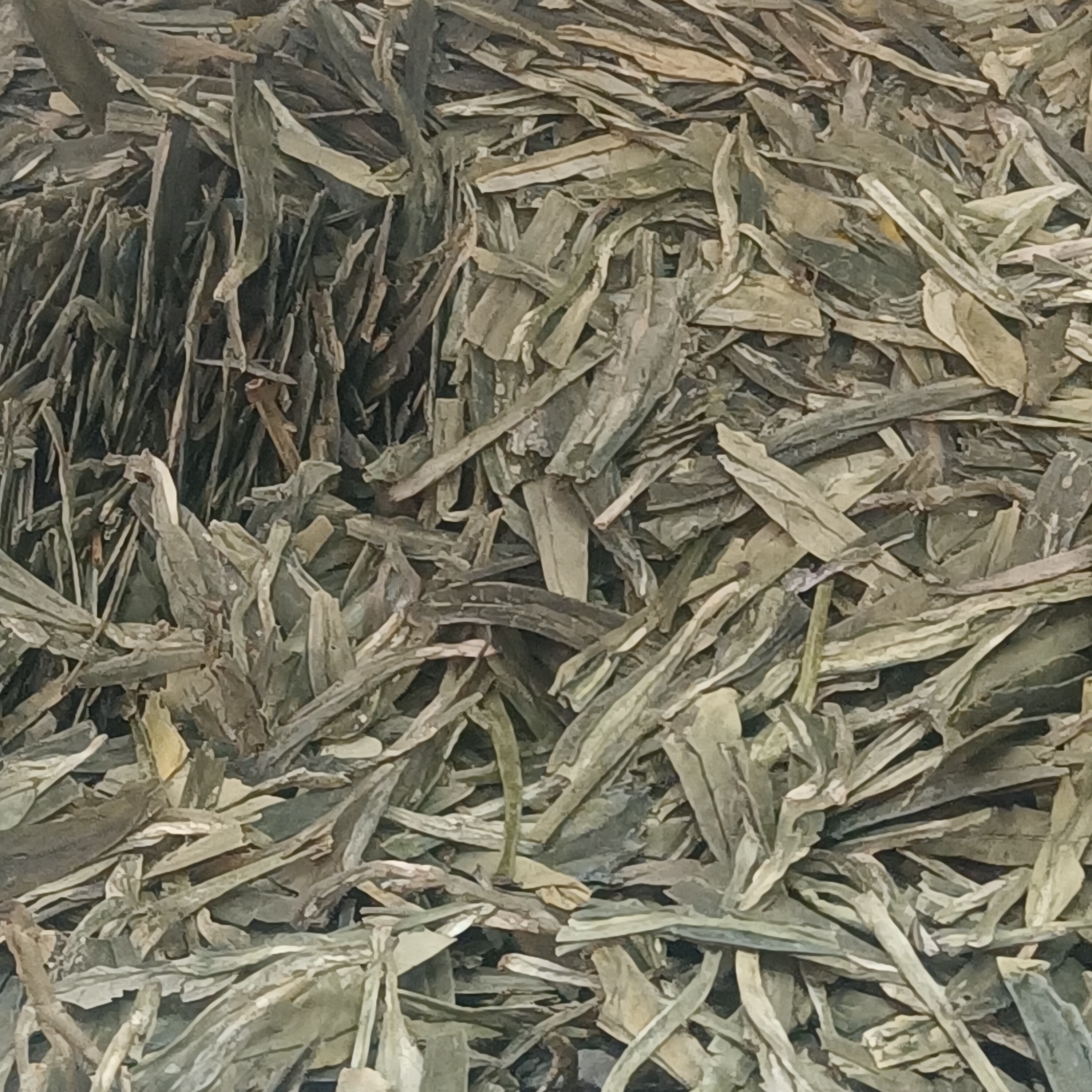
Laozhu Dafang is a Chinese green tea. More specifically, it is one of the representative flat green teas associated with the Laozhuling area of Shexian in Huizhou, Anhui. Public Chinese references usually place it within the older Huizhou famous-tea tradition and connect it with production zones around Laozhuling, Dafang Mountain, and the Yuling Pass area. For today’s reader, the most important point is not memorizing every historical detail, but getting its tea identity clear from the start: it is indeed a green tea, and more specifically a green tea whose character is built through flat and straight shape, wok shaping, and the finishing completion of the final low-heat polishing stage.
But it is not simply a stand-in for Longjing under the broad label of flat tea. What makes Laozhu Dafang distinctive is that it takes the flat green-tea family’s usual concerns with flattened shape, straightness, and chestnut aroma, and pushes them in a broader, fuller, more Huizhou-like direction. Public descriptions often use names such as “iron-leaf Dafang” and “bamboo-leaf Dafang,” and those labels already tell us something important: this is not a tea built around extreme delicacy or pale spring brightness alone. Its value lies in proving that flat green tea can also become a route with more frame, more depth, and a fuller brisk cup.
Why does the “Laozhu” origin background matter so much?
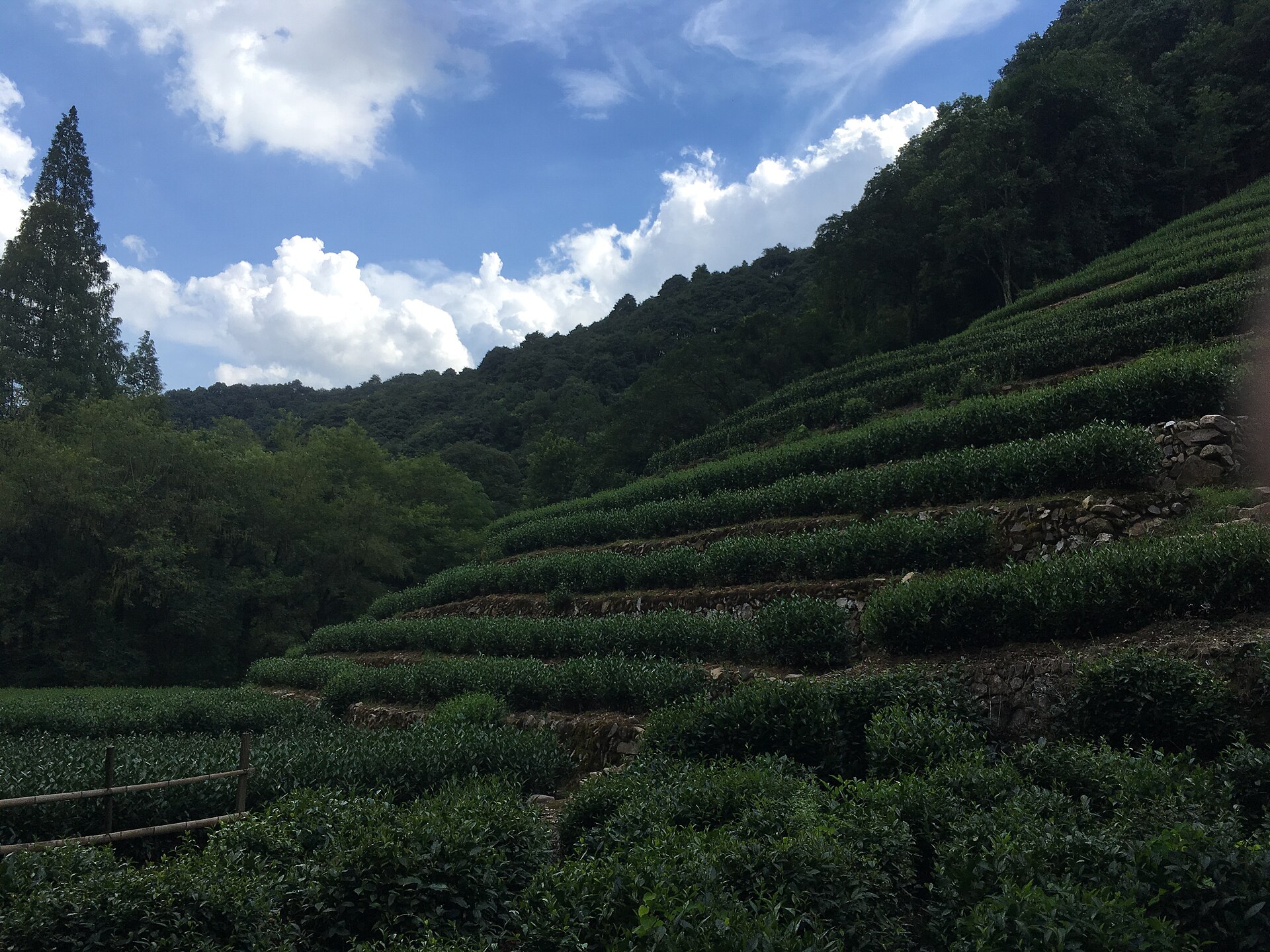
The first half of the name, “Laozhu,” points directly to origin. Public references generally place the core production zone in northeastern Shexian, near the Anhui-Zhejiang border and Yuling Pass, around Laozhuling and nearby mountain areas. For readers, those place names matter for more than geography. They remind us that Laozhu Dafang is not an abstract industrial style that can simply be copied anywhere. Behind it stand mountain fog, hillside ecology, spring timing, and local craft tradition.
That local grounding matters because Laozhu Dafang does not live by the ultra-delicate bud aesthetic that defines some other fine green teas, nor does it try to win through a very thin and transparent early-spring feel. It behaves more like a tea supported jointly by mountain leaf substance and shaping-fire technique: the leaves need enough material to carry aroma, and the liquor needs enough presence to feel full without turning rough. In other words, origin is not just a romantic famous-tea-from-famous-mountains slogan. It directly helps explain why Laozhu Dafang can become a broad, flat, straight, deeper-toned tea that still avoids dullness and woodiness.
What does “Dafang” actually mean in this tea’s name?
Public references usually present two broad explanations for “Dafang.” One connects it to the local place-name Dafang Mountain near Laozhuling. Another links it to a local story about a monk named Dafang associated with the tea’s early creation. For ordinary readers, there is no need to turn either version into absolute certainty. What matters more is the stable fact behind them: “Dafang” is not a vague compliment, but a name that has long pointed to a tea defined by flatness, straightness, broader leaf shape, and strong shaping identity.
That is important because the name already hints at the right way to judge the tea. You should not evaluate Laozhu Dafang according to the standard of whether it is as tiny, fine, and tender as possible. You should ask whether it is evenly flattened, naturally straight, broad without becoming loose, deep green and lustrous in appearance, and whether the brewed tea can actually support that shape with convincing aroma and liquor. In other words, “Dafang” here is less a poetic flourish than the name of a whole shaping result.
Why is it often called “iron-leaf Dafang”?
“Iron-leaf Dafang” is one of the best entry points for understanding Laozhu Dafang. Public descriptions often refer to a deep green to darker lustrous leaf appearance, sometimes even comparing it to cast iron in tone. That already separates it from the pale, bright, delicate spring image that many drinkers instinctively associate with premium green tea. It is useful precisely because it warns readers not to expect a tea that tries to look as light and tender as possible.
Of course, “iron-leaf” does not mean the tea should be coarse, dull, or lifeless. More accurately, it emphasizes a finished style that feels deeper, steadier, and more gathered together. The leaf shape has more frame. The color has more weight. The aroma often moves toward chestnut-roast steadiness and lasting lift. The liquor should feel fuller and brisk rather than thin. So the “deepness” of Laozhu Dafang is not a sign of decline. It is another mature direction within flat green tea. It does not win by looking the palest and youngest. It wins by feeling well completed.
How is Laozhu Dafang made, and why do shaping and the final polishing stage matter so much?
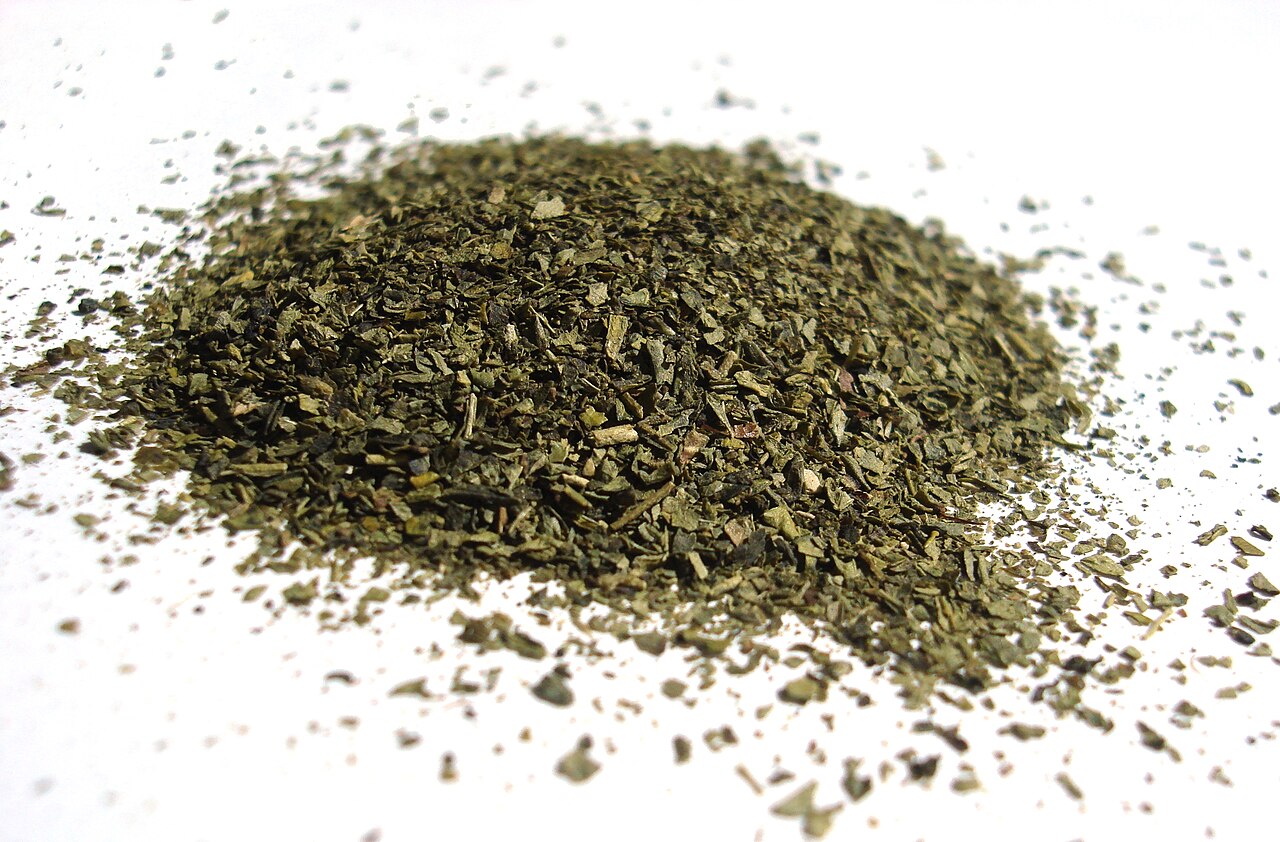
Public descriptions usually summarize the classic process of Laozhu Dafang as including kill-green heating, rolling, preliminary shaping, flattening and final shaping, and a last polishing stage over lower heat. That sequence matters because it makes clear that Laozhu Dafang is not a tea that just happens to end up flat. Its broad, straight, flattened form comes from a continuous set of wok operations. Early stages stabilize the fresh leaf. Middle stages drive off moisture, align the leaf, and establish initial shape. Later stages refine the flattened straight form and polish the surface and finish.
That also explains why the tea depends so heavily on good judgment. If the preliminary shaping is loose, later flattening cannot recover enough order. If flattening is too aggressive, the leaves can become stiff and the freshness can be crushed. If the final polishing stage is too weak, both appearance and aroma remain unfinished. If the heat goes too far, the tea turns dry and dull. A genuinely good Laozhu Dafang looks flat, smooth, and straight almost effortlessly, but behind that appearance stands a very specific flat-green-tea craft logic. It belongs to the same broad shaped family as Longjing, yet it is not speaking exactly the same fire-and-form language.
How is it really different from Longjing?
This is probably the single most important question to answer. When people first see Laozhu Dafang, they often ask whether it is basically an Anhui version of Longjing. A better answer is this: it shares the broad family category of flat green tea with Longjing, but its core temperament is different. Longjing usually leads the mind toward flattened leaves, tender chestnut and bean-like pan aromas, clarity, and strong early-spring brightness. Laozhu Dafang more often gives the impression of broader flattened leaves, straighter line, deeper color, steadier chestnut aroma, fuller liquor, and a stronger sense of frame.
If Longjing can feel like spring brightness and order pressed into each leaf, Laozhu Dafang feels more like Huizhou mountain tea made flat without losing its depth and steadiness. Both can be excellent flat green teas, but the measuring stick is not the same. If you judge Laozhu Dafang using a Longjing-only mindset that assumes paler, earlier, lighter, and more delicate must always be better, you will misread it. What really matters in Laozhu Dafang is whether, inside that deeper color and fuller cup, it still preserves cleanliness, straightness, briskness, and convincing chestnut aroma.
What does Laozhu Dafang usually smell and taste like?
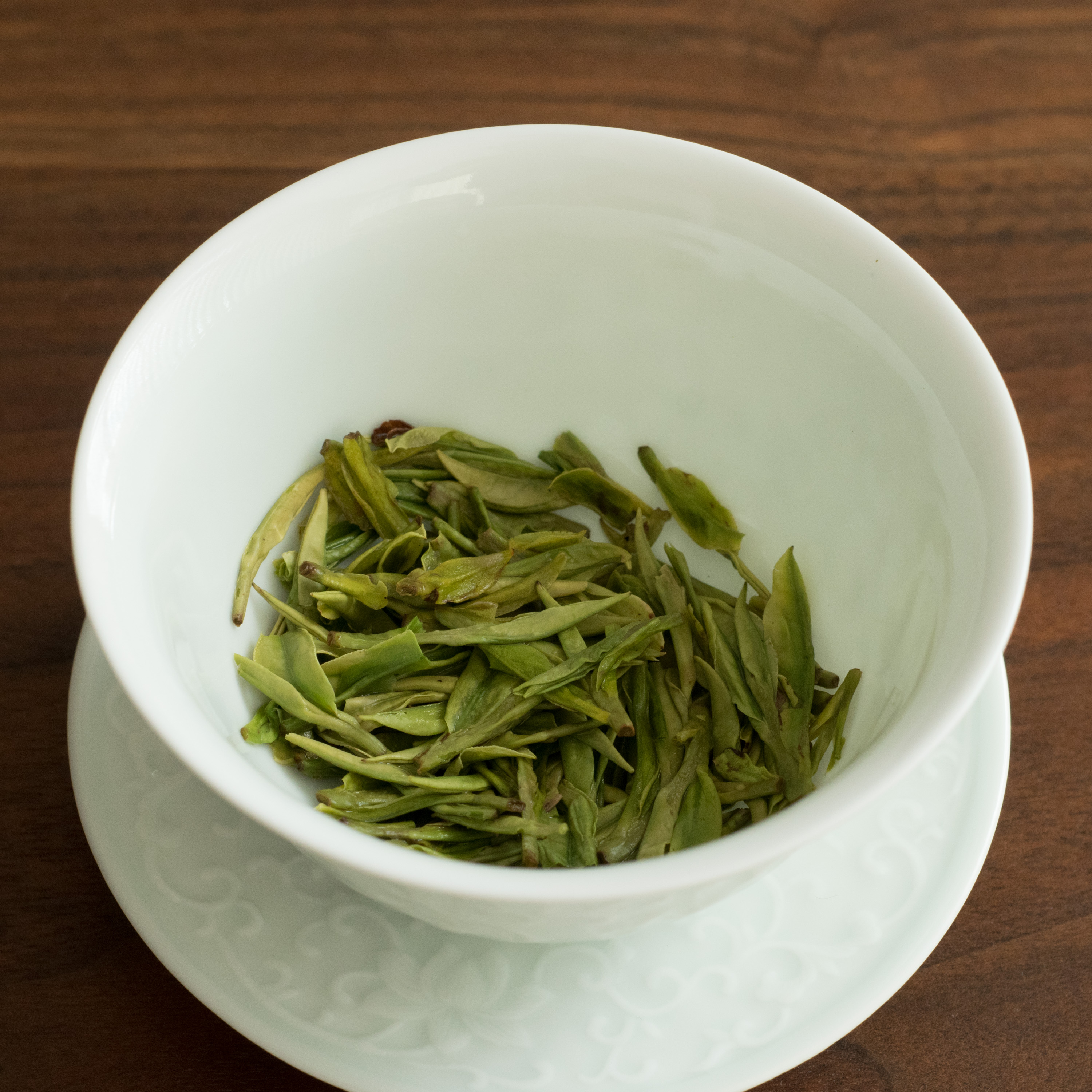
A good Laozhu Dafang usually appears evenly flattened, rather straight and smooth, with a darker green or deeper lustrous tone rather than a pale, fragile spring look. When warmed, the aroma should feel clean and lasting. Public descriptions often mention chestnut aroma, and some lots also suggest a steadier, lightly mature roast note. The most important words here are steadiness and cleanliness. The fragrance should not float above the cup, and it should not become obviously scorched or dusty in the name of stronger finishing.
In the mouth, Laozhu Dafang is usually at its best when it feels fuller, mellow, and brisk with support. Fullness here does not mean dull weight or rough heaviness. It means the liquor has substance: the opening has flavor, the middle stays present, and the finish remains tidy. Compared with many more delicate and lighter green teas, Laozhu Dafang often gives a stronger sense of frame and body. But if it is made well, that body does not destroy freshness or cleanliness. Poorer examples typically fail in one of two ways: they may have only dark color and weight without life, becoming woody and dull; or they may look properly shaped but taste hollow, meaning the appearance arrived without the cup following it.
Why is it such a useful tea for understanding internal differences within China’s flat green teas?
Because Laozhu Dafang helps correct a common misunderstanding. Many drinkers hear the phrase flat green tea and immediately imagine Longjing and similar teas. But flatness is only a shape family. It does not mean flavor and craft all have the same answer. Laozhu Dafang shows that flat green tea can also move in a broader, fuller, slightly deeper direction, and that different leaf standards, shaping methods, polishing rhythm, and mountain raw material can produce a genuinely different route.
That is also why this article matters structurally. The site already has green-tea entries such as Longjing, Taiping Houkui, Huangshan Maofeng, and Lu’an Guapian. But without Laozhu Dafang, the idea that “flat green tea itself also branches internally” remains less complete than it should be. Once this tea is added, readers can see more clearly that Anhui green tea is not one single shape or aroma direction. Even within spring green tea, different mountains, techniques, and local traditions can produce fully different flavor orders.
How should you brew Laozhu Dafang, and why is brute-force steeping still the wrong approach?
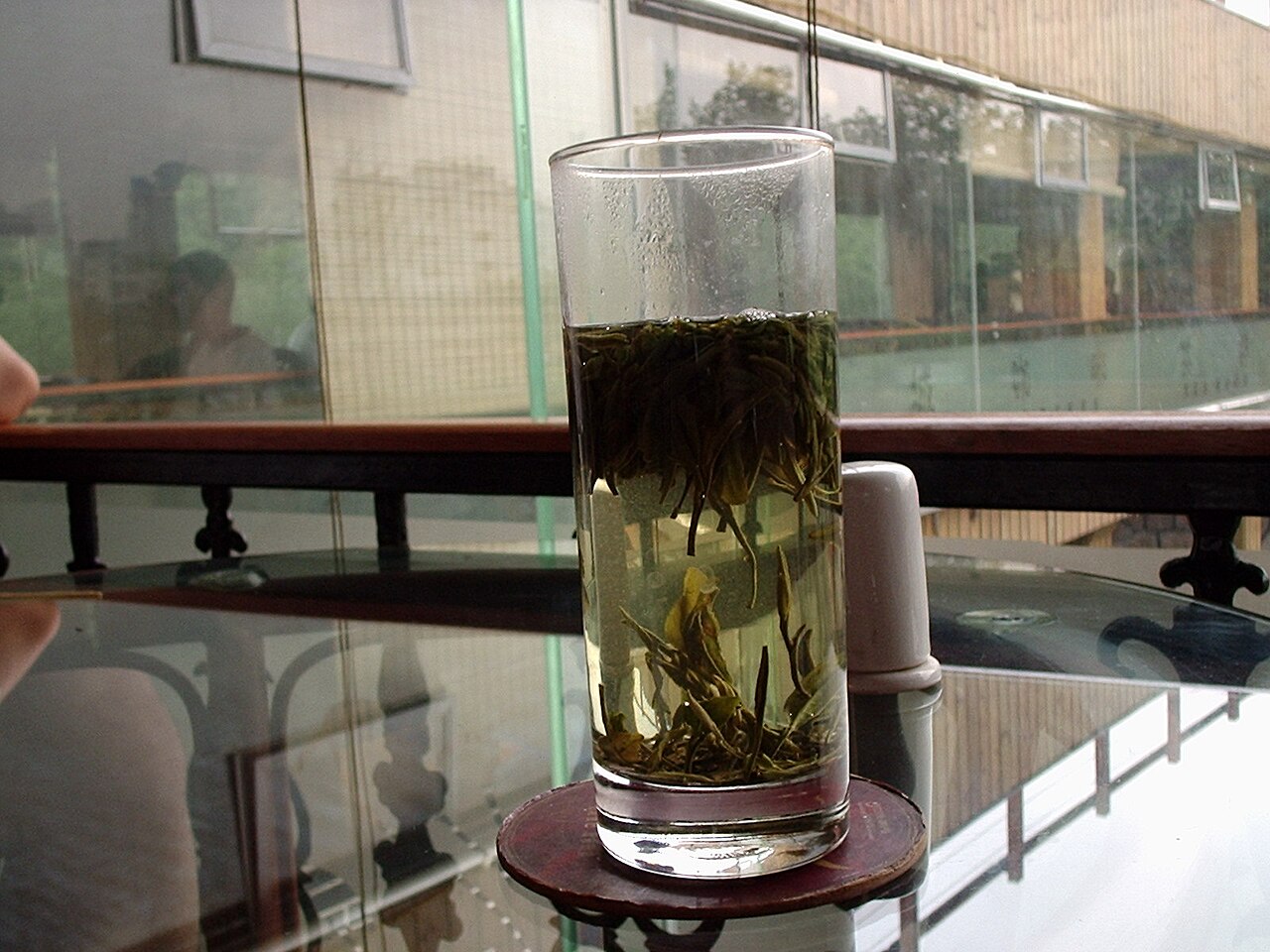
Although Laozhu Dafang often has more body than many finer and lighter green teas, it is still a green tea. That means it is still a mistake to brew it with the logic that more heat and longer steeps must automatically be better. A practical starting range is usually around 85°C to 90°C. Water that is too cool may fail to open its aroma and body. Water that is too hot, combined with long steeping, can easily turn what should have been briskness and cleanliness into bitterness, dryness, and dull heaviness.
Both a glass and a gaiwan can work well. A glass lets you watch the flat leaves open. A gaiwan is better for comparing whether the aroma stays clean, whether the chestnut note really enters the liquor, and whether the tea feels full without roughness. In a gaiwan, about 3 grams for 100 to 120 ml of water is a manageable starting point. Keep the first few infusions relatively short so the tea can open in balance before lengthening later infusions. The goal with Laozhu Dafang is not to force concentration, but to see whether body, chestnut aroma, and a tidy finish can all stand together.


What are the easiest mistakes to make when buying Laozhu Dafang?
The first mistake is buying it as though it were simply “Longjing from somewhere else.” That usually means using the wrong standards from the beginning: chasing paler color, extreme tenderness, extreme earliness, and extreme lightness, while missing the tea’s actual strengths. The second mistake is seeing the phrase “iron-leaf” and assuming darker must always be better. Laozhu Dafang’s deeper and steadier color should be built on cleanliness, lustre, and completion, not on scorch, dryness, or dull heaviness. The third mistake is looking only at flatness while ignoring aroma and liquor. Because this tea depends so much on shaping, it is quite possible for a sample to look right without really tasting right.
Another common misunderstanding is to assume it is an older-style tea with a heavier profile and therefore can be brewed any way you like. In reality, teas with this kind of steady and seemingly weightier character often reveal flaws very quickly in the cup. A good Laozhu Dafang feels deep without dullness, full without woodiness, and steady in aroma without floating away. A poor one becomes scorched, dry, hollow, or scattered. It is not a tea that survives on brute force. It is a flat green tea that still needs shape, aroma, and liquor to hold together at the same time.
Why does it deserve to be a key supporting entry in the site’s green tea section?
From the site-structure perspective, Laozhu Dafang matters for more than “one more Anhui green tea article.” It works as a key missing piece between Longjing, Huangshan Maofeng, Lu’an Guapian, and Taiping Houkui. Without it, readers can too easily understand flat green tea as a broad category that almost collapses into Longjing. With it, they can see more clearly that flatness is a shaping method, not a finished flavor conclusion.
More importantly, Laozhu Dafang naturally works as a bilingual bridge entry. Chinese readers usually arrive through Huizhou, Shexian, Laozhuling, and the phrase “iron-leaf Dafang.” English readers are more likely to arrive through terms such as flat green tea, chestnut aroma, and comparison with Longjing. As long as the English page stays strictly aligned with the Chinese source article’s factual spine, structural progression, and judgments, it can become a strong bilingual bridge article instead of drifting into a different essay with a different emphasis.
Source references
- Baidu Baike: Laozhu Dafang
- Cross-checked synthesis of public Chinese reference material on Laozhu Dafang’s origin, naming, product distinctions, flat-shaping craft, chestnut aroma, and fuller brisk style.
- Related site article: Longjing