Green Tea Feature
Why Guzhu Zisun deserves a full reading in Chinese tea history: from Tang tribute tea and Huzhou mountains to the early logic of “purple shoots like bamboo shoots”
When people talk about famous Chinese teas today, they tend to return to names modern readers know well: Longjing, Bi Luo Chun, Huangshan Maofeng, and Taiping Houkui. But if we pull the timeline backward into the Tang dynasty and the earlier formation of a recognizable famous-tea system, Guzhu Zisun becomes very hard to avoid. Its importance does not come from how loudly it is marketed today. It comes from the layers it carries at once: the Guzhu Mountain environment in Changxing near Huzhou, the tribute-tea system, the naming logic of purple shoots like bamboo shoots, the cultural background associated with Lu Yu and The Classic of Tea, and the early process by which Chinese tea moved from local mountain product into something written, ranked, aestheticized, and institutionally recognized.
That is also why Guzhu Zisun is easy to flatten. Many introductions stop after saying Tang tribute tea, historic famous tea, and produced in Changxing, Zhejiang, as if age alone explains its value. In fact the opposite is true. The older the tea, the less useful it is to understand it through one dynastic label. What makes Guzhu Zisun especially valuable is that it allows readers to see an earlier tea world—one in which tea had not yet fully become the modern elite green tea that many readers now assume as the norm. Its form, processing context, circulation, evaluation, and drinking environment were not identical to those of later green teas.
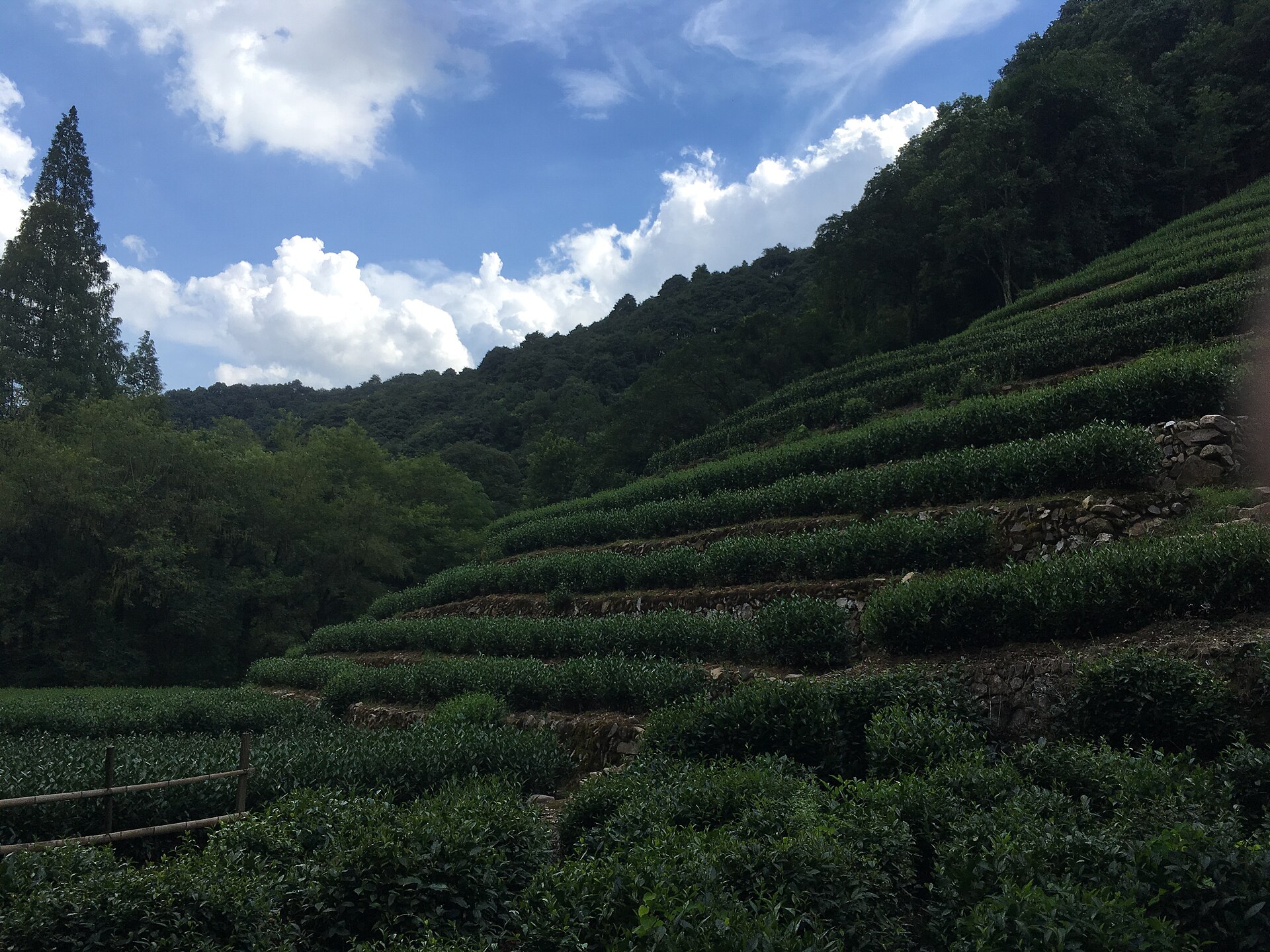
What exactly is Guzhu Zisun? Why can it not be reduced to “a very old green tea”?
In today’s classification language, Guzhu Zisun is usually placed within the broad green-tea family, with its core origin associated with Guzhu in Changxing, Huzhou, Zhejiang. That is not wrong, but stopping at “a Zhejiang green tea” erases the most important part. Guzhu Zisun matters because it was named, recorded, discussed, and valued very early in Chinese tea history, and because it entered the tribute-tea system and literati cultural memory at an unusually early stage.
In other words, Guzhu Zisun was not a local tea discovered and elevated much later. It was already being pointed out by history itself. The most valuable thing to read in it is not only the flavor of a cup today, but the way Chinese tea began in the Tang period to be consciously distinguished, ranked, written about, and systematized. For a tea-focused editorial site, that is exactly why it matters. It expands the tea section beyond consumer guidance into a fuller historical structure.
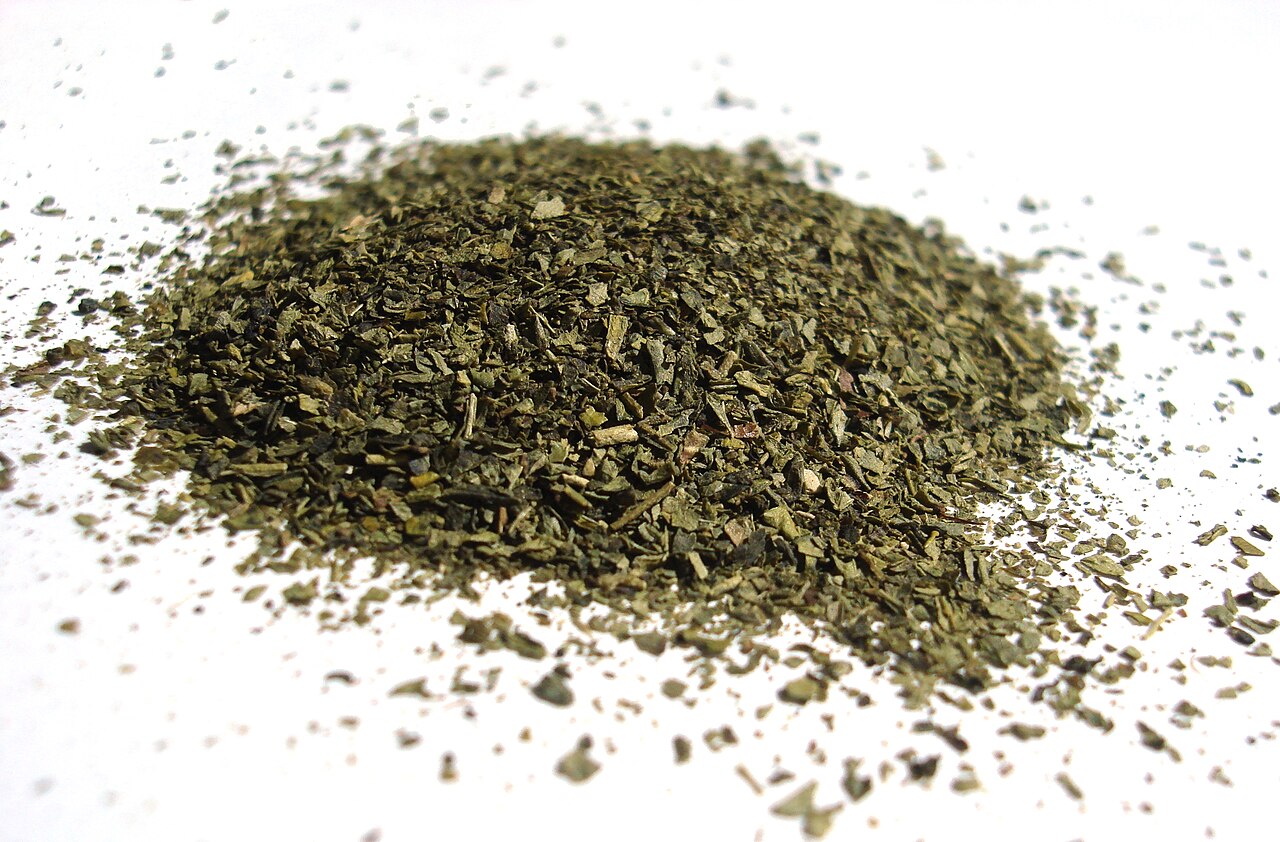
What does the name “Guzhu Zisun” actually mean?
The name itself already contains several of the tea’s key layers. “Guzhu” is first of all geographic, pointing to Guzhu Mountain and its production environment. “Zisun” is descriptive, usually understood to mean that the shoots were purple-tinted and shaped like young bamboo shoots. The most important point here is not to argue over exactly how purple the buds were. It is to see how early this name already combines place, bud color, form, and aesthetic image into one recognizable tea identity.
That is very different from many modern commodity names. Guzhu Zisun was not created as a marketing label and then retrofitted with stories. It is closer to a name that grew naturally out of local mountain observation, leaf appearance, and a literary culture capable of preserving and repeating it. That is exactly why it is so useful as a window into early Chinese famous-tea logic.
Why does the Guzhu mountain environment matter so much?
Guzhu Zisun cannot be understood apart from Guzhu Mountain. Its importance lies not only in origin labeling, but in the fact that this production zone occupied a crucial position in Chinese tea history: Huzhou, Changxing, Jiangnan, Tang tribute-tea networks, and relatively close connections to elite consumption and literary circulation. In other words, Guzhu Zisun was not simply an isolated mountain tea later rediscovered by modern branding. It entered a much larger field of cultural visibility very early.
This matters because many places in China grow tea, but not every tea-growing place leaves behind such a durable and clearly named historical presence. Guzhu Mountain became important because it allowed a local tea to become more than local. It entered a broader network of institutions, transport, and writing. For readers, that means the tea’s importance is not only that it was good, but that it emerged from the right mountain environment at the right historical moment to be fixed into memory.
Why is Guzhu Zisun so closely tied to Tang tribute tea?
Because its relationship to the Tang tribute-tea system is indeed central. When many readers hear the name, they immediately think tribute tea. That instinct is fine, but it becomes thin if tribute tea is treated only as a glamour label. More usefully understood, tribute tea meant that a tea entered a more demanding order of organization, selection, processing, and delivery. It had to be earlier, finer, and more consistent, which in turn encouraged a more elaborate discourse around timing, quality, and distinction.
So the value of Guzhu Zisun’s tribute-tea status is not just political symbolism. It shows that Chinese tea was already entering forms of institutional quality management very early. Later consumer language—first pick, early spring, fine sorting, core origin—cannot simply be projected backward unchanged into the Tang. But one can still see in tribute tea an early shadow of the same broader idea: tea was no longer only something gathered and consumed locally. It became something organized, separated, and completed within a narrow time window under pressure.
Why is its processing context different from the modern green tea most readers know?
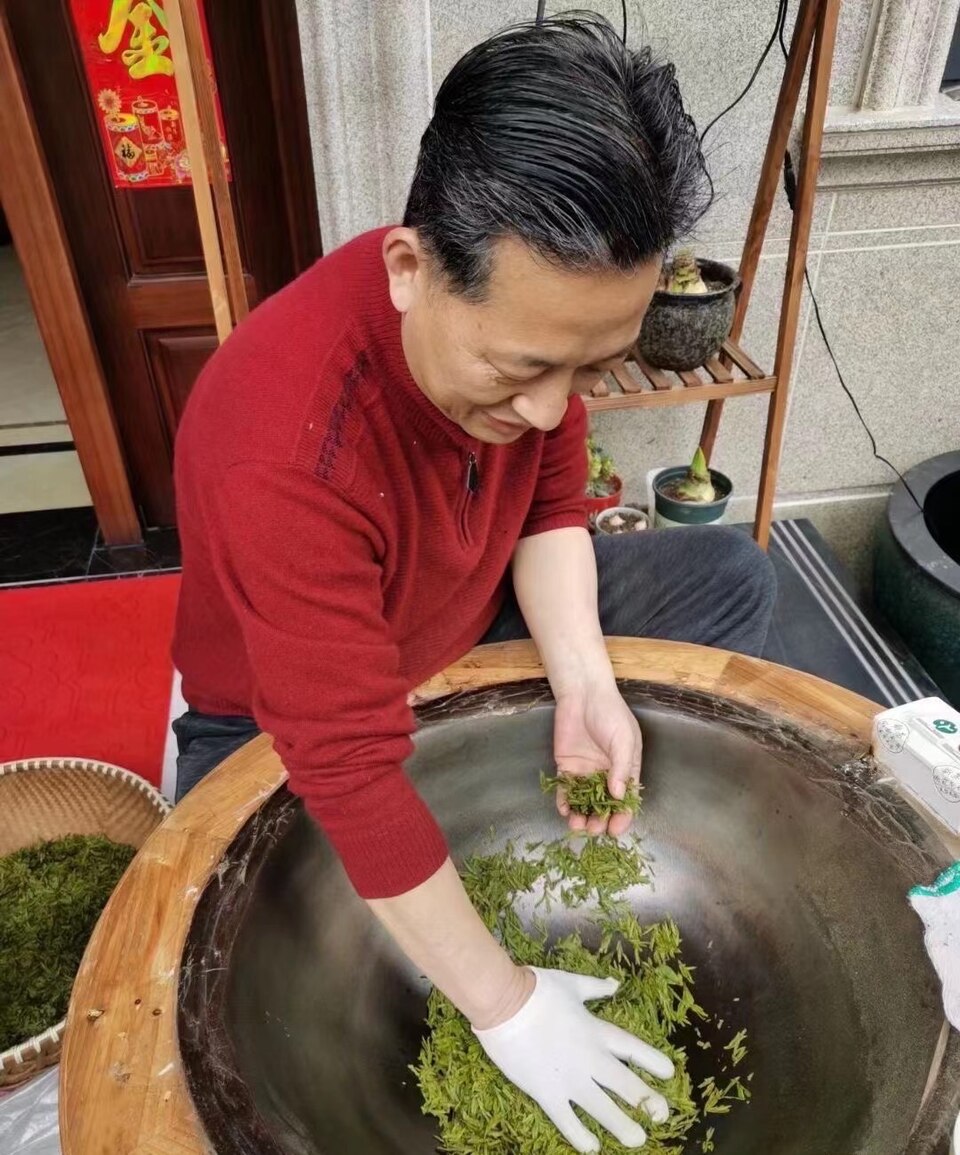
This is one of the strongest reasons to treat it separately. Today, when readers hear “green tea,” they often imagine pan-fired leaf form, visible dry-leaf aesthetics, and the familiar modern pleasure of watching loose leaves open in a glass. But Guzhu Zisun belongs to a historical stage in which the dominant forms and processing logics of tea were not fully the same as those of modern famous green tea. Tang tea culture was much more closely tied to a world of steamed tea, compressed tea forms, grinding, and boiling rather than the loose-leaf drinking patterns later readers may assume.
That does not make Guzhu Zisun irrelevant to the present. On the contrary, that is exactly what gives it value. It reminds readers that the history of Chinese green tea is not a straight line of unchanged form. Teas that belong broadly to the non-oxidized family may still differ greatly across periods in processing, shape, and drinking practice. Adding Guzhu Zisun to the tea section helps restore that missing time depth.
Why is it often mentioned in relation to Lu Yu and The Classic of Tea?
Guzhu Zisun also matters because it sits close to the cultural world represented by Lu Yu and The Classic of Tea. Readers do not need to memorize every historical detail, but they should recognize that this is not a tea name later awkwardly attached to the Tang tea canon. It belongs naturally to the era in which Chinese tea was being observed, discussed, classified, and evaluated in a more systematic way.
That is why it works so well as an entry point into tea history. Many readers remember only a few large terms—Lu Yu, The Classic of Tea, tribute tea, tea-horse trade, Ming loose tea. The problem is that these terms often remain disconnected. Guzhu Zisun helps connect several of them at once: local mountain environment, tribute-tea organization, famous-tea writing, bud aesthetics, and Tang drinking culture all intersect here.
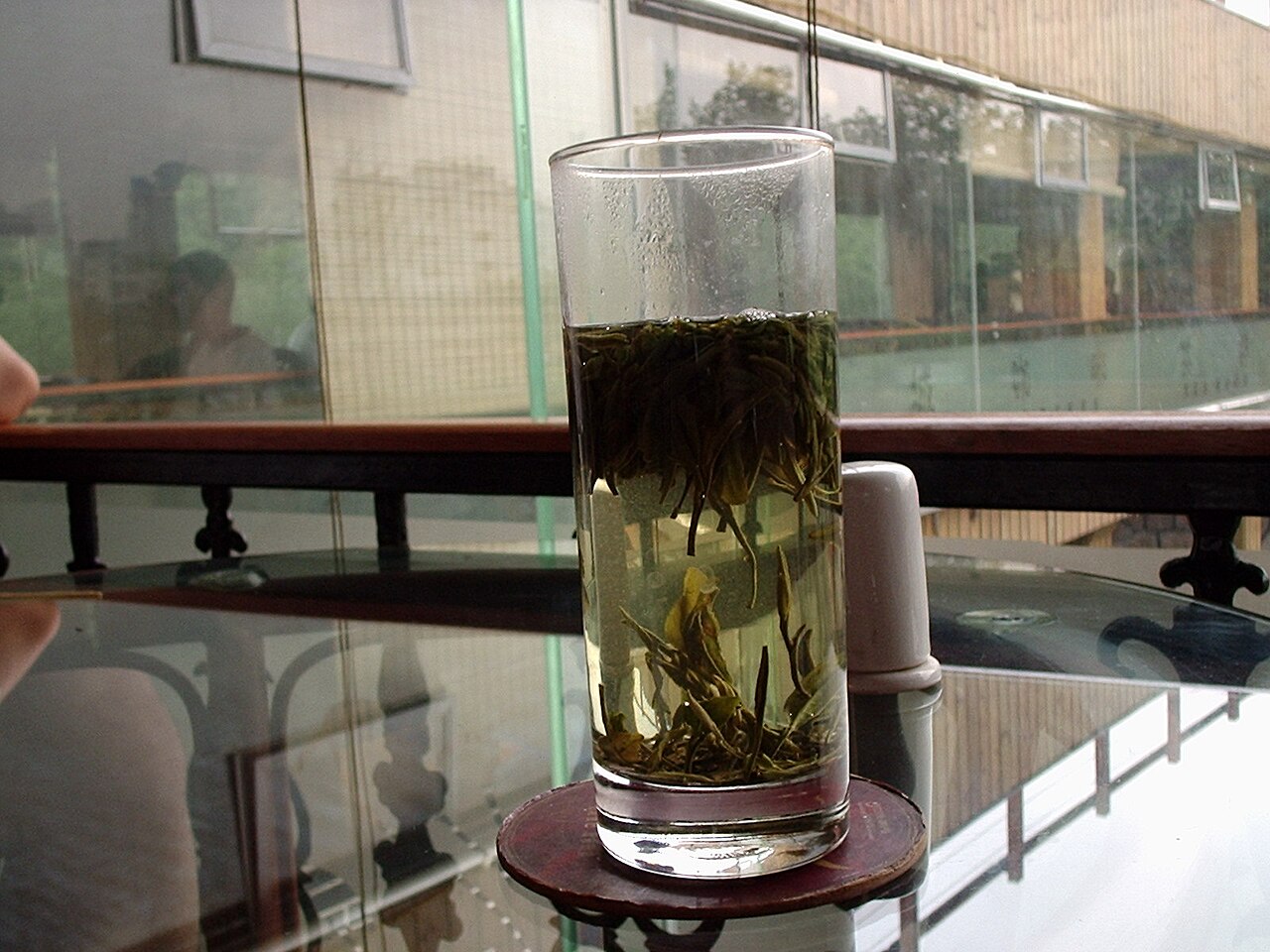
How should Guzhu Zisun be understood today? Are we drinking history or tea?
This is not really an either-or choice. Guzhu Zisun is easy to misread in both directions. One side reduces it to a historical relic and assumes it matters only as a footnote. The other side modernizes it completely and wants to compare it directly with contemporary green teas only through aroma, tenderness, and price band. A better reading accepts that both layers are present. It is a tea, and it is also a heavily historicized tea name.
For most readers, the most useful question is not whether it tastes better than Longjing or Bi Luo Chun. The better starting point is to ask why it was fixed so early in Chinese tea history. Once that becomes clear, the tea is easier to read today as more than a flavor object. It becomes a category through which historical memory, local origin, and modern re-production continue to meet.
What is the most important difference between Guzhu Zisun and the famous green teas readers already know well?
The biggest difference is that it reveals famous tea itself as a historical category with stages. Teas such as Longjing, Bi Luo Chun, Huangshan Maofeng, and Taiping Houkui can be understood quite directly today through dry leaf shape, brewing image, and modern market language. Guzhu Zisun asks the reader to go one step further and recognize that ancient famous teas were not established inside exactly the same consumer and processing system that later teas inhabit.
That does not weaken it. It makes it more explanatory. Once Guzhu Zisun enters the framework, it becomes much harder to tell a simplistic story in which all of today’s famous teas simply existed in the same form from ancient times onward. Names may continue, places may continue, cultural memory may continue—but processing, shape, drinking habits, and evaluative language all change. Guzhu Zisun is one of the clearest examples of that continuity through transformation.
Why does this belong in the tea section rather than only in history?
Because although the article is strongly historical, its core object is still a tea and the problem of how that tea should be understood. The history section is ideal for institutions, tax systems, events, and historical actors. This article fits the tea section because it remains centered on a tea identity: what it is, where it comes from, why it was named as it was, how it entered the famous-tea system, and how it relates to modern tea knowledge. It is not merely a historical event. It is a crucial classical node in the map of tea itself.
Structurally, it also gives the tea section more time depth. Many existing tea articles speak mostly to modern readers familiar with current tea categories and brewing logic. Guzhu Zisun adds the missing layer of early famous tea, historical tea, and tribute-tea context. That helps the section explain not only how to buy or brew tea, but why Chinese tea became what it is.
Source references
- Wikipedia (Chinese): Zisun Tea / Guzhu Zisun
- Open text of The Classic of Tea
- China Intangible Cultural Heritage site, public materials related to green tea craftsmanship
Source note: this English article is aligned to the Chinese source article and written from the same factual frame. It is based on publicly accessible Chinese-language background material together with the site’s existing entries on Guzhu tribute tea, Lu Yu, and The Classic of Tea. The emphasis is on explaining Guzhu Zisun as an early famous-tea node, a Tang tribute-tea case, and a historical green-tea reference point rather than on reconstructing every local textual detail. No bot-tasks were used, and this run did not use bot-tasks-async-repo.