Ready-made tea trend watch
Why Tea Chains in 2026 Are Seriously Operating Sticky-Rice and Grain-Aroma Tea Drinks: What They Sell Is Not Novelty, but a More Stable, Warmer, and More Memorable Everyday Eastern Flavor
If you line up the quieter but genuinely important changes happening in tea-shop menus in 2026, I would separate out the return of sticky-rice aroma and grain-aroma drinks. This direction does not make as much instant noise as matcha, fresh fruit, floral profiles, or sparkling formats. It also does not carry the immediate emotional force of thick milk, savory flavors, or headline-grabbing collaborations. But it is quietly becoming a more stable product line. From CHAGEE explicitly writing sticky-rice leaf into product identity to sticky-rice green tea, grain aroma, roasted notes, rice-like herbal fragrance, and lightly baked tea bases appearing together, brands are starting to seriously operate a flavor direction that feels more everyday, more Eastern, and more suitable for slow repeat purchase. What matters is not that sticky-rice aroma suddenly became popular. What matters is why, by 2026, tea chains are re-organizing a taste once treated as a niche preference or regional accent into a line they can manage for the long term.
This matters not because consumers only began liking rice aroma, grain aroma, and roasted notes this year. Quite the opposite. Sticky-rice aroma, roasted grain character, cereal warmth, bean-like notes, and wok-fired familiarity have long been part of the Chinese sensory system. They are already present in traditional tea, regional snacks, grain drinks, and everyday food memory. For years, however, ready-made tea brands preferred to describe themselves through systems that were easier to photograph and spread quickly: fruitier, milkier, more floral, colder, brighter. Sticky-rice and grain aroma work differently. Their attraction is not the shock of the first second. It is a slower, steadier feeling that leaves the impression that the cup had a real landing point.
The fact that this line is now becoming viable shows that brands have moved one step further in how they think about high-frequency repurchase. Not every product has to win attention through visual loudness or sensory aggression. Not every launch has to create difference through more fruit chunks, heavier dairy, or stronger photo impact. Sticky-rice and grain-aroma tea drinks sell something else: a form of persuasion that is gentle without being empty, clear without being thin, and layered with a grain-like warmth or rice-like herbal familiarity that turns a cup from “refreshing but forgettable” into “smooth, grounded, and easy to order again.”
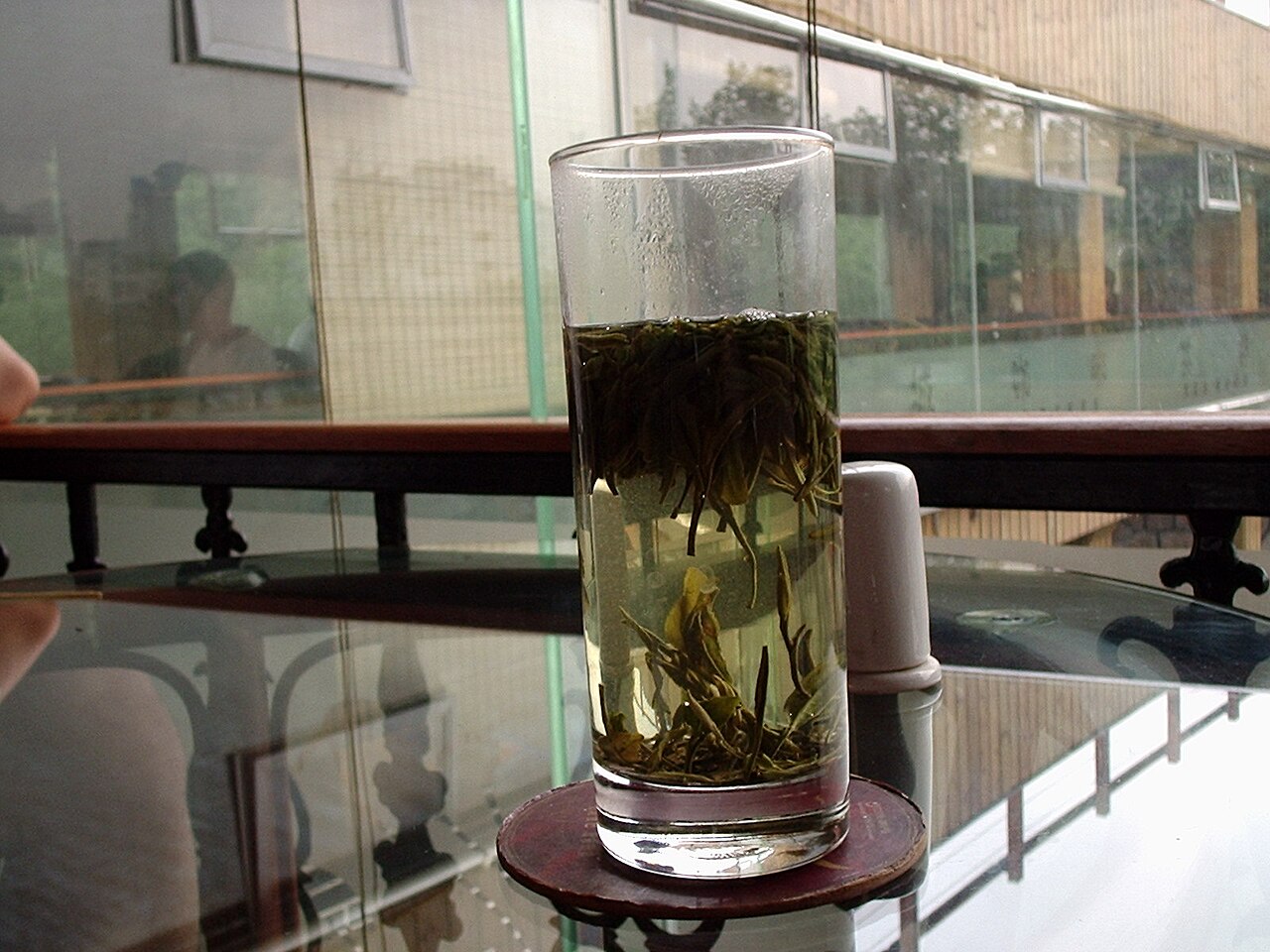
1. Why in 2026 specifically are sticky-rice and grain-aroma flavors becoming important again?
Because ready-made tea has reached a stage where even “refreshing” is becoming crowded. Over the past few years, the most effective language in the category has been light milk, lower sugar, real tea bases, fresh fruit, floral notes, sparkling structure, transparent ingredients, and hydration-like positioning. Those directions are still effective. But once every brand is trying to make drinks feel lighter, truer, and less burdensome, a new problem appears: if everyone is light, clean, and not too sweet, why should anyone remember your cup in particular?
Sticky-rice and grain aroma answer that problem almost exactly. They do not create memory by making drinks heavier, and they do not rely on extreme flavors. Instead, they fill a space that used to be neglected: the space between “light” and “substantial.” Many lighter tea drinks are not bad at all. Their problem is that they can be finished quickly and forgotten quickly. They may be clean, transparent, and workday-friendly, but they do not always leave behind a strong mental handle. Sticky-rice aroma, grain aroma, and lightly roasted cereal-like warmth provide that handle. They make a clear tea feel less like plain refreshment and more like something carrying a trace of steamed rice, toasted grain, or herbal rice fragrance.
That fits the 2026 shop structure especially well. Brands increasingly care about the moments that are not always the best for social posting but are perfect for repeat purchase: commuting, sitting at a desk, after lunch, mid-afternoon fatigue, humid weather when something too sweet feels exhausting, or later hours when you still want tea but not a strong sensory hit. Sticky-rice and grain aroma work particularly well in these moments because they are not trying to create a theatrical first impact. They are trying to make people feel that the cup is smooth, steady, and physically well placed.
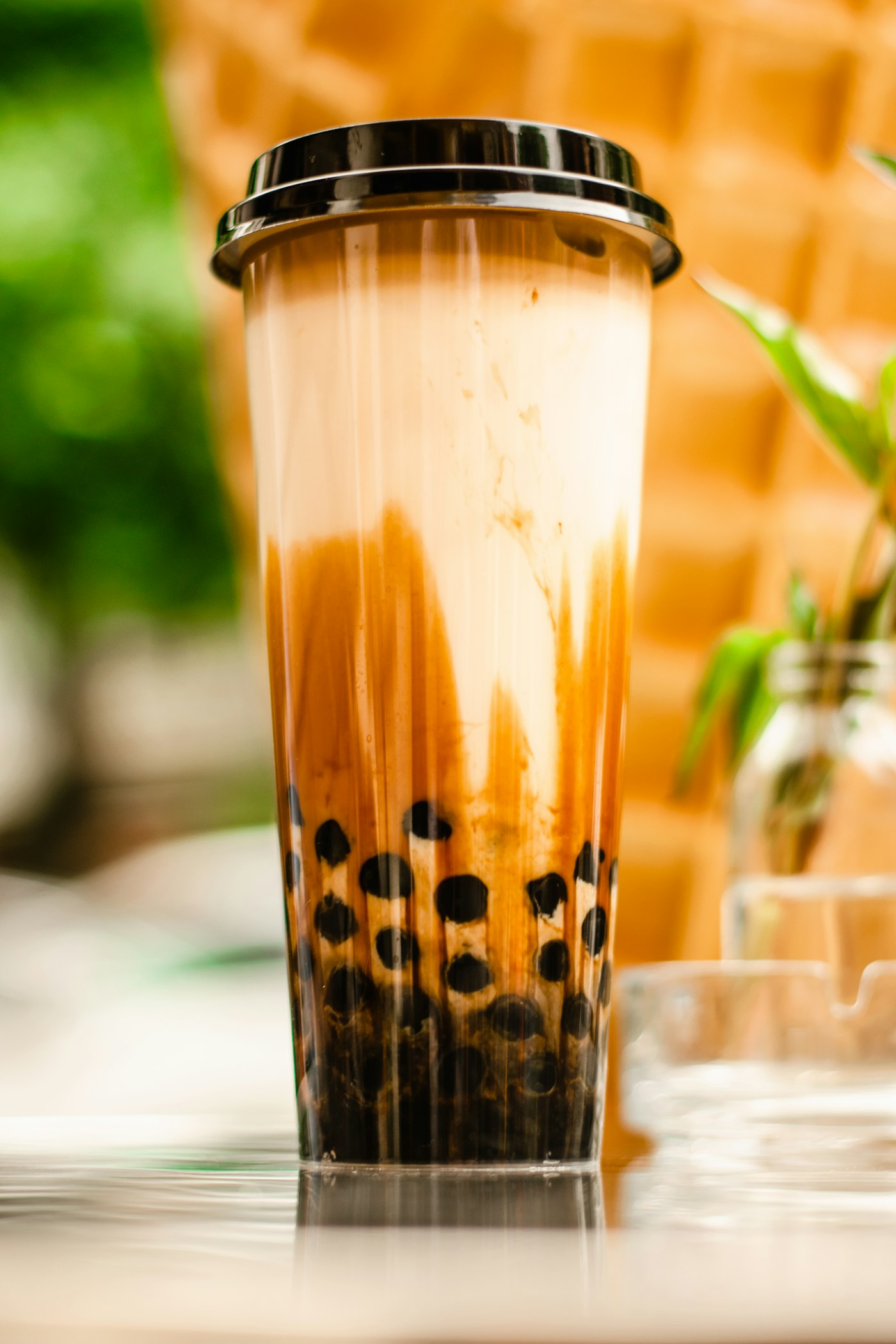
2. Why were these flavors treated as accents in the past, but increasingly handled as a line now?
They used to function more as accents because, in older menu structures, sticky-rice and grain aroma usually served only one role: giving one product a little extra recognizability. They might appear as a special flavor, a seasonal detail, a regional cue, or an unusual tea base only a small group would order. Shops were better at dividing drinks into milk tea, fruit tea, and pure tea, then layering floral notes, fruit, toppings, and dairy onto those categories. Sticky-rice and grain aroma could add character, but not yet carry a whole line by themselves.
What changed is that brands now understand “structural flavor” more maturely. Sticky-rice aroma is not a single floating note. It binds especially well to several directions that are already fully alive in 2026: paired with green tea, it softens and rounds tea character; paired with lighter milk, it stabilizes milkiness without making it dull; paired with regional flavor, it helps local storytelling land in the cup; paired with Oriental iced tea, it gives cold tea bases a memorable hook without relying on big fruit pulp or aggressive acidity.
In other words, it used to function as decoration. Now it can function as structure. That shift became possible because the industry finally has the surrounding conditions to support it. Consumers are more comfortable reading tea-base identity. Shops are better at explaining products through “identity cards.” Menus are increasingly organized by use moment and bodily feeling. Once those conditions are in place, sticky-rice and grain aroma stop being “one more special flavor” and become a product language that can reliably serve everyday repeat purchase.
3. Why is sticky-rice aroma especially suitable for the trend of tea-base identity?
Because sticky-rice aroma is the kind of flavor that strongly benefits from explanation. It is not as direct as mango, strawberry, or lemon. It is not like thick dairy or cream, where intensity is obvious from the first sip. If brands do not explain sticky-rice aroma, consumers may simply read it as “an interesting warm note.” But once it is tied clearly to sticky-rice leaf, herbal rice fragrance, green-tea blending, or regional material clues, it immediately becomes a more complete product idea.
That is why it matters that CHAGEE writes “sticky-rice leaf” into product identity. The significance is not performative knowledge. It is that the brand is no longer satisfied with saying only “sticky-rice green tea tastes good.” It is now trying to give that flavor a source and a logic. The source matters because it tells consumers this is not a random perfumed effect. It is a flavor with raw-material hints, regional imagination, and a reason for existing.
Once sticky-rice aroma is explained in that way, it fits perfectly into the 2026 menu system. Consumers are more and more used to reading why a drink is what it is: why this tea base, why this floral note, why this name, why this season, why this regional reference. Sticky-rice aroma is ideal here because it combines deep cultural familiarity with the ability to be rewritten into a contemporary product language.

4. Why does it pair so naturally with regional-flavor storytelling?
Because sticky-rice aroma and grain aroma already carry a sense of place. They do not feel like globally circulating modern fruit flavors, and they do not read like Western dessert logic. Rice-like fragrance, grain warmth, light herbal cereal notes, and gentle roast all connect more naturally to everyday Chinese food memory: steamed rice, scorched rice, toasted grains, sticky-rice snacks, mountain herbs, and local staple foods. Once brands write these flavors into menus, they can borrow the narrative power of regional flavor almost automatically.
That helps explain why we increasingly see regional words such as Yunnan, Menghai, Leshan, Guangxi, and Minnan appearing alongside sticky-rice aroma, osmanthus, chenpi, floral oolong, and roasted green tea. The real strength of regional flavor is not merely that it makes a drink sound more special. It makes the drink sound more sourced. Sticky-rice aroma is ideal for this system because it can be read at once as a plant-and-tea blend, as an extension of local food memory, and as a softer, more Eastern cold-drink experience.
Put more practically, regional flavor gives sticky-rice aroma an extra layer of legitimacy, while sticky-rice aroma gives regional storytelling a texture that the mouth can actually verify. Many regional narratives feel empty if they remain only names and stories. Sticky-rice aroma, grain aroma, and light roasted warmth can land that regionality in the drink itself. That mutual reinforcement gives the trend longer value than pure novelty chasing.
5. Why is this direction especially suitable for repeat purchase rather than one-off hype?
Because the strength of sticky-rice and grain aroma has never been extremity. Extreme flavors are great for making a topic blow up, but they also easily trap themselves inside the trial moment. Sticky-rice and grain aroma work differently. They rarely make people think a drink is too dramatic. Instead, they read as smooth, safe, and quietly distinctive. For high-frequency purchase, that quality matters more than surprise.
Many products that truly last are not the most exciting or shocking cups in a customer’s mind. They are the drinks that feel hard to regret in many different moments. Sticky-rice and grain aroma have exactly that potential. In the afternoon you want something with substance but not too sweet. After lunch you want something clearer, but not as empty as plain tea. In humid weather you want a cold drink, but not one driven by sharp acid or heavy dairy. Later at night you still want some tea character, but not an aggressive hit. In all of those cases, sticky-rice and grain aroma often work better than more theatrical menu items.
That is why I do not read this line mainly as short-term novelty. Short-term novelty asks whether the first order is post-worthy. Repeat purchase asks whether the second and third order happen naturally. The real advantage of sticky-rice and grain aroma is the second question. It does not try to shock you. It trains you slowly into a new habit: a cold tea can carry a trace of rice warmth, grain familiarity, and grounded flavor memory without becoming heavy.
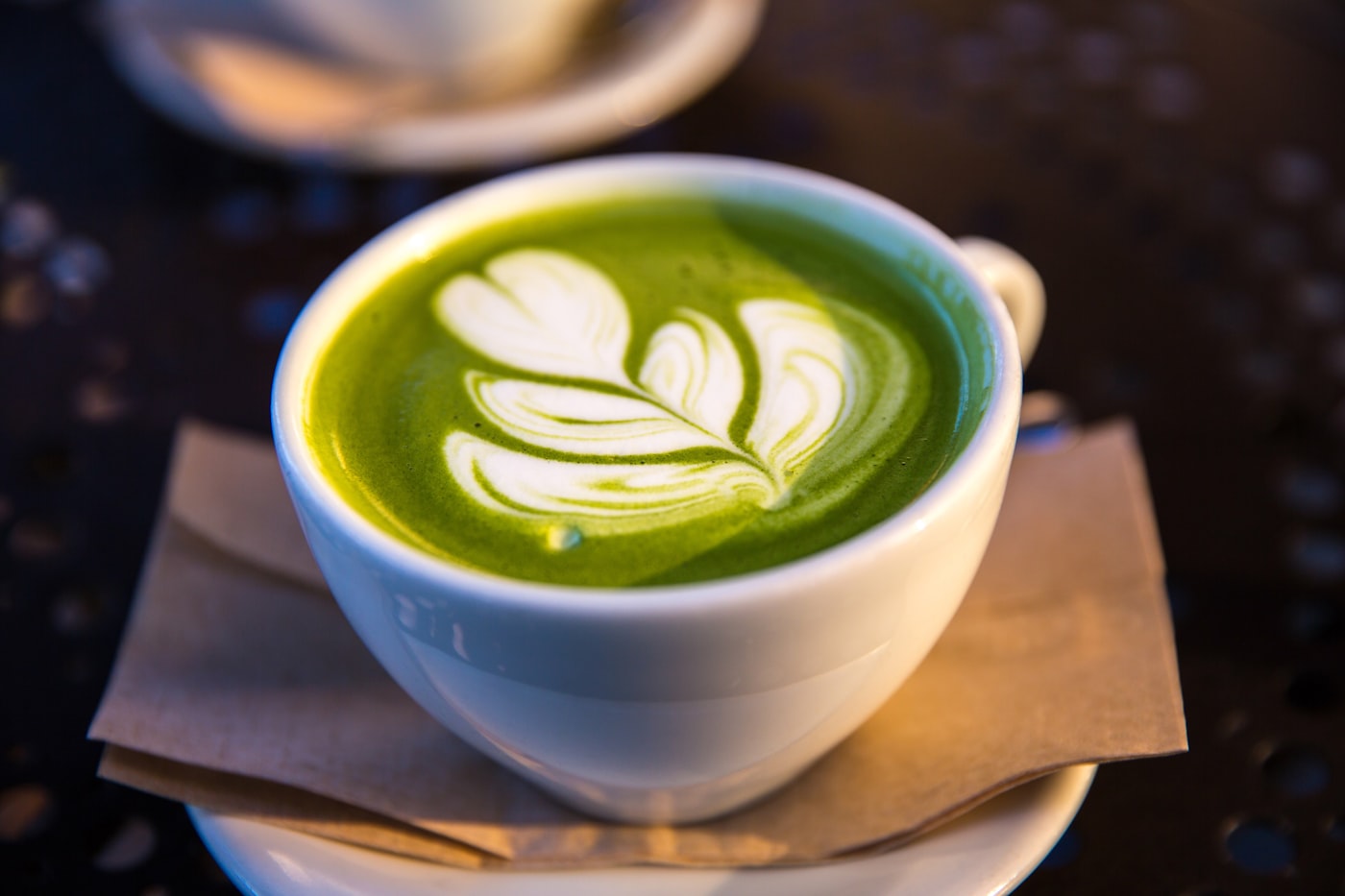
6. Why does this direction fit especially well inside Oriental iced tea rather than only hot drinks?
Many people hear sticky-rice aroma or grain aroma and immediately imagine hot drinks, because these words naturally suggest warmth, steam, and cooked familiarity. But one of the important changes in 2026 is that new tea chains are rewriting them into cold-drink logic. That is crucial. After years in which the cold-drink market was dominated by fruit fragrance, floral perfume, acid-sweet brightness, and transparent visual freshness, sticky-rice and grain aroma offer another possibility: cold, but not sharp; clear, but not thin; familiar, but not old-fashioned.
That makes them especially compatible with the Oriental iced tea line. Oriental iced tea is not just “cold pure tea.” It is a full product system that reorganizes tea-base identity, regional cues, light functional feeling, repeat purchase, and contemporary chain-store language. Sticky-rice aroma inside this framework does not feel outdated. It actually adds a more everyday staple-food memory to a field otherwise dominated by floral, oolong, chenpi, and citrus cues. It makes an iced tea feel not only refreshing, but gently anchoring.
For brands, that is extremely useful. The hardest problem in cold drinks is how to create memorability without adding too much burden. Sticky-rice and grain aroma solve exactly that problem. They do not require significantly more dairy, extra toppings, or radical flavor design, yet they help consumers remember the cup faster. That makes them especially suitable for Oriental iced tea, lighter milk tea, and herbal tea-drink systems that have become more structurally mature in 2026.
7. Where are the limits of this trend?
First, sticky-rice and grain aroma are very easy to make convincing only at the naming level. These words naturally carry the kind of textured quality the Chinese internet loves: Eastern, mountain-like, grainy, rice-scented, steamed, everyday, warm. Precisely for that reason, brands can easily stop at naming and copywriting without truly building flavor depth. The first order may be won by language alone. The second order will not be.
Second, this direction does not automatically mean healthier or lighter. Sticky-rice aroma and grain aroma make people feel that a drink is more natural, more everyday, and more gentle, but that is first a reading effect, not a nutritional fact. Whether a product really feels light still depends on total sugar, total volume, tea concentration, milk structure, and the bodily feeling after drinking it. Sticky-rice aroma can help a drink feel more grounded and complete. It cannot complete every proof about burden by itself.
Third, this line strongly tests a brand’s internal differentiation ability. If everyone begins writing sticky-rice aroma, grain aroma, herbal rice fragrance, and mountain-like roasted warmth, another round of sameness arrives quickly. What survives will not be the brand using these words most often. It will be the brand that can actually distinguish among tea bases, kinds of warm aroma, and use moments: some products oriented toward cleaner green tea, some toward lightly baked oolong, some toward rice-herbal profiles, some toward grain warmth with gentle milk support, some for daytime refreshment, some for softer late-day drinking. Without that structure, the trend remains only a label.
8. Why does this deserve to be placed inside the broader 2026 drinks story?
Because it proves once again that ready-made tea is moving from stronger stimulation to finer structure. We have already been writing about light milk tea, the return of hot drinks, spring floral lines, regional flavor, Oriental iced tea, office replenishment, night-time tea, and lower-caffeine positioning. These may look scattered, but they all point to the same change: the industry increasingly cares about what bodily state, what time of day, and what rhythm of life a drink fits, and whether it has a flavor identity clear enough to support repeat purchase.
Sticky-rice and grain aroma deserve a place in that picture because they show that the bridge between “light” and “memorable” does not have to be built only through floral or fruit notes. They offer another route—more Eastern, more everyday, less dependent on exaggerated rhetoric, yet fully suited to contemporary high-frequency life. They do not negate floral lines, fruit systems, or lighter milk tea. They complete the menu further. Alongside clean, fresh, bright, and cold, a modern tea drink can also carry a little rice aroma, a little grain warmth, and a little of the steadiness associated with staple food memory.
In the end, what sticky-rice and grain-aroma tea drinks really reveal is not sudden nostalgia. They reveal that brands are becoming more serious about operating everyday life itself. Not every cup has to become an event. Some cups matter because they enter workdays, enter afternoons, and enter those ordinary moments that do not need fanfare but do deserve long-term repurchase. Sticky-rice and grain aroma are becoming one of the most mature lines for doing exactly that.
Continue reading: Why Oriental iced tea was separated into its own series, Why regional flavor became a 2026 main line, Why spring floral lines are being seriously operated, and Why hot tea drinks returned to the menu center.