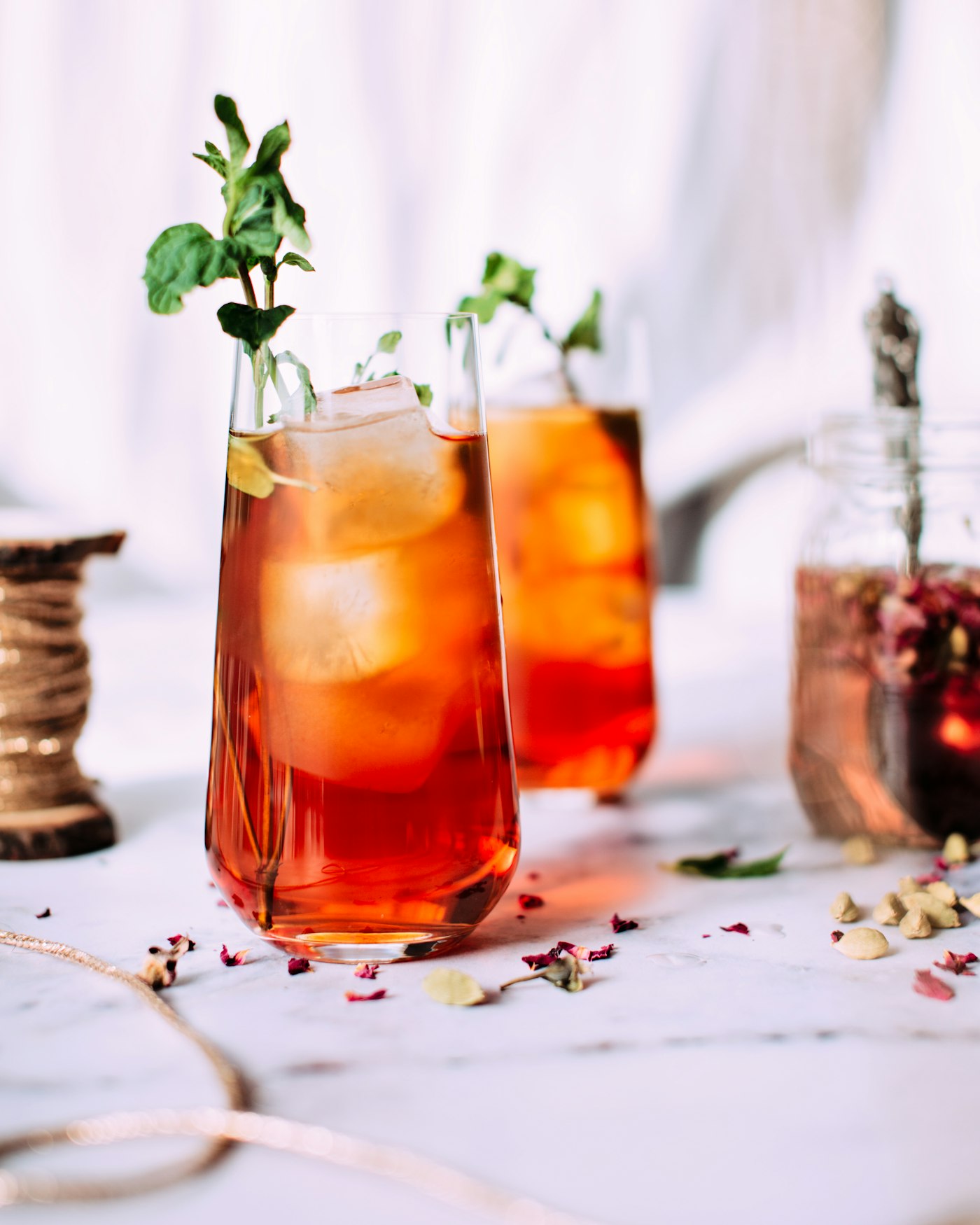
Why Hot Tea Drinks Are Moving Back to the Center of the Menu: From Winter Milk Tea and Hot Fruit Tea to a 2026 Tea-Drink Reset Beyond Ice-Only Thinking
Published: · Updated:
If you only follow the visual culture of the last few years, it is easy to believe that modern tea drinks are naturally supposed to be large, transparent, icy, glossy, and held in the hand as a cold object. Ice, freshness, hydration, fruit, commuting, and photo-friendliness have dominated the category’s visual imagination. But if you connect 2026 menu structures, seasonal store logic, and actual daily-use scenes, another shift is becoming harder and harder to ignore: hot tea drinks are moving back toward the center of the menu. This is not just a matter of “selling something warm in winter.” It is happening after tea drinks have already gone through lighter milk structures, lower-sugar rhetoric, clearer tea-base identity, and more refined scene segmentation. Hot tea is being re-read as a drinking order better suited to winter, mornings, office hours, commuting, and slower parts of the day.
This topic is worth isolating because hot drinks never disappeared, but for a long time they behaved more like passive options than active menu subjects. Most brands always allowed temperature adjustments, yet in product development, communication, and menu storytelling, the highlighted heroes were usually cold drinks: more photogenic, easier to frame as novelty, and better aligned with fruit, fizz, transparency, and other dominant symbols of contemporary tea culture. Hot drinks were often treated as little more than “this can also be made warm.”
What has changed is that hot tea drinks are starting to move beyond being merely a temperature substitute for iced drinks. They are being organized into a clearer product logic: which tea bases work better warm, which light-milk structures stay smooth when heated, which fruit-tea structures make sense in winter, and which time-of-day scenes call not for a cooling beverage but for something that steadies the body a little. That shift turns hot drinks from small-print menu notes into a line that is worth actively managing.
This return of hot tea is selling more than warmth. It is putting one cup of made-to-order tea back into the real bodily rhythm of winter and working days.
Hot tea drinksWarm milk teaWinter menusOffice scenesTime-of-day drinking
1. Why are hot tea drinks becoming important again now?
Because the modern tea-drink market has finally reached a stage where it has to take temperature seriously, not just flavor. Over the last few years, the biggest narratives centered on light milk tea, lower sugar, fresh fruit, real tea bases, sparkling tea, floral aroma, matcha, and ingredient transparency. Most of those trends came with an implicit visual script: people holding iced drinks, walking, commuting, photographing them, and chasing freshness and immediate sensation. That script still works, but it has clear limits. Once the weather turns cold, the commute starts early, the office day gets long, or the body simply wants something with flavor that does not begin with cold impact, iced-drink logic becomes less natural.
Once brands want to take those moments more seriously, “hot” can no longer remain a secondary setting. They need to answer a more specific set of questions: which products still taste coherent when warm, which tea bases become more convincing in a hot format, which milk structures avoid turning stuffy, and which fruit-tea combinations still feel like tea rather than a sweet hot mixture. In other words, hot tea drinks are becoming important again not because consumers suddenly turned nostalgic, but because after the market upgraded toward lightness and clarity, it began noticing that drinking temperature is itself part of product structure.
There is also a practical reason. Hot tea is naturally better suited to scenes that do not translate well into the dominant summer image of bright transparent iced cups, but do suit stable repetition: the morning commute, the office desk, the walk after dinner, the winter afternoon slump, the moment when hands are cold and the body wants flavor without a sharp jolt. Hot drinks are returning because brands are starting to compete more seriously for those steadier times of day.
Once tea-drink competition starts shifting from “what looks best in a photo” toward “what fits real daily rhythm,” temperature stops being a settings option and becomes part of the drink itself.
2. How is this different from the older habit of simply offering warm versions in winter?
The biggest difference is that hot drinks are shifting from temperature substitution to independent menu logic. In the older pattern, warm drinks often felt like translations of successful cold drinks: if the iced version sold well, the store could also make it hot. If a fruit tea worked in summer, maybe a warm version could help carry it into winter. That can solve some immediate demand, but it rarely makes hot drinks genuine protagonists because many product structures were originally designed around ice. Remove the ice and add heat, and what remains is often sweetness plus heaviness, while tea character, aroma, and pacing may all weaken.
The more interesting hot drinks in 2026 feel more like drinks designed from a warm starting point. Brands are paying more attention to light milk teas that drink better warm, floral black teas and oolongs that open up in heat, fruit-tea structures that suit winter, and menu language that distinguishes between products made for colder seasons, slower drinking, or morning and evening use. In other words, this new warm-drink turn is not about finding backups for iced drinks. It is about redefining a category of tea drinks that structurally make more sense warm.
That distinction matters a great deal. As long as hot drinks are treated as attachments to cold drinks, they are unlikely to improve very far. Only when brands admit that warm drinking changes aroma release, sweetness perception, milk texture, and drinking tempo can hot tea become a real development direction.
3. Why are hot drinks especially good at extending light milk tea rather than reviving heavy old milk tea?
Because light milk tea solves the central problem that warm milk tea often faces: stuffiness. Many people do not reject hot milk tea because they dislike warm drinks. They hesitate because traditional hot milk tea can feel too dense, too sweet, too tiring by the second half of the cup, or too dominated by milk once heated. Light milk tea has been strong precisely because it reorders the cup so that milk recedes and tea moves forward. Once that logic enters warm drinks, its value becomes even clearer. Milk no longer exists to make the cup thick. It exists to hold the hot tea softly and make it easier to sip slowly.
That is why many of the warm-drink staples with the strongest long-term potential today are not the heaviest, dessert-like old milk teas, but tea-forward fresh-milk structures and lighter milk systems with clear tea identity and standing aroma. Warm drinks can still deliver comfort, but the versions with the best repeat-purchase potential increasingly resemble “hot light milk tea” rather than “thick liquid dessert.” That lines up directly with the site’s existing work on the return of light milk tea: light milk is not only making summer drinks lighter. It is also helping rebuild hot tea in a more modern way.
So the return of hot drinks is not a revival of old heavy milk-tea logic. It is better understood as the extension of light milk tea into winter and slower drinking scenes. It keeps the sense of comfort that milk can provide while pushing heaviness down and lifting tea character and aroma back up.
The hot drinks that feel most convincing now are usually not old milk tea heated up, but light milk tea rewritten for winter and slower drinking.Once milk becomes lighter and tea becomes clearer, hot drinks no longer have to choose between warmth and heaviness.
4. Why are hot fruit tea and aromatic warm tea structures becoming credible again too?
Because winter consumers do not only want warm milk. Many want something warm with aroma and a little fruit brightness, but without too much dairy and without drifting too far from modern tea-shop language into herbal-pot territory. Hot fruit tea never fully disappeared, but it rarely held center stage. Once brands started taking seasonal mood, commuting, indoor drinking, and slower body rhythm more seriously, hot fruit tea and aromatic warm tea structures regained space.
The versions that genuinely work are not simply summer fruit teas heated up. They are structures that open more naturally in warmth: lemon with black tea, orange peel with oolong, rose with pu’er, osmanthus with oolong, or mild ginger and spice accents integrated with tea. Their shared strength is not complexity for its own sake. It is that heat lifts aroma, steadies the bodily feel of the cup, and slows the pace of drinking. Consumers do not approach these drinks expecting the fast cold-shock effect of summer. They want something that gradually helps the body settle back into itself.
This also shows that the return of hot tea does not mean menus must narrow back to milk tea alone. On the contrary, it gives brands a chance to reorganize a set of products that were never ideal as giant iced cups, but make deep sense in cold weather: fruit, flowers, tea, and light spice brought back into a slower indoor winter context.
Hot fruit tea only becomes convincing when fruit aroma, tea base, and warm-drinking rhythm are redesigned together, rather than when a summer iced formula is merely heated up.
5. Why are hot tea drinks naturally tied to office life, commuting, and morning-evening use?
Because in those scenes, the question of how the body receives a drink matters more than platform visuals. The site has already written about office survival drinks and the nightward shift of tea drinks. Both point to the same underlying change: modern tea drinks are no longer just afternoon-shopping companions. They are entering more precise daily scheduling. Hot drinks fit part of that schedule especially well, particularly the periods that do not call for strong cooling and instead reward something that enters the body more gently.
For the first drink of the morning, many people do not want to begin with a cup full of ice. At the office desk, the body often receives a warm light milk tea or warm oolong more easily. After work, after dinner, or even before a night walk, people may still want flavor and companionship without pushing the stomach or nerves too hard. In such moments, warm drinks are simply more natural. Not more prestigious. Just more bodily plausible. Once brands treat these scenes seriously, hot tea cannot remain a permanent edge-case product.
Commercially, this matters too. Iced-drink logic is excellent for instant spread. Hot-drink logic is often better for building stable frequency. The first leans on impulse and novelty. The second leans on habit and fit. What makes the 2026 warm-drink return important is that brands are starting to understand that retention is not created only by the most photogenic new release, but also by the warm drink you can confidently order when the weather is cold, the day is long, and you do not want to think too hard.
6. Why is this more about time-of-day consumption than about seasonal marketing?
It is easy to reduce the return of hot drinks to winter promotion, but that is too shallow. Season matters, of course, yet what really makes hot tea structurally important again is that consumers are increasingly fitting beverages into a more specific timetable. Morning, afternoon, evening, after dinner, during overtime, on the commute: these moments do not all suit iced drinks, nor do they all need a strongly stimulating or strongly cooling answer. Hot tea matters because it can plausibly occupy some of those moments.
This puts it close to other changes the site has already tracked, including lower-caffeine rhetoric, nightward use, and office replenishment. The market is shifting from “sell a product” toward “sell a product that fits this moment.” Once that happens, hot tea stops being relevant only when the weather is cold. It becomes a stable option for certain parts of the day. Winter amplifies it, but winter is not the whole explanation.
That is also why the hot drinks most likely to last are not simply holiday cups, New Year specials, or temporary collaborations. They are the drinks people can actually insert into long-term daily order: something that does not feel strange in the morning, does not feel cumbersome at the office, and does not feel too heavy in the early evening. That is the real meaning of hot tea moving back toward the center.
Hot drinks are worth writing about not because they belong only to winter, but because they are increasingly behaving like a made-to-order tea language with clear time-of-day direction.
7. Could this just be a short-term seasonal warmth mood?
Some seasonal amplification is inevitable. Once the weather turns cold, every brand will push warm drinks more aggressively, and some products do make sense only in winter. But if we reduce the whole thing to warmth mood, we underread it. Behind hot drinks sits a very stable set of facts: people do not always want cold drinks at every hour of every season; more consumers are attentive to stomach comfort, timing, mental state, ambient temperature, and work rhythm; and the tea-drink industry itself is no longer competing through a single logic of cold, bright, and photo-ready products.
As long as those conditions remain, hot tea will not return to pure marginality. The products most likely to fade are the ones that simply heat up cold formulas. The ones likely to endure are those that admit warm drinking has its own structural rules and make those rules feel smooth in the cup. The long-term value of hot tea is not that it is warmer. It is that it helps free the category from an overly narrow imagination of what modern tea is supposed to look like.
So hot tea is not a rejection of iced tea. It is a correction in overall menu completeness. A mature brand should not only know how to succeed in summer and on social platforms. It should also know how to serve winter, office life, and the less photogenic but more repeatable moments of ordinary life.
8. Why does this deserve a place in the site’s 2026 drinks sequence?
Because it shows the category moving from flavor upgrades toward usage upgrades. The site has already written about light milk tea, fruit tea, sparkling tea, nightward use, office replenishment, lower-caffeine language, tea-base identity, and topping simplification. All of those pieces track how tea drinks become lighter, truer, clearer, and more segmented. The return of hot tea pushes the question one step further: not only what the drink tastes like, but at what temperature, in what time slot, and in what bodily state it is meant to be consumed.
That sounds simple, but it is a major sign of maturity. Once an industry starts taking temperature, time-of-day, and bodily rhythm seriously, it is no longer satisfied with rotating a few blockbuster drinks for attention. It is trying to embed itself more deeply and more often into ordinary life. Hot tea moving back toward the center is exactly that kind of signal. Modern tea does not have to be only cold, bright, and quickly consumed. It can also be warm, steady, slower, and still fully worth designing well.