Why CHAGEE Turned “Oriental Iced Tea” into Its Own Series: From Seven-Scented Jasmine Green to Salt-Electrolyte Lemon Tea
Created: · Updated:
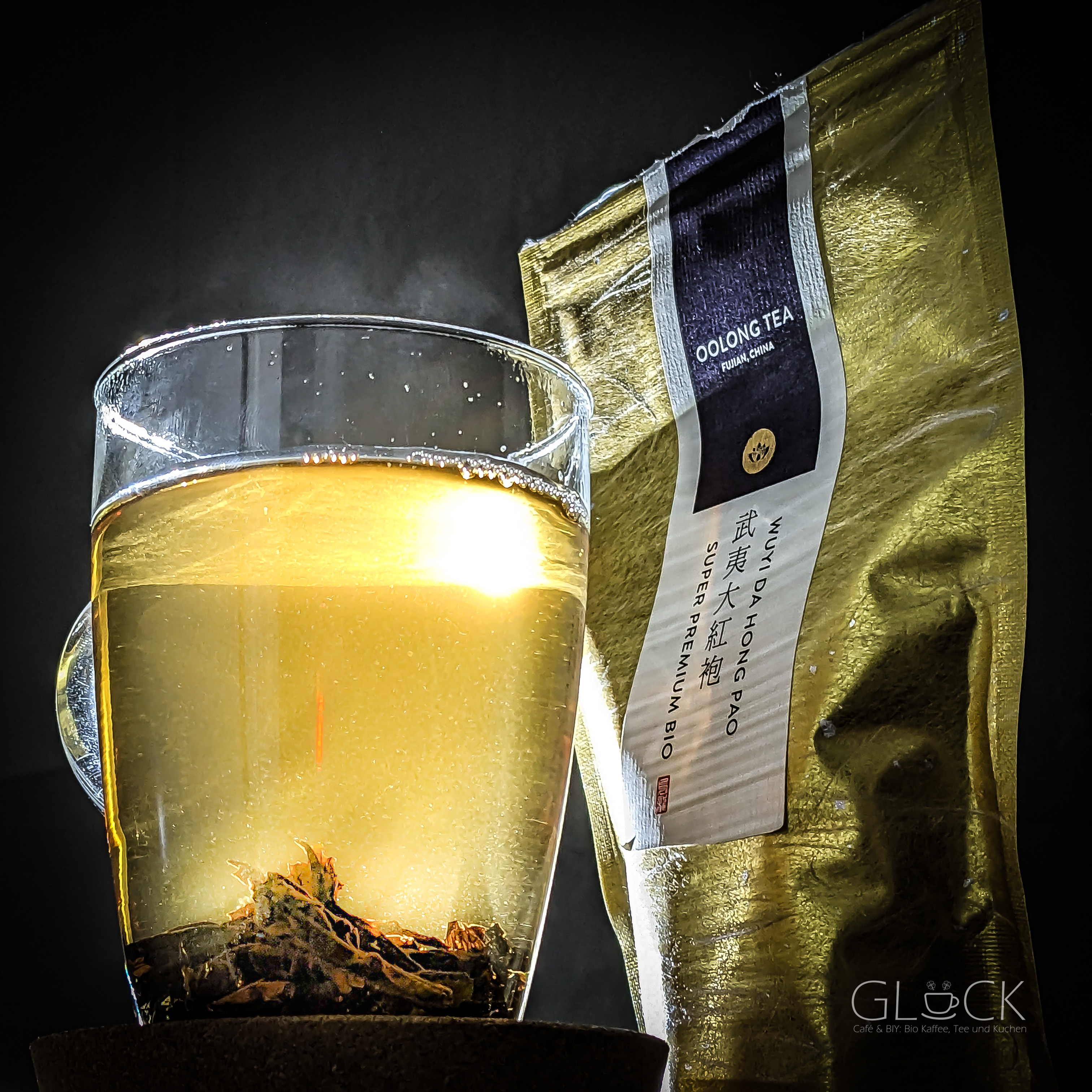
If I had to pick one menu shift in 2026 worth studying closely, I would pick this: tea itself is being rebuilt as a full cold-drink line. This is not just about adding a few iced teas. It is not about placing plain tea between milk tea and fruit tea as a transitional option. In CHAGEE’s case, “Oriental Iced Tea” is clearly set out as a complete product series. It includes tea-led cups such as Seven-Scented Jasmine Green, Slow-Roasted Golden Guanyin, Light-Roasted Osmanthus Oolong, Sun-Dried Aged Tangerine Pu’er, and Blended Sticky-Rice Green Tea, but also drinks that reconnect tea base, hydration feeling, fruit brightness, and summer usage scenes: coconut-water drinks, salt-electrolyte lemon tea, cooling lemon tea, Thousand Peaks Green, Amber Light, Four Seasons Citrus, and Seven-Mile Fragrance. What matters here is not one drink name, but the fact that iced tea is no longer being treated as a menu side note.
This matters because it changes the division of labor on the menu. Who is responsible for high-frequency purchase? Who carries the low-burden slot? Who satisfies the consumer who simply wants something clearer today? Many brands had iced tea, plain tea, or light fruit tea before, but these were often patch items: something for people who did not want milk, something to make summer feel fresher, or something light-looking for a social-media visual. That is not the same thing as turning the category into a real structural line. Once Oriental Iced Tea is named, divided into substyles, and matched to different tea bases and usage scenes, it starts carrying its own repeat-purchase logic.
More concretely, this series shows that brands no longer understand modern tea drinks only through the question of whether milk has become lighter, and no longer rely only on fruit brightness to drive summer visibility. They are taking a third line seriously: how tea base itself can be consumed cold, frequently, and comfortably in the modern chain-store setting, while still being easy enough to understand for commuting, hydration-feel, cutting richness after meals, afternoon fatigue, and all the other subtle occasions when consumers want something cleaner.
Once “Oriental Iced Tea” becomes a full series, the brand is no longer competing only for one breakout cup. It is competing for the consumer’s first thought when they want something cleaner today.
Main question: why CHAGEE turned Oriental Iced Tea into a distinct product series instead of leaving it as a menu supplement
Key threads: Seven-Scented Jasmine Green, Slow-Roasted Golden Guanyin, Light-Roasted Osmanthus Oolong, Sun-Dried Aged Tangerine Pu’er, Blended Sticky-Rice Green Tea, coconut-water drinks, salt-electrolyte lemon tea, cooling lemon tea, Thousand Peaks Green, Amber Light, Four Seasons Citrus, Seven-Mile Fragrance
For readers trying to understand why 2026 tea-drink competition is paying more attention to cold tea itself, not only to milk tea and fruit tea
1. Why is the act of splitting out “Oriental Iced Tea” already a signal?
Because turning something into a series means committing resources and declaring that it is no longer an incidental item. On CHAGEE’s site, Oriental Iced Tea stands alongside Light Fruit Tea and Fresh Milk Tea as a clear menu category. That is an important move. It shows the brand now assumes that consumers do not divide store demand only into “milk tea” and “fruit tea.” There is also a large middle space: I want tea today, but I want it cold, easy to drink, and expressed through a modern chain-store format. That space was often underestimated in the past because it seemed less dramatic, less blockbuster-friendly, and less obviously premium. But once it is systematized, it may become one of the most durable high-frequency foundations on the menu.
Just as importantly, splitting it out forces the brand to explain the line more clearly. Seven-Scented Jasmine Green is framed around repeatedly scented jasmine worked into the tea itself. Slow-Roasted Golden Guanyin centers layered osmanthus, orchid, and roast notes. Light-Roasted Osmanthus Oolong connects floral oolong structure with osmanthus. Sun-Dried Aged Tangerine Pu’er pairs ripe pu’er with aged tangerine peel for a darker, rounder, more mature logic. Blended Sticky-Rice Green Tea introduces a direct sticky-rice herbal aroma as a fast recognition cue. In other words, Oriental Iced Tea is not just “some cold teas.” It is a deliberate attempt to package tea-base identity, process language, and cold-drink accessibility for a broader consumer base.
That matters especially in 2026 because lower sugar, light milk, fruit feeling, and hydration feeling have all become widespread menu languages. If brands still want differentiation, they have to state more clearly what tea the customer is actually drinking. Oriental Iced Tea is one strong answer: it is neither a traditional teahouse presentation nor a format in which tea gives way entirely to milk and fruit. It puts tea base back in the center, but in a cold-drink grammar suited to modern chains.
What changes when a line becomes a series is the customer’s reading of the menu: tea stops being only a background structure hidden under milk or fruit and becomes a named choice again.
2. How is this line different from fresh milk tea and light fruit tea?
The difference is not simply whether fruit appears or whether the burden feels lighter. The real question is which element serves as the structural protagonist. In the Fresh Milk Tea line, tea base is certainly emphasized. Drinks such as Bo Ya Jue Xian, Mountain Gardenia, Waking Spring Mountain, Ten-Thousand-Mile Mulan, Osmanthus Orchid Fragrance, White Mist Red Dust, Yunnan Rose Pu’er, Peach Oolong, Jin Si Xiao Zhong, and Qing Mo Guanyin all speak strongly about leaf origin, floral notes, rock rhyme, fruit aroma, blending, and real milk. But in fresh milk tea, the tea base still has to complete the structure together with milk. What the consumer finally drinks is tea and milk successfully established together.
Light Fruit Tea is a different structure. Drinks like mango pomelo sago, grape-based teas, coconut-water teas, lemon teas, and other fruit-led products may now speak more clearly about tea base than before, but they still rely heavily on fruit brightness, coconut-water clarity, lemon acidity, pearls, or more obvious scene-based naming to help consumers read what the product is for. In other words, fruit tea is better at translating summer, hydration-feel, fruit presence, and refreshment into a very legible commodity.
Oriental Iced Tea is trying to reduce those explanatory aids to the minimum necessary and let tea itself carry high-frequency consumption more directly. It is not rejecting modernization. It is doing something more ambitious: retraining the consumer inside the modern chain format to see a cold tea as a first-line order, not as a fallback chosen only out of restraint. That upgrade in menu status is the key difference.
Fresh milk tea asks whether tea and milk can stand together. Oriental Iced Tea asks whether tea itself can stand on its own after being translated into a cold-drink format.
3. Why does this series include both tea-led cups and coconut-water or lemon-tea drinks?
Because the brand no longer understands cold tea as one flavor. It understands it as a cluster of scene-solving formats. Seven-Scented Jasmine Green, Slow-Roasted Golden Guanyin, Light-Roasted Osmanthus Oolong, Sun-Dried Aged Tangerine Pu’er, and Blended Sticky-Rice Green Tea are the tea-genealogy side of the line. They tell consumers that cold tea in a chain store is not just anonymous iced liquid. It can still have cultivar logic, processing language, aromatic identity, and regional storytelling.
Coconut-water drinks and lemon teas do another job. They bring hydration feeling, lightness, natural-electrolyte associations, wake-up acidity, and scene-based usefulness into the same menu system. Thousand Peaks Green, Amber Light, Four Seasons Citrus, and Seven-Mile Fragrance show that the brand is also not satisfied with making iced tea only one kind of transparent, austere drink. Jasmine, oolong, Da Hong Pao, and sticky-rice green tea all get their own cold-drink readings.
So the internal structure of the series has two layers. First, it builds visible tea-base identity. Second, it builds scene compatibility. The first keeps the line from becoming hollow concept work. The second keeps it from remaining only with small groups of tea enthusiasts. What the brand is really trying to win is not the tea connoisseur alone, but the broader urban consumer who wants something clearer, truer, and less boring today.
4. Why is this also a direct response to the “hydration-feeling economy”?
Because many consumers in hot weather and high-pressure work rhythms are no longer looking only for something tasty. They increasingly want something that feels lighter, clearer, less sticky, and more like a mild bodily reset. This is not a medical hydration prescription. It is a powerful everyday language of feeling. Oriental Iced Tea works because it is naturally suited to carrying that language. Compared with thick milkier drinks, it reads as lower burden. Compared with fully unsweetened bottled tea, it still feels freshly made and aromatically layered. Compared with traditional plain tea, it can use coconut water, lemon, sea salt, and cooling-note framing to make this light function-adjacent promise more legible inside contemporary city life.
The naming makes this obvious. Salt-Electrolyte Lemon Tea writes electrolytes and summer vitality directly into the product story. Cooling Lemon Tea foregrounds cold sensation and wake-up clarity. Coconut-water drinks emphasize Thai coconut water, natural electrolyte associations, and thirst-quenching lightness. Tieguanyin-coconut and jasmine-coconut combinations create softer floral hydration narratives. Together, they show that brands understand something important: modern consumers are willing to buy high-frequency drinks that feel like they restore a little state, not only drinks that taste sweet and cheerful.
That is why Oriental Iced Tea is not just a flavor project. It is a consumption project. It rewrites cold tea from a mildly restrained option into one that fits office use, commuting, afternoon fatigue, post-meal cleansing, and hot-weather repeat purchase. The real value is not whether one cup becomes a viral hit. It is whether the line can absorb demand that might otherwise go to bottled tea, convenience-store beverages, coffee, or nothing at all.
In modern tea retail, “hydration feeling” is not a medical term. It is a consumer-readable life language: lighter, clearer, less cloying, and easy to carry into a weekday rhythm.
5. Why does this line also challenge the old idea that plain tea cannot become a major commercial hit?
For a long time, many people assumed that the real commercial power in made-to-order tea belonged to milk and fruit, because they create stronger immediate pleasure and stronger visual memory. Tea-led products were often treated as niche items with reputation value but limited commercial scale. The value of Oriental Iced Tea is that it tries to challenge that old assumption. But it does not do so by making tea harsher, more austere, or more traditional. It does so by making tea easier to order frequently.
Seven-Scented Jasmine Green makes jasmine aroma explicit and readable. Slow-Roasted Golden Guanyin turns roast, orchid, and Guanyin resonance into a smoother layered structure. Light-Roasted Osmanthus Oolong uses floral oolong logic that remains easy to grasp. Sun-Dried Aged Tangerine Pu’er combines tangerine peel and ripe pu’er into a memorable mature profile. Blended Sticky-Rice Green Tea uses sticky-rice aroma as an immediate recognition device. None of this cancels tea. It redesigns tea’s commercial grammar for the chain-store environment.
That step is crucial. Once cold tea can sustain stable ordering without thick milk, many toppings, or conspicuous fruit pulp, it becomes one of the most resilient assets a brand can own. Milk and fruit will continue to matter, but tea-led products have a stronger chance of becoming low-fatigue, high-repeat foundations over the long run. For a chain that wants scale and endurance, that can be more valuable than a single seasonal sensation.
6. How does this connect to the site’s existing themes on fruit tea, light milk tea, breakfastization, and night orientation?
If you have already read our feature on fruit tea returning to the center, you will know that the real 2026 story is not fruit tea simply coming back. It is the market rebuilding the balance among refreshment, fruit visibility, hydration feeling, and tea-base clarity. Oriental Iced Tea pushes that logic further. Some drinks still use coconut water, lemon, and fruit brightness to open the door, but others place tea base directly in front. Fruit tea is one answer to the market’s wish for drinks that feel lighter but not empty. Oriental Iced Tea is a more tea-forward answer to the same pressure.
If you have read our light milk tea feature, the relationship looks almost mirror-like. Light milk tea handles the desire to keep drinking milk tea without so much heaviness. Oriental Iced Tea handles the desire to keep drinking something flavorful and structured without moving back toward milk. One reduces dairy burden. The other expands tea’s independent role. They do not replace each other. Together they create a more mature menu layering.
Put this together with breakfastization and night-oriented tea, and the bigger pattern becomes even clearer. Modern tea-drink competition is no longer only about flavor. It is about which kind of tea feels most reasonable at which time of day. Oriental Iced Tea is especially suited to daytime frequency, commuting, office use, afternoon fatigue, and post-meal reset. Light milk tea is easier to place in morning routines and more comforting moments. Night-oriented tea leans toward even softer, less burdensome versions. The menu is becoming a time map as much as a flavor map.
Once menus start organizing themselves around when a drink feels most reasonable, Oriental Iced Tea stops being a side option and becomes a major line on the day’s consumption map.
7. Where are the limits of this line?
First, even if Oriental Iced Tea is framed as clearer and more repeatable, that does not automatically erase questions of sweetness, caffeine, or total intake. Brands can make scenes feel light in copy, but the body does not obey copy completely. Second, once many brands start using the same words—electrolytes, cooling factor, floral aroma, light roast, real tea base—the category risks fast sameness. What will remain decisive is whether the drink is smooth enough, whether the tea base feels distinct enough, and whether the cold-drink form still feels substantial rather than hollow.
That is why the hardest part is not launching a series. It is maintaining internal difference inside the series. The tea-led products need to taste genuinely different from one another. The more scene-based products need to justify their separate roles as separate entry reasons. Otherwise, a large series quickly starts to read as nothing more than many names.
In other words, the most promising thing about Oriental Iced Tea is that it brings tea back to the center of the menu. The most dangerous thing is exactly the same. Once tea stands in the center again, it has to prove that it deserves to be there.
8. Why does this matter in the larger sequence of Chinese tea-drink change in 2026?
Because it points to a very clear direction. Leading chains are no longer satisfied with making small adjustments inside milk tea and fruit tea alone. They are rewriting the underlying architecture of the whole menu. Fresh Milk Tea solves the modernization of milkiness. Light Fruit Tea solves summer visibility and refreshing entry. Oriental Iced Tea solves the more fundamental question of whether cold tea itself can become a high-frequency main line. The fact that these now sit side by side is not only about having more SKUs. It is about giving the brand a convincing product line for different burden levels, different times of day, and different bodily states.
That is also why I think the split-out Oriental Iced Tea series is more worth writing about than any single new drink. New launches can create short-term discussion. But series architecture reveals strategic judgment. CHAGEE is effectively saying that more consumers will treat cold tea as a first-class everyday beverage, not just as a fallback when they do not want milk or fruit. If that judgment is correct, competition after 2026 will increasingly look like a contest over who can sell tea most steadily into everyday frequency, not just whose limited-edition launch looks most like a traffic event.
In that sense, Oriental Iced Tea is not a minor branch. It is a redistribution of menu power. Tea base has become clearer again. Cold tea has become structurally serious again. Hydration feeling, post-meal clarity, commuting usefulness, and soft function-adjacent language are all being organized into a larger product system. For the drinks section, that is not a side detail. It is a major line worth tracking continuously.