Ready-made tea trend watch
Why Tea Chains in 2026 Are Seriously Operating Spring Floral Tea Lines: What They Sell Is Not a Short Seasonal Launch, but a Whole Product Language That Feels Lighter, More Tea-Driven, and Better Matched to Spring
If you line up the most noticeable changes in tea-shop menus in spring 2026, one move stands out clearly: more and more brands are no longer releasing only one “spring limited” drink. They are building an entire “spring floral line.” It may be called a spring gardenia series, jasmine light milk tea, magnolia oolong, white-lan floral tea, or simply appear inside menu frames labeled “spring limited,” “light floral series,” or “spring fresh brew.” But the logic behind them is strikingly consistent. Brands are upgrading floral notes from a single flavor into a full product language that can carry spring mood, real tea-base expression, lighter milk structure, and high-frequency repurchase.
This is worth writing about not because Chinese consumers only started liking floral notes this spring. Jasmine, gardenia, osmanthus, orchid-like aroma, and magnolia-style fragrance have long been familiar parts of Chinese tea language. The real change is that many floral drinks used to feel more like short-term seasonal props: they looked good in photos, sounded very spring-like, and felt visually light, but once you finished the cup, it was hard to remember why this particular drink had to exist. They could attract trial, but not necessarily support a full seasonal menu logic.
The current wave of spring floral lines feels much more systematic. Brands are now handling several things at once: first, tying floral aroma more tightly to specific tea-base identities; second, organizing floral notes together with lighter milk, lower sweetness, and clearer textures into structures that can actually be bought again; and third, rewriting spring not merely as “pretty,” “romantic,” or “limited,” but as a seasonal reason to drink something lighter, more fragrant, cleaner, and gentler in mood. In other words, floral notes are no longer just seasonal decoration. They are becoming one of the most explanatory languages available to tea chains in spring.
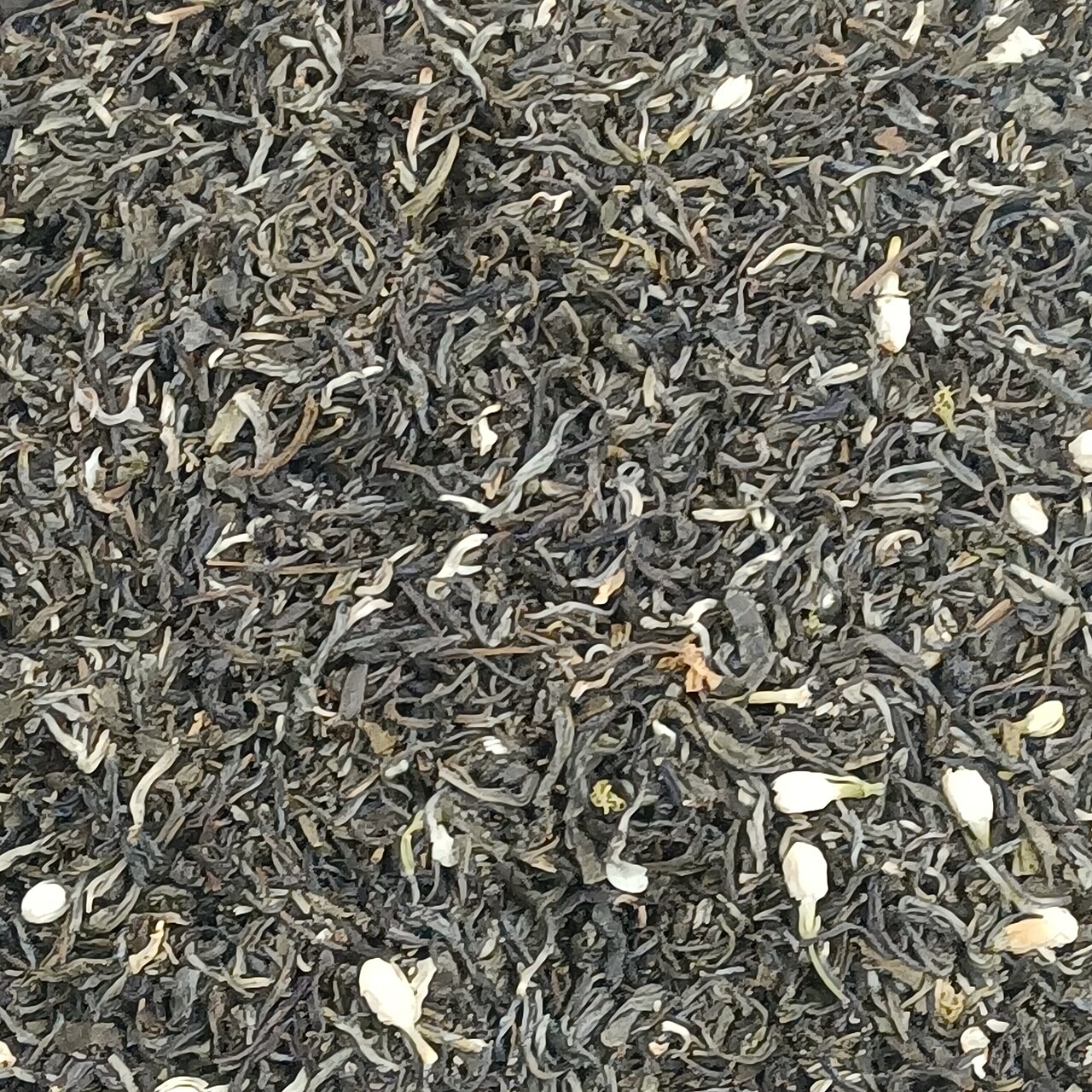
1. Why in 2026 specifically are tea shops turning “spring floral” into a line rather than just one new drink?
Because ready-made tea is finding it harder and harder to rely on “one new flavor” alone to generate sustained attention. In earlier years, many shops approached launches by constantly adding novelty to the menu: one fruit tea this month, one thick-milk product next month, then perhaps one regionally translated special after that. That could still create buzz, but it was getting harder to form stable stage-by-stage recognition. Consumers could remember that “there was a new launch this week,” but not easily remember what exactly a brand was trying to sell this season.
A spring floral line solves that problem almost naturally. It is especially suitable for series treatment because it already comes with group logic built in. Jasmine, gardenia, white-lan, magnolia, orchid-like oolong, lightly roasted floral green tea: once these words appear together, consumers enter the same seasonal imagination almost automatically. Compared with one isolated spring drink, a full floral line feels like a complete scene. It does not just say, “here is one thing suitable for spring.” It says, “during this period, this shop is translating spring into a group of drinks you can keep choosing from.”
More importantly, consumers in 2026 are increasingly used to reading drinks by time of day, bodily feeling, and seasonal atmosphere, not only by visible ingredients. Here spring is not just a calendar marker. It is a bodily and emotional imagination you can consume: not too thick, not too heavy, not too sweet; ideally lighter, more fragrant, cleaner, and visually clearer too. Floral lines are almost perfectly suited to carry that imagination, because they make “light” feel meaningful rather than empty, and “delicate” feel expressive rather than weak.
So shops are not building spring floral lines because spring must equal flowers. They are doing it because, in today’s product language, floral aroma is one of the easiest materials for turning “seasonal change” into a sellable structure. It allows spring to enter the menu itself rather than staying only in posters and cup sleeves.
2. What this line really sells is not just flowers, but a spring drinking structure that feels “lighter without becoming empty”
Floral aroma obviously matters, but if that is all there is, the entire line quickly becomes homogeneous. What really makes a spring floral line hold together is whether it can solve a specific problem: light, but not empty; clear, but not thin; fragrant, but not perfumey in a synthetic way. In other words, what it sells is not an isolated flavor but a structure: a lighter entry, aroma arriving first, tea character following after, with milk or fruit only playing supporting roles rather than collapsing the whole cup into one heavy mass.
That is also why spring floral lines pair so easily with lighter milk, lighter sweetness, clearer tea liquor, fewer toppings, and less heavy-handed formulas. Floral notes need room. Once milk gets too thick, sugar too high, fruit syrup too heavy, or texture too crowded, the floral layer stops being the lead and becomes mere decoration. Shops now understand this much better, so floral lines increasingly move toward structures like light fresh-milk tea, clear tea infusions, floral oolong iced tea, or lighter rewrites of fruit-tea logic. These may look different on the surface, but in practice they are all making space for floral aroma.
This aligns with the trends repeatedly discussed on the site: the return of light milk tea, tea-base identity, and ingredient-list transparency and real tea-base expression. All of them push in the same larger direction: drinks must increasingly explain why they are structured the way they are. Spring floral lines are now being seriously operated because they fit perfectly into that logic. They are not simply adding a floral note. They give tea shops a chance to reorganize lightness, aroma, real tea, and springtime mood into one coherent structure.
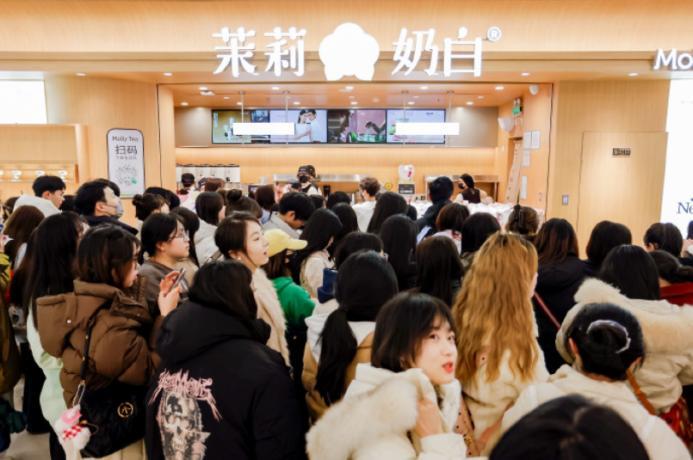
3. Why does this line pair so naturally with the “real tea base” trend?
Because floral aroma is one of the product languages that most needs a tea base to support it. It is not like heavy milk or heavy fruit. Thick dairy can generate presence on its own, and strong fruit can dominate the front of the cup by itself. Floral aroma cannot. Without a tea base underneath, it easily becomes a floating top note with no landing point. The first sip may smell attractive, but the middle and back of the cup quickly lose their reason. So if a spring floral line wants to work as a full series, it has to explain why this specific tea base is being used.
That is why more brands now explicitly write in clues such as jasmine bud tea, gardenia green tea, Minnan oolong, white-lan oolong, Longjing spring-tea character, glutinous-rice green tea, or lightly roasted oolong. These are not there simply to sound premium. They are there to give the floral layer an anchor. Consumers today are increasingly ready to accept that floral aroma is not a free-floating perfume bubble. It is a way tea itself unfolds. Once a shop can explain floral aroma and tea-base identity together, the whole line becomes much more stable than the older method of just saying “fresh floral fragrance.”
Tying floral lines to real tea-base rhetoric has another major advantage: it makes internal variation inside the line easier to understand. If all the products belong to a spring-limited family but point to different tea directions—jasmine, oolong, green tea, white-tea character—consumers naturally understand their distinctions. That difference does not need to be created through extreme flavor innovation. It can be built through the relationship between tea base and aroma. For tea shops, that is a more stable and sustainable way to organize a line.
So the reason spring floral lines now look like real “lines” is not that brands suddenly learned how to write flowers better. It is that they learned how to use tea to write flowers better. Floral aroma is finally no longer just decoration. It is becoming an extension of tea-base expression.
4. Why does it also fit so well with the return of light milk tea?
Because floral aroma and lighter milk naturally help one another. Floral notes provide emotional value and aromatic recognizability to light milk tea. Lighter milk gives floral notes a bit of softness and mouthfeel support so the whole cup does not vanish too quickly. Compared with thick-milk structures, light milk does not crush floral aroma. Compared with pure tea, it makes floral products easier for a broader public to accept. It sits in a very useful middle position: the drink still reads as tea, but it also feels more naturally like a spring tea drink.
That is also why many spring floral lines are not built primarily as fruit teas. What appears more often is light fresh-milk tea, floral oolong with light milk, floral green tea with fresh milk, and similar forms. These drinks do not sell heavy satisfaction. They sell a softened kind of clarity: there is aroma, there is tea, there is a bit of milk, but nothing crosses the line. That structure suits spring especially well because it matches a very common seasonal consumer feeling: “I want something that still has content, but please don’t make it heavy.”
From the shop side, floral plus light milk has another practical advantage. It can feel more like a “new launch” than a pure tea line, but still read as more seasonally reasonable than a heavy milk-tea line. That means it can capture attention without losing high-frequency repurchase under the burden of heaviness. For major chains today, that is almost an ideal design.
5. Why is this not just “good for spring photos,” but well suited for high-frequency menu positions?
Because floral lines occupy a very important middle band. They have more emotional value than purely functional drinks, feel lighter than heavy dairy or heavy fruit products, and give people more reason to order than plain low-expression tea. Many drinks that truly become high-frequency choices are not necessarily the customer’s permanent number-one favorite. They are the options that feel easy to choose in many real moments. Spring floral lines have a strong chance of occupying exactly that position.
Think about some extremely common situations: in the afternoon, you do not want something too milky, but you also do not want a cup of plain tea with no expression; on a weekend stroll, you want something seasonal but not too burdensome; after lunch, you want something lighter and more fragrant; or as the weather warms up, your body naturally starts leaning toward lighter structures. Floral lines fit these moments more easily than heavy products because they naturally feel more “of the moment.”
That is why I do not read spring floral lines merely as short-lived aesthetic impulses. They certainly have visual advantages, and they certainly travel well on social media. But their more important strength is that they can enter the most ordinary and most valuable high-frequency moments in a shop’s business. Truly valuable lines are not only loud in launch week. They continue entering the customer’s “easy default” choices over the weeks that follow. If done well, spring floral lines have exactly that potential.
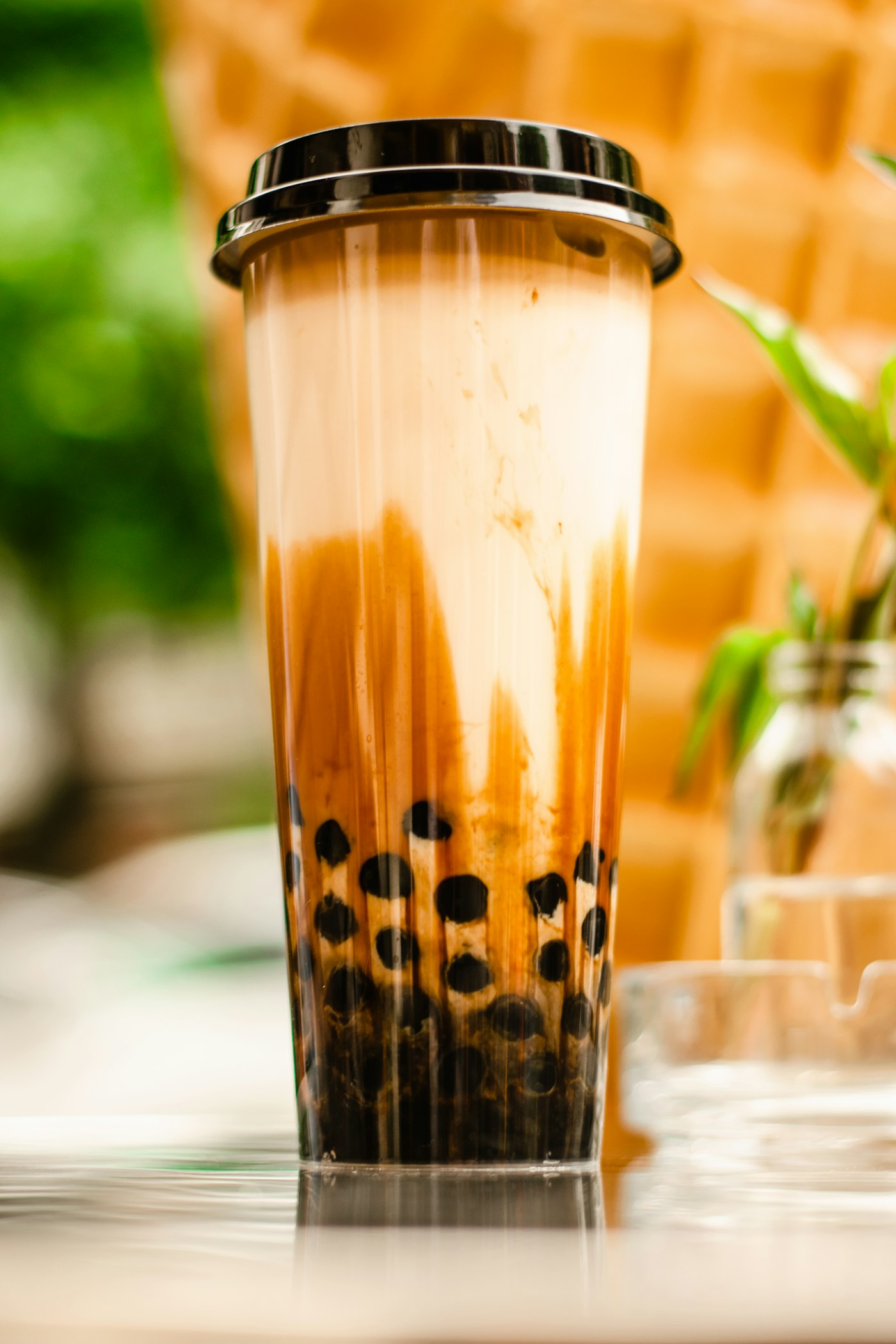
6. Why do brands now prefer to build “floral series” instead of betting on one blockbuster floral launch?
Because a series is better at managing emotional rhythm than a standalone product. A single drink can still blow up, of course. But if one floral product stands alone, it often loses support quickly after the trial phase. A series is different. Once a shop writes floral aroma as a group of products, consumers begin reading it as “the main seasonal thing this brand is saying right now.” That significantly improves the line’s stability.
Series strategy has another practical advantage: it allows different consumers to find their own entry points under one theme. Some prefer clearer floral tea, some want a light-milk version, some accept a little fruit support, and some prefer oolong over green tea. Once the line becomes a series, the brand does not need one “all-purpose” blockbuster to satisfy everyone. Different structures can serve different preferences while still sharing one spring theme. That is more effective than forcing one universal best-seller.
More importantly, series operation strengthens a shop’s interpretive control over the season itself. In the past, spring launches often meant greener packaging, floral names, and posters filled with young leaves and petals. The more mature approach now is to write seasonality into product logic: why spring fits floral notes, why spring fits lighter milk, why spring calls for tea that feels clearer, brighter, and cleaner. Turning floral drinks into a line makes those explanations feel complete. It upgrades seasonal management from a visual move into a menu move.
7. Where are the limits? Floral lines are not a universal answer
First, floral lines can easily collapse into rhetoric alone. Once every brand starts writing words like fresh, airy, springtime, blooming, breeze, and “the first sip tastes like spring,” what really decides whether a drink survives is still the most basic set of questions: is the tea base stable, does the aroma exist beyond the front of the cup, do milk and floral notes fight each other, does the drink turn hollow halfway through, and is it worth buying a second time? If the product itself cannot support the language, the whole spring narrative becomes disposable packaging.
Second, floral does not automatically equal lower burden or greater healthfulness. Transparent cups, pale tea liquor, floral naming, and spring language easily encourage the consumer to read a cup as “lighter,” but that is first of all a consumption feeling, not a nutritional conclusion. Brands can certainly benefit from that reading, but what makes consumers believe it in the long run is still the real experience of sweetness, milk level, total volume, and after-drinking body feel.
Third, floral lines strongly test a brand’s ability to differentiate. The language threshold for this category is not high. Everyone can write jasmine, gardenia, spring, flower field, light milk, and freshness. That means brands need clearer tea-base organization and more stable line structure than ever. Otherwise the entire idea of a spring floral line degrades into different shops saying similar things while selling similar lightly fragrant drinks.
So the biggest temptation of a floral line is that it looks smooth, timely, and easy to like. Its harshest truth is the same: the lighter, more fragrant, and more seemingly effortless a product is, the less it can survive on vagueness. It really has to have structure.
8. Why does this deserve a place in the broader 2026 drinks story?
Because it proves once again that tea-drink competition is increasingly becoming a business of structure rather than one of mere content stacking. If you place it next to other lines already discussed on the site, the logic is very clear. Light milk tea returning to center stage shows brands rebuilding lighter versions of milkiness. Tea-base identity shows products increasingly needing to explain “why this tea.” Ingredient transparency and real tea-base expression show that shops are no longer selling atmosphere alone but explanation as well. The emergence of spring floral lines shows that brands are now structuring “season” itself.
This is not merely saying, “spring is here, let’s launch a few floral products.” It is saying: if consumers now increasingly understand drinks through season, time of day, bodily feeling, and emotional state, then shops should translate spring into a group of products rather than into one poster. Floral aroma is especially suitable for this work because it can connect tea base, fragrance, lighter milk, visual identity, emotion, and high-frequency repurchase all at once.
In the end, what spring floral lines really reveal is not that people suddenly love flowers more. It is that brands are becoming more serious about answering a very practical seasonal question: what kind of tea should spring taste like? Once that question is treated seriously, spring floral lines stop being short-term launches and start becoming stable product programs that more and more chains will rewrite and optimize every year.
Continue reading: Why light milk tea returned to center stage, Why floral tea drinks are rising, Why tea base now has an identity card, and Ingredient transparency, real tea bases, and fewer additives.
Source references
- CHAGEE | Fresh Milk Tea Series
- CHAGEE official site
- Related site features: light milk tea return, floral tea drinks rise, tea-base identity, and ingredient transparency (March 2026).