Fresh tea-drink trend watch
Why Tea Chains in 2026 Are Seriously Building Sticky-Rice and Grain-Aroma Tea Drinks: They Are Selling Not Novelty, but a Steadier, Warmer, More Memorable Everyday Eastern Flavor
If I had to single out one of the quieter but more important changes inside 2026 tea-chain menus, I would pick the return of sticky-rice aroma and grain-aroma drinks. This is not the loudest trend. It does not have the immediate visual blast of matcha, fresh fruit, floral tea, sparkling formats, thick milk, salty profiles, or big-name collaborations. But it is quietly turning into a more stable product line. From CHAGEE explicitly writing “sticky-rice leaf” into product identity, to sticky-rice green tea, grain aroma, roasted cereal notes, rice-like herbal fragrance, and lightly roasted tea bases appearing together, brands are starting to seriously manage a flavor direction that feels more rooted in everyday Eastern taste memory, better suited to slower drinking, and easier to remember after the cup is finished. The real point is not that sticky-rice aroma suddenly became fashionable. It is that by 2026, stores are reorganizing a flavor once treated as niche or regional garnish into a line they can build over time.
This matters not because consumers only now discovered rice aroma, grain aroma, or roasted cereal notes. In fact, these are already deeply familiar inside Chinese taste language. Sticky-rice aroma, toasted grain, rice fragrance, bean notes, wok-like roasted warmth — all of these belong to an older everyday sensory vocabulary tied to tea, snacks, grain drinks, and ordinary food memory. For years, modern tea chains preferred to tell their story through things that looked easier to circulate online: fruitier, milkier, floral, colder, brighter. Sticky-rice and grain aroma work differently. Their attraction is not first-second shock. It is a slower kind of persuasion — a feeling that the cup lands somewhere, that it has weight without heaviness, and that it leaves behind a clearer after-memory.
The fact that this line is now becoming more visible says something important about how brands understand high-frequency repeat purchase. Not every product has to win through loudness or stimulation. Not every launch needs bigger fruit pieces, thicker dairy, or stronger visual drama. Sticky-rice and grain-aroma drinks sell through another route: warm but not heavy, clear but not thin, carrying a little cooked-grain depth and herbal rice-like comfort that can turn a cup from “clean but forgettable” into “smooth, steady, and easy to order again.”
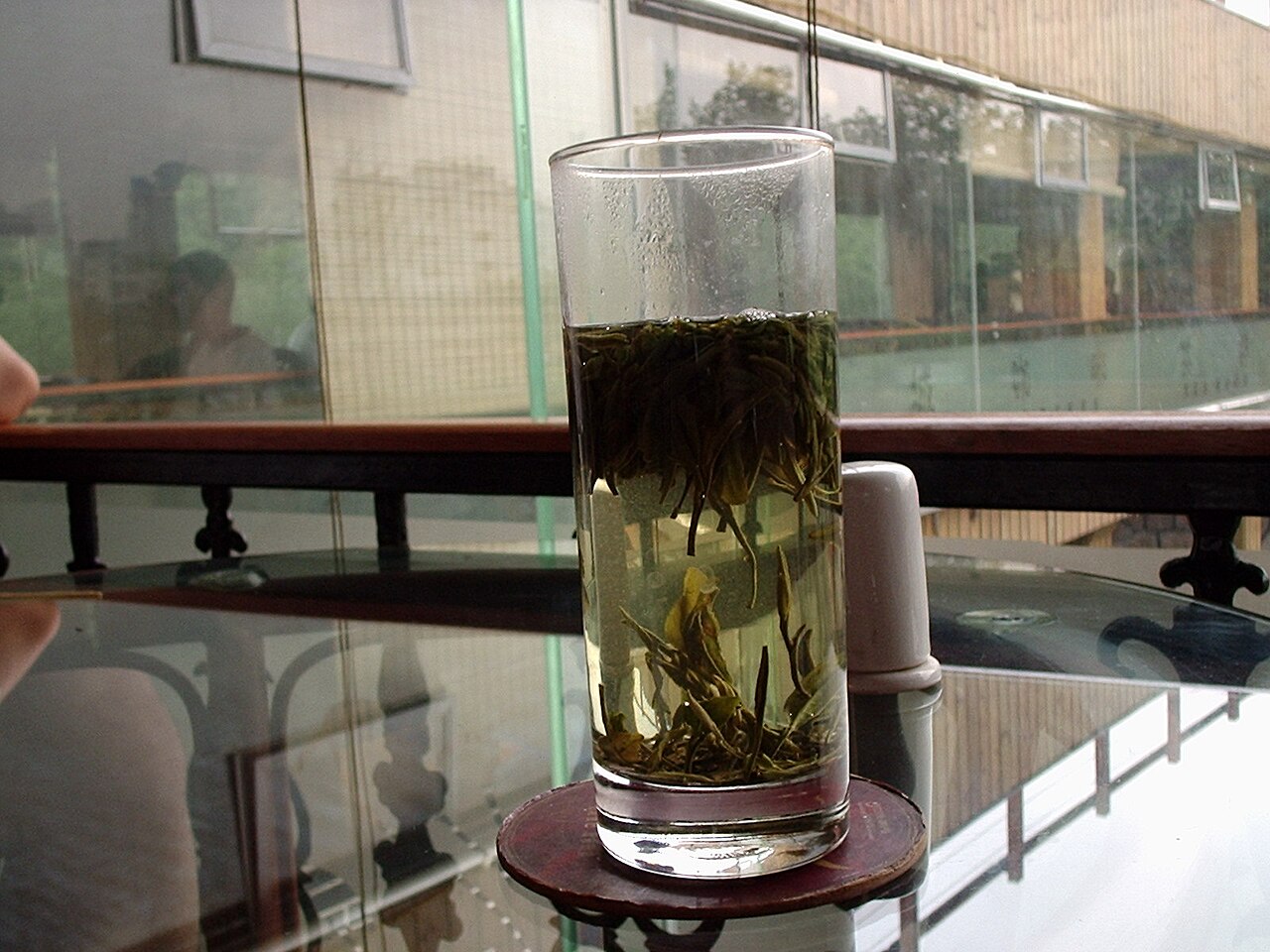
1. Why is sticky-rice and grain aroma becoming important again in 2026?
Because modern tea has reached a stage where even “refreshing” is becoming crowded. Over the past few years, the most effective category language was light dairy, lower sugar, real tea base, fresh fruit, floral notes, sparkling texture, transparent ingredients, and hydration-friendly framing. Those directions still work. But once every brand is trying to make its drinks lighter, clearer, and less burdensome, a new question appears: if everyone is light, clean, and less sweet, why should consumers remember your cup in particular?
Sticky-rice and grain aroma answer that question without making drinks heavier. They do not create memory by pushing a cup into an extreme zone. Instead, they fill a gap between “light” and “substantial.” Many cleaner tea drinks are not bad at all — they are just too quickly finished and too quickly forgotten. They may be tidy, transparent, and ideal for workdays, but they do not always leave a strong mental hook. Sticky-rice aroma, grain notes, and roasted cereal warmth create exactly that hook. They let a clean tea stop being only clean tea and become something closer to “a cold drink with warmth inside it” — a cup carrying steam-of-rice memory, cooked-grain familiarity, and light roasted herbal comfort.
That suits the 2026 store environment especially well. Brands increasingly care about scenes that are not always the best for social-media spectacle, but are excellent for repeat use: commuting, office desks, post-lunch drinking, afternoon slumps, humid weather when people want something cold but not too sweet, and evenings when someone still wants tea but not too much stimulation. Sticky-rice and grain aroma fit these scenes because they do not aim to shock. They aim to make a person feel that the drink is smooth, steady, and physically agreeable. Once the category starts taking those high-frequency, low-drama moments more seriously, this flavor line naturally gains space.
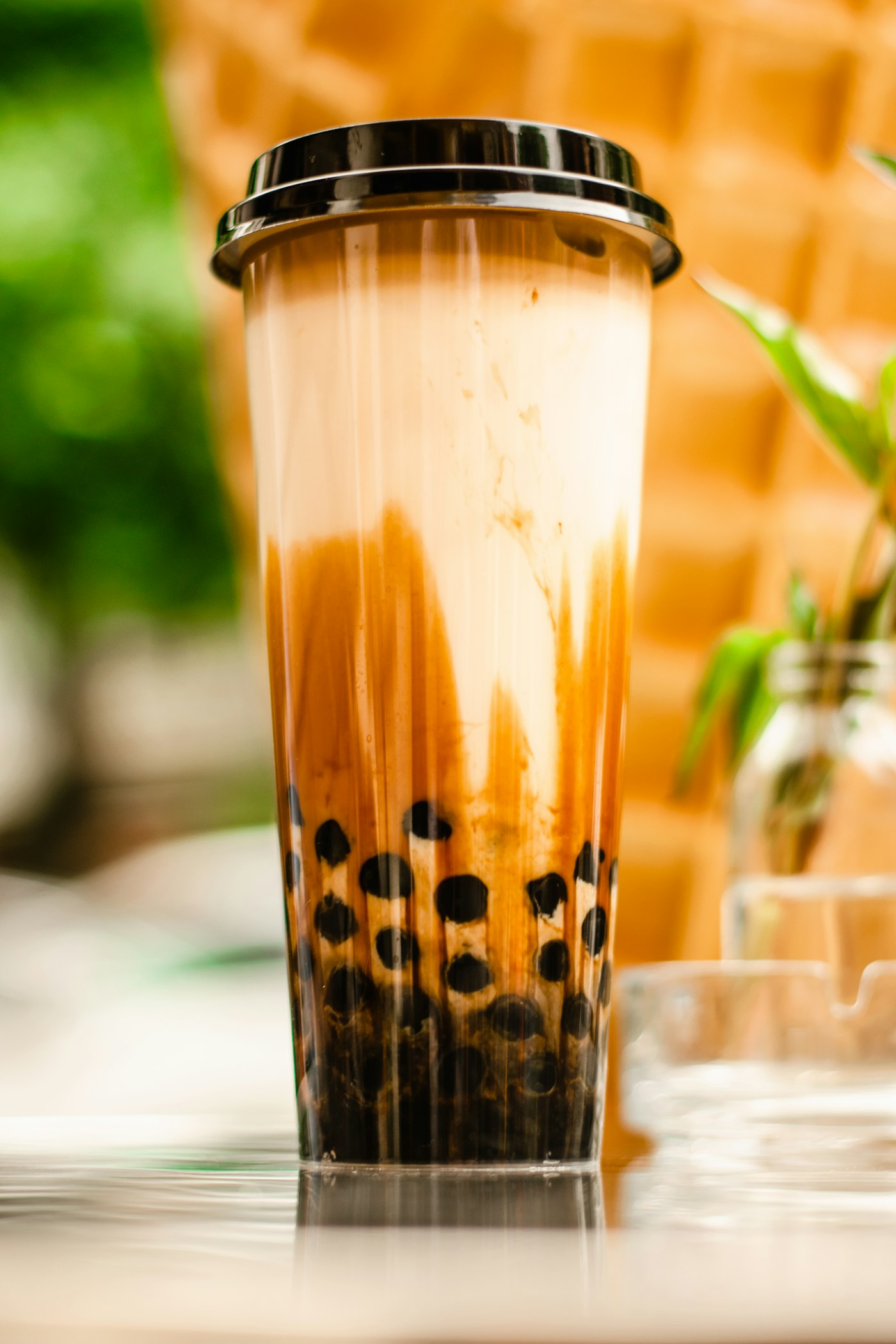
2. Why was this flavor once treated as decoration, but is now becoming a main line?
It used to sit more like decoration because older menu structures gave sticky-rice and grain aroma a smaller job. They might appear as a special flavor, a seasonal twist, a regional cue, or a slightly unusual tea base only a small group would order. Tea stores were better at organizing menus into milk tea, fruit tea, and pure tea, then layering in flowers, fruit, toppings, or dairy expression. Sticky-rice and grain aroma could add distinction, but not yet hold up an entire line.
Now the situation is different because brands have become more mature in how they think about structural flavor. Sticky-rice aroma is not just a floating note on top of the drink. It binds naturally with several directions that are already established in 2026. With green tea, it softens tea sharpness. With light dairy, it makes milk feel steadier without becoming stuffy. With regional-flavor storytelling, it gives “Yunnan,” “mountain,” or “grain-herbal” language a real sensory landing point. With Oriental iced tea, it gives a cold tea base a memory marker without relying on oversized fruit or high-acid brightness.
Put simply: what used to function as ornament can now function as skeleton. The category has enough supporting conditions in place to let that happen. Consumers are more comfortable reading tea-base identity. Stores are better at giving drinks a product “ID card.” Menus are more capable of organizing products by scene and bodily state. Once those conditions exist, sticky-rice and grain aroma stop being only “one more special flavor” and become a stable language for daily repurchase.
3. Why does sticky-rice aroma pair so well with tea-base identity?
Because sticky-rice aroma is a flavor that depends unusually strongly on explanation. It is not as direct as mango, strawberry, or lemon, and not as instantly measurable as thick milk, cheese foam, or cream. If a brand does not explain it, consumers may read it only as “some slightly unusual cooked warmth.” But once the flavor is linked clearly to sticky-rice leaf, rice-like herbal notes, green tea blending, or regional raw-material logic, it shifts from an abstract smell to a full product understanding.
That is why it matters that CHAGEE has written sticky-rice leaf into product identity. It shows that brands are no longer satisfied with simply saying a sticky-rice green tea tastes good. They are actively looking for a source logic and explanatory framework. The point of source is not to show off knowledge. It is to make the customer feel that this was not a random flavored drink assembled out of nowhere, but something designed with raw-material clues, regional association, and flavor rationale.
Once sticky-rice aroma is explained this way, it fits today’s menu system extremely well. The 2026 tea-drink consumer is increasingly used to reading why a cup tastes the way it does: why this tea base, why this floral profile, why this name, why this seasonal or regional link. Sticky-rice aroma is ideal because it is both culturally familiar and highly re-translatable into modern product language.

4. Why does it work especially well with regional-flavor storytelling?
Because sticky-rice and grain aroma already carry a strong sense of place. They do not read like globally circulating tropical fruit flavor, and they do not behave like cream-and-dessert language imported from a more Western sweet logic. Rice aroma, grain warmth, light herbal cooked notes, and roasted cereal tones sit much closer to everyday Chinese food memory: steamed rice, scorched rice crust, toasted grain, glutinous rice snacks, mountain herbs, local cereals. Once a brand writes these notes into a menu, it gains immediate access to the power of regional storytelling.
That helps explain why place words like Yunnan, Menghai, Leshan, Guangxi, and Minnan increasingly appear beside sticky-rice aroma, osmanthus, aged citrus peel, floral oolong, and roasted green tea. The real power of regional flavor is not only that it makes a drink sound special. It makes the drink sound sourced. Sticky-rice aroma fits that framework especially well because it can be understood as a plant-and-tea interaction, as an extension of local food memory, and as part of a softer, more Eastern cold-drink experience.
More practically, regional framing gives sticky-rice aroma additional legitimacy, while sticky-rice aroma gives regional framing an actual sensory landing point. Many place-based stories feel empty if they remain only names and narratives. Sticky-rice, grain, and lightly roasted notes can be recognized directly in the mouth, which lets place return to flavor itself. That mutual reinforcement gives the line a longer life than simple novelty chasing.
5. Why is this especially well suited to repeat purchase rather than one-off hype?
Because the strength of sticky-rice and grain aroma is stability, not extremity. Extreme flavors are good at generating conversation, but they also trap themselves more easily in try-once scenes. Sticky-rice and grain aroma work differently. They rarely make the customer think, “This is too much.” Instead they feel smooth, grounded, and familiar. For high-frequency buying, that matters more than surprise.
Many products that run well over time are not the most shocking or spectacular. They are the ones that feel difficult to reject across many situations. Sticky-rice and grain aroma have that kind of potential. In the afternoon, someone may want something with content but not too sweet. After lunch, they may want something cleaner but not as empty as plain tea. In humid weather, they may want a cold drink without strong fruit acidity or strong milk weight. At night, they may still want tea character without something overly sharp. In all of those cases, sticky-rice and grain aroma often make more sense than more theatrical products.
That is why I do not read this as short-term novelty. Short-term novelty asks whether the first cup is worth posting. Repeat purchase asks whether the second and third cup will still feel easy to choose. That is where sticky-rice and grain aroma are strongest. They do not startle you. They gradually build a habit: a cold tea can carry a little cooked-grain warmth, a little rice memory, and a little grounded comfort without becoming heavy — and that may actually make it more complete.

6. Why does this fit especially well inside Oriental iced tea rather than only in hot drinks?
Many people hear sticky-rice aroma or grain aroma and assume the flavor belongs more naturally to hot drinks, because those words carry cooked, warm, steamy associations. But one of the key 2026 shifts is that tea chains are rewriting these flavors into cold-drink logic. That matters a lot. After years in which cold drinks were dominated by fruit brightness, floral notes, acidity, and transparent visual freshness, sticky-rice and grain aroma open another cold-drink route: cold, but not sharp; clean, but not thin; familiar, but not old-fashioned.
This makes them a natural fit with Oriental iced tea. Oriental iced tea is not simply cold plain tea. It is a system that reorganizes tea base, region, light functionality, everyday repurchase, and modern tea-store language. Sticky-rice aroma does not make that system look dated. It gives Oriental iced tea another layer beyond floral, oolong, aged, or lemon-led identities — something closer to staple-food memory and everyday groundedness. It makes an iced tea feel not only refreshing, but also lightly anchoring.
That is valuable for brands because the hardest thing in cold-drink design is often to create a memorable flavor handle without adding too much burden. Sticky-rice and grain aroma do exactly that. They do not require much more dairy, they do not depend on toppings, and they do not need extreme formulation. Yet they help customers remember the tea much more clearly. That is why they fit so well inside Oriental iced tea, light-dairy tea, and light herbal-tea structures that have become more mature by 2026.
7. Where are the limits of this trend?
First, sticky-rice and grain aroma are easy to do only at the naming level. These are words with strong imagery and strong Chinese-internet appeal: Eastern, mountain, grain, rice, steam, roasted warmth, everyday life. That makes it easy for brands to stop at language while failing to build the actual flavor. A consumer may be drawn in once, but if the cup itself does not support the promise, there is little reason to come back.
Second, these notes do not automatically mean healthier or lighter burden. Rice-like and grain-like aroma can make a drink feel more natural, more everyday, and more gentle, but that is first a reading effect, not a guaranteed nutritional truth. Whether a product is actually light still depends on sugar, volume, tea concentration, dairy structure, and post-drinking body feel. Sticky-rice aroma can make a drink feel steadier and more complete. It cannot by itself do all the work of proving low burden.
Third, this line will strongly test brands’ ability to create internal differentiation. If everyone starts writing sticky-rice aroma, grain aroma, rice-herbal softness, and mountain-roasted warmth, the whole thing will quickly become another round of sameness. The brands that stay will not be the ones using the most words. They will be the ones that truly distinguish among tea bases, warmth directions, and use scenes: cleaner green-tea versions, lightly roasted oolong versions, rice-herbal versions, grain-dairy versions, daytime refill versions, and softer evening versions. Without that internal structure, the line remains a label rather than a real menu system.
8. Why does this belong in the broader 2026 drinks story?
Because it proves again that modern tea is moving from stronger stimulation toward finer structure. The site has already tracked light milk tea, the return of hot drinks, spring floral lines, regional flavor, Oriental iced tea, office-supply tea, night drinking, and low-caffeine logic. Those changes may look scattered, but they all point to the same underlying shift: the industry increasingly cares about what bodily state, what time of day, and what pace of life a cup is suited for, and whether it has a flavor identity clear enough to support repeat purchase.
Sticky-rice and grain aroma matter because they create another bridge between lightness and memorability. They show that floral and fruit routes are not the only way to make a clean drink memorable. This is a more Eastern, more everyday, less theatrically written route. It does not negate floral lines, fruit lines, or light dairy. It makes the menu more complete. Alongside freshness, brightness, and cold clarity, modern tea can also admit a little rice warmth, a little grain familiarity, and a little staple-food steadiness — and that does not feel backward at all. It feels highly suited to high-frequency life.
In the end, what sticky-rice and grain-aroma tea drinks reveal is not that brands have suddenly become nostalgic. It is that they are taking everydayness more seriously. Not every cup has to become an event. Some cups matter because they enter workdays, afternoons, and those ordinary moments that do not need spectacle but do reward long-term repurchase. Sticky-rice and grain aroma are becoming one of the most mature lines for exactly that reason.
Continue reading: Why Oriental iced tea was separated into its own series, Why regional flavor became a 2026 main line, Why spring floral lines are now managed more seriously, and Why hot tea drinks moved back toward the center.