Fresh tea drink observation
Why rose pu'er is turning from an easy-to-read Chinese milk-tea name into a more mature tea-drink line in 2026: how floral aroma, ripe tea, lighter milk structure, and after-meal or evening scenes are being rebuilt
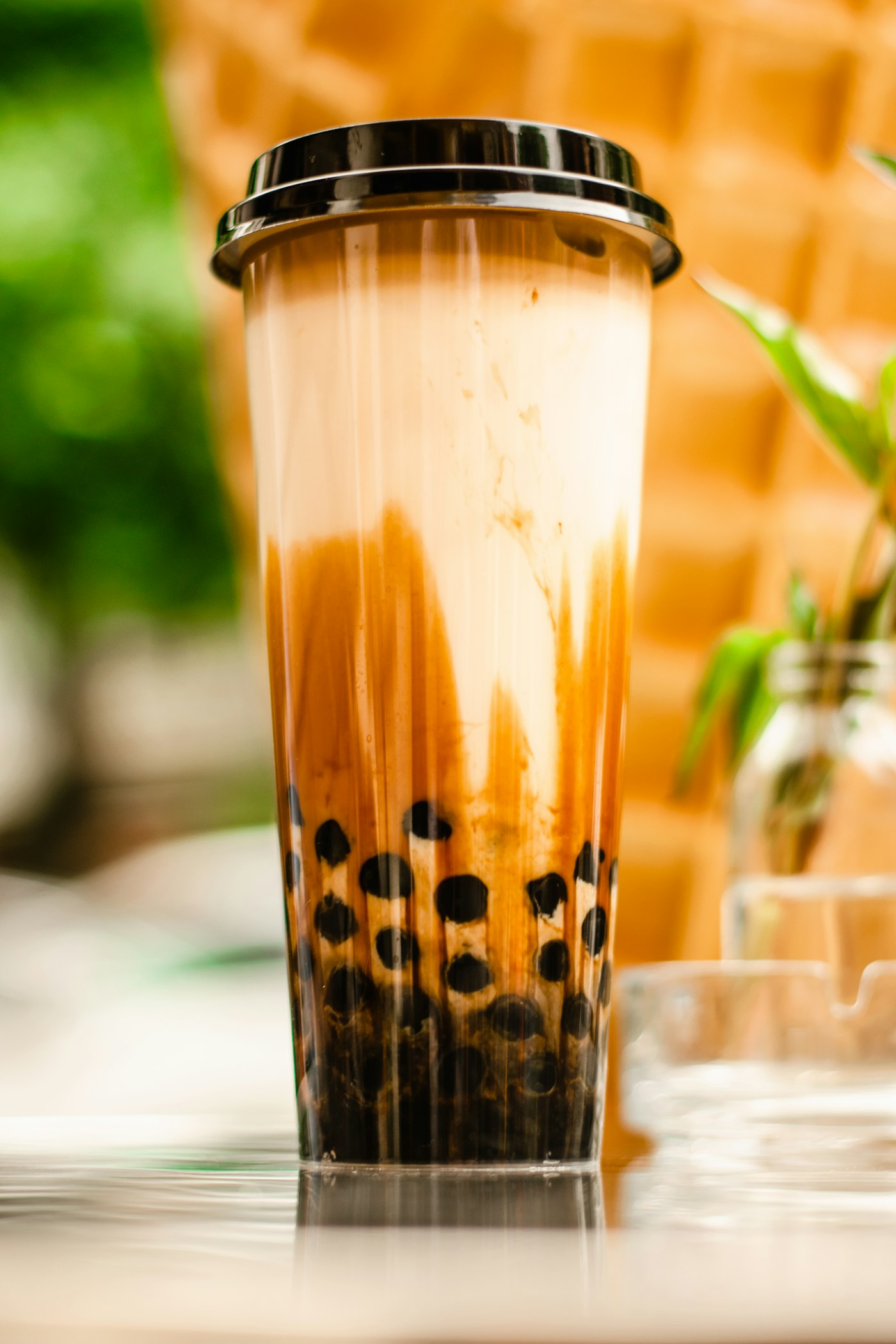
If 2026 tea drinks are increasingly rewriting “floral aroma + tea base” from vague decoration into clearer product identity, then rose pu'er is one of the combinations most worth pulling out on its own. It is obviously not a new name. Many consumers have heard it before, ordered it before, and roughly know what direction it points to. What matters now is that it is being reorganized into a more mature drinks line: no longer just a familiar, slightly Chinese-style, supposedly not-too-heavy menu option, but a more restrained floral ripe-tea structure especially suited to after-meal, evening, lighter milk, and repeat-purchase use. Rose gives it recognition. Pu'er gives it backbone. What really makes it newly relevant is that stores are finally managing the middle layer between them: mature but not oppressive, smooth but not hollow, floral at the front and ripe tea at the finish.
This is worth writing not because rose pu'er is suddenly the loudest trend in the whole industry, but because it sits exactly where several of 2026’s most important menu shifts overlap. For the past few years, stores have been moving in two directions at once: toward lighter, cleaner, more repeatable daily drinking, and toward more specific, more nameable, more internet-legible identities built around tea bases, floral notes, regional cues, or processing language. Rose pu'er is unusually strong because it fits both. It has immediate Chinese-language legibility — consumers can see at once that this is floral, ripe tea, somewhat Chinese, and relatively steady — while also leaving plenty of room for structural rewriting, whether as milk tea, lighter milk tea, hot drink, after-meal tea, or even an evening-positioned product.
That is why rose pu'er now matters as more than a flavor name. It has become a way for stores to handle maturity. Instead of relying on thick dairy, heavy sugar, or overloaded toppings to manufacture satisfaction, it offers another question: can a drink have some floral aroma, some ripe-tea depth, and still not feel burdensome? Can it feel recognizably Chinese without turning old-fashioned? Can it fit a real time of day rather than only a nostalgic poster image? Rose pu'er is becoming worth writing about again because brands are starting to use it to answer those questions directly.
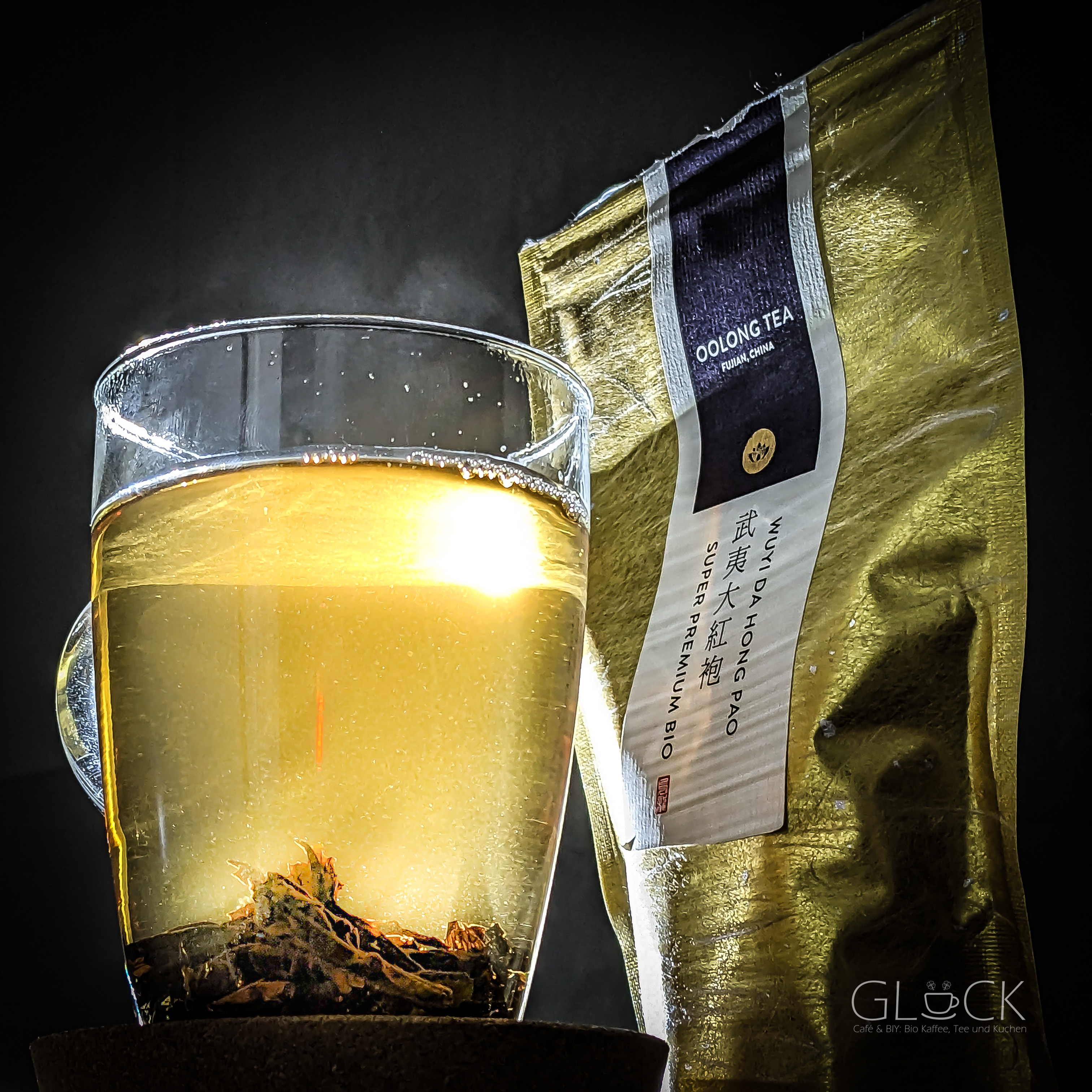
What this article looks at
Core question: why rose pu'er is shifting from a familiar flavor name into a menu language worth isolating in 2026 Signals: floral aroma + tea base signature-building, ripe-tea structure, lighter milk expression, after-meal and evening scenes, lower-burden repeat purchase, Chinese-style flavor identity Who this is for: readers trying to understand why stores are seriously managing mature-but-not-heavy floral ripe-tea products instead of relying only on fresh fruit tea or thick milk tea
1. Why is rose pu'er becoming worth writing about on its own in 2026?
Because by this point, stores can no longer depend on “one more new milk-tea name” to create novelty. Consumers already understand the basic paths: what light milk tea feels like, what floral tea feels like, what Oriental iced tea feels like, what the after-meal cup or the evening cup is supposed to do. The more valuable move now is not always inventing something completely new, but reorganizing combinations that already existed without ever being explained properly. Rose pu'er is a classic case. It has never been unknown, but it was often left at the level of a stable, Chinese-style, easy-to-understand menu name. It was much less often broken down seriously: what exactly does the rose do? What exactly does the pu'er do? What structures suit it? What time of day suits it? Why is it not the same as other floral milk teas?
2026 is the right moment to reopen that question because more and more product language is moving toward clearer flavor identity. Earlier site features on tea-base identity, floral aroma + tea-base signatures, the return of light milk tea, night-oriented tea drinks, and the after-meal cup are all converging on the same thing: stores no longer want to stop at saying a drink is fragrant, smooth, or Chinese-style. They want to explain what kind of fragrance, what kind of smoothness, and what kind of Chinese-style structure it actually is. Rose pu'er suddenly becomes more valuable under that demand because it is inherently explainable.
More practically, it also suits the kind of consumer stores increasingly want to win: people who no longer want extremely thick, sugary, reward-coded drinks, but also do not want to spend all day drinking ultra-minimal cold tea. They want some content, some familiarity, some maturity — but not oppression, not stuffiness, and not a drink that feels like a wellness assignment. Rose pu'er sits right in that middle zone. It is not the youngest or loudest cup on the board, but it may be one of the easiest to rebuild into a long-term asset.
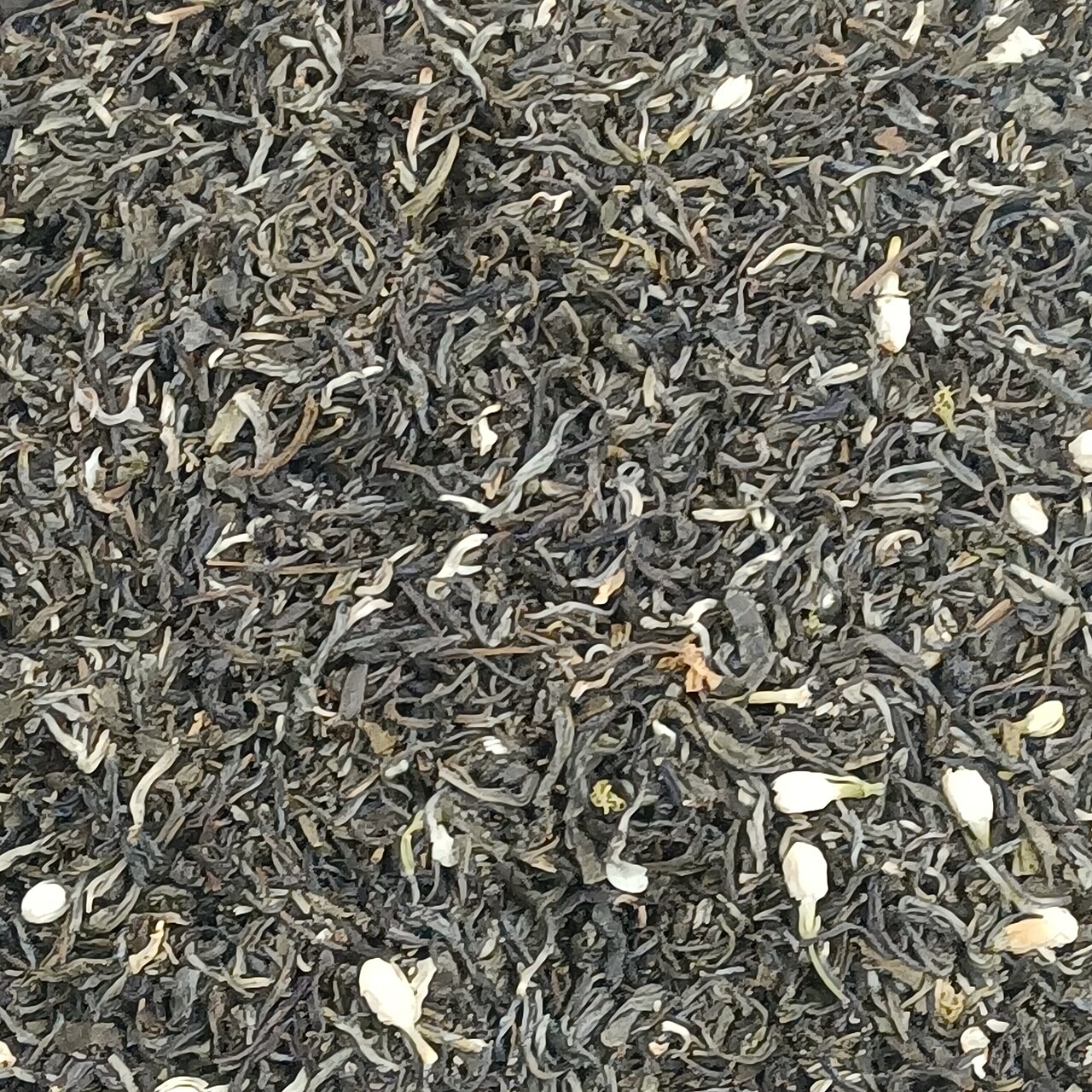
2. Rose pu'er is not really selling “Chinese-style feeling,” but a more mature and more restrained smooth structure
Many people first understand rose pu'er through the phrase “Chinese-style”: more Eastern than standard milk tea, steadier than pure floral tea, and more controlled than thick dairy drinks. That is not wrong, but it is too broad. What actually makes rose pu'er viable now is not poster-level Chineseness. It is the way the drink moves. Rose provides aromatic recognition up front. Pu'er closes down the tail. The whole cup does not scatter, float away, or collapse into sweetness. That kind of structure is what stores are really reselling.
This matters because 2026 consumers are much more sensitive than before to the idea of “smoothness with shape.” In earlier menu cycles, the first sip did a lot of the work: was it exciting enough, sweet enough, rich enough, photogenic enough? Now what often matters more is the second sip, the third sip, and the feeling after finishing. When rose pu'er works, its strength is rarely first-sip shock. Its strength is that the later part still feels stable: the floral note is present but not floaty, the tea remains present but not harsh, and if there is some milk, the drink still does not immediately fall into dessert mode. What it offers is not noise, but completion.
That is also why rose pu'er is better suited to long-term management than many floral products that rely only on the surface appeal of scent words. Rose is easy to understand and easy to circulate online, but without a tea base like ripe pu'er to secure the finish, it can quickly become a drink that smells appealing and drinks hollow. Pu'er’s real job here is not simply to make the cup heavier. It is to make the cup steadier. It allows rose to become part of the cup’s structure rather than merely a floating top note. For a brand, that kind of steadiness is more valuable than short-term floral prettiness.
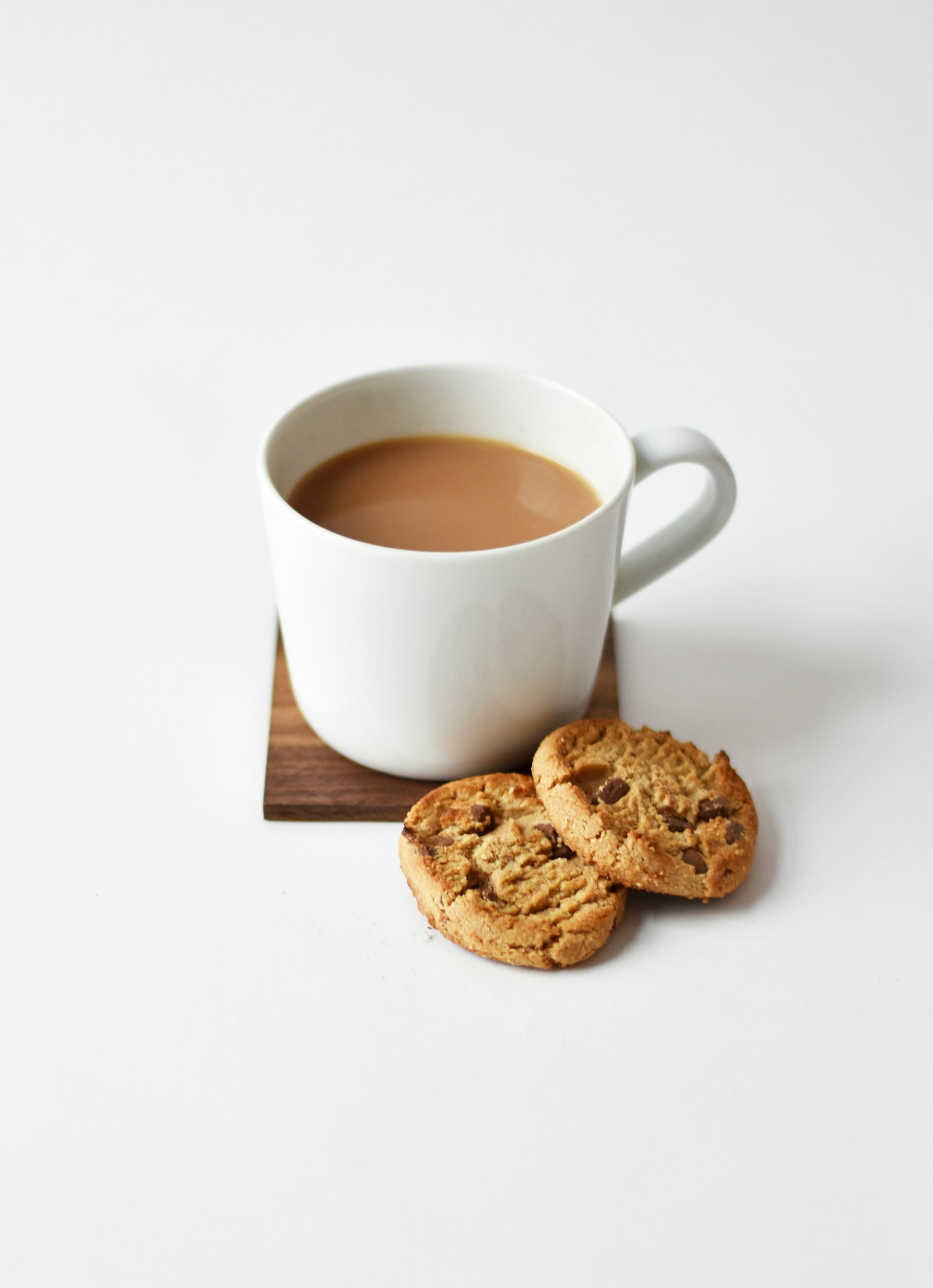
3. Why does it fit so well back into lighter milk-tea structure in 2026?
Because what light milk tea lacks now is no longer lightness itself. What it lacks is memorability after becoming light. Thick milk and cream-heavy drinks used to generate presence by themselves. But 2026’s stronger direction is to push milk slightly backward, move tea slightly forward, and make the whole cup easier to drink more often. Once brands do that, many products risk becoming too flat. Rose pu'er becomes useful at exactly this point: it adds aromatic layering back into lighter milk structures without pushing the cup all the way back toward sweetness in the way some warmer floral profiles do.
More precisely, rose gives light milk tea style, while pu'er gives it center of gravity. Rose without pu'er can become too airy. Ripe tea without rose can become too closed. In a lighter milk structure, the two together can create a texture that is increasingly valuable now: smooth but not muddy, substantial but not oppressive, floral but not perfumed, tea-led but not old-fashioned. For stores trying to sell “lighter milk, but not boring” or “a bit more mature, but not heavy,” that combination is extremely practical.
This also shows why rose pu'er should not be treated only as an old hot-drink concept. What makes it newly relevant is that it can be rewritten through contemporary lighter milk logic. Consumers are not asking for yesterday’s rose pu'er. They are asking for a version that fits current daily rhythm: lighter cup weight, lower sugar, less milk, clearer tea, but still with that mature, stable, lightly Chinese floral finish intact. Any store that can hold that balance well can turn it into a durable product rather than a one-off sentimental name.
4. Why does it also fit naturally into the after-meal cup and the evening cup?
Because rose pu'er is not naturally a first-thing-in-the-morning, hard-reset, commuter-caffeine drink. Its deeper advantage is in carrying and closing. That aligns closely with the site’s earlier themes of the after-meal cup and night-oriented tea drinks. After a meal, many consumers do not want something too juice-like, too milky, or too aggressive, but they also do not want plain water. Rose pu'er offers a strong middle answer: it has flavor but not attack; some floral mood value but not dessert-like comfort; some stable tea depth but not an overly elderly or medicinal tone.
The evening scene works in a similar way. At night, many people do not want the most awakening drink, and they do not necessarily want the most indulgent one either. They want something with some content, some emotion, and some shape, but without bodily heaviness. Rose pu'er works because it offers closure. It helps someone step back from the pace of daytime, but not all the way into blankness. It is relatively quiet without becoming dull. In 2026 that matters a lot, because more stores are fighting for those less dramatic but extremely high-frequency consumption moments.
It also carries a strong Chinese-language advantage around after-meal logic. Compared with products that require serious explanation, rose pu'er is very easy to justify. Consumers may not describe the structure analytically, but they will naturally feel that after a meal this sounds smooth, and at night when they do not want too much milk, this also sounds smooth. That feeling of “this seems right right now” is not a minor thing. It is one of the core psychological entrances to repeat ordering.
5. Why does it feel more mature than many floral milk teas without having to become old-fashioned?
This is one of its most interesting strengths. Many floral milk teas end up in one of two traps: either they become too young and candy-like, or they become too traditional and overly explanatory. Rose pu'er’s real potential lies in the middle. It has a mature backbone because ripe pu'er naturally provides stability and finish. But it also has enough lift because rose prevents the drink from collapsing into pure tea heaviness. In that sense, it wins less through nostalgia than through maturity.
The difference between maturity and old-fashionedness is a matter of measure. Old-fashionedness tends to mean too heavy, too slow, too thick, too invested in proving tradition. Maturity feels more like control, boundary, and composure without pressure. Consumers in 2026 are increasingly willing to pay for that state because it lets them avoid childish sweetness without forcing them into a serious tea connoisseur posture. Rose pu'er fits that middle space well: it looks a little Chinese, a little considered, but is still absolutely an everyday freshly made tea drink rather than a ceremonial object.
That is also why it differs from many floral fruit-tea lines. Those are better at selling freshness, seasonality, and weather. Rose pu'er is better at selling steadiness, middle tone, after-meal use, evening use, and a slightly more mature rhythm of life. It will never be the right cup for everyone, but it is especially strong for consumers who are already tired of highly homogenized, fresh-and-floral products yet do not want to go back to thick milk tea. That consumer group is growing in 2026, which is one reason rose pu'er feels newly important.
6. Where are the limits of this trend?
First, rose pu'er is very easy to make sound more mature than it actually drinks. That is probably its biggest risk. The words “rose” and “pu'er” already carry Chinese, steady, thoughtful, and less-sweet connotations, so a store can win some language advantage before the liquid proves anything. But if the tea base is weak, the rose is just surface aroma, or the milk is not handled properly, consumers will notice quickly: the name sounds right, the cup drinks ordinary. Unlike very strong or very sweet products, this kind of restrained cup cannot hide structural weakness behind blunt force.
Second, rose pu'er does not automatically mean lower burden or healthier drinking. It can certainly be read as lighter than thick milk tea or steadier than high-sugar dessert drinks, but that is first a matter of flavor feeling and scene fit, not guaranteed nutritional truth. Actual burden still depends on sugar level, milk volume, cup size, and overall formula. Stores can use rose pu'er to manage a more repeatable position, but they cannot treat the phrase itself as a shortcut that makes any recipe lighter.
Third, it is not meant for every time of day. For a first morning cup, for immediate heat relief, or for strong wake-up demand, it may lose to lemon tea, Oriental iced tea, or sparkling tea. Its strongest scenes are the ones that require carrying, smoothing, and closing. In other words, one of rose pu'er’s strengths is precisely that it is not universal. Stores that understand that will usually manage it more clearly.
7. Why does this deserve a place in the site’s broader 2026 drinks map?
Because it shows once again that fresh tea is moving from “more and more flavors” toward “clearer and clearer flavor identities.” The site’s earlier piece on floral aroma + tea-base signatures handled naming and identity. The return of light milk tea handled the rebalancing of milk and tea. The after-meal cup and night-oriented tea drinks handled time and state. Rose pu'er stands at the intersection of all of them: it is part of the floral tea-base language, one mature solution inside lighter milk structure, and a natural bridge to after-meal and evening scenes.
That means its importance is not that it is an isolated hot topic. Its importance is that it gathers several mid-level shifts into one visible product form. Stores are becoming more serious about distinguishing among floral personalities and tea-base functions. They are more serious about building lighter but not boring milk structures. They are more serious about writing finer moments of the day into the menu. Rose pu'er deserves separate attention not because it is the noisiest part of 2026, but because it is one of the clearest ways to see those quieter but more durable changes happening at once.
In the end, what its return reveals is a growing need for mature everyday tea drinks: not heavier, not sweeter, not stranger, but steadier, smoother, more clearly identified, and more suited to particular moments. As long as that demand continues, rose pu'er will remain more than an old menu name. It will stay as a floral ripe-tea branch worth tracking inside the 2026 drinks map.
Continue reading: Why brands started writing “floral aroma + tea base” as signatures, Why light milk tea became a main character again, Why stores are competing for the after-meal cup, and Why tea drinks are becoming more night-oriented.
Sources
- Related in-site features on floral aroma + tea-base signatures, tea-base identity, light milk tea, after-meal tea drinks, and evening tea drinks (March-April 2026).
- CHAGEE | Oriental iced tea series (used as a reference for how 2026 brands keep writing tea base, floral language, and product identity into repeatable menu grammar).
- Guming official site (used as a reference for how leading chains continue to build high-frequency everyday drinking logic around “drinkable every day” positioning).