Why China’s New Tea Chains Are Suddenly Giving Their Tea Bases an “Identity Card”: From Seven-Scent Jasmine to Jinguanyin and Chenpi Pu-erh, Menus Are Teaching Mass Drinkers to Notice Tea Again
Published: · Updated:
A noticeable shift has been taking place across Chinese tea-drink menus, product pages, and social-media discussion. Brands are no longer content to say only that a drink is light, low-sugar, or made with “real tea.” Instead, they increasingly push specific tea-base language to the front: seven-scent jasmine snow buds, Jinguanyin, chenpi pu-erh, glutinous-rice green tea, Da Hong Pao, lapsang souchong, mountain oolong. These are not just internal product-development terms anymore. They are being repackaged as consumer-facing selling points. That matters because it suggests that competition in China’s new tea market is moving one step beyond generic “cleaner” language and toward a more explicit fight over recognizable tea identity.
If several of our recent pieces—on ingredient transparency, the light milk tea race, fruit tea’s return, and the bottled unsweetened tea comeback—all pointed to a broad consumer desire for drinks that feel cleaner, lighter, and more believable, then this article deals with what happens after that demand matures. Once every brand has learned to say “real tea,” “low burden,” and “less added,” what comes next? The obvious answer is specificity. If “real” becomes a generic promise, brands need a more concrete way to explain what is real about their tea.
That is where the idea of a tea-base “identity card” comes in. It is not a literal label so much as a new explanatory system. Brands are using more complete tea-base names, more visible references to process or origin, and more explicit flavor descriptions—floral, roasted, aged citrus, grainy, herbal—to pull tea differences back into view. For brands, this is differentiation. For consumers, it becomes a new way to compare and remember. For the Chinese internet, it is ideal discussion material: it can create the thrill of discovery—“so this drink isn’t just generic milk tea”—while also inviting skepticism—“does it really taste as specific as the copy claims?”
When menus start naming seven-scent jasmine, Jinguanyin, or chenpi pu-erh, the contest is no longer just over whether a drink contains tea, but over whether that tea can be clearly recognized.
1. Why now? Why are brands suddenly naming tea bases so much more precisely?
Because broad “light burden” language is no longer enough. For several years, the most common keywords in Chinese tea-drink marketing were low sugar, light milk, less added, real tea base, zero trans fat, zero creamer, and freshly brewed tea. Those phrases worked. They helped educate the market. But once everybody learns to use them, the terms lose sharpness. Consumers start to hear the same script everywhere. If every chain claims to be lighter, cleaner, and more “real,” then none of those claims is enough on its own.
So brands make “real” more specific. Instead of saying only green tea, oolong, or black tea, they say jasmine snow buds, Jinguanyin, chenpi pu-erh, glutinous-rice green tea, roasted oolong, or floral oolong. Sometimes they add further signals: seven scentings, a particular roasting style, a regional tea area, aged chenpi, or floral blending. This does two things at once. It gives brands a new layer of differentiation, and it makes the drink feel less like a vague functional object and more like something with an internal structure.
Just as importantly, today’s consumers are prepared to receive this language. Most are not tea professionals, but they have already been trained to recognize basic flavor-style differences. They may not be able to explain them in technical terms, but they can understand that jasmine implies lift and fragrance, oolong implies depth, chenpi pu-erh suggests warmth and maturity, and glutinous-rice green tea promises a strange but memorable profile. Once those cues are placed on menus often enough, they start to shape how people choose.
New tea brands no longer want consumers merely to notice that a drink contains tea. They want them to notice what kind of tea it is supposed to be.
2. How is this different from ingredient transparency? Related, yes—but not the same thing
Ingredient transparency addresses trust. It asks whether the brand is shrinking the black box: are you telling me clearly what this product is, or are you hiding behind vague health language? Tea-base identity addresses recognition. It asks: now that you claim to be clear, can you also tell me what makes this drink distinct from the next one?
In other words, transparency answers “are you concealing something?” Tea-base identity answers “who exactly are you?” The first is a baseline. The second is an upgrade. Without transparency, tea-base language can feel hollow. But with transparency alone, brands still risk sounding interchangeable. What makes the current moment interesting is that the market seems to be moving from dream-selling toward explanation-selling, and stronger explanation almost always means more detailed naming.
That helps explain why some tea-chain product pages now read more like compressed tea introductions. This does not mean those brands are becoming traditional tea firms. It means they have realized that a mature consumer market needs sharper vocabulary. Low sugar and light milk might still win the first click, but repeat purchase requires a more stable memory hook. A named tea base is one of the cheapest and most efficient hooks available.
3. Why are terms like seven-scent jasmine, Jinguanyin, chenpi pu-erh, and glutinous-rice green tea so good at spreading online?
Because they carry three communication advantages at once. First, they create productive unfamiliarity. Many consumers do not fully know these terms, which immediately produces curiosity. Second, they remain explainable. They are not so technical that people shut down. They sit in that highly useful middle zone between specialist language and everyday language. Third, they can be turned into personality. Seven-scent jasmine suggests something high-toned, floral, polished. Chenpi pu-erh suggests something darker, older, more adult. Glutinous-rice green tea has built-in memorability and even a slightly playful weirdness.
These terms are stronger discussion triggers than generic “jasmine milk tea” or “oolong milk tea” because they offer both narrative and contestability. Brands can tell a richer story, but consumers can also push back: does it really taste like that? Is the specificity real or just decorative language? That tension is exactly what gives the topic legs online.
That is also why this trend differs from the recent kale drink wave. Kale-heavy drinks spread through body-management imagery, health anxiety, and striking green visuals. Tea-base identity spreads through flavor-culture language. Both have viral potential, but their emotional engines are different.
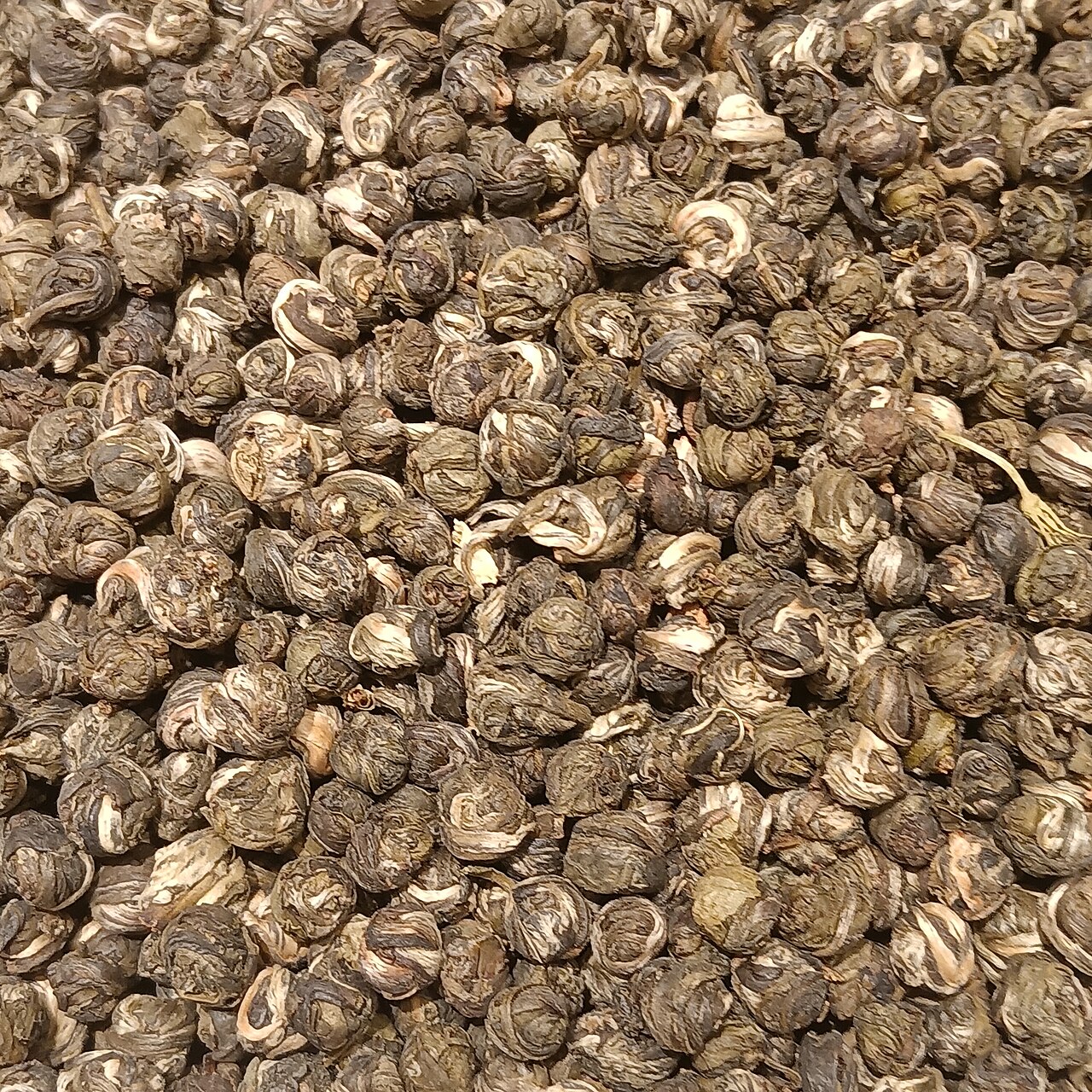
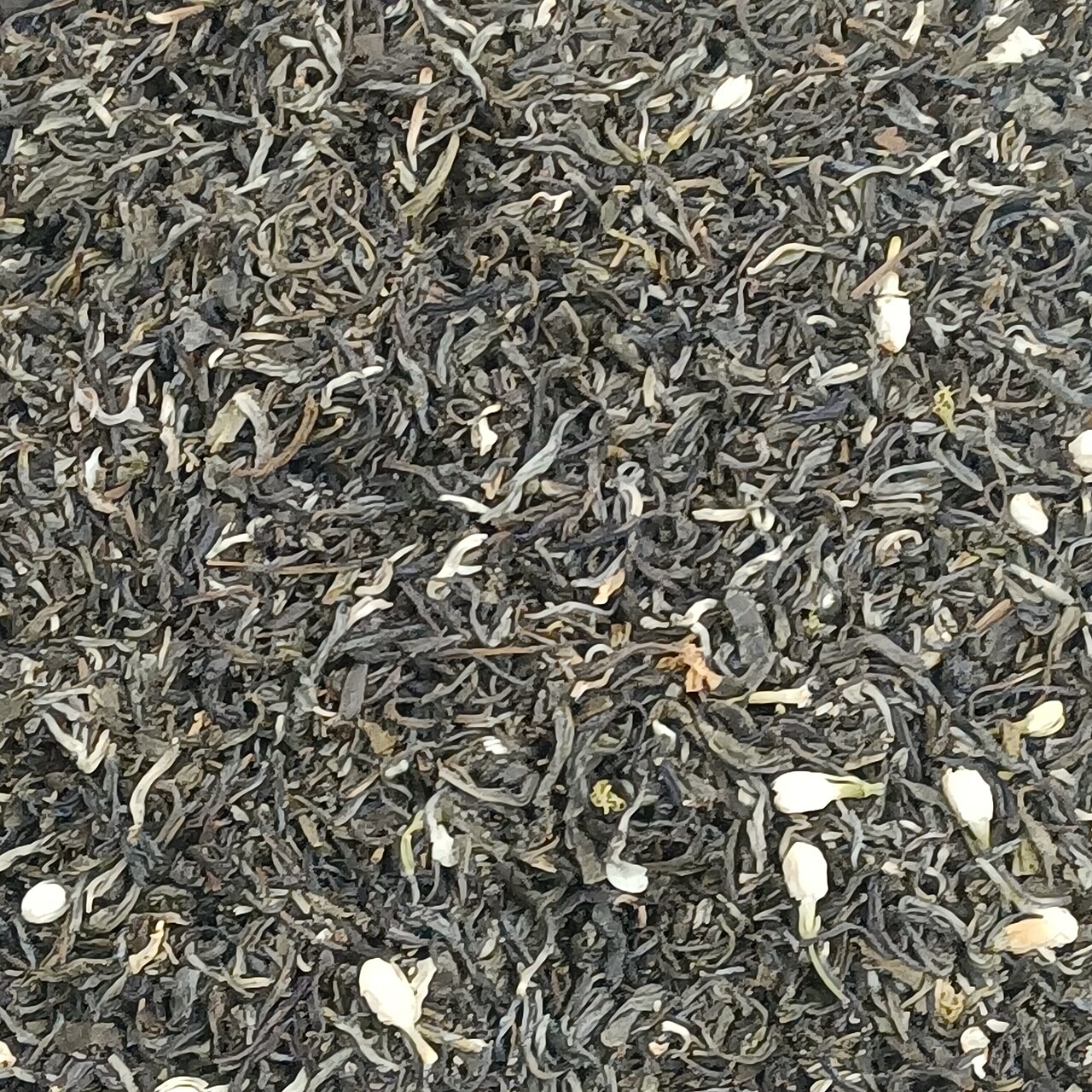
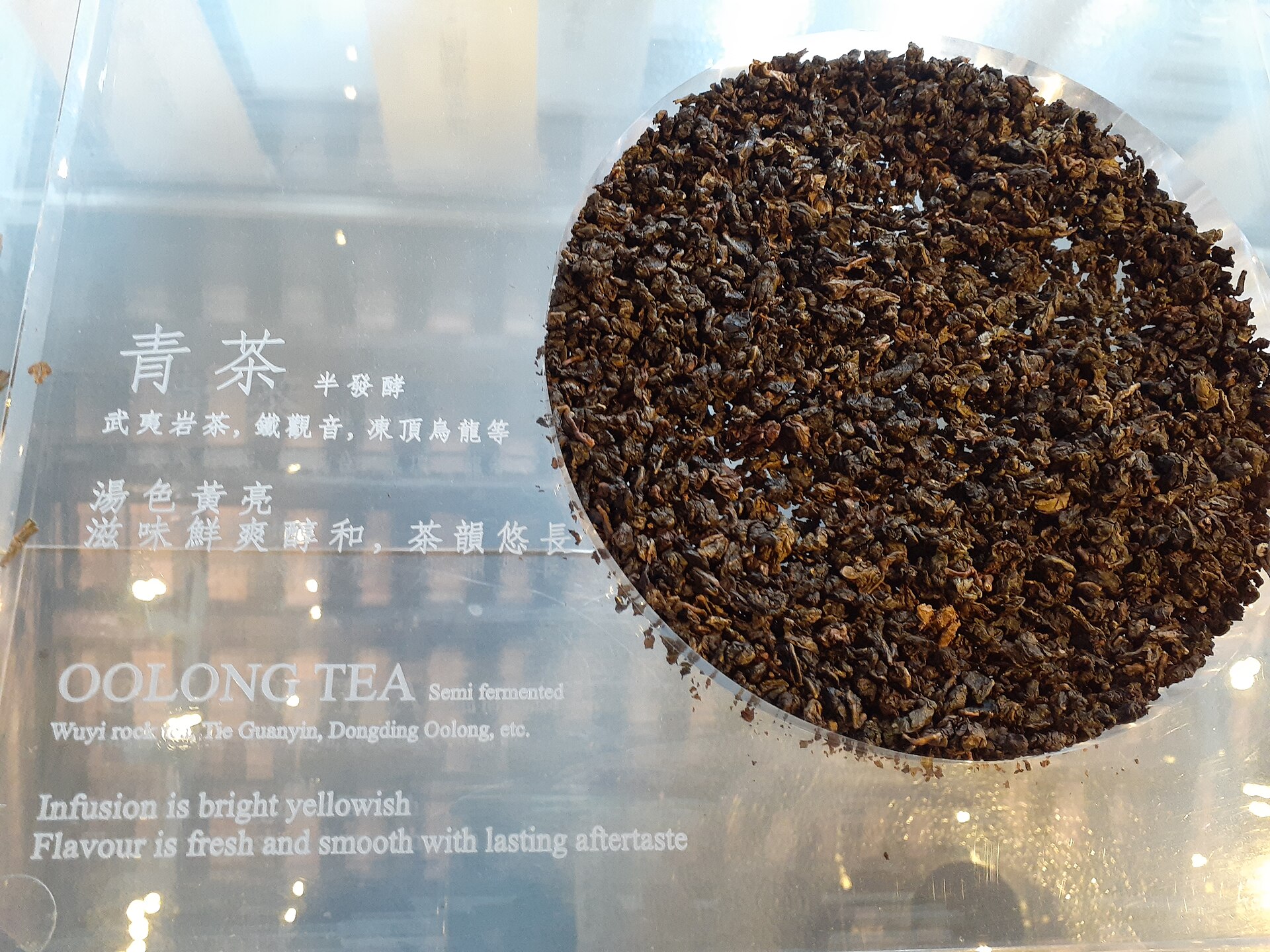
Floral tea bases are especially easy to push into menu language because consumers can imagine them quickly and attach them to a clear flavor personality.Oolong, chenpi, and roasted profiles let brands sell not only lightness, but also depth, maturity, and structure.
4. Why are menus starting to look like compressed flavor guides?
Because tea drinks have entered a stage where differences must be explained, not merely implied. Earlier menus mainly served ordering efficiency: sugar level, milk level, toppings, cup size, hot or iced. Now menus are increasingly functioning as compact flavor guides. Not because brands suddenly became scholarly, but because the ordering surface itself has become the main educational interface. Consumers may not read long essays, but they will read menus. And if a menu repeats the same vocabulary often enough, it changes what people think counts as a meaningful difference.
Today menus foreground not only tea-base names but also fragrance direction, roasting level, whether flowers are scented in, whether chenpi is used, whether a note is herbal or grain-like, whether juice is added to tea, whether the milk is “real,” whether creamer is absent, whether trans fat is absent. All of that pushes what used to belong to internal product logic into external consumer logic. Put simply, brands are teaching people to read drinks more like tea—at least more like tea-flavored tea drinks rather than anonymous sweet beverages.
That is why this feels bigger than a seasonal launch. A hit launch may fade in months. A successful rewrite of menu language can reshape the entire market for much longer. Over time, consumers may move from asking only “which drink is hottest?” to asking “do you prefer floral, roasted, aged-citrus, or fresher green-tea styles?” That is the beginning of a more stable flavor map.
For most people, tea-drink education does not happen in a classroom. It happens in the half-minute before ordering, when the menu teaches them what to notice first.
5. Is this still marketing? Of course. But it is marketing that has become harder to fake
There is obviously marketing involved. Brands do not use seven-scent, aged chenpi, roast terms, or named tea cultivars for purely neutral reasons. But “marketing” does not mean “empty.” A better way to put it is that the packaging has become finer-grained—and fine-grained packaging invites fine-grained scrutiny. In the past, saying “real tea base” was often enough. Now if you say Jinguanyin, chenpi pu-erh, or glutinous-rice green tea, consumers feel more entitled to test whether the taste actually matches the wording.
That means the tea-base identity trend is pushed by brands but not fully controlled by them. One thing the Chinese internet does very well is turn brand-owned narratives into public comparison games. The more specific the copy becomes, the more likely people are to rank, test, parody, compare, and search for substitutes. That pressure can push brands in two directions: either they really improve flavor recognizability, or they are quickly exposed for dressing up ordinary drinks in better words.
In that sense, this trend is the twin of the trust fight around transparency. One pressure asks brands to reduce opacity. The other asks them to increase distinction. The strongest brands will likely need to do both at once: make consumers believe them, and make consumers remember what exactly they are claiming.
6. Why does this matter in a broader Chinese tea context?
Because it suggests that tea difference is returning to the front of mass beverage culture. For years, tea bases certainly existed in modern chain drinks, but they were often background structure rather than foreground identity. Now brands are making tea type, floral scenting, roast, aged notes, and grain-like notes more visible. That is another way of saying they are bringing tea distinctions back into public conversation.
This is not the same thing as traditional tea study. It is compressed, translated, commercialized, and menu-ized. But it is still closer to living tea culture than a market where every drink collapses into one generic sweet template. As long as large numbers of consumers are still being trained to notice differences among tea bases, tea itself has not vanished into a purely decorative keyword. It is still shaping taste, even if through a faster and more commercial channel.
That is why this topic belongs in the drinks section. It is not a single-brand story or a short seasonal blip. It is a structural shift in language: tea-drink brands no longer want to sell just “drinks with tea in them.” They want to compete over tea flavor identities that can actually be recognized.
7. The real test ahead is not who writes the most elaborate copy, but who can make consumers say: this is the tea base I actually prefer
The trend does not end at language. Naming seven-scent jasmine or chenpi pu-erh is only the beginning. The real question is whether repeat buyers begin forming stable preferences: I really like the higher floral lift of this one; I prefer the darker roast in that one; I want the maturity of chenpi pu-erh; I remember the glutinous-rice note here better than anywhere else. Only when that kind of preference becomes durable does tea-base identity turn from copywriting into brand asset.
If that happens, China’s tea-drink market starts to look less like a carousel of disposable seasonal hits and more like a field with lineages, camps, and flavor loyalties. That would make the next phase of drinks writing richer too, because it opens the door to more detailed flavor maps, sharper brand-language comparison, and clearer reporting on how consumers learn to choose.
If it fails, the outcome is simpler: every brand writes more complicated tea words, but consumers conclude that everything still tastes roughly the same. That is exactly what will be most worth watching over the next stretch.