Tea-drink trend watch
Why Tea Chains Are Turning “Floral + Tea Base” into Signature Menu Language: From Rose Pu-erh and Osmanthus-Oolong Styles to Floral Oolong, They Are Selling More Than Aroma
If our previous feature on spring floral lines focused on why floral notes became a full seasonal product language in spring 2026, this piece moves one step further. Why are more chains no longer satisfied with writing only floral, fresh, or spring-like? Why are they pushing fuller names—rose pu-erh, osmanthus-oolong, floral oolong, magnolia-style milk tea—toward the front of the menu? The answer is that floral language inside modern tea drinks is shifting from atmosphere and decoration toward a more stable, more comparable, and more memorable flavor identity.
This matters because it sits directly on top of several other changes already visible across the site. Tea bases now come with an identity card, which means brands no longer want to say only “real tea base.” Light milk tea has returned to the center, which means milk has to sit more lightly and leave more room for tea. And ingredient language is becoming clearer, which means chains increasingly need to explain what a cup actually is. In that context, the combination of floral aroma and a specific tea base becomes especially useful: it preserves the emotional value of flowers while giving the product more structure than a vague “this tastes like spring” line.
Seen this way, the signature logic is already fairly clear. Rose is no longer just a little floral accent but is written together with pu-erh, oolong, or black tea as part of the drink’s main identity. Osmanthus is no longer just a side note but can be organized into names that feel like proper repeat-purchase items. Peach aroma, magnolia, and orchid-like notes are increasingly bound to specific dairy bases, juices, and oolong / black-tea structures. Put simply, chains are upgrading floral language from a flavor adjective to a flavor calling card.
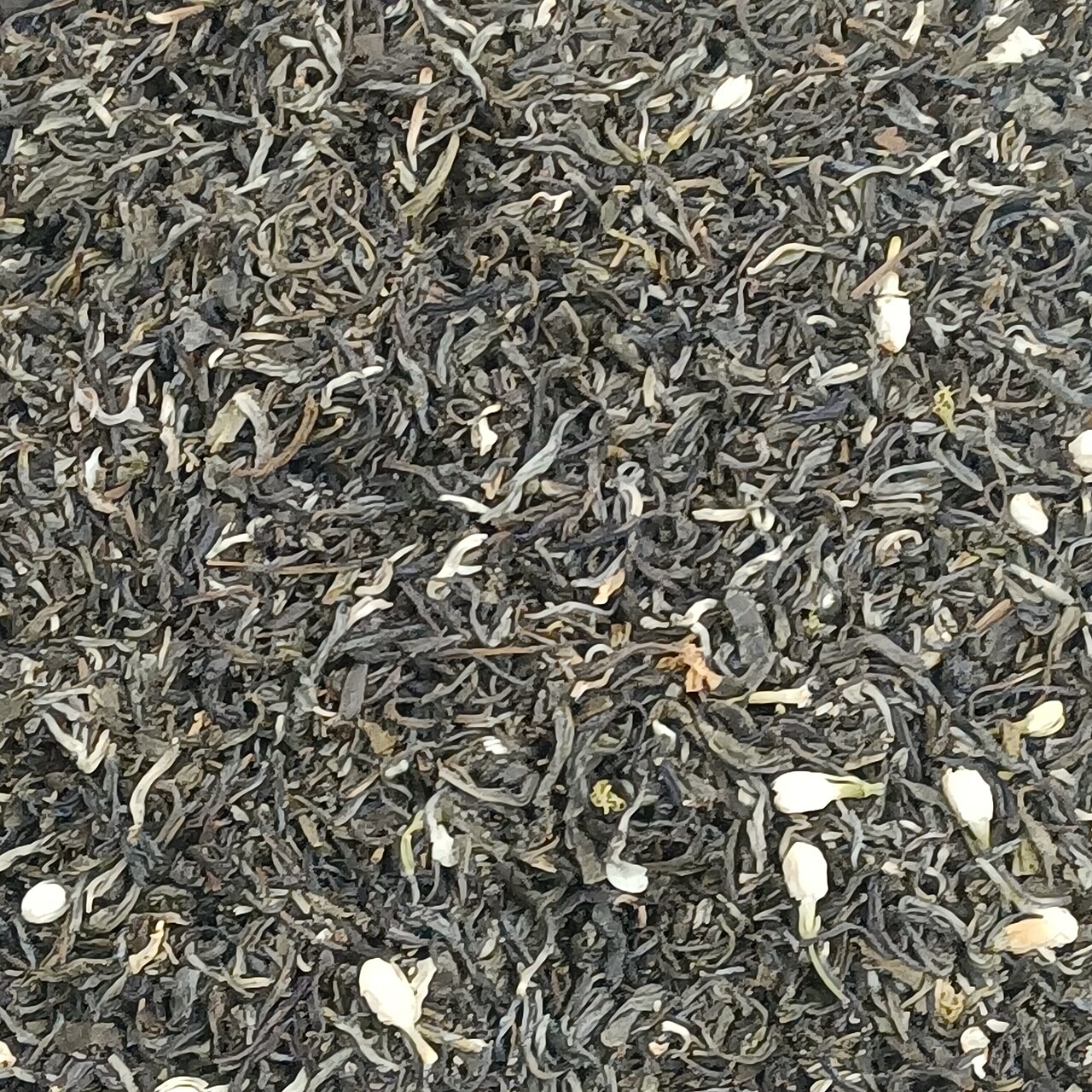
1. Why are chains in 2026 so eager to build signature combinations of “floral + tea base”?
Because “floral” by itself is no longer strong enough. Floral terms were already common in tea drinks before, but they often behaved like seasonal mood patches: they looked beautiful on a poster and sounded light inside a product name, but once the seasonal campaign faded, they struggled to support long-term memory. Consumers might remember that there was a floral launch recently, but not which drink it was, and certainly not build a stable preference around it.
But once floral notes are tied directly to a specific tea base, the situation changes. Names like rose pu-erh, osmanthus-oolong, floral oolong, or magnolia milk tea have more internal structure than “rose-flavored milk tea” or “light floral milk tea.” They no longer describe only what the drink tastes like. They tell the buyer where the drink’s center of gravity, tea direction, and overall personality are supposed to be. Even consumers without strong tea knowledge can quickly grasp some comparison cues: rose + pu-erh suggests something darker, older, and deeper; osmanthus + oolong suggests something brighter and cleaner; peachy oolong with milk feels softer, smoother, and more suited to high-frequency repurchase.
Just as importantly, this combination fits today’s competition. Brands can no longer distinguish themselves for long by repeating generic terms like lower sugar, real tea, and clean refreshment. Everybody uses those words, so the words lose value quickly. A “floral + tea base” expression offers something more concrete and memorable. It moves the product one step beyond “this cup is lighter” toward “what kind of lightness, what kind of aroma, and what kind of tea feeling is this exactly?”
In other words, signature floral naming is really part of the same broader process as tea-base identity. It is not a separate line from the tea-base identity-card trend. It is that trend translated into something more public-facing, more spreadable, and better suited to the language of the menu.

2. How is this different from the “spring floral line” story? It is not only seasonal—it is a longer-term upgrade in menu language
It is easy to blur these two developments together, but they are not the same. A spring floral line asks why brands turn floral notes into a clustered seasonal program in spring. Signature “floral + tea base” naming asks why, even beyond spring, chains are increasingly willing to write the relationship between floral aroma and a concrete tea base more explicitly, almost like a fixed identity card. The first is more about seasonal operation. The second is more about long-term menu structure.
That helps explain why many floral drinks now do not read only as “spring limited” products. They read instead like products that could remain on the menu much longer. Rose pu-erh does not depend on spring in any strict way. Neither do names and structures organized around osmanthus-oolong or magnolia-red-tea milk blends. Their stability comes from the fact that floral aroma is being written together with tea base, dairy feel, and fruit expression as the inner logic of a cup, not merely as a visual seasonal flourish.
From the consumer side, this matters a great deal. It means chains are no longer using floral notes only to create the mood of “something I want right now.” They are also trying to cultivate more durable preferences: I like this kind of floral oolong; I prefer floral black-tea styles; I tend to choose rose pu-erh expressions. Once that preference starts to exist, floral language stops being a seasonal gimmick and begins to look like a stable position on the menu.
3. Why do floral notes work so well when written together with a specific tea base? Because floral aroma drifts easily unless it has a landing point
Floral aroma is not like heavy dairy or strong fruit. Heavy dairy can generate presence on its own, and strong fruit can seize the front of the palate quickly. Floral notes cannot. Without a tea base to support them, they easily become something that smells attractive but leaves little memory once the drink is gone. That is why floral products are especially vulnerable to a split between a beautiful name and an under-structured mid-palate.
A specific tea base provides the landing point. Tie rose to pu-erh and consumers expect something less airy and more grounded, with a darker tea skeleton. Tie osmanthus to Minnan oolong or Jinguanyin-style profiles and people read a cleaner, brighter, more fruit-flower direction. Pair magnolia, orchid-like notes, or peach aroma with black tea, oolong, and fresh milk, and the product becomes rounder, smoother, and more suited to daily milk-tea consumption.
Put very directly, the tea base turns floral aroma from a smell cue into a drinkable structure. Once that happens, floral notes stop being mere adornment and become part of the drink’s personality. That is exactly why floral naming works so well as a signature strategy today. It has recognizability without the prohibitive barrier of extremely niche flavors. It feels elegant, but it is still easy for mass consumers to translate into “I think this is the kind of thing I would like.”
This is completely aligned with our earlier feature on tea-base identity. That article focused more on how menus are writing tea-base names more seriously. This one asks what happens after those tea bases are tied to floral notes and upgraded from explanation into signature tags.
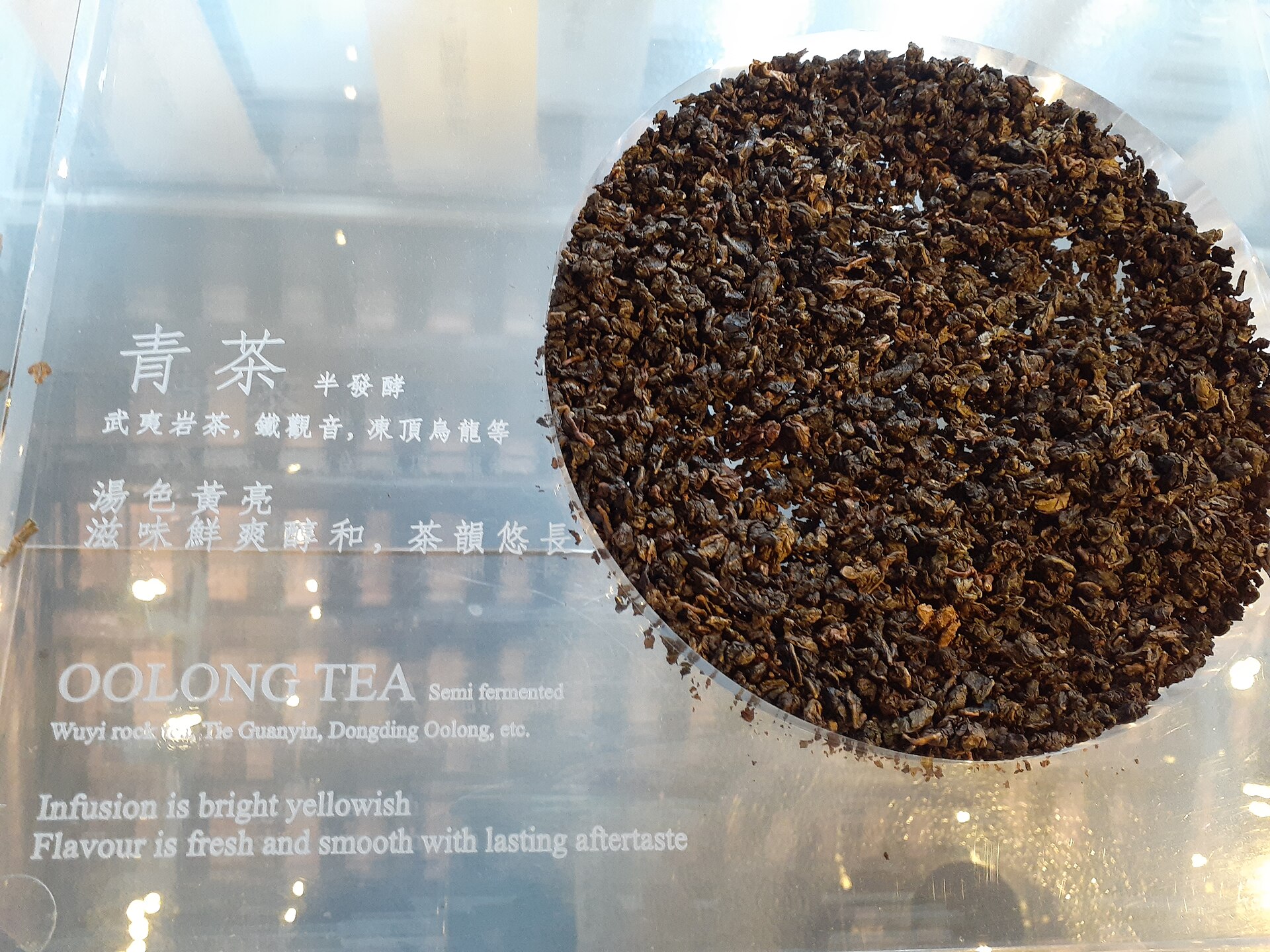
4. Why does this connect so naturally with light milk tea and fresh-milk tea?
Because floral aroma needs to be supported—but not flattened by milk. Its two great risks are emptiness and heaviness. If the cup is too thin, floral notes remain only on the aromatic surface. If it is too thick, milkiness, sugar, or jammy fruit can crush the whole floral layer. That is why the most suitable carriers for signature floral naming today are often not extreme dairy builds or over-built fruit drinks, but lighter milk / fresh-milk structures that support floral without smothering it.
That is also why many recent floral signatures do not sit entirely inside pure tea or old heavy milk-tea logic. They tend to occupy the middle space: light fresh-milk tea, lighter fruit-dairy hybrids, fresh-milk oolong, or other lower-burden milk-tea structures. What they sell is not explosion-level satisfaction but a repeatable balance: aroma on entry, tea character in the middle, and a bit of milk or juice at the end to close the structure.
From the operating side, this balance is extremely useful. It satisfies the everyday consumer desire for something lighter while avoiding the emptiness of drinks that feel too close to flavored water. Floral + light milk / fresh milk is really one more answer to the same market question: how do you make lightness feel real without making it feel hollow? It is not surprising that brands increasingly like this solution.
And that is why signature floral naming is not just an aesthetic upgrade. It is a repeat-purchase upgrade. The floral products that stay on the menu are not the ones with the prettiest copy. They are the ones that tune floral aroma, tea feel, milk feel, sweetness, and mouthfeel into a frequency band people can keep buying.
5. Why are these names more spreadable than “fresh floral” or “spring limited”? Because they are easier to discuss, compare, and take sides on
The Chinese internet rarely spreads only what looks nice. It spreads what looks nice, is easy to understand, and is easy to compare. Names like rose pu-erh, osmanthus-oolong, and floral oolong are stronger discussion objects than something like “fresh floral light milk tea” because they give people a more definite object to talk about. You can say you prefer the deeper mood of rose pu-erh. You can say you like the brighter fruit-floral lift of floral oolong. You can criticize a product for having a beautiful name that the cup never actually delivers.
That means the advantage of signature-style naming is not beauty alone. It is that the name is built for circulation. A spreadable product name usually needs at least a few qualities: some visual imagination, some internal structure, a little threshold but not enough to frighten people away, and ideally the feeling that “I can roughly see how this differs from the next one.” Floral + tea-base combinations satisfy those conditions almost naturally.
And there is a second-order effect. The more specific the name becomes, the more specific the test becomes. Once a brand writes rose pu-erh or osmanthus-oolong at the front of the menu, consumers feel more entitled to ask whether the relationship is actually present in the drink. That creates pressure, but it is healthy pressure: it pushes the product from pretty language toward language the cup can actually support.
6. Why does this matter for the drinks section? Because chains are competing over memorable flavor identity, not just single launches
What makes this worth putting into the drinks section is not simply that a few of these names sound good. It is that they reveal a more structural shift. Competition between chains is moving, little by little, from “who can do a limited launch better” toward “who can operate a more memorable flavor system.” Floral language is just one especially visible and especially writable part of that larger change.
Read beside other recent site features, the line becomes clear. Ingredient transparency makes the cup less like a black box. Tea-base identity tells consumers what tea they are actually drinking. Light milk tea’s return moves milk backward and tea forward. And signature “floral + tea base” naming gives that entire logic more personality, more spreadability, and a better chance of staying in repeat-purchase memory.
It shows that brands are no longer satisfied with selling drinks that merely have tea, have floral aroma, or feel lighter. They want to sell which floral aroma, which tea feeling, and which overall cup personality this actually is. If that direction continues, future menu differentiation may depend less on sugar level or topping count and more on whether consumers really build a stable preference for a particular floral-tea-base combination.
If that preference forms, signature floral structures will not remain short-lived spring hot words. They will become formal menu calling cards that chains rewrite, refine, and compare year after year. If that happens, names like rose pu-erh, osmanthus-oolong, floral oolong, and magnolia-style structures will look, in retrospect, like a very clear turning point: the moment chains stopped writing simply “more fragrance” and started writing “who this cup is.”
Related reading: why tea chains are seriously operating spring floral lines, why tea base now comes with an identity card, why light milk tea returned to center stage, and why ingredient transparency, real tea bases, and fewer additives became tea-drink hot topics.
Source references
- CHAGEE | Oriental Iced Tea series
- CHAGEE | Fresh Milk Tea series
- Guming official site
- Related site features on spring floral lines, tea-base identity, light milk tea, and ingredient transparency (March 2026).