Fresh tea drink feature
Why Tea Drinks Are Becoming More Night-Oriented in 2026
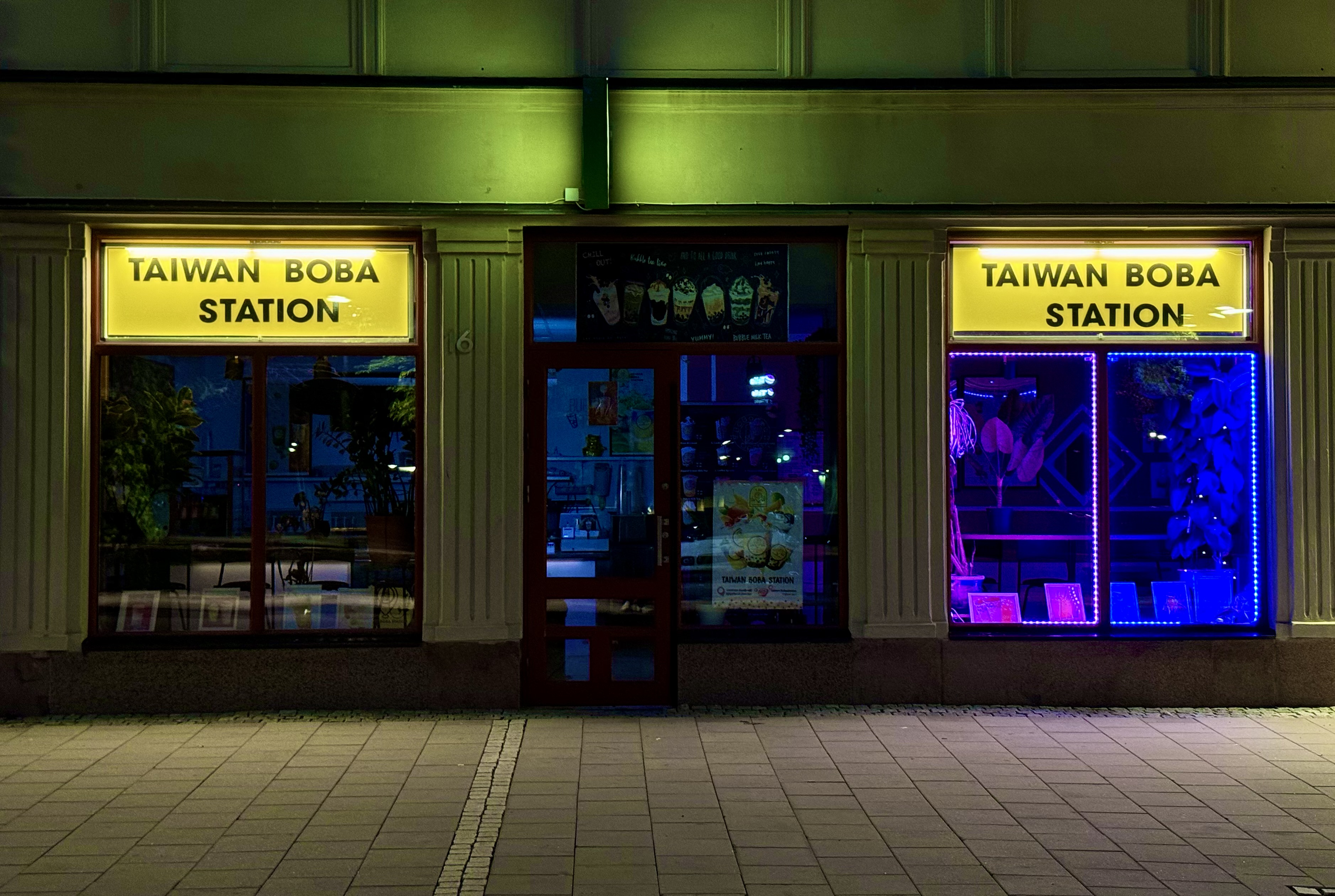
If an earlier round of tea-drink discussion was about winning the first cup of the morning and the cup that carries the workday afternoon, another shift in 2026 is becoming increasingly worth tracking on its own: tea chains are starting to compete more seriously for the night. This does not simply mean extending store hours or continuing to sell sweet milk tea to late-night snack traffic. It means brands are more deliberately reorganizing product language, store atmosphere, and the logic of why a drink feels reasonable after dinner, during an evening walk, after overtime, or before and after a night snack.
That matters because night consumption is not the same as afternoon tea, and it is not the same as breakfastization either. Breakfastization is about efficiency, support, and not starting work on an empty stomach. Afternoon tea is about reward, social energy, a lift, and emotional compensation. Night-oriented tea is more complicated. It has to answer the desire to keep holding something, while avoiding drinks that feel too heavy, too sweet, too stimulating, or too much like an extension of daytime pressure.
For many urban consumers, what they want at night is not a hard jolt and not an obviously indulgent dessert in a cup. They want something gentler, quieter, and more in tune with evening rather than with daytime momentum. That is why a cluster of signals now starts to matter together: lower-stimulation or softer tea bases, lighter milk structures, calmer flavor naming, cups suited to walking or unwinding, and stores that feel less like peak-hour production lines and more like nighttime neighborhood supply points. Not all of them explicitly say “good night” or “night-only,” but together they move tea drinks into a more defined evening setting.
What this feature is tracking
Main question: why modern tea chains are competing more seriously for the night slot Key threads: lower-stimulation tea bases, lighter milk textures, after-dinner walks, post-overtime purchase habits, pre- and post-night-snack drinking, lighting and pace in stores, emotionally soothing consumption For readers trying to understand why tea drinks are no longer organized only around afternoons and commutes, but around finer slices of urban time
1. Why does this night-oriented shift start to feel convincing in 2026?
Because urban consumption is increasingly not just daytime consumption. Many people do not finish work early, and after-dinner social life is often not intense enough to send them straight into bars, dessert shops, or heavy eating occasions. Night snacks can feel too heavy. So a very real gap opens up in the city: people still want something in hand at nine, ten, or later, but that thing should ideally not feel too filling, too sugary, too stimulating, or too much like a continuation of work mode. Tea drinks have a good chance of fitting that gap.
Tea also has an advantage over coffee here. Coffee certainly has night scenarios, but for many consumers “coffee at night” still carries a stronger sleep penalty and a clearer expectation of stimulation. Tea drinks can be framed as a much softer transitional object: flavorful, lightly companionable, mildly ritualized, but not necessarily committed to pulling the body back into full daytime mode. That in-between position—between drinking nothing and drinking something too heavy—is what makes the night slot increasingly viable.
There is also a practical retail reason. Once the peak rush is over, stores are under less pressure, the atmosphere loosens, and consumers are more willing to read a menu a little more slowly. Drinks that depend less on explosive sweetness and more on layered flavor or scene-fitting language have more room to land. Daytime can be too fast for subtlety. Night gives subtlety more space.
2. Night-oriented tea is not the same thing as health. It is a quieter form of justification.
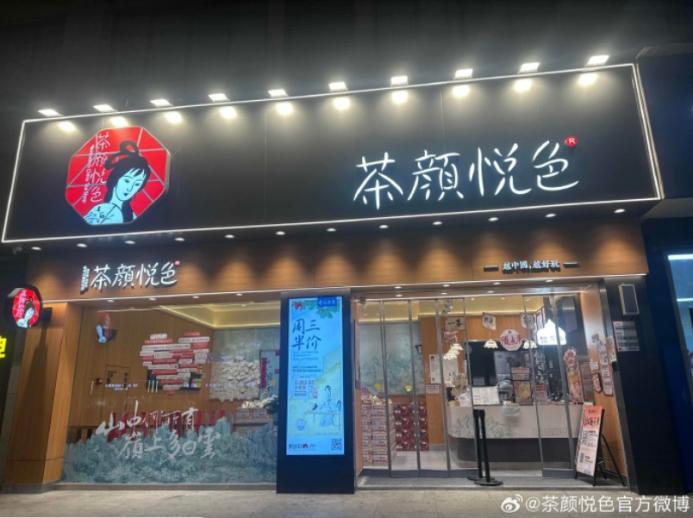
The easiest mistake is to treat this shift as a direct health claim. Of course it borrows some of the language of lightness and lower burden—light milk, lower sugar, clean tea taste, not too stimulating, smoother, less heavy—but what it really does is create time-specific plausibility. It makes the drink feel suited to the moment. At night, the cup does not have to look nutritionally perfect. It has to look like it is not pushing the body harder when the day is supposed to be winding down.
That is why night-oriented tea relies heavily on emotional and everyday-life language rather than only ingredient language. Brands need consumers to feel that the drink belongs now. Evening walk, after a movie, after shopping, after overtime, before a late meal, after a late meal—none of these are strict nutrition categories, but they are exactly how real night consumption gets explained.
3. Which drinks are easiest to read as night drinks?
First, light milk teas and fresh-milk teas that still preserve a tea center without feeling too sharp or too stimulating. They are more restrained than heavier sweet milk tea, but gentler than plain tea. That makes them easy to read as a compromise that still works at night. Add a little floral, toasted, rice-like, or mild dairy description, and the cup starts shifting from an afternoon pickup into an evening companion.
Second, visually cleaner tea drinks, including calmer iced teas, floral teas, and many oolong-based cups. Their advantage is that they do not feel like meal substitutes and do not immediately trigger the sense that the consumer is adding too much to the day after dinner. For people who have already eaten but still want something in hand, this kind of structure is very effective.
Third, drinks that offer a mild sense of comfort without becoming heavy: toasted notes, grain-like softness, a little warmth in flavor, a little gentle milkiness. These are not breakfast drinks promising satiety. They are more like flavor tools that help the body and mind step downward out of tension.
4. Why is this not just another version of afternoon tea?
Because it addresses a different body and mood state. Afternoon tea deals with consumers whose day is not over yet but who are already tired, so the drink can still be a little rewarding, a little stimulating, a little social. Night-oriented tea addresses people for whom the day ideally should already be ending. If the drink still uses the daytime language of brightness, sugar, stimulation, loudness, and energetic uplift, it can feel mistimed.
Another way to put it is this: afternoon tea is about getting another lift; night tea is about gathering the day back in. The first allows some showiness. The second demands more restraint. The first can lean on activity, social energy, launches, hype, and reward. The second works better with smoothness, lightness, quietness, companionship, and slowing down. Many brands spent years learning the first language. They are now beginning to learn the second.
That is why seemingly small differences in copy matter so much at night. “Refreshing and energizing” can work during the day. At night it may feel too sharp. “Rich,” “explosive,” “thick milk,” and similarly high-volume language may feel too heavy after dinner. Brands that genuinely understand evening scenes know how to rewrite even similar cups into a language more suited to being read at night.
5. Why do brands want this slot so much?
Because even if the night slot looks less obvious than breakfast or afternoon peaks, it can create a very steady supplement to daily consumption. Many consumers may not need an afternoon tea every single day, but they may regularly buy something after dinner, during a walk, after a movie, or after overtime. If a brand can make that purchase feel natural, it is not just getting a spike. It is embedding itself into urban night routines.
Night orientation also helps brands soften the image that they rely too heavily on sweetness and hype. Once a tea drink feels reasonable at night, it starts to look more like everyday infrastructure and less like an impulsive daytime indulgence. For major chains, that is important because it supports higher frequency without requiring the same level of aggressive stimulation every time.
It also gives stores a new spatial role. They are no longer only retail points optimized for daytime speed. In the evening they can briefly become emotional buffer stations in the city: more visible under lights, looser in pace, and more memorable as places to pause. Even when consumers still take the cup and leave, the imagined role of the store becomes stronger.
6. How is this different from the already popular idea of breakfastization?
Breakfastization and night orientation are almost mirror images. Breakfastization asks whether a drink can enter the launch phase of the day. Night orientation asks whether a drink can enter the closing phase of the day. The first has to deal with efficiency, commute logic, support, and not starting work empty. The second has to deal with unwinding, lightness, not being too stimulating, and not turning night back into daytime.
That is why both may borrow words like light milk, lower sugar, real tea taste, and smoothness, yet arrive at different conclusions. Breakfastization uses those words to say: this cup can function like weekday equipment. Night orientation uses the same family of words to say: this cup will not drag your evening back into daytime intensity. The same light milk tea can sell support in the morning and gentle reassurance at night.
That is also why this topic deserves its own drinks feature rather than just being folded into the breakfastization piece. It is not an extension of the same time-slot logic. It is another part of the daily time structure being actively contested. Brands that want to go beyond daytime have to learn the language of morning and the language of night separately, not just repeat one general script of “lower burden.”
7. Where are the limits of this trend?
First, night orientation does not mean caffeine questions disappear. A drink may feel softer, calmer, and more night-appropriate in its narrative, but people still differ in how they respond to stimulation at night. Brands can lighten the mood in copy, yet bodies do not always follow copy. So this trend is better understood as scene adaptation, not as a universal nighttime safety verdict.
Second, it does not cancel questions of sugar, total volume, or heaviness. Many consumers seek lighter evening options precisely because they are sensitive to burden at that hour. If a product only renames itself as softer without structurally becoming less heavy, that gap will show very quickly. Night consumers may not calculate everything, but they are highly sensitive to whether the whole cup feels comfortable at that time of day.
Third, the language of the night can become generic very fast. Once every brand starts talking about night breeze, moonlight, soft evenings, winding down, and lighter cups, what remains is not the wording but the physical fit: is the drink actually smooth enough, not too sticky, not too cloying, and believable as something you want to carry at night? Atmosphere opens the door. Body memory decides who stays.

8. Why does this matter in the broader sequence of Chinese tea-drink change in 2026?
Because it shows that modern tea brands are slicing the day more finely. Earlier tea-drink writing often stayed at the level of flavor, hype, and bestseller logic. Then the discussion moved into lower sugar, real tea base, light milk, hydration feel, and breakfastization. Night orientation pushes the process further. Brands are no longer only competing for taste preference. They are competing for interpretive control over different parts of the day.
The shift becomes clearer when placed next to existing topics on the site. If you care about why tea drinks are becoming breakfastized, this piece forms the temporal opposite. If you care about why light milk tea remains central, you can see why it works in both morning and night slots, but for different reasons. If you care about tea bases gaining clearer identity, you can also see why nighttime positioning still needs a tea structure that feels real and legible, not just soft words.
In the end, what night orientation reveals is a new expectation from urban consumers: a drink has to make sense not only by taste, but by time. It has to know when it belongs, why it feels reasonable in that hour, and why it fits the rhythm of city life better than the alternatives. For a 2026 drinks section, that is no longer a minor flavor adjustment. It is a meaningful structural shift in consumption.
Continue reading: Fresh Tea Drinks, Why Tea Drinks Are Becoming “Breakfastized” in 2026, Why Light Milk Tea Became Central Again, and Why Tea Bases Are Gaining Clearer Identity.
Sources
Bing search: night tea drinks shop, Bing search: evening tea drinks low sugar, Bing search: tea drink after overtime, plus related on-site features on breakfastization, light milk tea, tea-base identity, and ingredient transparency (March 2026).