Fresh tea observation
Why lychee iced tea returned to center stage in 2026: from floral tea bases and lower-burden sweetness to a made-to-order rewrite that feels more like a summer night than sugar water
If you scan fresh tea menus in late spring and early summer 2026, one change becomes very clear: what matters is no longer only which fruit has returned, but which fruits have regained center-stage status and been rewritten with a sharper role. Lychee is one of the best examples. It is obviously not a new fruit, and this is not the first time it has entered iced tea systems. What matters is that in 2026 lychee is being rewritten into a more mature product line. It is no longer only a seasonal fruit tea that is obviously sweet, easy to photograph, and easy to understand. It is increasingly being organized as a lightly ripe fruit tone on top of floral tea bases, a small-cup light-sweet drink suited to evenings and after-dinner moments, and an East Asian fruit expression that feels more like a summer night than sugar water. What lychee is selling again is not simple sweetness, but a lighter, softer, more atmospheric summer mood.
This matters because the fruit-tea market is not short of “refreshment.” Over the past few years, brands have already become very good at writing refreshing fruit tea: clearer cups, lighter sweetness, cleaner tea bases, fewer toppings, and more everyday drinking occasions. The problem is that once everyone can say “light, fresh, lower burden, real fruit,” menu language starts collapsing into sameness. The next stage is no longer only about being cleaner. It is about keeping a stronger personality and a more specific time-of-day identity while remaining clean. Lychee is becoming important again because it naturally offers that distinction. It does not operate like lemon, which usually enters through wake-up, de-greasing, and hydration logic. It does not operate like grape, which often enters through darker color and richer density. And it does not operate like white peach, which usually enters through pale softness and gentle sweetness. Lychee feels more lightly ripe, more floral, and more easily readable as a fruit of evening air, summer humidity, and a slower rhythm.
It is also not coming back in isolation. It reconnects naturally with several drinks lines already visible on the site. It belongs with the rise of floral tea drinks and floral tea base as signature language, because lychee pairs unusually well with jasmine, gardenia, white magnolia, and lightly fragrant oolong bases. It belongs with fruit tea’s return to the front stage, because it gives fruit tea a more specific flavor identity instead of leaving it as generic “refreshing hydration.” And it even connects to night-oriented tea drinks and small-cup logic, because once lychee sweetness is controlled and lightened, it becomes especially suitable for evening moments when people do not want a heavy drink, but still want a little emotional reward.
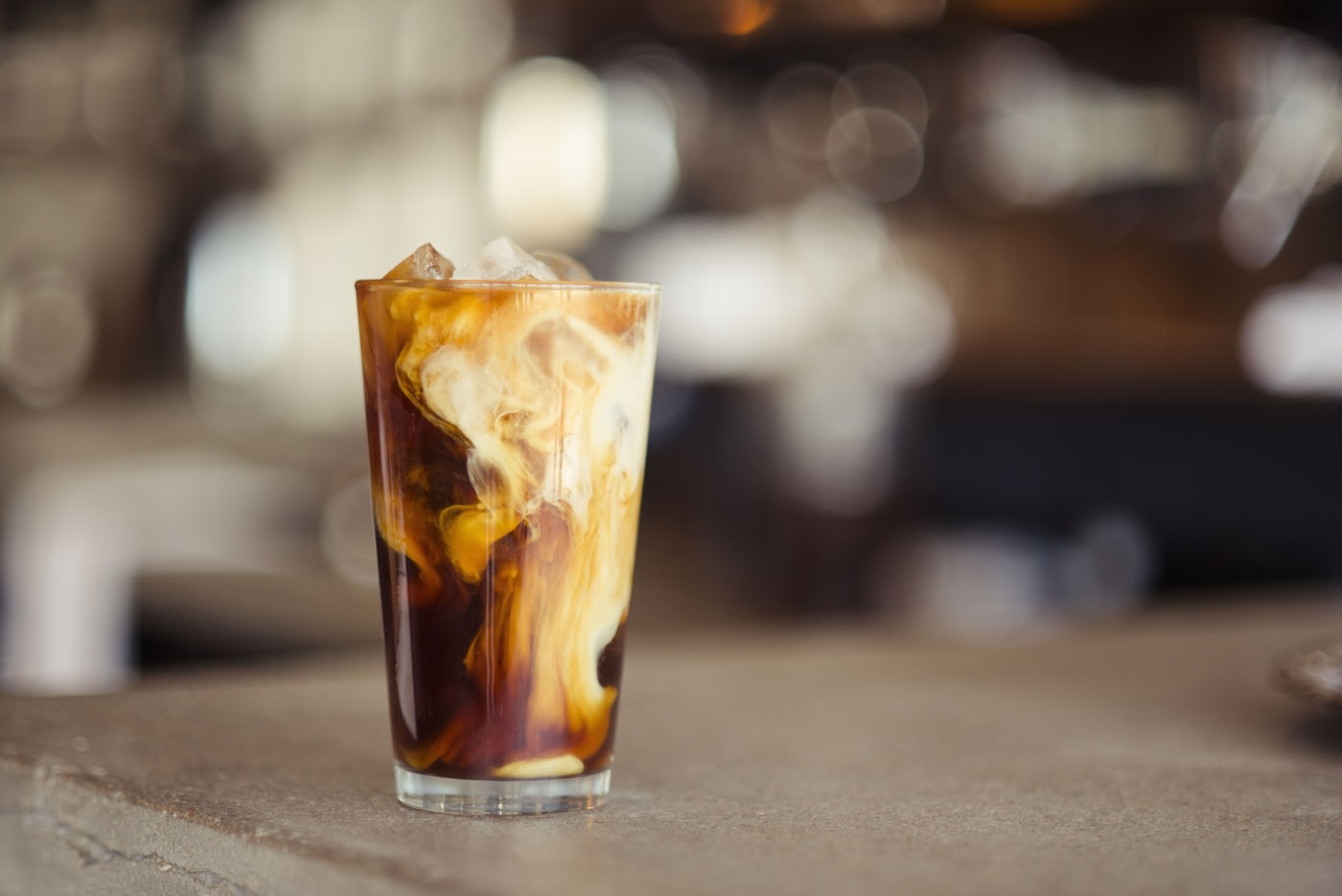
1. Why did lychee move back from “familiar fruit” to center stage in 2026?
Because made-to-order tea can no longer create enough novelty simply by rotating fruits. In previous years, many summer fruit-tea updates worked like a shifting cast: one year grape, another year white peach, then some citrus blend. The menu kept changing, but the deeper logic did not always change much. By 2026, the market cares less about whether a fruit is appearing for the first time and more about how it is written. The brands that can take a fruit everyone already knows and rewrite it into a clearer flavor identity, time-slot identity, and brand identity are the ones more likely to stand out again. Lychee is ideal for this because it is familiar without being fully over-defined.
Its special quality is that it has strong seasonality without being trapped in only one role. Lemon almost naturally gets written as wake-up, de-greasing, and hydration. Grape is easy to write as dark, rich, and mature. Peach is easy to write as soft, clean, pale, and gently sweet. Lychee is less single-track. It can be sweet, but its sweetness feels more lightly ripe than heavy. It can be aromatic, but that aroma feels more like floral-fruit air than dense syrup. It suggests summer, but usually not blazing noon; more often it suggests evening, humidity, night air, and a slower pace. Because its role has not been completely fixed, brands still have room to push it back to the front in 2026.
There is also a practical advantage that is easy to miss: lychee has very high cultural familiarity and very low education cost. It is not like a rare fruit that needs long explanation, and it is not dependent on imported lifestyle labels. Chinese consumers already know lychee, and they already understand its connection to summer, the south, seasonality, and floral-fruit aroma. That means brands do not need to teach what lychee is. They only need to explain why this lychee iced tea is worth drinking now. In a mature market, ingredients with low education cost and high expressive flexibility are naturally easier to bring back to center stage.
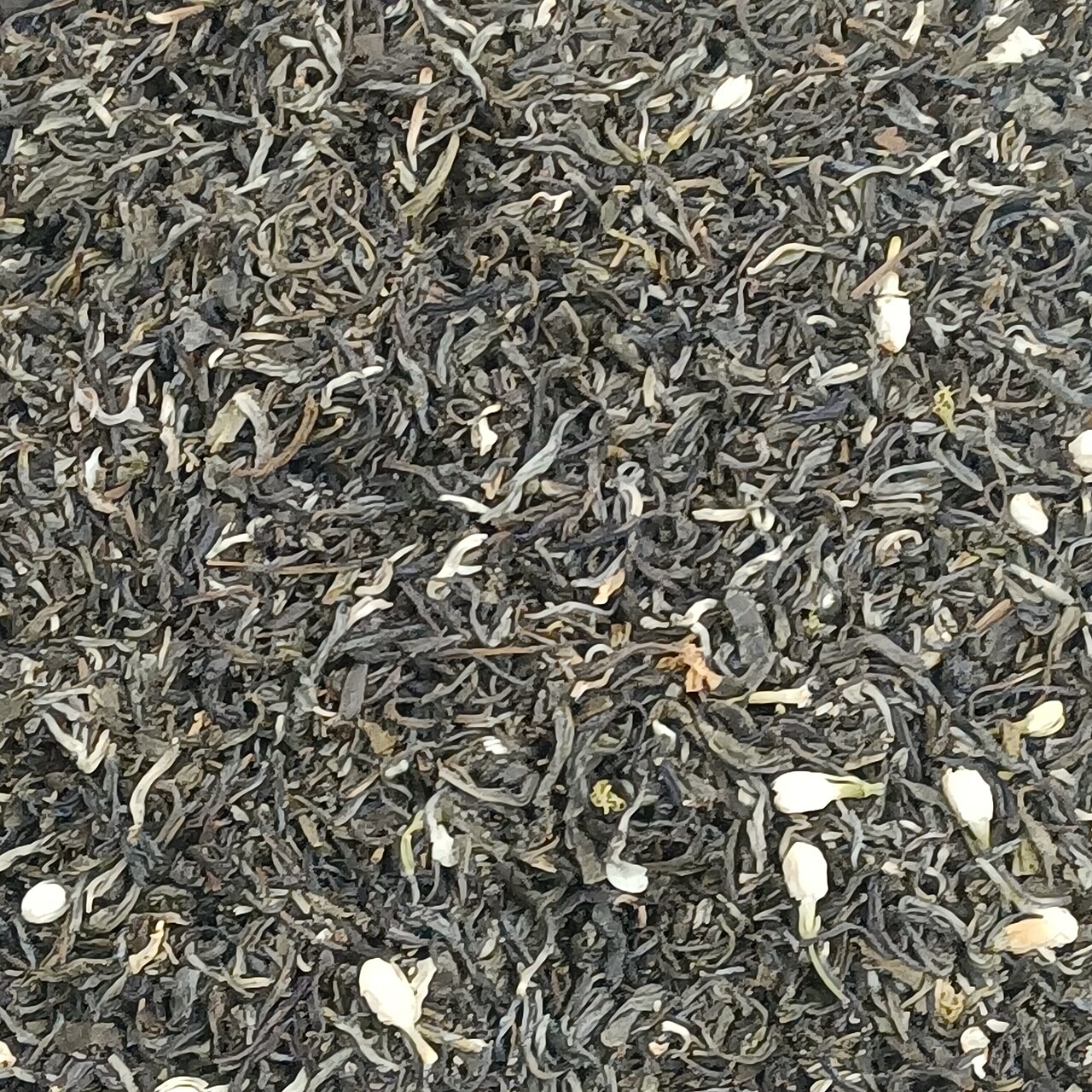
2. What is lychee iced tea really selling now? Not high-sugar pleasure, but a lighter kind of ripeness
Many people hear lychee and think first of sweetness. But the lychee iced tea that is truly standing up again in 2026 is not the version that makes sweetness heavier. It is the version that makes sweetness lighter, thinner, and more like a soft return after aroma. That shift matters a lot. One of the problems with an earlier cycle of mass fruit tea was that many drinks still relied on sugar and fruit aroma for fast satisfaction, even if they looked clear and polished. Those products were easy to sell, but harder to keep meaningful over time. Consumers increasingly know they do not want every drink to hit them with sweetness. They want a cup that still feels designed and intentional without becoming heavy.
Lychee is extremely suitable for this rewrite. It does not naturally thicken a cup the way mango can, and it does not need acidity to hold the structure the way lemon does. It works better with jasmine, lightly oxidized oolong, floral green tea, and white-magnolia-style bases, allowing sweetness to move backward while aroma comes forward. What the consumer drinks is no longer “a strongly lychee-flavored beverage,” but “a tea with lychee aroma whose final reading is still tea.” For a 2026 market that is increasingly serious about tea character, that difference is crucial.
Put differently, today’s lychee iced tea is selling a fruit note that feels mature without feeling old. Over the last few years, fresh tea brands have tried to become lighter without becoming empty. They have been looking for ways to make consumers feel that “this cup has content” without relying on dense dairy, fruit pulp, or piles of toppings. Lychee is one of the more efficient solutions. Through floral-fruit aroma, lightly ripe sweetness, faintly fermented associations, and evening atmosphere, it can turn what might otherwise be an ordinary fruit tea into something more mature, more memorable, and more aligned with brand taste.
3. Why does lychee work especially well with floral tea bases instead of trying to carry the whole drink alone?
Because lychee’s strongest ability is not “I am the loudest thing in the cup,” but “I make the other aromas feel more complete.” That makes it very different from many tropical fruits. Mango, pineapple, and passion fruit tend to become the absolute lead once they enter a drink, pushing tea into the background. Lychee behaves differently. It feels more like a fruit that gently brightens the surface of tea aroma. When placed beside jasmine, gardenia, white magnolia, and light-fragrance oolong, it does not immediately suppress tea. Instead, it helps consumers read the cup as a continuous structure of floral aroma, tea aroma, and fruit aroma.
That also explains why lychee iced tea is often better suited to signature status than fruit teas built around strong pulp or loud density. A true signature drink does not only need a striking first sip. It needs an overall image that people can easily repeat back. Lychee plus a floral tea base is excellent at that, because it can be summarized in a few complete phrases: lighter aroma, more floral, softer sweetness, more suitable for summer evenings, cleaner aftertaste. That list is almost exactly the direction many brands want in 2026. Lychee is not winning by itself. It is winning because together with floral tea bases, it forms a combination that already looks and sounds like current tea-drink taste.
In that sense, lychee iced tea should not be understood as only a single-fruit story. It is part of the larger upgrade of floral tea-base storytelling. The fruit is not covering the tea. It is helping the tea move further to the front. For the drinks section, that is the real reason it deserves a place: not because another fruit has become popular, but because a fruit is being used to help chains rewrite tea character, atmosphere, and brand style.
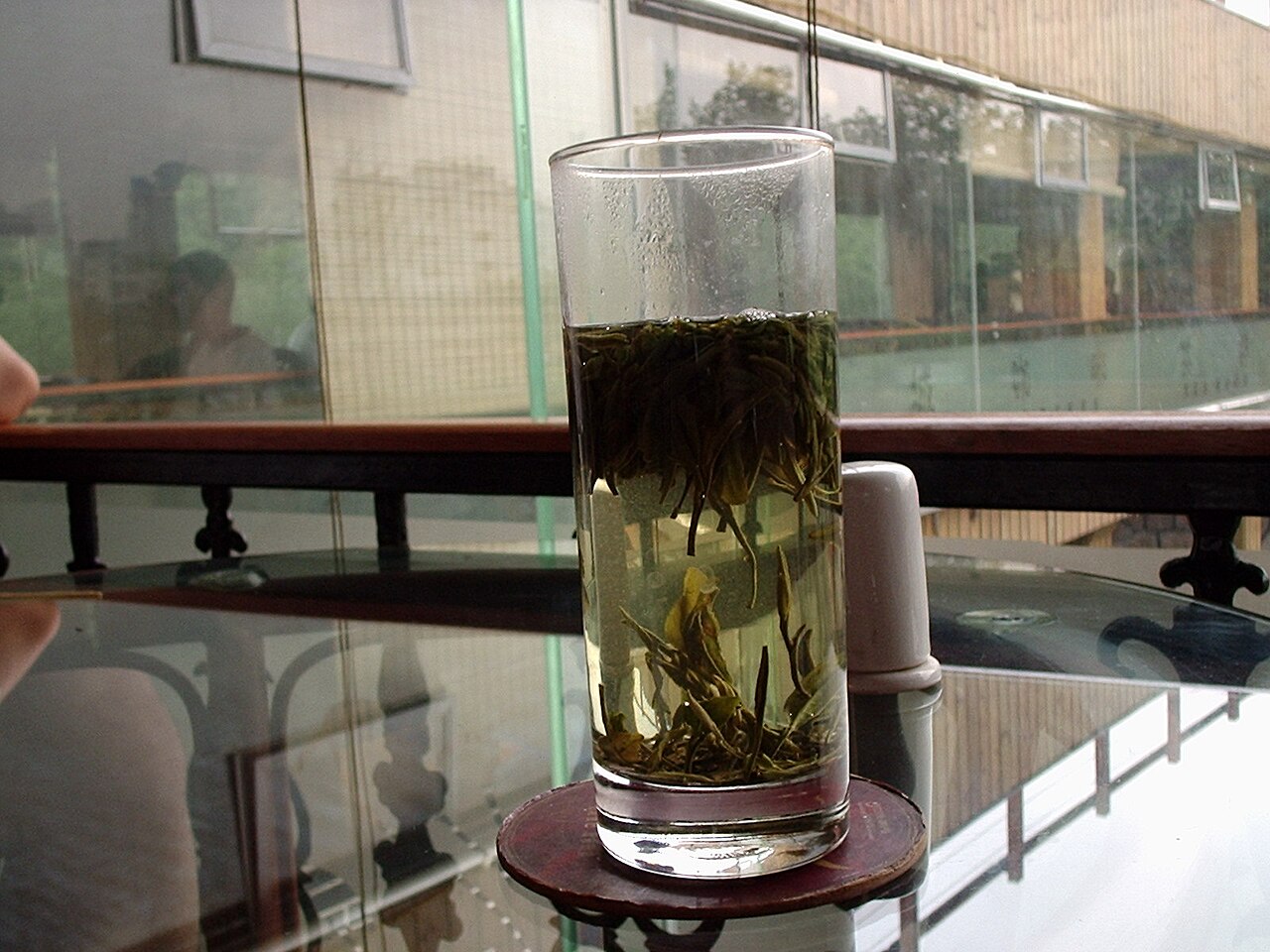
4. Why is lychee iced tea especially suited to after-dinner, evening-walk, and summer-night small-cup moments?
Because lychee is unusually easy to write as a “night fruit.” That does not mean it literally belongs only to nighttime. It means that sensorially it fits late afternoon and evening very well: its sweetness is not the bright, high-sugar pleasure of daytime drinks, and its aroma is not a sharp one-shot attack. It feels more like soft sweetness slowly spreading through the air. For increasingly serious night-oriented tea drinks, this kind of fruit is incredibly useful. It keeps the appeal of a summer iced drink without becoming too loud, and it gives some emotional comfort without making people worry they are drinking something too filling or too heavy.
This connects directly to the site’s discussions of night orientation, small-cup logic, and the “second cup.” By evening, many consumers do not want another drink that feels like daytime work fuel, and they do not want to commit to something dessert-like either. But they often still want a small reward, a slower mood, and something they can hold while walking home or strolling after dinner. Lychee iced tea fits that position almost perfectly. Its aroma is present but not noisy. Its sweetness is comforting but not oppressive. If the tea base is chosen lightly enough, the whole cup can even feel “more suitable for night than many milk teas.”
That is also why lychee iced tea is often more convincing in a small cup. Small-cup logic is not just about shrinking volume. It is about rewriting a drink as a small daily gesture: buying one while walking, taking a break during shopping, or getting something light after dinner. Lychee’s style gives it more persuasive power in that sort of gesture than in a high-saturation large-cup summer thirst-quencher. What it sells is not force, but precision.
5. How does it relate to peach, grape, and lemon fruit teas? Not replacement, but new division of labor
Lychee iced tea is not here to replace all summer fruit tea. More accurately, it is helping redistribute roles. White peach and lighter peach drinks are better for softness, clean sweetness, pale color, and the airy feeling of late spring and early summer. Grape drinks are better for darker tones, richness, maturity, and stronger visual presence. Lemon and broader citrus structures are better for wake-up, de-greasing, hydration, and weather-driven practical demand. Lychee iced tea is better for something else: “floral-fruit aroma + evening feeling + lightly ripe sweetness + a cup that reads more like tea than juice.” It is not the most functional, and not the most visually explosive, but it is often the easiest to write as style.
That matters a great deal for brands. Mature markets are not most afraid of lacking ingredients. They are most afraid of writing different ingredients with the same script. Once every summer fruit tea becomes some version of “refreshing, lower burden, real fruit, good for summer,” consumers increasingly order only by brand habit and location. The product itself loses distinctiveness. Lychee iced tea matters because it helps brands split “light summer fruit tea” into a more stylized branch. It feels more Eastern, more evening-oriented, more floral, and easier to attach to a tea-base narrative the brand may already be good at.
In other words, lychee is not a universal blockbuster key. It is a fruit especially good at enriching menu layers. Structurally it is not as high-frequency as lemon; communicatively it is not as loud as grape; in mass acceptance it is not as frictionless as white peach. But precisely because it sits between those directions, it becomes a very good fruit for the cup that signals a brand has become slightly more mature. In a 2026 drinks archive, that step toward maturity is often more worth documenting than short-term noise.

6. Where are the limits of this trend? Lychee does not automatically equal sophistication
First, the most common mistake with lychee is turning it into a perfumed sweet fruit tea. Because its aroma is so recognizable, pushing it only a little too far can make consumers suspect that the whole drink is just borrowing the lychee name for a sweet scented beverage. Once that happens, all the more delicate selling points—floral tea base, lightly ripe sweetness, summer-night atmosphere—collapse very quickly. The versions that really stand up today are usually the ones where the fruit aroma is not too explosive, the tea base has not fully disappeared, and the mouth still feels clean afterward.
Second, lychee is also easy to make too empty. Many brands hear “light,” “night-oriented,” and “floral-fruit aroma,” then keep thinning the drink until only a sweet scent and a lot of ice remain. That may photograph well, but it does not hold up in repeat purchase. If lychee iced tea truly wants to remain a long-term branch, it has to preserve tea base, preserve the finish, and preserve at least a little aftertaste. Otherwise it stays at the level of “this week’s limited looks nice,” rather than “I will order this again later in the summer.”
Third, its scene is attractive but not universal. Lychee works especially well for evenings, lighter social occasions, walks, after-dinner moments, small cups, and consumers who like floral aesthetics. It is not necessarily the best answer for extreme heat hydration, hard de-greasing, heavy food pairing, or fast daytime office stimulation. That is not a weakness. It is exactly why it has character. Brands that understand this can write it more precisely; brands that try to make it do everything often end up draining away its personality.
7. Why does this belong inside the continuing changes of the 2026 drinks section?
Because it shows again that today’s tea-drink upgrade increasingly looks less like “inventing a new flavor” and more like “putting a familiar flavor into a much clearer position.” Everyone already knows lychee. What matters in 2026 is not “lychee is back,” but “lychee has finally been written clearly”: what tea bases suit it, what time of day suits it, what sweetness level suits it, what atmosphere suits it, and what kind of consumer mood suits it. Once brands seriously answer those questions, fruit stops being only an ingredient and becomes the pivot of a whole product narrative.
If you connect it with the site’s earlier pieces, the logic becomes even clearer. The rise of floral tea drinks shows that brands are building more story-capable aroma systems. The return of fruit tea shows that refreshing product lines never really left, but are rewriting themselves. Night orientation shows tea drinks competing for lighter evening consumption. Small-cup logic shows drinks becoming smaller daily gestures inside ordinary rhythm. Lychee iced tea stands right at the intersection of those lines: not the most hard-need cup, but possibly one of the cups that most clearly represents what “a little more mature” looks like in 2026.
In the end, what lychee iced tea really reveals is a new consumer demand for fruit tea: you need not only refreshment, but style; not only fruit, but tea character; not only something tasty, but something that suits a specific moment. As long as those three conditions remain true, lychee will not be only a brief return. It will remain a drinks branch worth tracking on menus.
Related reading: Why floral notes became the most story-capable language in 2026 tea drinks, Why brands are turning “floral note + tea base” into signature language, Why fruit tea returned to the front stage, Why tea drinks are becoming night-oriented, and Why tea drinks are becoming smaller in cup logic.
Sources
- Guming official site
- CHAGEE | Vitality fruit tea series
- Synthesized observation of 2026 late-spring and early-summer Chinese internet and chain-tea menu language around lychee, floral tea bases, lighter fruit tea, night-oriented drinks, and small-cup logic.