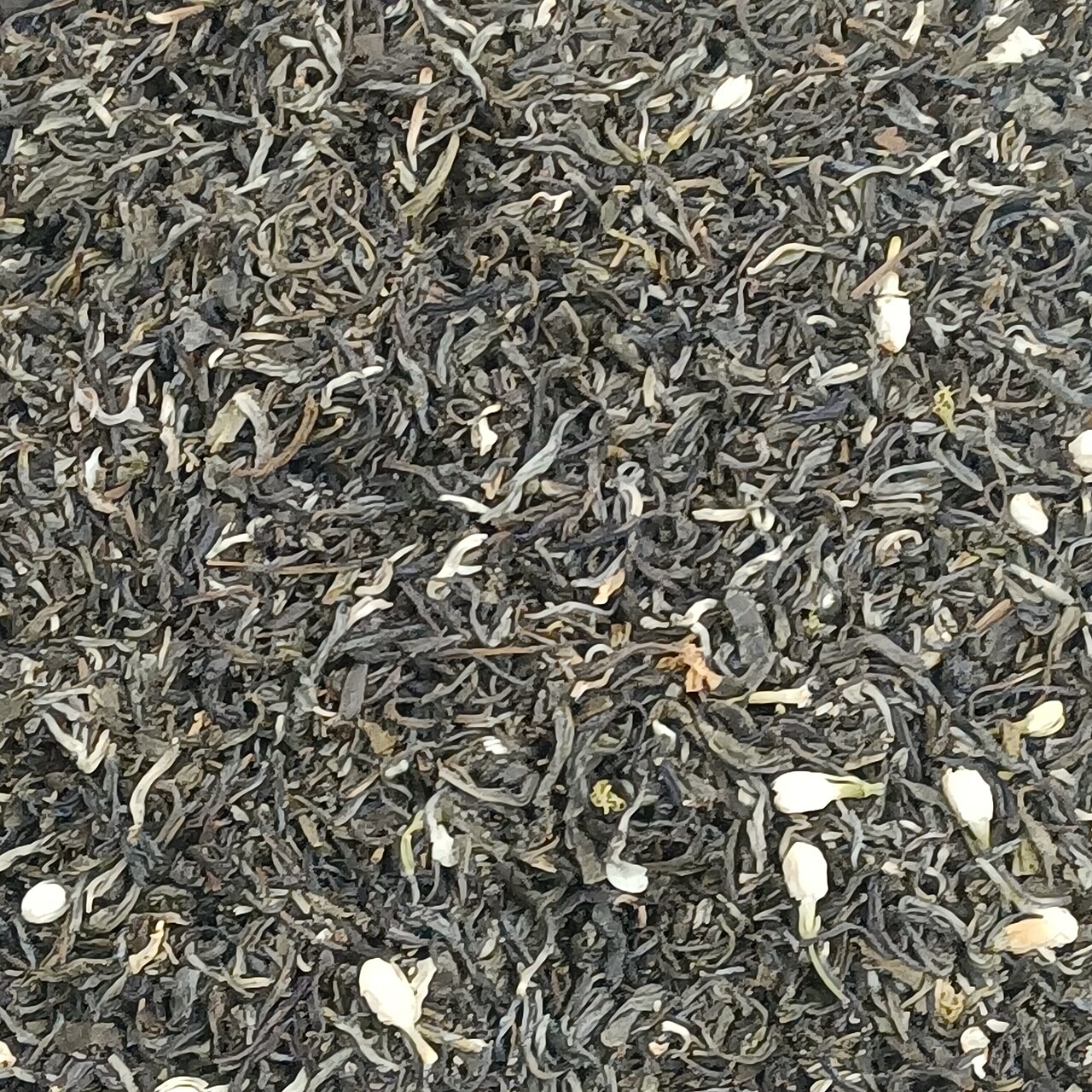
Why Floral Aroma Became New Tea’s Most Strategic Language in 2026: From Molly Tea and Chagee to the Rise of Flower-Scented Ice Tea Systems
Published: · Updated:
One easy mistake in reading 2026’s Chinese tea-drink conversation is to treat floral aroma as too gentle, too familiar, or too old to deserve a serious feature. On the surface, jasmine, magnolia, gardenia, and osmanthus are not new words on tea menus. But put recent product structures, menu naming, brand sites, and platform discussion together, and something more interesting appears: floral aroma is no longer just a decorative adjective attached to tea. It is being organized into a full brand language — one that may now be more useful for recognition, memory, and scaling than broad ideas like “low sugar,” “light milk,” or even “real tea base.”
My answer is simple: floral aroma is becoming one of the strongest answers to that question. It is easier to understand than technical tea education, less polarizing than matcha, more durable than many fruit themes, and softer than overt health signaling. Yet it remains vivid enough to photograph, easy enough to retell, and flexible enough to anchor a whole menu system. In 2026, floral tea drinks are not hot just because they taste fresh. They are hot because they are exceptionally brandable.
Today’s floral tea drinks succeed not simply by tasting lighter. They succeed because they let one cup do three jobs at once: make tea more memorable, make the brand more legible, and give drinkers a story they can easily repeat.
1. Why did floral aroma suddenly become a major tea-drink theme in 2026?
Because the new-tea market has entered a stage where brands must answer a harder question than before: what exactly still makes me feel different? Over the last few years, the industry has already played through several big trend cards — light milk tea, lower sugar, shorter ingredient lists, real tea bases, fresh extraction, unsweetened bottled tea, matcha revival. Those ideas still matter, but they also create a problem: when everyone says they are cleaner, lighter, truer, and less industrial than before, the language starts flattening itself.
Floral aroma becomes powerful at exactly this moment because it allows difference to become both subtle and highly legible. It does not need the blunt force of heavy sugar and toppings, and it does not require the entry barrier of deep tea education. Jasmine, magnolia, gardenia, osmanthus, orchid-like fragrance, and glutinous-rice aroma all trigger immediate sensory imagination. They are not abstract descriptors. They come preloaded with lived memory: night-blooming gardenia, early spring magnolia, jasmine tea at home, osmanthus sweets, cool floral aftertaste in summer ice tea, the smell of clean fabric, evening air, or a fresh doorway.
That makes floral aroma especially effective as low-barrier, high-memory branding. Consumers do not need to master mountain origins, roast styles, oxidation degrees, or the bitterness tolerance required by matcha. They only need to remember a scent, a mood, a light visual identity, or the kind of after-aroma they associate with a cup. Once that happens, a brand has already won a significant part of the recognition battle.
Floral aroma works so well because it is both ingredient and imagination. Many consumers cannot yet explain the processing logic, but they can instantly decide whether a cup smells like something worth remembering.
2. How is this different from the site’s existing pieces on light milk tea, fruit tea, and matcha?
Light milk tea is about structural adjustment — how milk tea becomes less heavy, how tea and milk get rebalanced, how brands reduce burden without losing repeatability. Floral aroma is doing something else. It asks how brands build a distinct flavor personality after consumers have already accepted lighter textures and clearer tea presence.
Fruit tea works on a different rhythm. It thrives on seasonality, visible fruit content, hydration narratives, and high visual spread. Floral aroma is often less explosive at first glance, but more stable over time. Fruit can dominate a season. Floral identity can hold an entire menu through the year. It is not always as immediately loud as grape, mango, or lemon. But it is often more durable as long-term memory.
Matcha is different again. Matcha became important because it reintroduced threshold, bitterness, and strong symbolic tea identity. Floral tea drinks move in the opposite direction. They do not raise the barrier in order to signal taste maturity. They lower the cost of interpretation while still preserving distinction. Matcha tells consumers: you can drink something more demanding. Floral aroma tells them: you can remember this brand easily, and that memory still feels refined rather than cheap.
So floral aroma is not just another name for light milk tea, not a substitute for fruit tea, and not a softer version of matcha. It is a strategy for competing over scent-based memory inside a market that has already become structurally more mature.
Fruit tea is excellent at seasonal spikes. Floral tea is better at slow, durable recall. One travels through visible freshness. The other travels through nameable aroma.Once most brands already know how to make milk tea feel lighter and cleaner, differentiation has to move into finer-grained territory. Floral aroma is one of the clearest places where that shift now shows up.
3. Why is floral aroma really selling brand identity rather than just freshness?
Because “freshness” alone is no longer enough. Nearly every major player is already pushing toward drinks that feel cleaner, less cloying, and more daily-repeatable. Consumers have also become fluent in the language of refreshment: lighter, cleaner, less sweet, more tea-forward, less guilty. That makes freshness a weak standalone selling point.
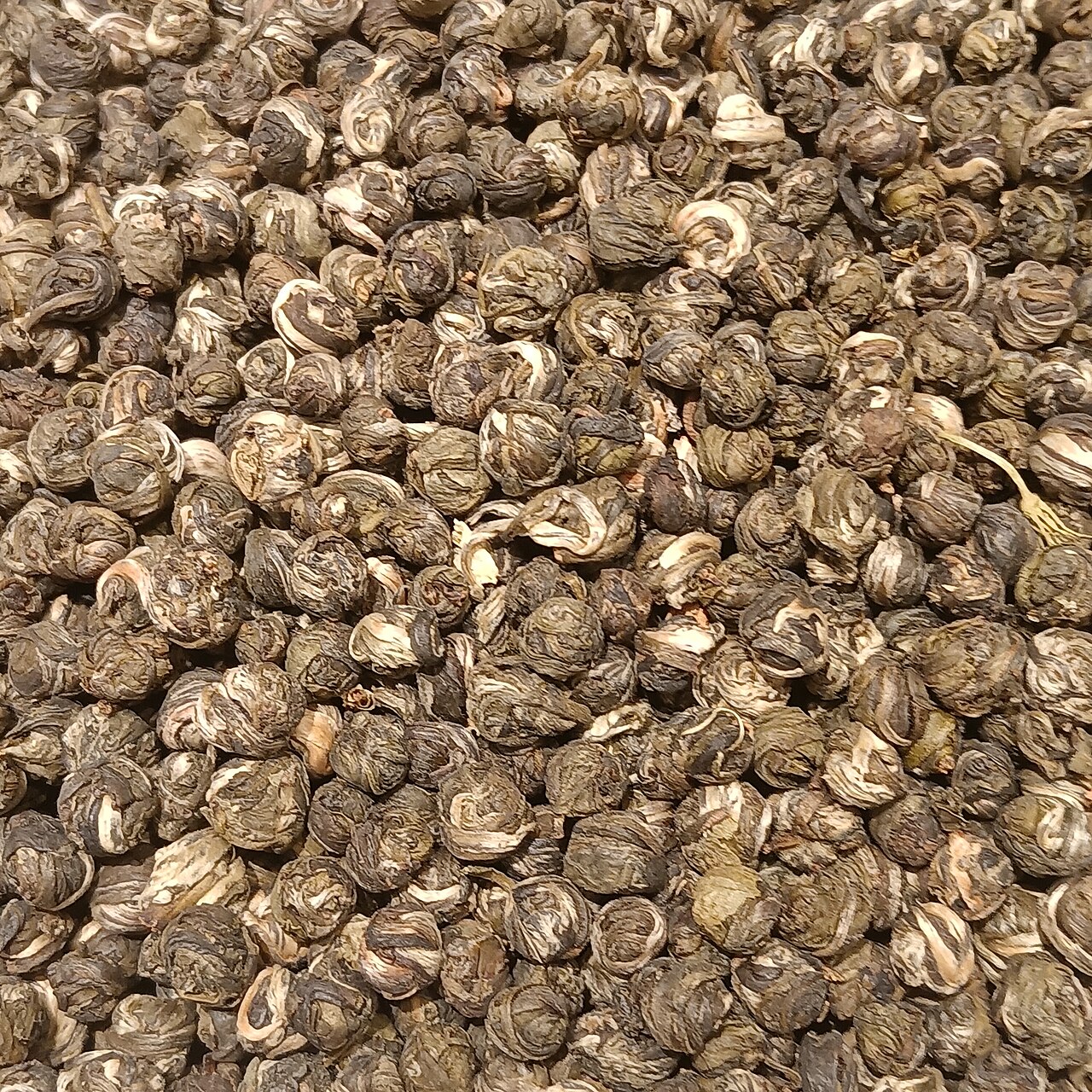
Floral aroma becomes more powerful because it turns generic freshness into named experience. Jasmine is not the same as magnolia. Gardenia is not the same as osmanthus. Even inside the same broad “light and elegant” territory, each offers a different texture. Jasmine often reads as bright, white, easy, and high-lift. Magnolia can feel cooler, more urban, more poised. Gardenia can feel nocturnal and airy. Osmanthus feels warmer, sweeter, and more rooted in familiar Chinese memory. Once brands make those distinctions legible, consumers begin building preference — and preference is much stronger than simply saying a drink is “pretty good.”
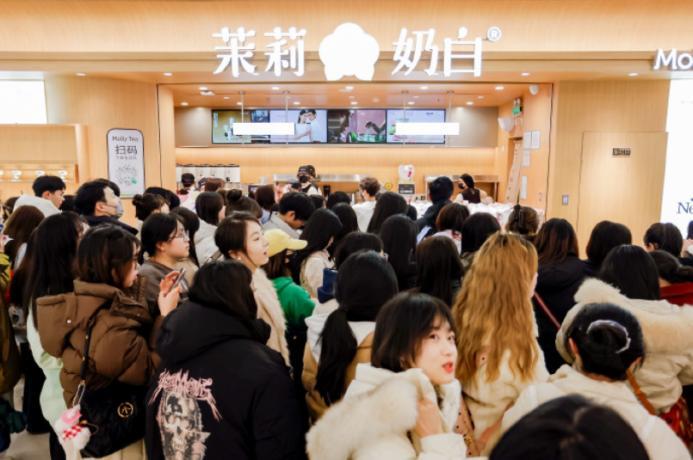
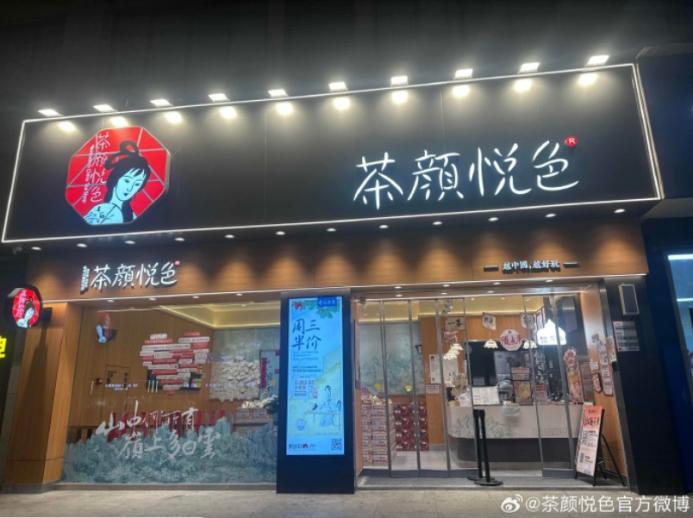
That is why brands like Molly Tea matter so much in 2026. The real point is not just that they sell many floral drinks. The point is that they try to make floral aroma the base layer of the brand itself: floral fresh tea, floral cream-top, floral ice tea, floral fruit tea, all supported by a coherent visual and emotional system. In that model, floral aroma is not a flavor accent. It is the brand universe. Before entering the store, the customer already has some sense of what the place will smell like, how the menu will read, what the mood temperature will be, and how the cup will fit into an image or a daily routine. That kind of stability is extremely valuable for a fast-growing chain.
Once floral aroma becomes a brand foundation, it stops being only the taste of one cup. It becomes a whole impression manufactured by menu language, store atmosphere, cup design, and social sharing.
4. Why are leading brands making floral descriptions more and more specific?
Because specificity is where competitive value lives. Earlier tea-drink menus often relied on broad phrases like “floral oolong” or “fresh green tea.” Friendly, yes — but not especially memorable. That is changing. Consumers are now more accustomed to differentiated naming, and brands increasingly understand that vague fragrance language does not automatically become brand capital.
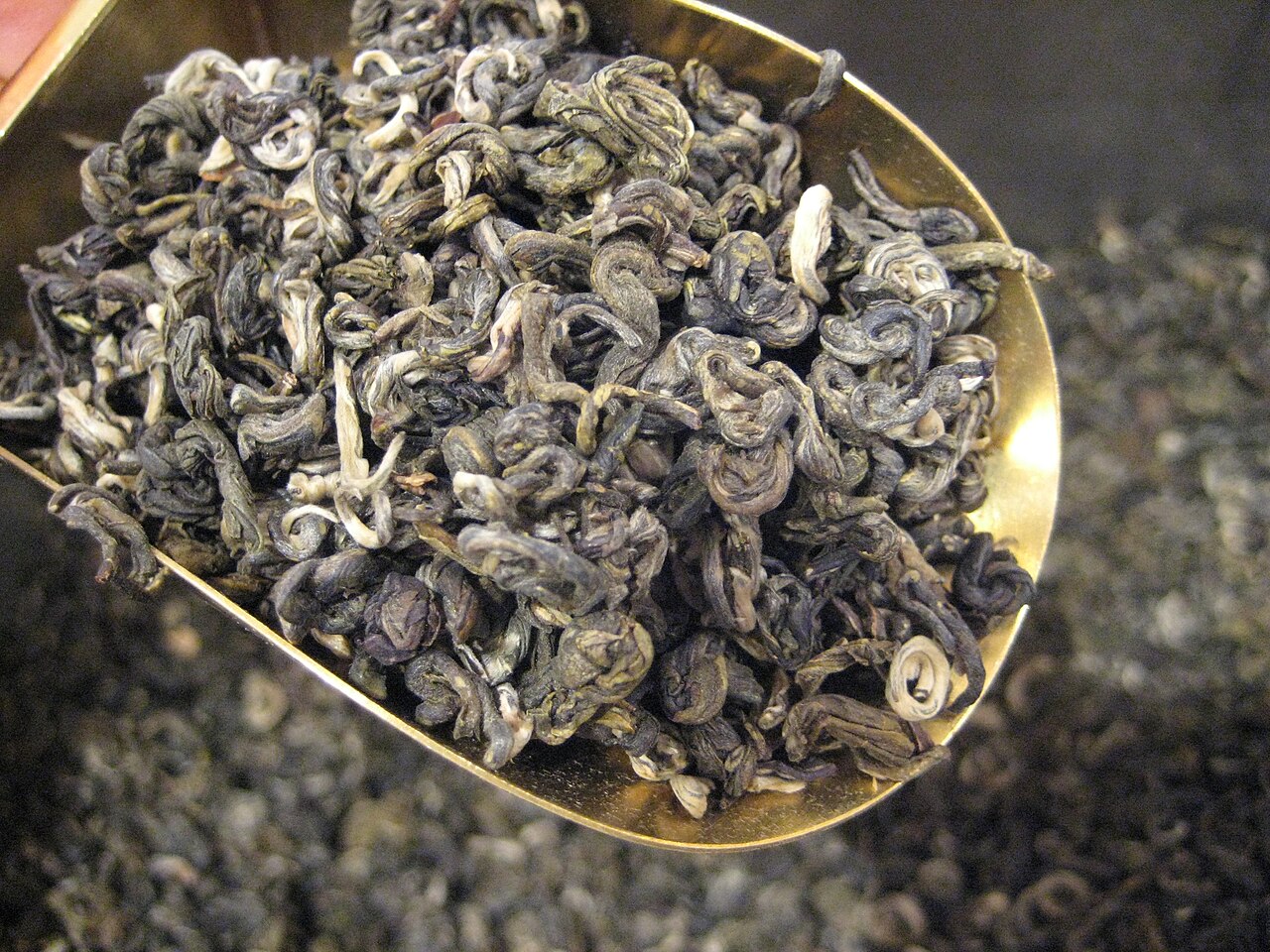
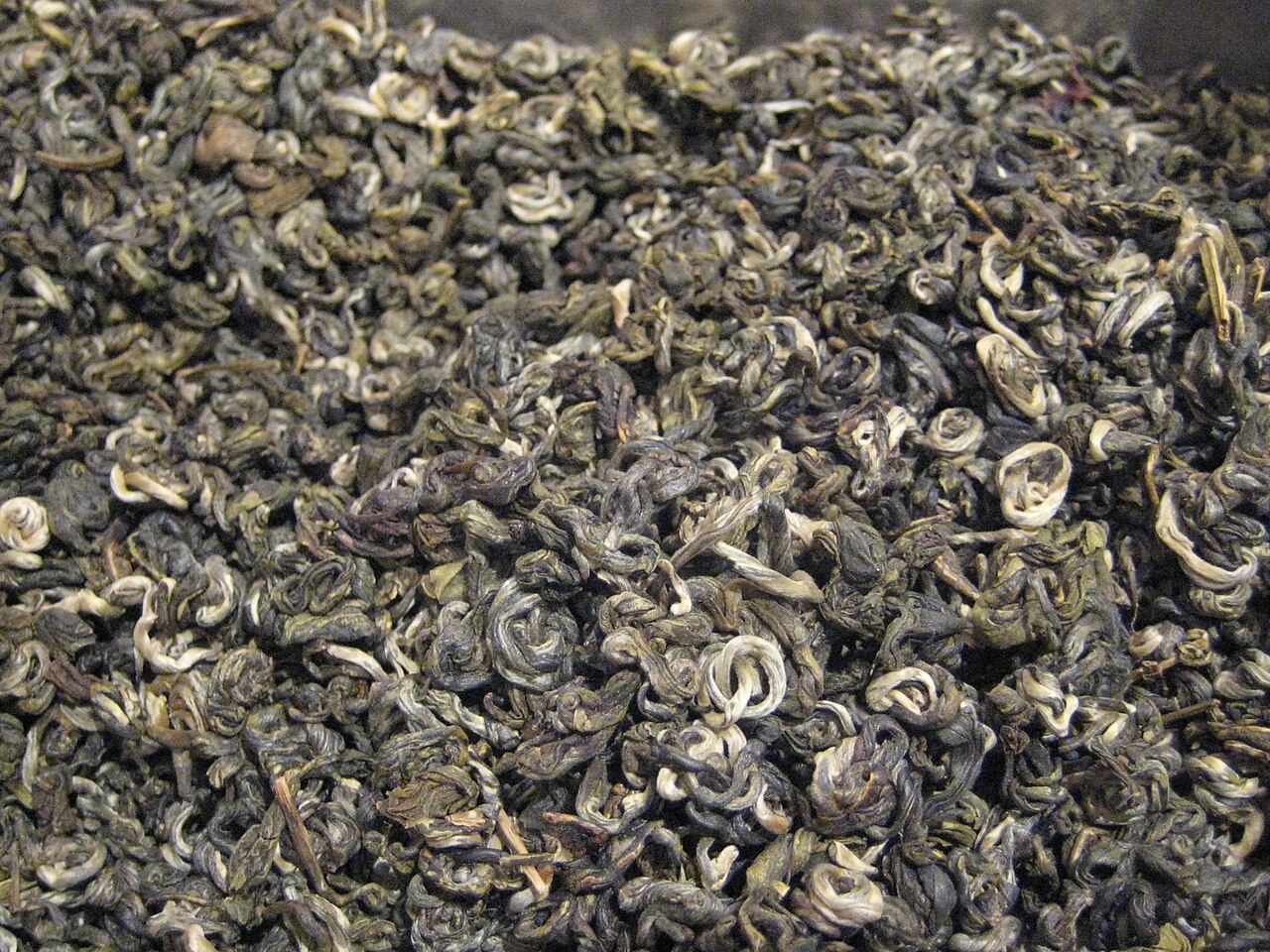
So we see more dense identity writing: jasmine snow bud, osmanthus oolong, magnolia, gardenia milk tea, glutinous-rice green tea, flower-scented ice tea, and more. The point is not to sound academic. The point is to create sharper recall. Chagee’s approach is especially telling. Its product-language system increasingly tries to make floral, roasted, osmanthus, orchid-like, and aged-citrus notes retellable to consumers. It pushes the tea-base identity idea one step further: not only must a customer know the drink is tea-based, they should also know why it smells different from the cup next door.
Molly Tea takes another route and, in some ways, the more radical one. It puts floral aroma at the center of the whole brand architecture rather than leaving it on a few hero products. Floral fresh tea, floral ice tea, floral cream-top, floral fruit tea: this gives the customer a full framework rather than a few isolated references. Once they remember “this is the brand where floral aroma is the protagonist,” the internal variety of jasmine, magnolia, gardenia, or osmanthus becomes much easier to understand inside a single branded logic.
Both routes point to the same conclusion: floral aroma is moving from attractive decoration to operable structure. Once a flavor element can support single products, full menu series, store mood, and brand identity at the same time, it deserves to be written as a major subject in its own right.
The more specific the floral language becomes, the more raw material starts behaving like a recurring brand character rather than a generic ingredient.The competition is no longer just whether a drink contains floral aroma, but whether a brand can turn floral aroma into a coherent, stable, and repeatable consumer language.
5. Why is floral aroma especially suited to the Chinese internet and not just to store menus?
Because it satisfies two conditions platform culture loves: it is easy to describe, and it easily triggers fine-grained disagreement. Fruit and color also spread well, but they are more visual. Floral aroma adds another layer: words, memory, atmosphere, argument. One person says a cup tastes clean and white like jasmine. Another says the gardenia feels like damp evening air after rain. Someone else says the osmanthus note is too sweet, too perfume-like, too soft. These judgments are subjective — and precisely because they are subjective, they are extremely adaptable to short reviews, rankings, “avoid this” posts, recommendation threads, and casual social retelling.
Just as importantly, floral aroma sits naturally inside lifestyle language. It is not a highly technical category that requires prior study, and it is not a direct health claim that can be instantly challenged. You can say a drink smells like spring shirts, a city night, magnolia at a street corner, a well-kept room, or a clean early breeze, and even if people disagree, they still understand the scene. That ability to translate taste into atmosphere is exactly the kind of thing the Chinese internet is very good at amplifying.
So floral aroma matters not only because of the drink itself, but because it gives both brands and consumers a reusable expressive toolkit. Once a brand builds a strong floral language, it no longer just launches products. It repeatedly reminds the audience what kind of scented memory it wants to own.
Floral aroma is platform-friendly not merely because it smells good, but because it is so easy to turn into scene-making language: clean, cool, airy, sweet, lingering, spring-like, night-blooming, freshly washed.
6. Could this just be a temporary floral-aesthetic bubble?
Of course there will be bubbles. Once floral branding proves attractive, visual, and easy to narrate, weaker copies will flood in. Names become more literary, cups become whiter, websites become softer, but the drink itself may still rely on blunt sweetness and generic milk structure. Some brands will use “floral” as a mood shortcut rather than a real flavor discipline. That kind of inflation is almost inevitable.
But I do not think the entire wave will disappear like a short-lived collaboration cycle. The reason is structural. First, consumers really do want drinks that feel lighter without becoming flat. Second, brands genuinely need new differentiation tools after “real tea,” “light milk,” and “lower sugar” have become baseline language. Third, floral aroma scales more easily than many sharper flavor categories because it keeps entry barriers low. Fourth, it adapts unusually well to milk tea, ice tea, fruit tea, cream-top systems, coconut-water structures, and even store aesthetics. That flexibility is commercial gold.
So floral aroma will not survive simply because it looks pretty. It will survive because it solves a real market need: how to keep tea drinks feeling recognizable, expressive, and emotionally textured after the obvious forms of product upgrading have already become common industry knowledge.
7. If this line keeps growing, where will the competition likely move next?
First, it will become more granular. “Jasmine” alone may not be enough much longer. Brands are likely to split floral language more finely: how many scenting rounds, what tea foundation carries the flower note, whether the cup is built for milk structure or ice clarity, whether the fragrance should feel bright, cool, nocturnal, warm, powdery, soft, or high-lift. Magnolia, gardenia, and osmanthus will probably undergo similar internal differentiation.
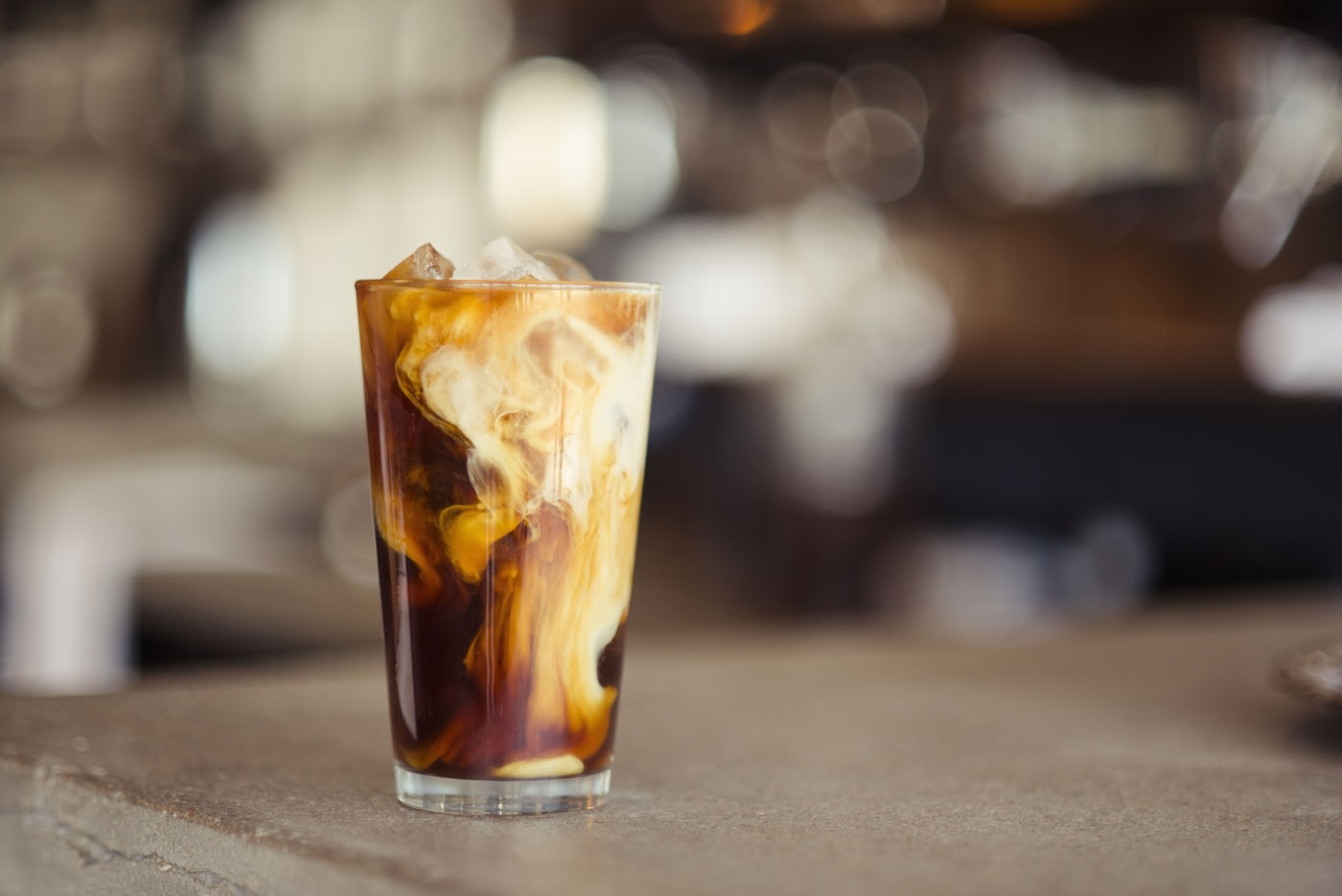
Second, it will become more systemic. Floral aroma will continue moving beyond milk tea into ice tea, fruit tea, cream-top drinks, and lighter refreshing systems. Its range is simply too broad: milk gives it softness, ice gives it transparency, fruit gives it seasonality, coconut water gives it hydration logic, and cream-top gives it aromatic concentration. Once a brand owns floral identity, almost every sub-series can be built around it.
Third, it will move closer to lifestyle-brand territory. Floral aroma works naturally with store design, packaging, mood, and urban routines. It is less dependent than matcha on raw-material threshold, and less dependent than bottled tea on pure convenience logic. It fits the category of drinks people want to carry, pause with, photograph, and align with clothes, weather, time of day, or personal taste. The brands that coordinate aroma, spatial design, cup language, and product pacing most carefully are likely to gain the longest runway.
The next stage of floral competition is unlikely to mean simply “more flowers.” It will mean explaining why one flower note is structurally different from another.Once floral aroma becomes a year-round menu capability, it can travel across milk tea, ice tea, fruit tea, and lighter refreshing formats rather than belonging to only one hero cup.
8. Why does this deserve a place in the broader story of Chinese tea drinks in 2026?
Because it reveals a deeper shift in how the industry now competes. Light milk tea, low sugar, real tea bases, unsweetened bottled tea, and matcha revival all show that the market is moving away from blunt heavy-sugar, heavy-topping logic. The strengthening of floral aroma shows something more: brands are no longer satisfied with making drinks merely lighter, clearer, or more transparent. They want to translate “better” into something that can be remembered, repeated, and scaled.
That sounds soft, but it is actually hard. Once a brand tries to make floral aroma central, it must solve raw material expression, naming discipline, menu architecture, store atmosphere, product consistency, and platform retellability all at once. This is no longer about adding one floral special. It is about answering harder identity questions: what does my brand smell like? What does it feel like when remembered? What does it look like in the hand, in the store, and in a repeated daily purchase?
That is why I think this is one of the most worthwhile tea-drink themes to write in 2026. It is clearly different from the site’s existing work on light milk tea, fruit tea, matcha, bottled tea, and tea-base identity, yet it connects naturally to all of them. Once the industry has already moved from heavy sweetness to lighter burden, from vagueness to clarity, and from generic milk tea to named tea structures, floral aroma becomes one of the next serious answers to the question of how a brand still feels distinctive.