Why Fruit Tea Is Back at the Center of China's New Tea Wars: Mango Pomelo Sago, Coconut Water, Lemon Tea, and the Search for Drinks That Feel Light but Not Empty
Created: - Updated:
If you look at what has been circulating most strongly across Chinese tea-drink culture, one pattern stands out. After cycles dominated by light milk tea, unsweetened bottled tea, cleaner ingredient lists, and "real tea base" talk, fruit tea has not disappeared at all. It has come back in a more refined form. Mango pomelo sago, grape tea, lemon tea, coconut-water drinks, "light fruit tea," and iced oriental tea all point in the same direction: people still want summer mood, vivid fruit, and easy drinkability, but they no longer want a cup that tastes like little more than sugar, ice, and synthetic fruit perfume.
That is what makes fruit tea worth writing about now. It is not a side story detached from the trends we have already covered in the return of light milk tea, ingredient-list transparency, or the comeback of unsweetened bottled tea. It is another branch of the same wider reset. One branch of the market is becoming calmer, more tea-forward, and more dependable. Another is becoming brighter, more seasonal, more photogenic, and more social—while still needing to look more credible and less junky than the fruit-tea boom of earlier years.
Fruit tea is heating up again not because the industry has suddenly become nostalgic, and not just because warm weather always helps. The deeper reason is that brands need a category that can carry summer launches, social-media spread, and a lighter-healthier mood at the same time. Fruit tea sits exactly there. It can feel lighter than milk tea, livelier than straight tea, more contemporary than old-fashioned fruit drinks, and more expressive than a purely low-sugar pitch.
Fruit tea is back not because brands have abandoned tea structure, but because they are trying to recombine visible fruit, refreshing clarity, and a lighter everyday mood into one readable summer language.
Fruit teaMango pomelo sagoLemon teaCoconut waterChina tea drinks
1. Why is fruit tea back in the middle of the conversation now?
Because China's made-to-order tea market has reached a very practical point. Consumers still want mood and pleasure, but they are no longer willing to pay indefinitely for drinks that feel too heavy, too sweet, or too overworked. Over the last several years, two big product directions have run hard. One amplified milkiness, thickness, and dessert-like texture. The other pushed toward lower sugar, cleaner tea structure, and less burden. By 2025 and 2026, the interesting change is not that one side won completely. It is that brands are trying to find a new balance between them: lighter, but not boring; more health-coded, but not forgettable; suitable for repeat summer drinking, but still strong enough to circulate online.
Fruit tea naturally fits that need. It brings visible fruit, color, seasonality, ice, and refreshment. It also offers a kind of psychological permission: this feels easier, cleaner, more summer-appropriate. But unlike the earlier boom years, brands can no longer get away with "fruit flavor plus sugar plus ice." Consumers have become more trained and more demanding. They now ask what tea base is underneath, whether the fruit note feels real or synthetic, whether sweetness and acidity are balanced, whether the drink has structure, and whether it tastes like a tea drink or just a cold sweet beverage.
Fruit tea also matches how Chinese internet conversation works. Compared with light milk tea, it is more visually immediate. Compared with plain tea, it is easier to dramatize. Compared with unsweetened bottled tea, it carries more seasonal emotion. Mango cubes, grape pulp, sliced lemon, coconut water, clear cups, crushed ice, jasmine green tea or oolong underneath—these are extremely shareable visual units. In today's tea-drink market, that alone is real commercial power.
One reason fruit tea travels so well is that it arrives already carrying a summer image. Consumers may not buy an industry thesis, but they will often buy a drink that already looks like the season they want.
2. This is not a simple return of old fruit tea. It is a rebuild designed to feel more like tea, more like fruit, and more like summer hydration.
It would be too shallow to say only that "fruit tea is hot again." What has changed is how brands now write fruit tea. Earlier fruit-tea booms often prioritized oversized cups, bright color, sweetness, visible fruit pieces, and immediate sensory punch. Tea was sometimes secondary, or almost symbolic. The newer product logic looks different. Tea base now matters again. Fruit is no longer just a carrier for sweetness. "Refreshing" has to feel more believable. And the drink needs to suggest not only flavor but also hydration, coolness, and a lighter lifestyle rhythm.
You can see this directly in current product architecture. CHAGEE now gives "Light Fruit Tea" and "Iced Oriental Tea" the status of full series. Those lines include not only mango pomelo sago and grape tea, but also coconut-water drinks, jasmine-coconut combinations, oolong-coconut combinations, salt-electrolyte lemon tea, cooling lemon tea, and several tea-forward citrus drinks. The most important point is not a single bestseller name. It is that fruit tea is no longer treated as a decorative corner of the menu. It has been rebuilt as a structured category that deserves its own story.
That rebuild moves in three directions. First, tea base is being made visible again. Jasmine tea, Tieguanyin, Da Hong Pao, and other named tea bases now appear directly in product descriptions, because brands know customers can tell the difference. Second, fruit is not only about sweetness. Mango provides tropical density, grape brings visible pulp and juicy texture, aromatic lemon brings acidity and wake-up energy, and coconut water carries a hydration-and-recovery lifestyle cue. Third, fruit tea is being placed closer to the language of lower burden. It may not always be the lightest thing on the menu, but it is meant to read as lighter and easier than thick milk-heavy or dessert-coded drinks.
3. Why are mango pomelo sago, grape tea, lemon tea, and coconut-water drinks all rising together?
Online, these can look like scattered mini-trends. One discussion centers on whether mango pomelo sago still dominates. Another tracks the latest lemon-tea launches. Another follows coconut-water drinks. Another obsesses over grape-based teas because they photograph so well. But together they show something larger: brands are re-segmenting what people actually want from a summer tea drink.
Mango pomelo sago answers the "classic summer indulgence" demand. It remains one of the most stable, most recurring, most seasonally reliable fruit-drink references in the market. Grape tea answers a different need: obvious fruit texture and high visual impact. It works beautifully for store posters, launch campaigns, and short-cycle social spread. Lemon tea answers thirst, wakefulness, oil-cutting, and big-cup commute use. Coconut-water drinks answer yet another desire: not just flavor, but the feeling of replenishment and a bit of bodily reset.
The fact that all of these are active at once matters. It means fruit tea is not returning as a single nostalgic category. It is returning as a set of answers to more specific questions. Do you want pulp? Do you want hydration? Do you want classic richness? Do you want something cleaner and tea-forward? Do you want a launch worth posting, or a cup you can actually drink repeatedly at work without getting tired of it? Once fruit tea starts answering those more granular questions, it becomes a serious strategic field again rather than a recycled old category.
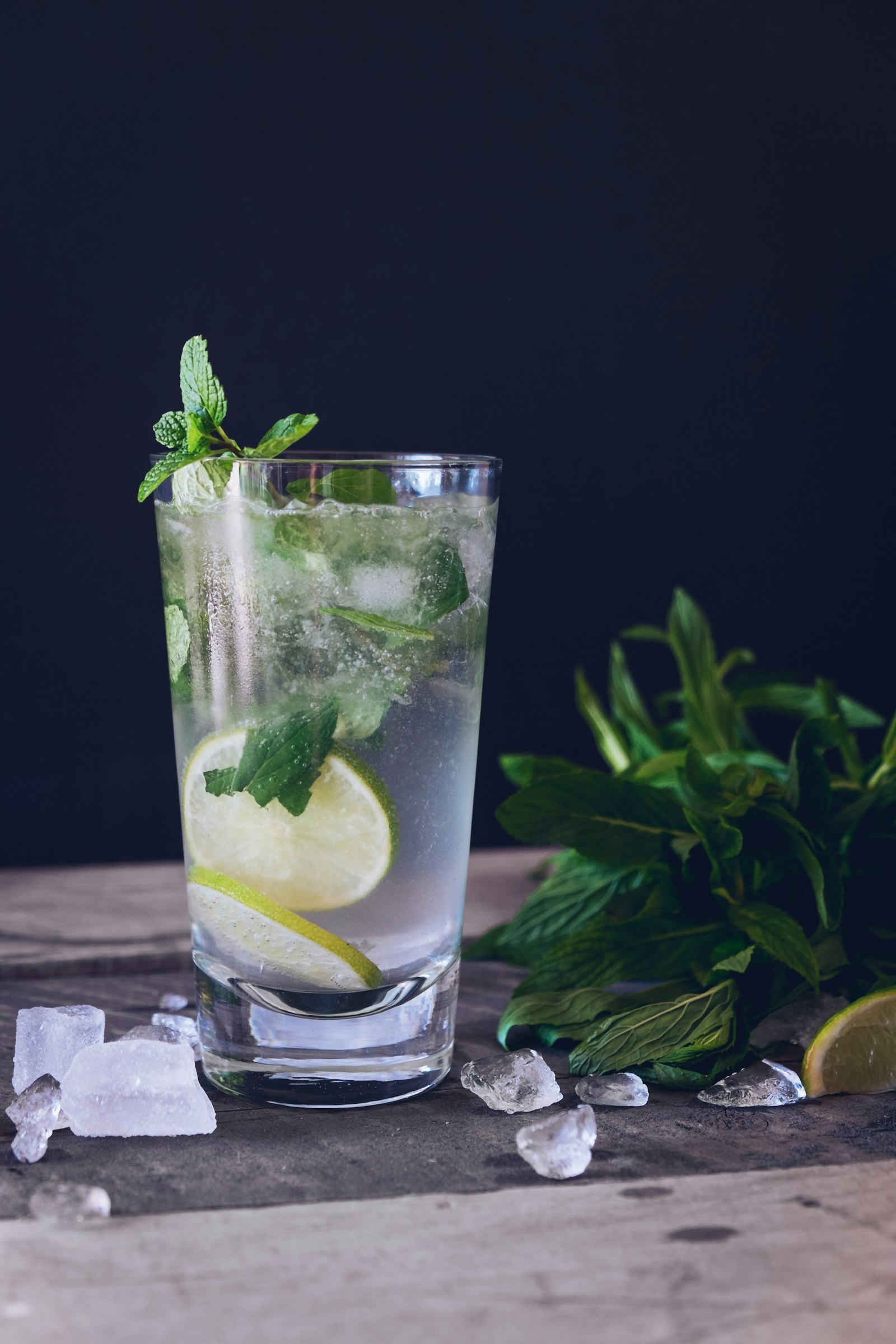
The renewed strength of lemon tea shows that fruit tea is competing not only on flavor but also on thirst-quenching, wake-up energy, and everyday repeatability.Clear cups, bright tea color, and visible ingredients make fruit tea especially suited to social spread. It feels lighter than many thick drinks, but more visually legible than plain tea.
4. Why is fruit tea so well suited to the market's current contradiction: "lighter, but not too empty"?
This, to me, is the core line. Today's tea-drink consumer has not turned into an ascetic. People care about lower sugar, clearer tea bases, and less burden, yes. But most people are not willing to turn everyday drinks into something austere, flat, or purely functional. The industry now has to solve a balancing problem: how to make drinks feel lighter without making them feel dull. Fruit tea is one of the most efficient vehicles for that balance.
It can deliver flavor and memorability without relying on thick dairy structure. Fruit already brings aroma, acidity, sweetness, color, and image. Tea base adds frame, bitterness control, and aftertaste. When handled well, fruit tea can feel lighter than milk tea, livelier than plain tea, and still more respectable than a generic sweet fruit drink. It is an unusually efficient compromise: fruit helps solve the problem of plain tea sometimes feeling too restrained, while tea helps prevent fruit drinks from collapsing into emptiness.
That is why fruit tea works so well as a second major growth narrative after light milk tea. Light milk tea solves: "I want milk tea, but I want it modernized and less heavy." Fruit tea solves: "I don't want something so milky or thick today, but I also don't want a drink so minimal that it has no drama." These are not the same story. Together, they form two strong lines in China's more mature 2026 tea-drink map.
5. How does this connect to light milk tea, ingredient transparency, and unsweetened bottled tea?
Start with light milk tea. Its structural question is how to keep milkiness while reducing heaviness. Fruit tea's structural question is how to keep refreshment while avoiding hollowness. One is about making milk tea lighter. The other is about making light drinks more interesting. Those are related pressures, but not the same topic.
Then ingredient transparency. Fruit tea is often easier for consumers to test with their own senses than milk-heavy drinks are. If a product claims freshness, real fruit, and tea clarity, people quickly start asking whether the fruit note feels genuine, whether the tea base is actually doing any work, and whether the whole thing tastes clean or merely styled as clean. In that sense, fruit tea is a natural amplifier of the transparency trend.
Finally, unsweetened bottled tea. Bottled tea wins on low decision cost and stable repeat purchase. Fruit tea wins on seasonal storytelling, in-store visibility, and social circulation. One is a work-bag and convenience-store hard currency. The other is a summer mood engine. Together they show the same broad split in China's drinks market: one path is about reliability, the other about liveliness; one about daily frictionless repetition, the other about seasonal memory and visible cultural energy.
What makes fruit tea powerful is not just taste. It is how visible it is at the counter, on posters, and across social platforms. It is less stable than bottled tea, but much stronger at generating discussion.
6. Why does this trend also belong to a larger "hydration-feeling economy"?
Fruit tea is not only a flavor trend. It also belongs to what might be called a hydration-feeling economy. This is not a strict medical hydration category. It is a lifestyle imagination that has become increasingly powerful: in hot weather, long commutes, air-conditioned interiors, fatigue, and work pressure, people prefer drinks that feel cooling, reviving, and lightly restorative. Coconut water, lemon tea, light fruit tea, and iced tea hybrids all borrow from that desire.
This language is extremely useful for brands. It feels younger than "wellness," softer than hardcore functional drinks, and less guilt-heavy than pure sweetness. A brand does not need to claim miracle effects. It only needs to make the drink feel appropriate for heat, movement, and bodily reset. Names like salt-electrolyte lemon tea or jasmine coconut drinks work because they signal just enough function-adjacent meaning without tipping into medicinal seriousness.
There is certainly marketing exaggeration in this space. But the underlying shift is real. Consumers are no longer judging drinks only by sweetness and milkiness. They increasingly care whether a drink seems to fit their actual daily condition—whether it feels clearer, lighter, cooler, and easier to keep in the rhythm of an ordinary week. Fruit tea is better positioned for that than most heavy dessert-like beverages.
7. What is the biggest challenge? If fruit tea wants to stay hot, it cannot feel like flavored water.
Fruit tea has real strengths, but it also has an obvious failure mode: emptiness. Consumers may be newly open to fruit tea, but that does not mean they will keep accepting pretty cups that taste like little more than ice and sweet acidity. The return of fruit tea means the category has entered a more demanding stage. Brands now have to build real tea presence, real fruit logic, acidity control, sweetness control, and enough internal structure to stop "refreshing" from becoming "thin."
That means competition in fruit tea is less about piling in more fruit and more about formulation skill. Which tea base works with which fruit? When do you add coconut tone, salt tone, cooling sensation, sparkling lift, or visible pulp? How much acidity creates memorability without fatigue? Which drinks should be commuter-sized and repeatable, and which should be launch pieces designed to generate immediate online attention? Fruit tea's return to the center does not make the category easier. It makes it more technically demanding.
8. Where does this go next?
First, fruit tea will likely continue moving toward more legible tea bases. Consumers will increasingly talk about jasmine-base fruit tea, oolong-base fruit tea, red-tea-base fruit tea, and so on, rather than treating everything as generic "fruit tea."
Second, coconut-water drinks, lemon tea, and other hydration-feeling products will remain crucial because they can bridge repeat purchase and seasonal buzz better than many heavier drinks can.
Third, classic fruit drinks will not disappear, but they will be rewritten in a more restrained register. Mango pomelo sago is not going away. Grape tea is not going away. But both need new balances between classic pleasure and contemporary lightness if they want to keep cultural energy rather than feel stale.
9. Why does fruit tea matter in the larger story of Chinese tea-drink culture?
Because it shows that the modernization of tea in China does not only mean making tea more serious, purer, or more austere. It also means reconnecting tea with fruit, summer, cooling, sociality, and urban routine in new ways. Fruit tea is not outside tea culture's longer history of blending and adaptation. It is one of the clearest examples of how tea keeps expanding in response to new retail systems, cold-chain logistics, visual media, and contemporary seasonal habits.
Read alongside our piece on new-style tea's continuity, our feature on light milk tea, and our bottled tea analysis, fruit tea's return looks less like a fad and more like evidence of a market still reorganizing itself. One side of tea drinks is becoming more stable and everyday. Another is becoming more seasonal, more visual, and more emotionally legible. Fruit tea is one of the clearest places where that second line is being rewritten in real time.