Made-to-order tea watch
Why Guizhou Bingjiang-Style Tea Drinks Matter in 2026: From Regional Dessert Inspiration to a Cooler, Chewier, More Afternoon-Friendly Menu Rewrite
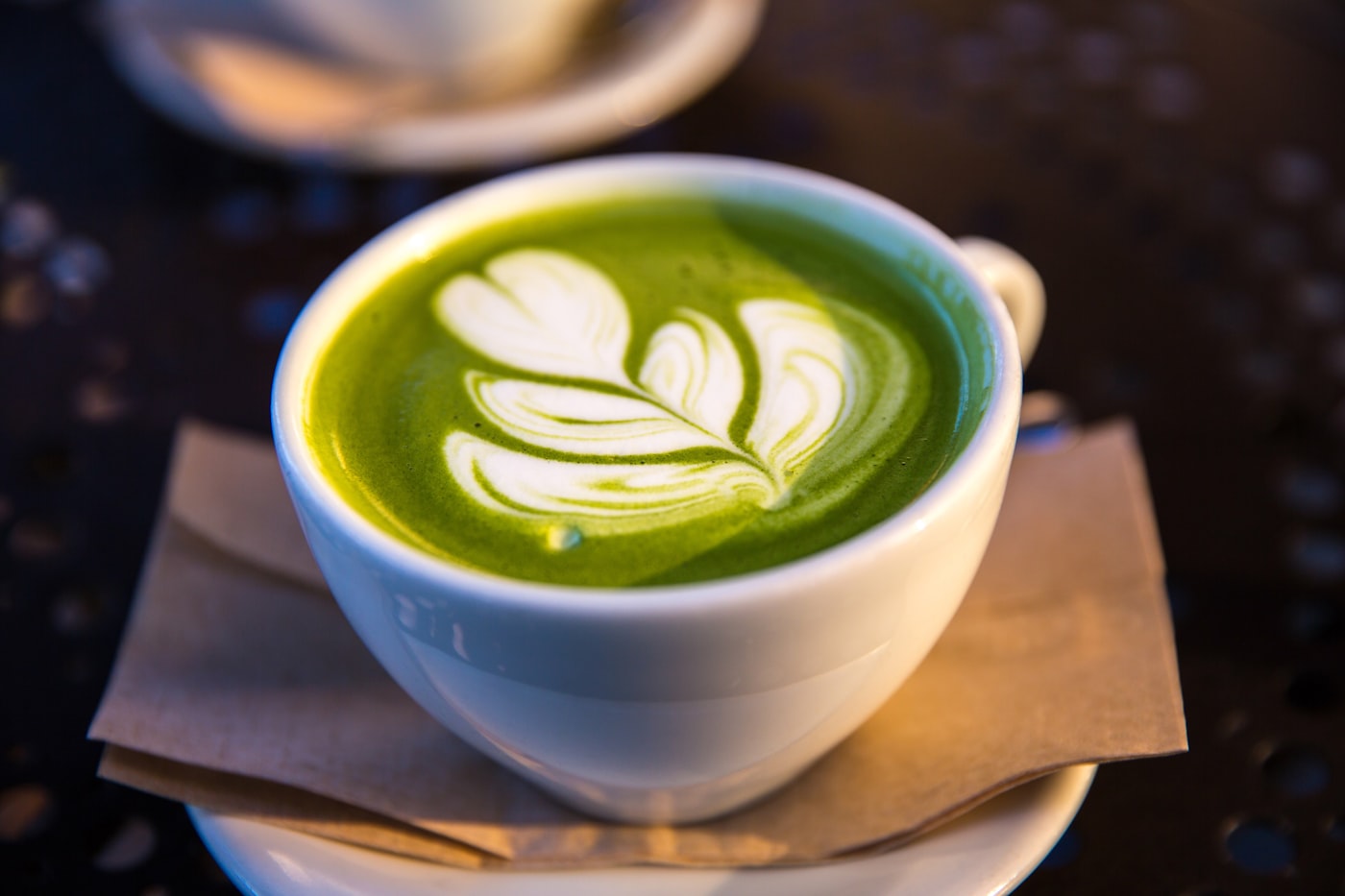
If you line up the quieter but more revealing menu shifts of spring and summer 2026, Guizhou bingjiang-style tea drinks deserve their own place. This is not just a local dessert being borrowed for a moment, and not just stores searching for one more seasonal buzzword. What is happening is more specific: brands are starting to translate a very particular need—something cooler, a little chewy, but not too milky or too heavy—into a regionalized tea-drink structure. When Shuyi Grass Jelly uses traditional Guizhou bingjiang as inspiration for drinks like kale yogurt Guizhou bingjiang and mango-pomelo-style Guizhou bingjiang, the real signal is not the place name alone. It is that stores are learning to write cooling sensation, gentle chewiness, local memory, and summer-afternoon mood into a single cup.
This matters because it connects naturally with several drinks lines already visible in 2026. The first is regional flavor as a differentiation tool: brands are no longer satisfied with just mango, grape, coconut, or jasmine, but are building products around local ingredients, local methods, and local taste memories. The second is lower burden without losing content: people still want a drink that feels substantial, but they do not always want thick milk, heavy sugar, or overloaded toppings. The third is more finely managed post-meal and afternoon occasions: consumers are increasingly willing to pay for a drink that fits a specific moment, not merely one that feels new. Bingjiang-style drinks happen to catch all three.
The interesting thing is that they are not selling extremity. Not extreme juice, not extreme dairy, and not extreme functionality. What they offer is a middle structure: first the chill, then a light sweetness, then some yogurt or light-milk adhesion, then a chewy, semi-thick center that keeps the cup from collapsing too quickly, and finally a cleaner finish. Many summer drinks fail at one of two ends: either the front is too bright, too sugary, and turns tiring fast, or the structure is shaved down so much that only an attractive cold liquid remains. Bingjiang texture gives stores a third route. It lets a drink feel more complete without taking it back into the era of heavy milk, heavy sugar, and oversized toppings.
What this article looks at
Core question: why Guizhou bingjiang-style tea drinks in 2026 are not just a regional gimmick, but a summer drinks branch worth tracking Key clues: Shuyi Grass Jelly's Guizhou bingjiang series, regional flavor extension, cooling sensation plus soft chewiness, yogurt/light dairy bases, post-meal and afternoon occasions, switching out of heavy flavors, high-frequency summer repurchase Who this is for: readers who want to understand why stores are turning “cooling, light chewiness, local memory, and afternoon mood” into a systematized menu language instead of just one more summer launch
1. Why does Guizhou bingjiang-style tea drinks become worth isolating in 2026?
Because ready-made tea has moved beyond simply selling “a more refreshing summer.” Over the past two years, stores have already refined the refreshing side of the menu in many directions: cooling-factor lemon tea, electrolyte lemon tea, coconut-water tea drinks, sparkling tea, and series-based Oriental iced tea all compete for the “cooler, lighter, more summer-friendly” position. Once everyone knows how to write freshness, hydration, light burden, and real tea base, the next step is no longer who can be lighter, but who can make light drinks feel less empty.
Bingjiang-style drinks answer exactly that. They do not rely on thickness like heavy dairy drinks, and they do not rely on high-bright fruit projection like explosive fruit drinks. They stand on cooling sensation, a soft chewy center, and a local dessert association. That chewy center is the key. It is not just about adding toppings. It is about preventing a drink from disappearing too quickly in the mouth. It gives stores a way to recover “this cup has some content” without going back to the heavier logic of thick milk, high sugar, and overloaded add-ins.
This is also why Red Dining's reporting places Guizhou bingjiang alongside regional ingredients. The significance of regional ingredients is not merely the place name. It is that they provide a basis for saying, “this is not a generic summer sugar drink with no origin.” Bingjiang as a format already carries a local everyday feel—summer street snacks, cooling desserts, and place-based relief from heat. In 2026, stores need precisely these materials: things that can be absorbed into modern menus without losing their local sense of origin.
2. What these drinks really sell is not “Guizhou,” but a cooler, chewier middle structure
The easiest mistake with regional-flavor products is to sell the place name as front-end theater. The name sounds distinctive, the first glance stops people, but the liquid turns out to be only a routine fruit-milk or cold-drink rewrite. If Guizhou bingjiang-style drinks are to work, they cannot rely on the word “Guizhou” alone. What they really sell is a more precise oral structure: cool on entry, light sweetness up front, then some yogurt or light-dairy cohesion, then a chewy iced center that holds the middle of the cup together, and finally a clean enough finish that the drink does not collapse after two sips.
That is also what separates them from many ordinary summer fruit-milk drinks. Plenty of fruit-milk drinks are bright in the opening and easy to call “good” on first impression, but they often run into two problems later: they get cloying, and they get loose. Bingjiang texture corrects both. Sweetness does not need to hit so hard because chewiness already contributes part of the satisfaction. The cooling effect also does not stay at the surface because the middle has structure; it does not vanish right after the first sip. So the point is not to make the drink heavier. The point is to make it less likely to feel hollow.
That matters in 2026 because stores are getting better at managing products that are light but not too thin. Consumers care about lower burden, but they are no longer satisfied with drinking something merely because it is “the right choice.” They also want a drink that is right and still a little interesting. Bingjiang texture sits right on that line: lighter than heavy dairy drinks, more substantial than pure water-like drinks, and easier to finish cleanly than topping-heavy fruit cups. It is not the loudest answer, but it looks very much like a lasting one.
3. Why is it especially suited to afternoons, strolling, post-meal moments, and muggy weather rather than just a summer poster campaign?
Because these are all state-switching occasions, not maximum-satisfaction occasions. Afternoon is the clearest example. Many people do not want an especially milky, sugary, self-rewarding cup at that hour, but they also do not want a tea or water-like drink with no presence. The same goes for strolling: you want something in your hand with chill, a little sweetness, a little content, but not too much heaviness. Post-meal is even clearer—especially after lunch or a lighter dinner, people often want something that closes the meal rather than something that keeps stacking burden on top of it.
In muggy weather this becomes even more useful. High-acid, high-sugar, strongly fruity drinks can absolutely provide quick pleasure, but many people find the later part sticky, noisy, and overly lively. Bingjiang-style drinks offer a buffer beyond coldness. Chewiness and a light dairy texture make the cup feel steadier, while the regional dessert association keeps it from feeling as instrumental as a functional drink. That is why it fits the label of a “summer afternoon state drink”: not the most explosive cup, but the one best able to carry people out of a sticky, hot, slightly lazy, slightly craving state.
This is also why it connects so naturally with the site's existing lines on the second cup, post-meal tea drinks, and muggy-weather tea drinks. It does not need to invent a new occasion. It simply offers a more regionally distinctive and more mid-structured answer inside occasions that already exist.
4. Why is this also part of “regional flavors returning to the mainstream menu,” rather than just a local reference point?
Because it shows that the way stores use regional flavor is changing. In an earlier phase, many so-called regional flavors worked mainly as cultural filters: a more local-sounding name, a more place-coded package, one more local ingredient in the copy, and consumers would feel the drink had a story. But in 2026, the more interesting shift is that regional flavor no longer serves naming and posters alone. It is entering texture itself. That is exactly what Guizhou bingjiang-style drinks do. They borrow not just a place term, but a local dessert method and eating experience—cool, chewy, softly dense, lightly rebounding with sweet and sour—and then translate that experience into a structure suitable for modern store production and high-frequency repurchase.
This aligns with the logic discussed in the site's piece on regional-flavor tea drinks: a regional cue truly matures only when it carries a structural product task, not merely a naming task. Litsea can supply mountain-wildness, sticky-rice aroma can provide a mature warmth and stability, sour plum soup can provide a Chinese-style closing finish, chenpi-like citrus peel notes can provide gentle correction, and bingjiang texture provides a summer middle built on “cool but not empty, chewy but not heavy.” Once a regional clue begins carrying structural work rather than just naming work, it stands a much better chance of lasting.
That is why I would rather read Guizhou bingjiang-style drinks as the modernization of regional experience than as regional-flavor marketing. Marketing is obviously present. But without structural support, marketing gets exposed quickly. Once structure holds, marketing becomes an accelerator instead. What makes bingjiang texture worth watching right now is precisely that it appears to have this structural potential.
5. Where are the limits of this trend?
First, it is very easy to get the concept right and the liquid wrong. If the cooling effect is not clean, the chewiness gets too sticky, sweetness runs too high, or yogurt/light dairy erases tea presence completely, the drink slips from “modern summer drink with regional inspiration” back into a heavy dessert cup with a clever name. Second, it does not automatically mean healthier. These drinks are often read as more summer-appropriate, more afternoon-appropriate, and more low-burden, but that is mainly a psychological reading advantage, not an automatic nutritional conclusion. Third, the hardest part is scale. If you make it too light, it collapses into an ordinary fruit-milk cold drink; if you make it too heavy, it loses the smooth repeatability that high-frequency occasions value most.
So the difficult part is not inventing the term. It is holding five things at once: coolness, chewiness, sweetness, a sense of locality, and a sense of state management. If those stay in balance, this looks very much like a 2026 menu answer. If they do not, it quickly shrinks back into a one-season talking point.
6. Why does this belong inside the larger sequence of 2026 drinks changes?
Because it proves again that the center of innovation in ready-made tea is shifting from “make one more eye-catching new thing” to “reorganize familiar life experiences into drink structures.” From the second cup, post-meal drinks, night drinks, and muggy-weather drinks, to regional flavors, sticky-rice aroma, chenpi-like notes, sour plum soup, and sparkling tea, the site has been mapping the same territory for months: stores are increasingly designing products around specific moments, specific states, and specific after-effects rather than just around ingredient names or sweetness levels.
The value of Guizhou bingjiang-style drinks is that they bring “regional dessert experience” into this map, and not in a nostalgic way but in a high-frequency way. The point is not to make consumers briefly remember a place. The point is to make them reach for the drink in a very practical moment—summer afternoons, post-meal strolls, muggy weather, a desire for something cooler but not too empty. If that step really works, then this is not just a spring-summer micro trend of 2026. It becomes a menu language worth tracking over time.
In the end, Guizhou bingjiang-style tea drinks matter not because they are radically new, but because they explain how the industry is maturing: moving from selling coldness to selling states, from selling coolness to selling structure, and from selling regional nouns to selling regional experience translated into modern daily life. For the drinks section, that clearly makes it a line worth following.
Continue reading: Why tea brands in 2026 are writing regional flavor more seriously, Why post-meal tea drinks are becoming a stable occasion, Why stores are seriously competing for the second cup, and Why sticky-rice green tea is becoming a distinct tea-base identity.
Sources and references
- Red Dining: More than just turning “salty”! Is the other 2026 tea-drink tailwind regional ingredients?
- The discussion of Shuyi Grass Jelly's Guizhou bingjiang-related products mainly relies on the case information summarized in Red Dining's coverage of the 2026 tea drink category report.
- Related in-site features: regional flavors, the second cup, post-meal tea drinks, sticky-rice aroma tea drinks, and muggy-weather tea drinks (March–April 2026).