Tea-drink trend watch
Why Cold-Brew-Feel Tea Drinks Are Becoming a Distinct Product Language: From “Cleaner, Lighter, Slower” to the 2026 Cold-Extraction Imagination
If I had to single out one of the less noisy but more revealing changes in China’s 2026 tea-drink market, I would choose the rise of the cold-brew feel. This does not mean every cup is literally made through one strict long cold-brew process, nor does it mean every chain has already turned extraction parameters into menu copy. What it does mean is that more and more tea drinks are trying to present themselves as cleaner, lighter, less bitter, slower in bodily impact, and easier to keep drinking. What they are selling is not simple cooling. They are selling a systematically organized imagination of cold extraction.
This trend matters not because Chinese tea chains have suddenly discovered cold brewing, but because modern tea brands are finally turning “cold-brew feel” from a technical edge term into a readable everyday language. Menus used to foreground fruit, light dairy, lower sugar, real tea base, sparkling formats, upgraded milkiness, and oriental iced-tea naming. By 2026, another group of phrases appears more often: clearer, lower bitterness, cold-extraction feel, softer stimulation, easier drinking, suitable later in the day, cleaner floral aroma, and a cup that does not press too hard on the body. These labels do not always appear in exactly the same form, but together they point to a recognizably shared product band.
It also connects naturally to several drinks lines already documented on this site. Lower-caffeine tea drinks deal with the question of keeping stimulation gentler. Late-night tea drinks deal with what people can still drink in the evening. Office tea as survival supply deals with repeat buying across the workday. Tea-base identity deals with what tea the customer is actually drinking and why it feels the way it does. Cold-brew-feel tea sits exactly where these lines meet. It still needs to feel like tea, but softer than the concentrated hot-steep image many people carry in their heads. It still needs flavor, but not the pressure of a hard-driving functional drink.
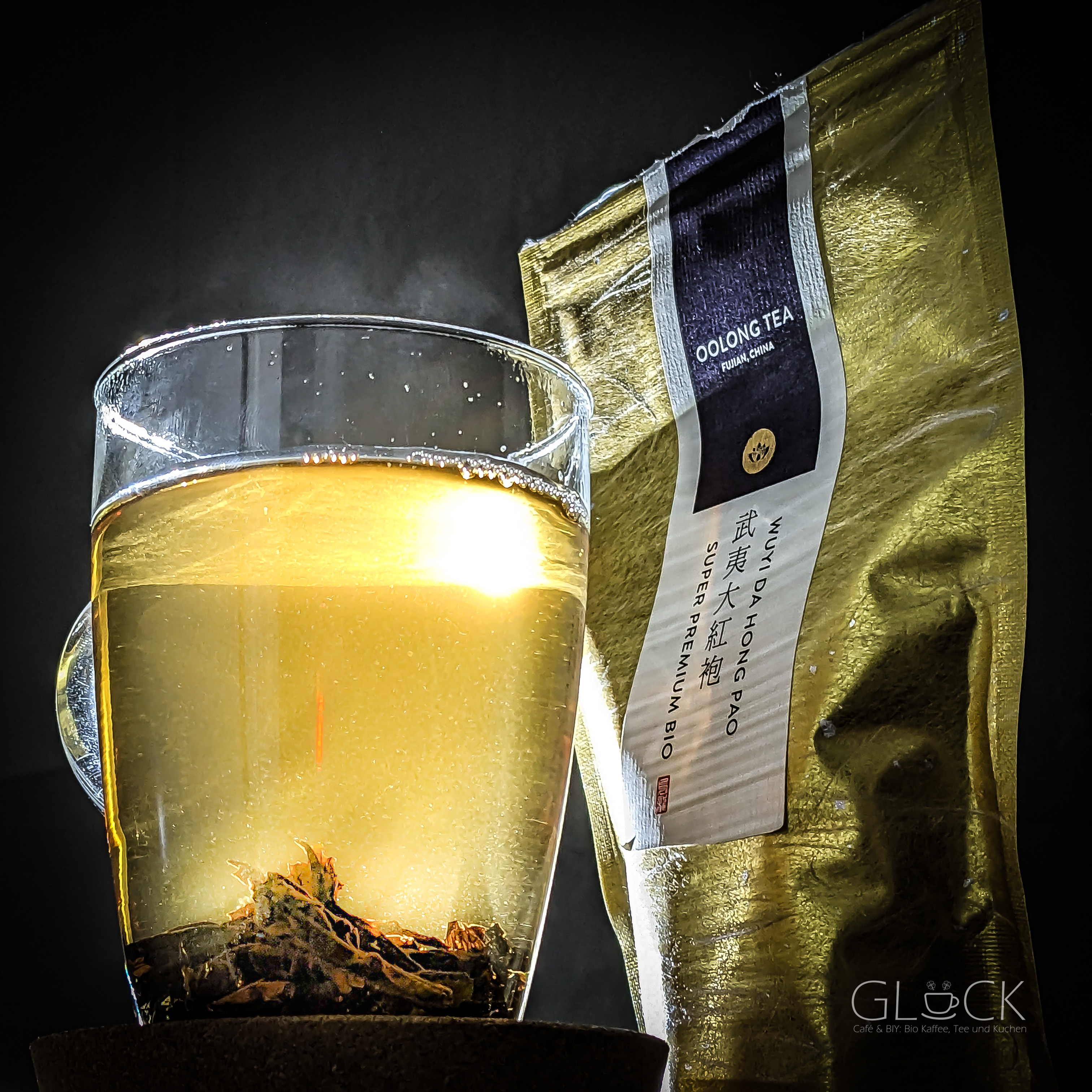
What this article is looking at
Core question: Why 2026 tea chains are turning the cold-brew feel into a distinct language Signals: cold brew, cold-extraction feel, lower bitterness, floral clear tea, transparent visuals, softer stimulation, late-day use, second-cup logic, tea-base identity Who this is for: readers trying to understand why many “light” tea drinks are not simply weaker, but are instead rewriting tea into a form better suited to frequent urban consumption
1. Why is the cold-brew feel moving from a technical edge into a menu-level main line?
Because the tea-drink market has reached a point where it must rethink tea intensity itself. Over the past few years, brands have focused on whether a drink feels like real tea, whether it is lower in sugar, whether the dairy is lighter, whether the ingredient list is cleaner, and whether fruit or tea identity is more legible. Those lines are still ongoing, but once they become common language, a new question appears: if everyone is emphasizing real tea, how strong should that tea feel in the cup? If the tea is too hard, too bitter, or too aggressive in the mouth, it may look more authentic, but it will not necessarily fit frequent repurchase or the finer time-splitting of daily life.
Cold-brew-feel tea becomes useful at exactly this point. It gives brands an intelligent middle option. Instead of returning to tea-less sweet drinks, and instead of equating authenticity with maximum bitterness or maximum concentration, brands can rewrite tea as something cleaner, more transparent, and more gentle in structure. Consumers do not need to know whether every drink was literally made through one pure cold-brew method. What they quickly understand is simpler: this cup is less sharp, less rough, and less physically pressing. In a 2026 retail environment, that understanding is highly valuable because it naturally opens more drinking occasions.
In other words, the cold-brew feel matters now not because it is brand new, but because it answers the market’s next question: once tea has become more important again, how can that tea be rewritten to fit modern life better?
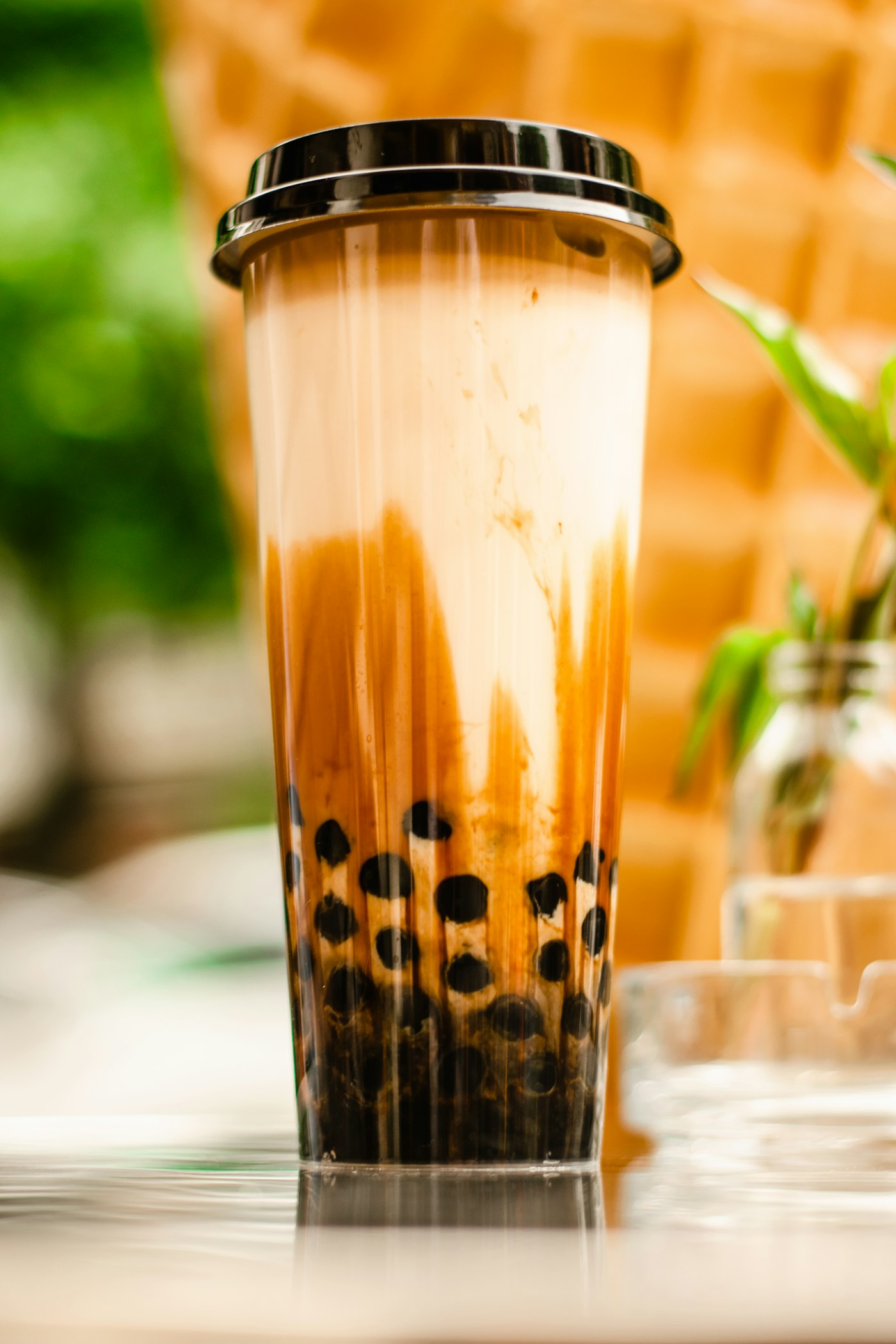
2. The “cold-brew feel” is not strict process certification. It is a form of consumer legibility.
This point has to be stated clearly. Many drinks being sold today under the broad umbrella of a cold-brew, ice-extraction, or soft-cold feel are not necessarily made through one identical process, nor do all chains publish transparent extraction parameters. What first matters for the consumer is not process definition but sensation definition: brighter clarity, softer edges, lower bitterness, cleaner floral expression, and less bodily pressure after drinking. In other words, the cold-brew feel is first of all a designed reading experience.
That is not a weakness. It is the main reason the category can function. Most customers do not walk into a store carrying an extraction chart. What they read is the result: whether the drink enters smoothly, whether the finish feels clean, whether the tea is still present without tightening the whole mouth. If a product can repeatedly deliver those outcomes, the store has a good reason to place it inside this language. Modern tea retail is increasingly not just about the ingredient itself, but about how the ingredient is translated into a bodily interpretation the customer can quickly grasp.
Of course, that also sets a boundary. The cold-brew feel cannot become a meaningless label. A cool-sounding name and a pale visual do not automatically make a cup better tea. The versions that last will still be the ones that balance flavor, aroma, astringency control, and total cup structure well. The cold-brew feel is not an excuse for laziness. It is a more demanding structural language.
3. Why does the cold-brew feel fit so naturally with lower-caffeine rhetoric, late-night tea, and second-cup logic?
Because all three are trying to solve the same problem: consumers still want tea, but they do not want every cup to feel like an act of stimulation. In the site’s feature on lower-caffeine tea drinks, we already noted that many people are not buying a precise number so much as a sense that a drink will be easier for the body to accept. The cold-brew feel is naturally suited to that rhetoric. Even when the exact stimulation level cannot be reduced to a simple claim, consumers still tend to read cleaner, smoother, and lighter as less physically pressing. That is crucial to lower-caffeine perception.
Its link to late-night tea is just as direct. The danger of an evening tea drink is not that it lacks taste, but that it has too much presence. A late-night tea has to preserve some sense of tea companionship without sending the body too aggressively into work mode. Here the cold-brew feel provides an excellent language. It does not need to claim zero stimulation. It only needs to present itself as slower, softer, and less intrusive in the body. That is exactly the zone consumers tend to read as plausible for later hours.
Take one more step and the connection to second-cup tea drinks and office tea becomes equally natural. During the workday, the most necessary cup is often not the strongest one, but the one that causes the least hesitation about ordering again. Cold-brew-feel tea sells that compatibility: there is tea taste, there is aroma, there is some lift, but without heavy pressure, rough bitterness, or a demand for too much emotional budget.
4. Why does the cold-brew feel so often attach itself to floral clear teas, lightly roasted oolong, and white-tea-like profiles?
Because those tea bases are already easier to write as clear without becoming empty. If more deeply roasted teas, darker reds, and heavy milk structures are better at carrying fullness, density, winter logic, or post-meal functions, then the cold-brew feel is better at carrying another cluster of words: transparency, floral lift, light alertness, smoothness, slower drinking, less hardness, and suitability for late afternoon or later hours. Jasmine, gardenia-like floral blends, lightly roasted oolong, white-tea-coded softness, and cleaner aromatic tea types already live closer to a passing breeze than to a frontal sensory удар. Their grammar fits the cold-brew feel well.
The important point is not dilution but cleaner edges. Many people assume the cold-brew feel simply means weaker tea, but the versions that truly work are not built that way. Aroma still has to be identifiable. The tea base still has to remain legible. The difference is that bitterness and astringent edges are held back, transitions are rounder, and cold serving no longer turns the whole cup into a hard object in the mouth. That is why the cold-brew feel actually forces brands to treat tea bases more seriously, not less seriously.
So I do not think the cold-brew feel weakens tea-base identity. In fact, it deepens the need for it. The store has to explain why this cup is jasmine, why that one is lightly roasted oolong, why this other one carries a white-tea-like softness, and why those teas are more suitable for a cleaner, gentler reading than others. The cold-brew feel is not de-tea-fication. It is more precise tea use.
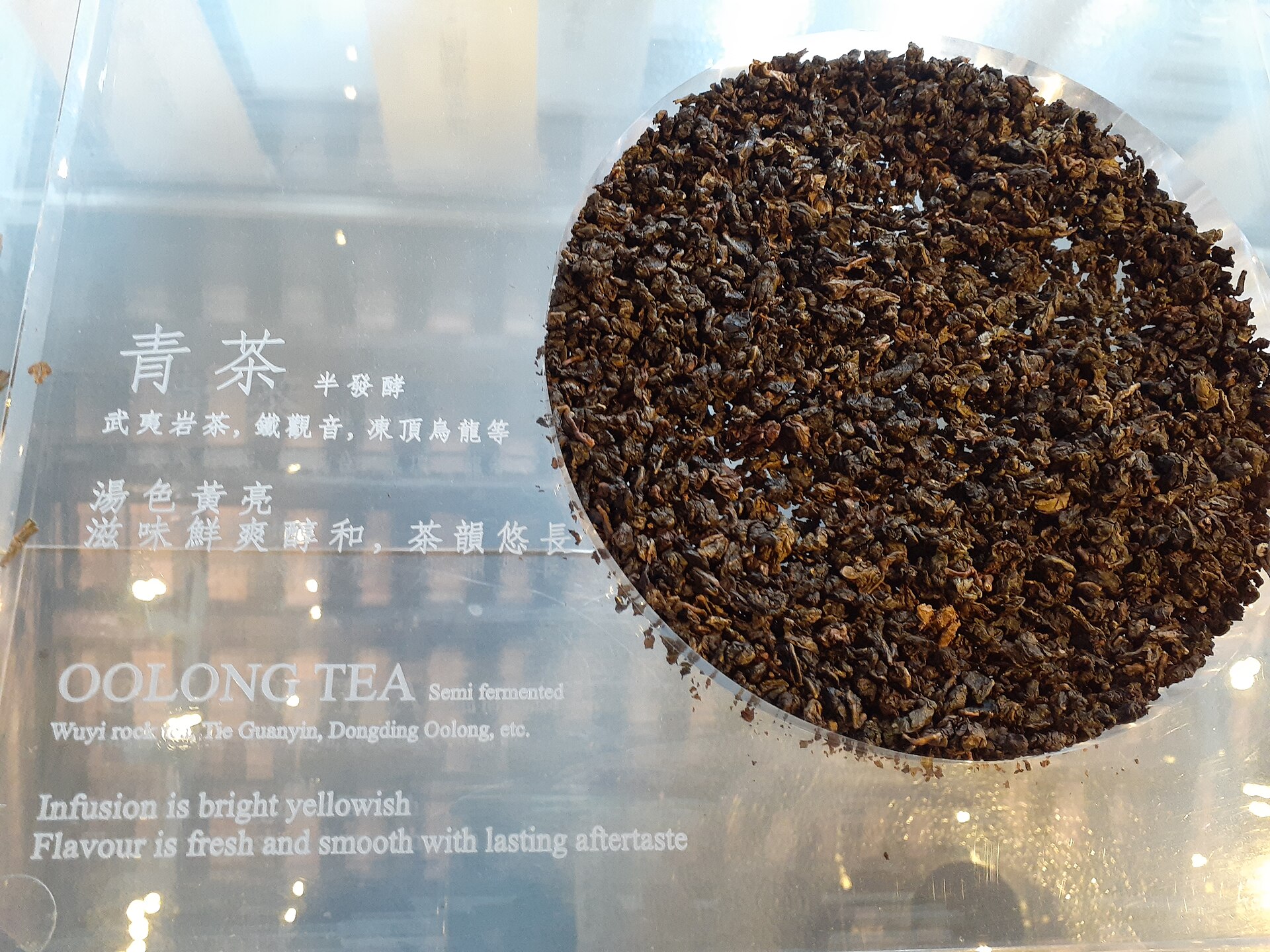
5. Why do brands like the cold-brew feel? Because it is one of the few expressions that can raise both frequency and seriousness.
From the brand side, the cold-brew feel is attractive because it is not only a one-time curiosity term. First, it naturally supports frequent repurchase. A drink read as smoother, lighter, and more suitable for repeated use is more likely to become part of a stable routine than one tied only to festive or high-stimulation moments. Second, it still avoids the emptiness of pure plainness. Once cold-brew, ice-extraction, lower bitterness, and cleaner floral structure are explained well, consumers read them as signs of careful handling rather than simple reduction.
That is what makes the language so clever. It can push a tea drink toward more frequent use while also pushing it toward the idea of being more carefully made. Most product languages only win on one side: either they emphasize function and frequency, or they emphasize craft and refinement. The cold-brew feel has a chance to take both. For tea brands that increasingly depend on repeat buying without giving up the need for communicable differentiation, that is extremely useful.
Put more directly, the cold-brew feel is a form of low-burden sophistication. It does not announce itself as loudly as yogurt, milk skin, or thick dairy. It does not demand the education cost of extreme regional flavors. But it still lets the customer feel that this tea was not simply weakened. It was intentionally cleaned up. That is a very 2026 urban retail feeling.

6. Why is the cold-brew feel not a replacement for oriental iced tea, sparkling tea, or pure cold-brew tea, but rather a finer cut inside “cold tea” itself?
This site has already discussed oriental iced tea and the return of sparkling tea. The cold-brew feel is not trying to replace either of them. It is helping divide the broader category of cold tea drinks more finely. Oriental iced tea emphasizes naming logic, tea-base expression, and the serialization of cold tea. Sparkling tea is better at producing a brighter and faster sensory rhythm. The cold-brew feel is doing something else: it asks how a cold tea can avoid feeling too hard, too sharp, or too much like an instant stimulation tool.
In that sense, it is not building a separate world. It is naming the gentler zone inside the existing cold-tea map. That naming matters. Once stores can explain that zone clearly, consumers begin to order by situation: today I want tea, but not something too heavy, so I choose the cold-brew feel; today I want more brightness and momentum, so I choose sparkling tea; today I want a stronger oriental category signal, so I choose oriental iced tea. That kind of differentiation turns the menu into a map of time and condition rather than a pile of flavors.
So the value of the cold-brew feel is not only that it adds a new phrase. It turns cold tea from a temperature choice into a bodily-sensation choice.
7. Where is the risk in this trend? The biggest problem is not that it becomes too cold, but that it becomes too empty.
Of course there will be hollow versions. Not every drink marketed as cleaner, smoother, and gentler really works. Some simply thin the tea out. Some let the aroma drift too far without structure. Some reduce bitterness by removing tea presence itself. Others imitate refinement through visuals and copy while delivering very little actual depth. These products all run into the same problem quickly: the first sip may seem harmless, but by the second sip the cup feels underbuilt, and by the end there is little left to remember.
That is the real boundary of the cold-brew feel. It cannot just mean “lighter,” and certainly cannot just mean “weaker.” A genuinely successful cold-brew-feel tea still has to feel complete while being light: aroma, tea-base identity, finish, and pacing all have to remain in place. The only thing removed from the foreground is the rough pressure of bitterness and hardness. The brands that can do that will turn the cold-brew feel into a lasting language. The brands that cannot will only be selling a better-named weak tea.
There is another important caution too. The cold-brew feel is easy to over-healthify. Consumers naturally associate it with being cleaner, gentler, and more moderate, but that does not mean every such product automatically fits every person, time, or frequency. What is guaranteed here is not universal suitability, but legibility. Whether the trend can last still depends on whether the drinking experience stays stable and credible.
8. Why does this deserve a place in the continuing story of Chinese modern tea in 2026?
Because cold-brew-feel tea shows that modern tea brands are no longer competing only over what ingredient is inside the cup. They are competing over what state the cup will place you in. In the previous wave we saw the return of light milk tea, tea-base identity, lower-caffeine rhetoric, late-night tea, office-supply tea, and second-cup logic. The cold-brew feel tightens all of those lines one step further. If consumers want to keep tea, keep flavor, and keep tea’s everyday companionship, but no longer want every cup to feel hard, forceful, or like a task of stimulation, then what language lets brands sell tea into more hours of the day?
One answer is the cold-brew feel. It will not replace all strong tea, hot tea, or sparkling tea, and it will not make shops abandon more dramatic products. It is better understood as a very modern, urban, 2026 middle band. You want tea, but you do not want tea to press down on you. You want some state change, but not to be managed by that state change in return. You want another cup, but you still want it to feel like something made with care. The cold-brew feel reorganizes those tensions into a product language that can be sold, explained, and repeatedly bought.
That is exactly why it deserves continued attention. For this drinks section, the cold-brew feel is not a minor technical label. It is a new way of managing the relationship among time of day, body, and tea retail. The question is no longer only whether a cup contains real tea. It is whether that real tea can be made more suitable for repeated modern use. The subject looks light, but it runs deep.
Related reading: Why lower-caffeine tea drinks are becoming a distinct narrative, Why tea drinks are becoming more night-oriented, Why tea drinks increasingly look like office survival supplies, Why tea bases are getting identity cards, and Why “oriental iced tea” became a series format.
Source references
- Heytea official site
- Guming official site
- Existing site features: lower-caffeine tea drinks, late-night tea, office tea, second-cup tea drinks, and oriental iced tea (March–April 2026)