Fresh tea drinks feature
Why Cheese Tea Never Really Disappeared, but Was Rewritten into a Lighter, More Stable, More Structural Top Layer: From Viral Symbol to Formula Component, Cheese Foam Is Entering Its Second Life
If you only follow rotating Chinese internet buzzwords, it is easy to assume cheese tea belongs to an earlier generation of modern tea. It was once extremely visible, extremely photogenic, and built around a strong first-sip contrast. Then it seemed to be pushed aside by light milk tea, fresh-fruit tea, whole-leaf milk tea, lower-burden narratives, and more transparent formula language. But if you actually look at the structure of many current drinks, cheese foam never truly left. What disappeared was the older, thicker, more theatrical version—the kind that demanded to dominate the cup. What remains is a lighter, thinner, steadier top layer that helps complete the drink: softening tea edges, buffering sourness or astringency, improving closure, and making low-sugar cups feel more finished. In other words, cheese tea did not die. It turned from a viral symbol into product engineering.
That is why I would rather describe the current stage as a second life than as a comeback or a collapse. This site has already written about the return of light milk tea, why toppings are getting simpler, tea base identity, why menus now write product identity cards, and why salty milk tea keeps rising in 2026. Put together, those lines suggest that current tea shops do still want top-layer mouthfeel, but no longer welcome a top layer that overwhelms the drink. What shops are trying to keep is the most useful part of old cheese tea: the ability to make a cup feel immediately more complete.
So the real question here is not whether cheese tea is still fashionable. It is why, in 2026, cheese foam has been rewritten into a more restrained and less visible but still very important structural part of drinks—and why, once it stepped down from star status, it may actually have become harder to replace.
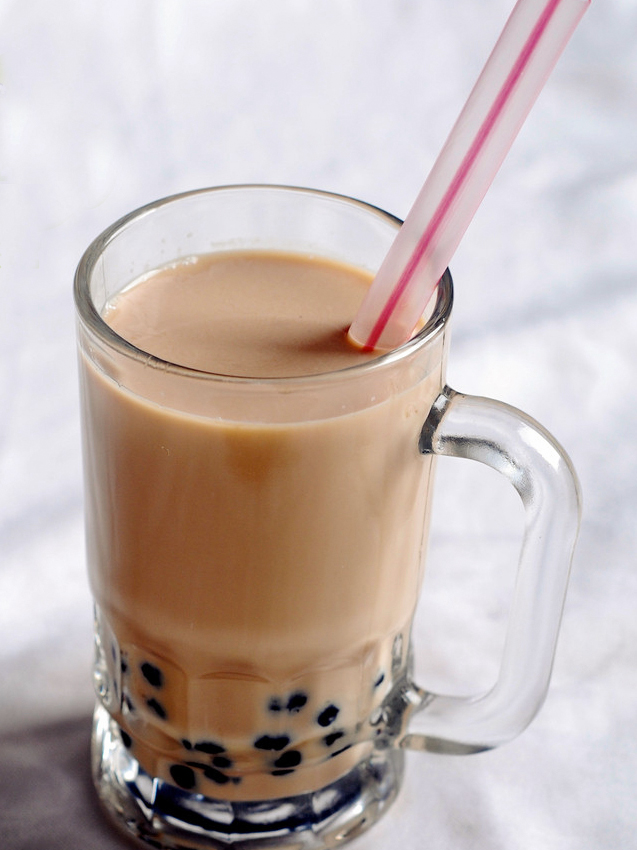
1. Why do so many people think cheese tea disappeared? Because visible cheese caps declined, while functional top layers remained
People think cheese tea disappeared because it is no longer as loud as it used to be. At its peak, the product logic was obvious: the top had to be visibly thick, clearly separate, strongly sweet-salty, and instantly readable as something beyond ordinary milk tea. Ideally it also came with a ritual—do not shake, sip from the rim first, let tea and cap arrive in layers. That structure worked in its first phase because it solved recognition, spreadability, and mouthfeel memory all at once.
But the same logic also revealed its limits. First, very thick caps could bury the tea base so completely that what people remembered was foam rather than tea. Second, if the sweet-salty contrast was pushed too hard, the product felt more like a one-off stunt than a repeatable drink. Third, once the industry moved toward lighter burden, more visible tea character, lower sugar, freshness, and ingredient transparency, an aggressively present top layer began to feel old-fashioned—less like part of a coordinated modern drink system and more like a leftover device from an earlier viral era.
So the category was not removed. It was thinned, rebalanced, renamed, and repositioned. Sometimes it is still called cheese cap; sometimes cheese foam, cloud top, milk foam, light cheese top, or salty milk top. The names vary, but the function is often the same: the top layer is no longer there to perform independently. It is there to serve the cup more closely. Visible cheese caps became rarer; functional top layers became more widespread.
This is the fate of many former viral components. What survives is usually not the most extreme or screenshot-friendly part, but the part that can be absorbed into everyday product systems. Cheese foam has now reached that stage: it has shifted from a visible trick into a component that quietly improves completion.
2. Why does today’s cheese foam feel more like a mouthfeel framework than an isolated selling point?
Because most current launches no longer want a single accessory to carry the entire memory of the drink. In the past, cheese caps could act as a standalone selling point because the market was still being educated through clear one-point innovations: pearls, cheese caps, dirty layers, explosion toppings. Today shops are better at selling why a cup works as a whole, not merely what extra thing sits on top. In that context, the most logical role for cheese foam is not to steal the scene, but to provide structure.
Calling it a mouthfeel framework means it does not have to supply the entire flavor identity. It organizes the beginning of the sip. A little salty-dairy note on top can anchor fruit teas or high-aroma tea bases that might otherwise feel too airy. A little fat and softness can make the body feel less thin. A bit of density can keep a low-sugar drink from feeling too loose. It acts like a prepared underlayer for the first seconds of the cup, helping the drink feel complete more quickly.
This also explains why many current top layers are less theatrical than older ones but easier to finish. Old heavy cheese caps were good at creating a first-sip “wow.” Newer lighter ones are better at creating “smoothness.” The first is useful for virality. The second is useful for repeat purchase. Both matter, but in high-frequency everyday products, the second often matters more.
So whenever a brand still keeps top-layer structure seriously, what it is usually preserving is not the old cheese-tea shell as such, but the specific capability cheese foam has always offered at its best: giving the sip an order, buffering the tea base, and helping the drink become coherent from the start.
3. Why does this lighter top-layer structure fit the language of 2026 tea drinks better?
Because tea-shop language has clearly changed. What sells now is not “heavier means richer,” but “clearer, more restrained, and better justified.” Brands talk about tea bases, whole leaves, roast, florals, returning sweetness, light dairy, lower burden, sugar control, and ingredient transparency. They increasingly describe products like identity cards, explaining whether a cup leans tea, floral, dairy, fruit, or regional. In that environment, an old-style overpowering cheese cap would clash with the rest of the system.
But once cheese foam becomes lighter, thinner, and more clearly auxiliary, it can be re-integrated with almost every mainstream direction. It can give highly aromatic green tea a less hollow finish. It can round off oolong or fruit tea. It can make low-sugar milk tea feel satisfying without simply raising sweetness. It can also provide a more natural entry surface for salty-leaning products. By giving up the demand to be the one and only star, it gains greater adaptability.
At the menu level, this also matches current writing style. In the past, cheese caps often sat inside the main title. Today they appear more often in subtitles, structural notes, or flavor descriptions: light cheese top, salty milk top, cloud foam, thin cheese layer. That positional shift matters. It means cheese tea has moved from category name to structural term. Structural terms usually survive longer than lively category names.
I would even say that cheese foam became more professional once it was no longer asked to carry all the spreadability work by itself. It used to be responsible for imagery, naming, first-sip drama, and platform transmission all at once. Now it only needs to organize mouthfeel well—and that is already important enough.
4. Why does cheese foam stay especially useful in fruit teas, high-aroma teas, and low-sugar systems?
Because all three face a similar problem: aroma can be beautiful, but mouthfeel can come apart easily. Fruit tea brings aroma and brightness fast, but can fade just as fast and end up feeling thin. High-aroma tea may smell beautiful in the top notes but lack stability in the back half. Low-sugar systems face the bluntest version of the same issue: once sweetness is suppressed, overall completion often drops. In these cases, a cheese-foam top is not there to turn the drink into milk tea. It creates a buffer zone for products that would otherwise feel too airy.
That buffer is extremely valuable. It gives the mouth a softer landing surface before tea, fruit aroma, or acidity arrive, which makes the whole cup feel rounder, smoother, and less sharp. In drinks that are already somewhat tart, astringent, or aroma-forward, a light top layer can noticeably reduce the problem of “smells great, drinks hard.” It functions like a sound-adjustment knob: not changing the melody, but sanding down the harsh edges.
That is also why top layers remain common in certain seasonal launches, limited products, and image-building cups even when they are no longer marketed loudly. They are very good at last-mile correction. The tea base is already decent but still lacks closure; the fruit profile is bright but still lacks thickness; the low-sugar strategy is working but still lacks satisfaction. In those cases, the top layer is often more efficient than adding another topping.
From a development perspective, that is a highly mature use. The more mature an industry becomes, the less it depends on inventing a huge new category every time, and the more it depends on structural tools that fine-tune overall experience and raise success rates. Cheese foam survived because it is excellent at being such a tool.
5. Why is the second life of cheese foam harder to see directly on social platforms?
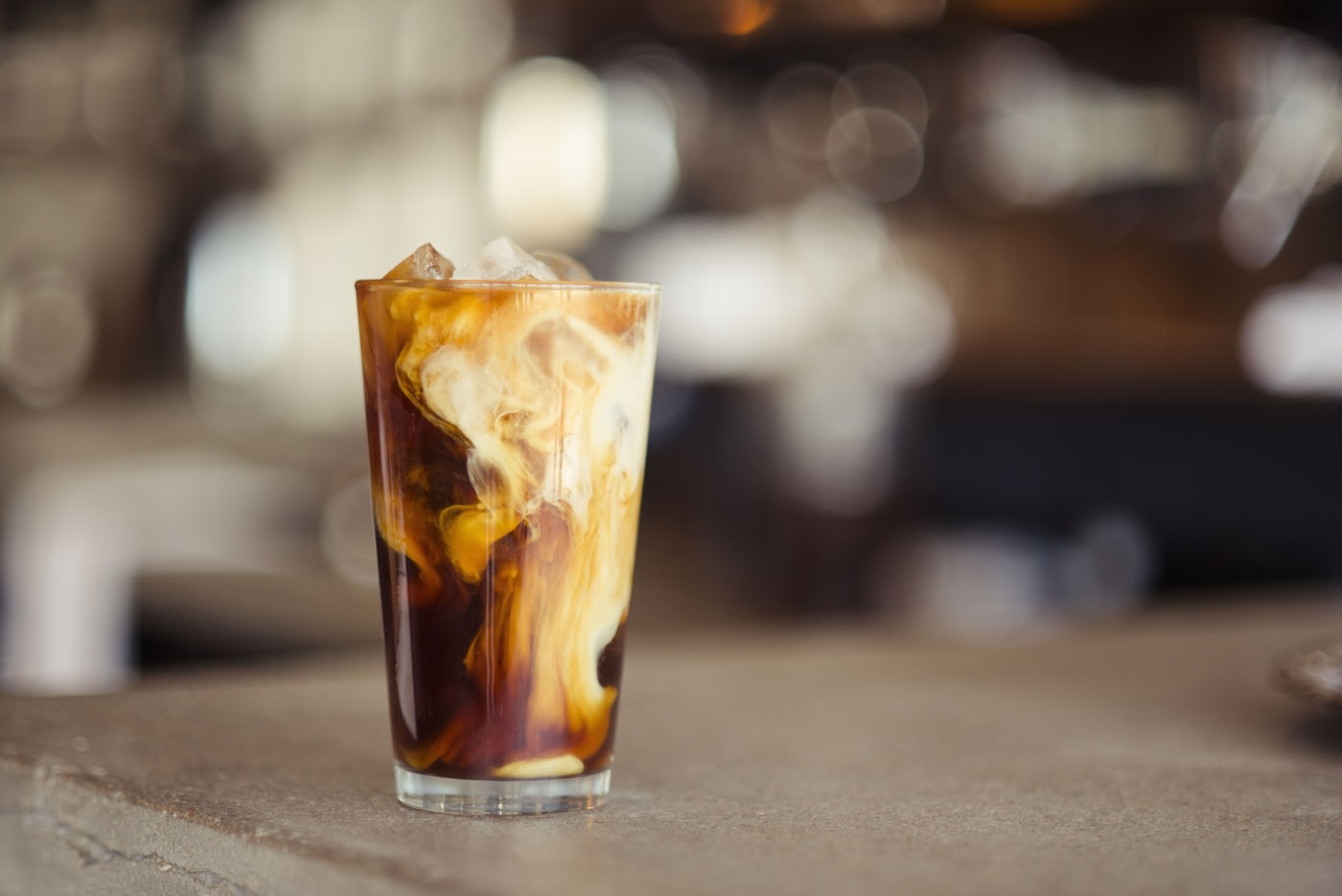
Because it no longer speaks mainly through exaggerated visuals. Early cheese tea was perfect for platform culture because its recognition signal was so strong: one photo and you knew what it was; one short video and you could display the layered drinking method. Today’s lighter tops, cloud foams, and milk-foam structures are much quieter. Sometimes they are only a thin ring of dairy foam at the lip of the cup, or a smoother opening texture that many drinkers can feel without clearly naming. They are more useful, but less showy.
That leads many observers to misread the situation. Because it no longer looks explosive, they assume it no longer matters. In fact the opposite is often true. Many mature product components only begin to serve daily sales steadily after they lose screenshot advantage. Consumers may not post specifically that a cheese cap is expertly adjusted, but they will express its value in simpler ways: this cup is smoother than expected, this low-sugar drink does not feel empty, this fruit tea is surprisingly easy to drink, this cup has more than aroma alone.
Those reactions are closer to business outcomes than “looks great in photos.” The core change in cheese foam’s second life may be that it moved from platform language back to product language. It may no longer be the element most likely to create a screenshot, but it may be the one most likely to reduce failure rates.
So if we want to judge whether cheese foam still matters, we should not look only at which brands loudly sell “cheese tea.” We should look at how many products still quietly borrow a light dairy top to improve overall completion. By that measure, cheese foam is living more deeply than many people realize.
This also explains why cheese foam does not contradict topping simplification. It is easy to think that if the current direction is fewer add-ons, less burden, and less decorative excess, then top layers should disappear too. But topping simplification mainly pushes back against components that make the cup fragmented, heavy, or overly assembled. A light top layer does the opposite: it integrates. It does not add a separate chewable component that needs its own explanation. It improves continuity with minimal movement.
That makes it highly compatible with current industry logic. Less is more—but that does not mean deleting all layers. It means keeping the layer with the greatest structural efficiency. If cheese foam survives in that form, it is not resisting the trend. It is aligned with it.

6. Why is cheese foam harder to replace once it shifts from star attraction to structural component?
Because stars go out of fashion quickly, while components can remain inside systems for a long time. If an element survives only by saying “I am the most eye-catching thing in this cup,” it will eventually be replaced by something newer, louder, or more platform-friendly. But if its value lies in helping many different drinks reduce flaws, increase completion, and raise repeat purchase, it becomes stubbornly durable. That is the position cheese foam is moving toward.
It is difficult to find another component that is as inexpensive, as legible to consumers, and as capable of softening entry, adding density, improving closure, and increasing satisfaction all at once. Toppings cannot do this because they are more additive and fragmentary. Extra sugar cannot do it because the trend is toward sugar restraint. Simply increasing milk content cannot do it either, because that quickly pushes heaviness and cost upward. Cheese foam’s advantage is that a thin layer can recalibrate the whole first half and first impression of the cup.
That also means it may not always appear under the literal name of cheese tea in the future, but its product logic will likely continue. It may be called a light cheese cloud top, a milk foam top, or just a small structural note on a menu. The names will change; the function will probably remain. This is a common mature-industry path: the old word cools down, but the engineering method behind it settles into the system.
So I do not think the story of cheese tea is over. More precisely, the era when cheese caps were the loudest first-sip contrast is indeed past. But cheese foam as a top-layer technology that helps a cup become convincing more quickly may only just be entering a steadier, deeper, and less replaceable phase.
7. What matters next is not which brand still sells cheese tea, but which brand knows how to hide the top layer inside whole-cup coherence
If we keep watching the fate of cheese foam, I would focus on two things. First, which brands can make the top light enough without making it meaningless. Second, which products make drinkers feel that a cup is smoother and more complete without making them consciously think, “I am drinking cheese tea.” The first is a test of ratio and process; the second is a test of whether shops truly understand the new role of the top layer.
Once those two things are achieved, cheese foam will fully shift from category-level gimmick to infrastructure. At that point people may stop debating whether cheese tea has come back, but they will keep encountering its effects in new products: high-aroma teas feel less airy, fruit teas feel less sharp, low-sugar milk teas feel less empty, salty directions feel easier to enter. It will no longer appear as a giant standalone word, but it will be everywhere.
That is a common outcome in mature markets. What survives is not always the loudest name from the previous era, but the structure that the industry quietly absorbs into standard practice. Cheese foam now looks very much like it is on that path.
To keep following this line, read Why Light Milk Tea Returned to Center Stage, Why Tea Drinks Keep Simplifying Toppings, Why Tea Base Now Has an Identity Card, Why Menus Started Writing Identity Cards for Products, and Why Salty Milk Tea Keeps Rising in 2026. They describe different sides of the same upgrade cycle, and the second life of cheese foam helps connect them.