Tea-drink feature
Why Tea Chains Are Seriously Writing Beany, Rice-Like, and Roast Notes into Light Milk Tea Menus: Shops Are No Longer Selling Only Floral Freshness, but a More Stable Tea-Base Structure
One of the more revealing changes in the latest round of product-page upgrades is that tea chains are no longer satisfied with broad words like “floral,” “refreshing,” “real tea base,” or “lighter burden.” More brands are moving terms such as beany aroma, rice-like aroma, grain character, roast notes, wok-fired warmth, and returning mature sweetness into the foreground. This is especially visible in light milk tea, fresh-milk tea, and Oriental iced tea lines. The point is no longer just to sell “lighter,” but to sell something light without feeling hollow, clean without feeling thin, and smooth while still being memorable.
If you line up several recent pieces on this site, the shift is quite coherent. We have already written about why light milk tea returned to center stage, why chains turned “floral + tea base” into signature language, why roast-forward oolong is being written more seriously on menus, and why sticky-rice and grain-aroma tea drinks are being re-operated. Together they point to the same larger development: once “refreshing” and “floral” become baseline rhetoric, the next competitive question is who can describe a cup as more structured, more stable in the finish, and more like a repeatable flavor choice.
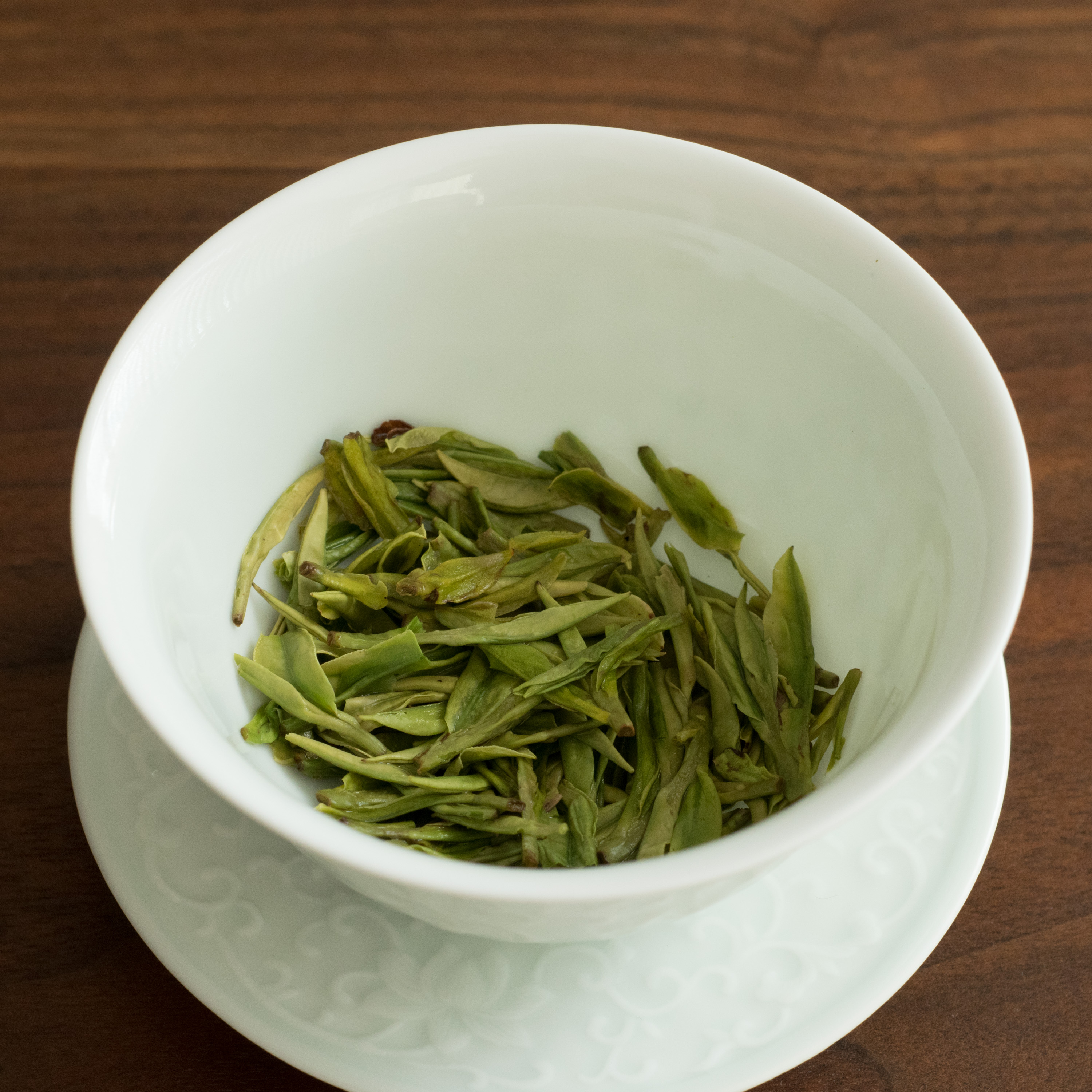
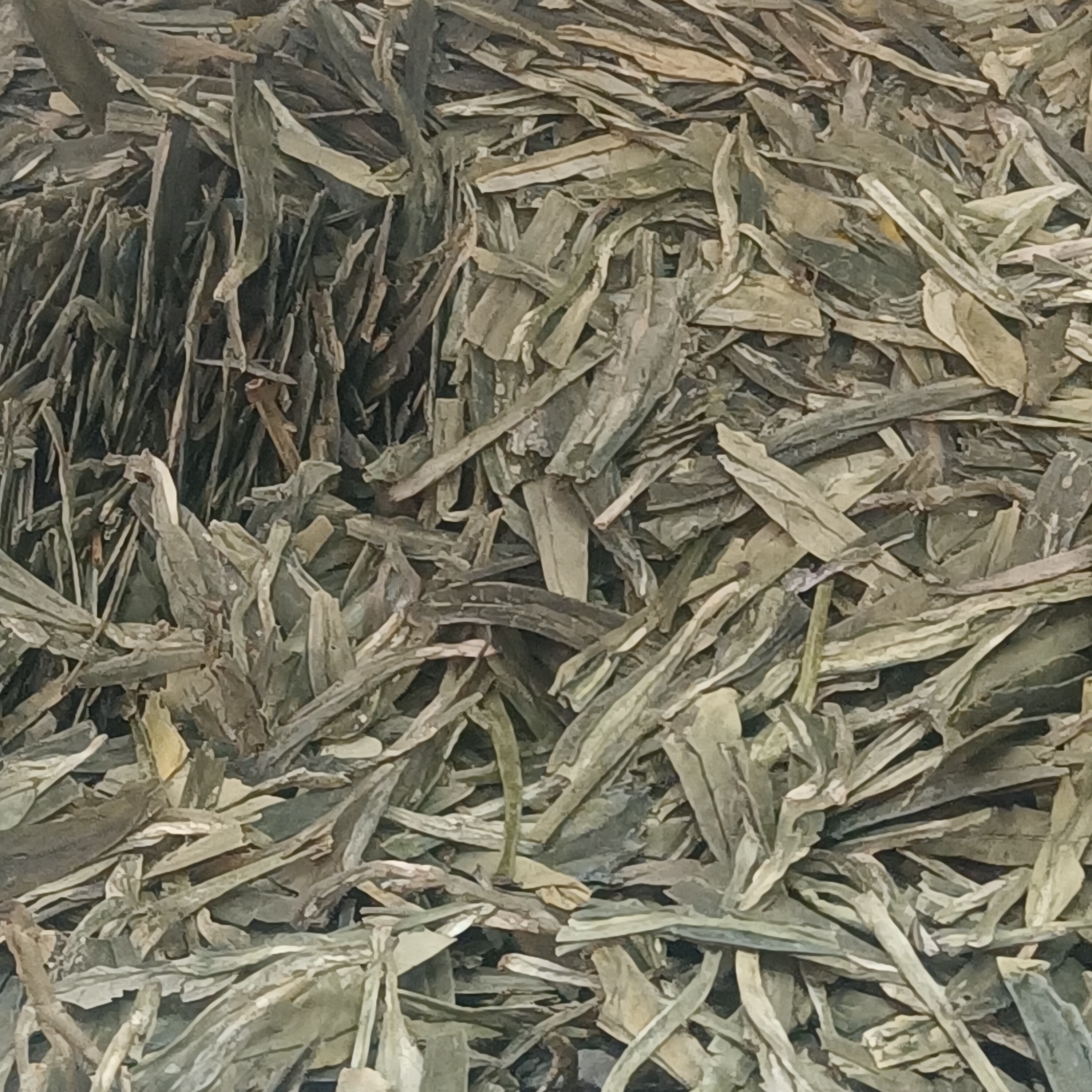
Beany, rice-like, and roast notes do that work especially well. They are not as extroverted as fruit aroma, nor as immediately dominant as thick dairy, but they are excellent at giving a tea base a sense of steadiness and mature warmth. Whether it is Longjing-style beaniness, the grain warmth of sticky-rice-leaf green tea, or the mature finish of mid-roast oolong, these flavors help brands answer the same question: if today’s light milk tea can no longer rely on heavy milk and high sugar for satisfaction, what makes the cup feel substantial?
1. Why now? Why are beany, rice-like, and roast notes moving to the front of menus?
Because “floral freshness” is no longer enough to differentiate. Over the past few years, the strongest language in ready-made tea has revolved around lightness, freshness, cleanliness, lower burden, floral lift, fruit notes, and real tea character. Those terms still work, but once every brand repeats them, they lose distinguishing power. Consumers end up hearing the same script everywhere without remembering why one specific cup deserves to be ordered again.
Beany, rice-like, and roast notes offer another route. They do not merely make “refreshing” a little more refreshing. They add a different axis: maturity, steadiness, grain warmth, roast character, returning sweetness, and back-half structure. They are not there to create the most dramatic first sip. They help the second and third sip hold together. That is particularly important for light milk tea. Once dairy steps backward, the tea base has to stand more firmly on its own.
That is why these terms now appear more often in official product pages. CHAGEE writes about the beany note and pan-fired identity of Longjing spring tea, explicitly describes sticky-rice-leaf green tea with grain aroma and long aftertaste, and pairs natural osmanthus with mid-roast oolong as a structural combination. The point is not simply better copywriting. It is that brands are pushing mature tea-base structure to the front and telling consumers that the cup is not built only on floral aroma or milkiness.
So this is not an isolated mini-trend. It is the next logical step in a 2026 menu system that has already matured. Once “contains tea” becomes a baseline, once “contains floral notes” becomes routine, and once light milk tea is everywhere, the next real differentiator is what kind of steadier tea the cup actually is. Beany, rice-like, and roast notes answer that directly.
2. Why is this mature-aroma structure especially suited to light milk tea rather than only pure tea?
Because light milk tea’s hardest problem is simple: it has to be light without turning hollow. In the old thick-milk era, a tea base often counted as successful as long as it was not completely buried. In the light-milk era, the standard is higher. Dairy is lighter, sugar is tighter, tea is more visible, but the whole cup still has to feel complete. If a brand only removes milk and sugar, the product can easily become “healthier, but also less memorable.”
Beany, rice-like, and roast notes fill that gap. Inside a cup that might otherwise feel too light, they work like an invisible support beam. Beany notes make green tea or Longjing-style bases feel more grounded. Rice-like and grain character pull herbal freshness into something softer and more food-memory-adjacent. Roast notes keep oolong or floral tea bases from existing only in the top register and help them retain depth and returning sweetness in the middle and finish.
This is also why these terms increasingly appear alongside words like smooth, delicate, returning sweetness, clean sweetness, and “not hollow.” These are not random adjectives. They all serve the same product problem: when a light milk tea no longer wants to rely on thick dairy to create satisfaction, how does it still feel like a whole product rather than merely a low-burden liquid? Mature aroma structure is one answer.
From a repeat-purchase perspective, that structure may matter more than first-sip excitement. Many genuinely durable products are not carried by the most dramatic top note, but by the feeling that you can drink them repeatedly without boredom and still think there is something inside the cup. Beany, rice-like, and roast notes help light milk tea secure exactly that long-term place.
3. Why is this not the opposite of “floral + tea base,” but a complementary move?
I do not see beany, rice-like, and roast notes as replacing floral tea bases. More accurately, they repair floral language’s main weakness. Floral notes are excellent at opening the first impression: light, bright, lifted, photogenic, easy to narrate. But floral products also run into a familiar problem—if the tea skeleton is weak, the back half can feel empty, and what remains in memory is only aroma rather than the cup itself.
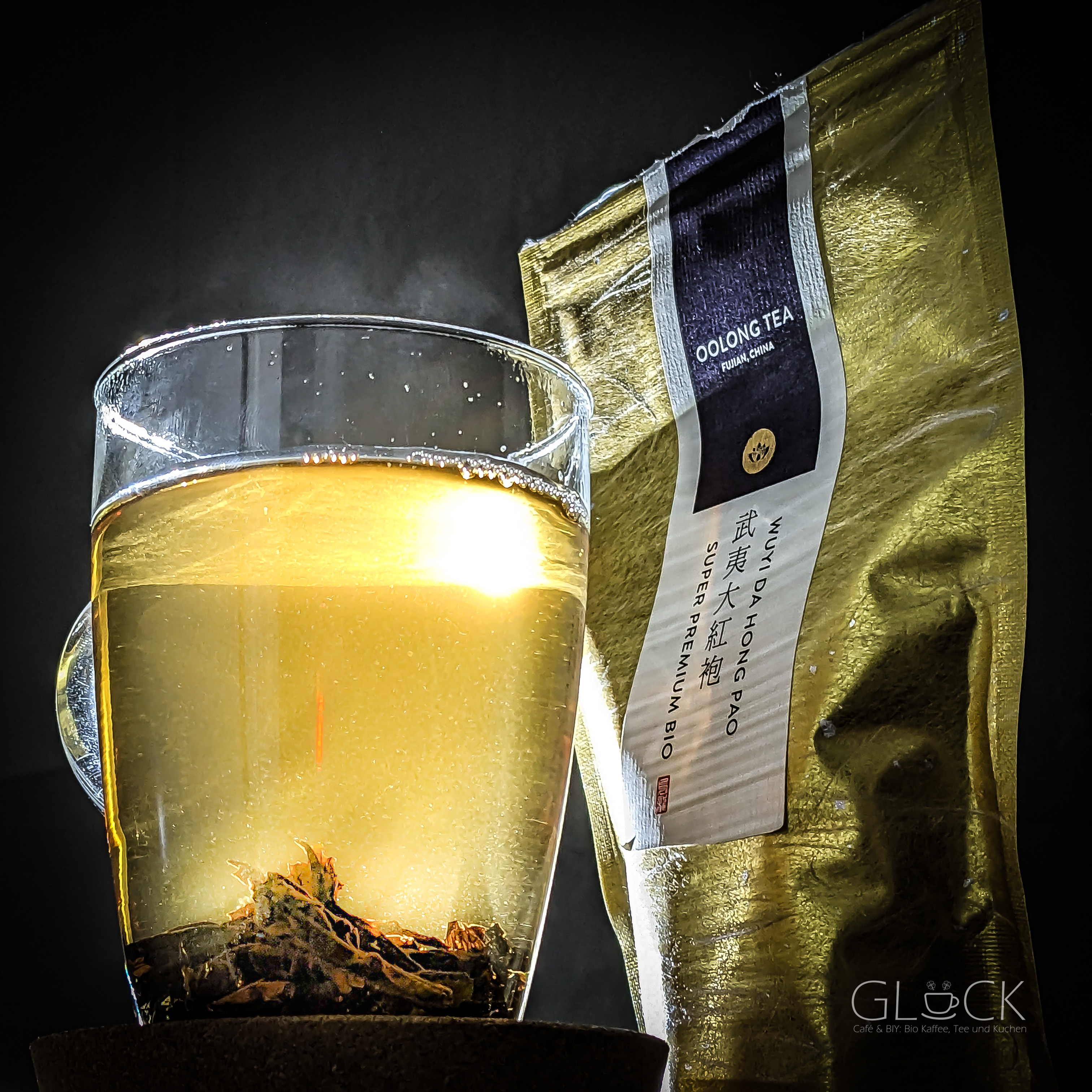
Mature aroma structure helps the cup stand up. A combination like “osmanthus + mid-roast oolong” is not about using roast to suppress floral notes. It uses roast to support floral notes. Longjing beaniness with fresh milk works in the same way. The goal is not heaviness or bitterness. It is to add a settled, mature feeling under the fresh surface. Sticky-rice green tea does something similar: the point is not eccentricity, but adding a grain-like landing point to a line that might otherwise feel too light.
So from a product-design perspective, beany, rice-like, and roast notes are not a separate language replacing the existing floral / light-milk / real-tea-base system. They deepen it. They help products move from “what this smells like” toward “what this tastes like once you keep drinking.” That is one of the most interesting developments in the 2026 menu upgrade cycle: brands have already competed enough over top notes; now they are competing over the finish.
This also explains why more products are now written as combinations of floral lift, mature aroma, and tea base rather than one dimension alone. Brands are not teaching consumers formal tea theory. They are teaching them a usable difference language: brighter or steadier, top-note-led or finish-led, airy or framed. Beany, rice-like, and roast notes are extremely efficient in that language.
4. Why does this matter for brand competition? Because it turns “maturity” into something that can finally be sold at the menu foreground
Modern tea chains have certainly sold “premium feeling” before, but much of that premium used to be visual, spatial, or naming-based rather than a clearly described maturity inside the flavor itself. Beany, rice-like, and roast notes are different. They are closer to flavor maturity: not sweeter, not louder, not more floral, but steadier, more settled, and stronger in the finish.
Once that starts working, brand competition gains a new dimension. Brands are no longer competing only over who is fresher, lower sugar, or better at telling floral stories. They also compete over who can make a steadier tea-base structure feel attractive rather than old-fashioned, dull, or bitter. That is difficult because it requires actual coordination between formula, tea-base choice, dairy ratio, and explanatory language.
It is also naturally suited to Chinese-internet discussion. These products invite specific comparison: is Longjing beaniness with fresh milk more durable as a drink? Does sticky-rice leaf become too herbal in light milk tea? Does mid-roast oolong suppress floral notes or support them? What kind of “mature aroma” feels just right, and what kind feels too heavy? These are far more discussable questions than simply saying a cup is refreshing.
Seen this way, the foregrounding of beany, rice-like, and roast notes is not a tiny rhetorical adjustment. It is a classic signal of market maturity: brands are no longer fighting only over first impression, but over a clearer tea-base position.
5. What matters next is not who writes these words first, but who turns them into stable preference
Any trend that reaches the menu foreground eventually faces the same test: will consumers build a stable preference around it? Beany, rice-like, and roast notes are no exception. Writing the words down is only the first step. What really decides whether they become a long-term line is whether more consumers start expressing choices in ways like these: when I order light milk tea now, I prefer a tea base with beaniness or roast structure; I do not want only floral cups, I want something steadier and stronger in the finish; I like this mature aroma because it feels light without feeling empty, and it fits afternoons, commutes, offices, or slower drinking moments.
If that preference forms, these notes stop being copywriting hot words and become long-term flavor assets for chains. At that point, one of the key achievements of the 2026 menu-upgrade cycle will not only be greater tea-base transparency and recognizability. It will also be that the mass market learned how to order a tea feeling that is a little more mature.
If that preference does not form, the outcome is equally clear: every brand writes more professionally, but consumers still conclude that everything tastes more or less the same. So the next thing most worth watching is not who writes these words most elegantly, but who actually turns this mature-aroma structure into something ordinary buyers can repeat, compare, and purchase again.
To keep following this line, read Why Light Milk Tea Returned to Center Stage, Why Chains Turned “Floral + Tea Base” into Signature Language, Why Roast-Forward Oolong Is Being Written More Seriously on Menus, and Why Sticky-Rice and Grain-Aroma Tea Drinks Are Being Re-Operated. They all handle different sides of the same menu-upgrade cycle, and the foregrounding of beany, rice-like, and roast-forward tea bases is one of its next steps worth tracking.