Green Tea Feature
Yongxi Huoqing: why this southern Anhui bead-style green tea deserves to be read on its own, not dismissed as an old-fashioned roasted green tea
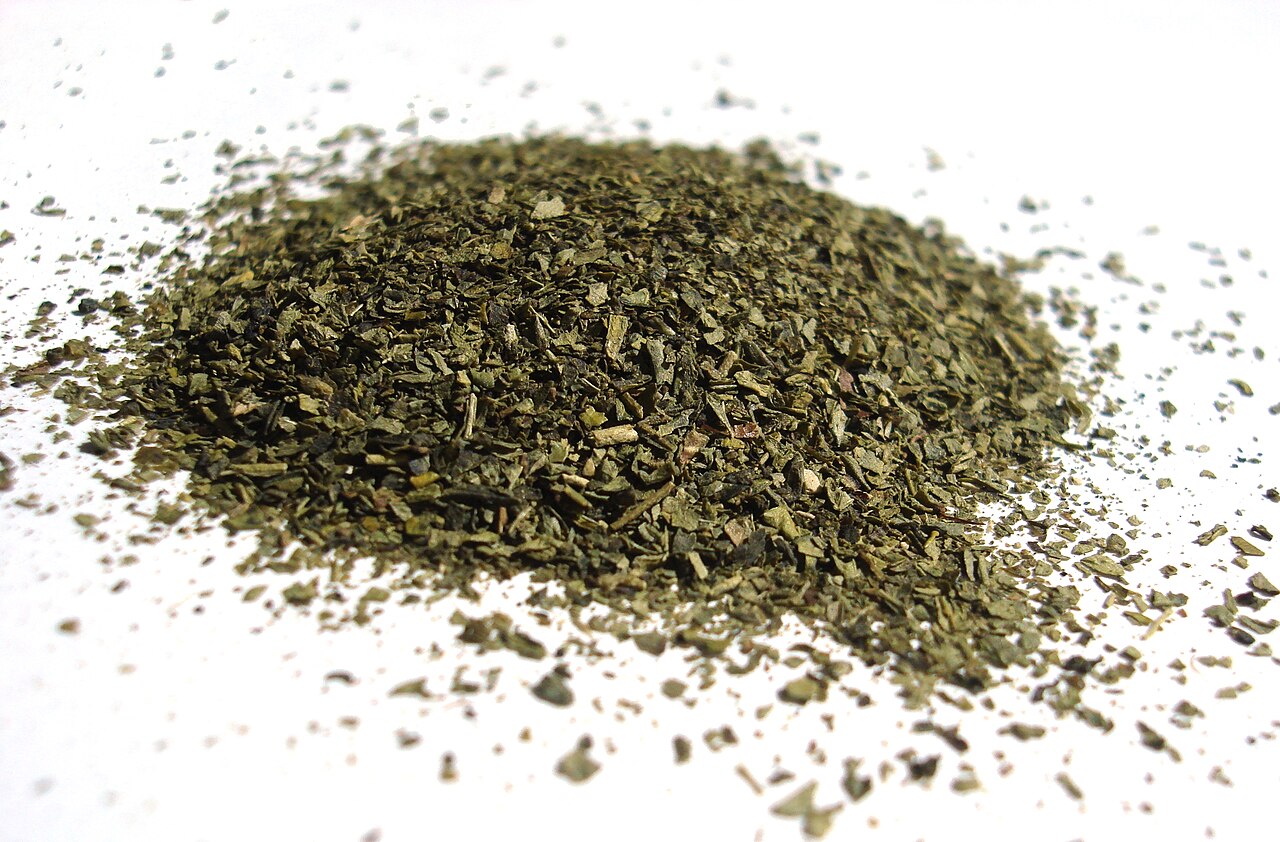
If many readers first build their image of Chinese green tea through the flatness of Longjing, the curls of Bi Luo Chun, or the refined softness of Huangshan Maofeng, then Yongxi Huoqing is most likely to be remembered for something else entirely: its round, tight, dark-green, bead-like dry-leaf shape. It does not look like what many people imagine when they hear elite spring green tea. Instead, it can appear almost old-world: compact pellets, deeper color, aroma that does not win by obvious young-leaf brightness, and a cup that is not built on weightless delicacy alone. That is exactly why it deserves a page of its own. It is not simply another historical Anhui green tea. It represents a clear southern-Anhui branch of green tea: rooted in the mountain context of Yongxi in Jing County, visually identified through tight pellet shaping, built through the cooperation of pan-firing and finishing heat, and completed by a liquor that is clean, mature in tone, fuller in body, yet still recognizably green tea.
On today’s Chinese internet, Yongxi Huoqing is often reduced to a few quick labels: famous tea, bead tea, firing, Jing County, long history. None of those tags are wrong, but they are not enough. What makes it genuinely interesting is that it reminds readers of something easy to forget: Chinese green tea does not all evolve toward the same idea of being ever paler, ever younger, ever lighter, and ever more obviously fresh. Some green teas build their prestige through tiny buds, bean-like pan aroma, and bright spring delicacy. Yongxi Huoqing represents another aesthetic route. It allows a measured mature tone, a pellet form, and a more settled visual character—but only if all of that remains clean, balanced, and complete. Its point is not to be old. Its point is to show how an older pan-fired craft logic can still produce a very high level of completion. To understand it is also to understand one of the important internal side branches of Chinese green tea that is less fashionable in modern conversation but still structurally important.
What kind of tea is Yongxi Huoqing?
Yongxi Huoqing belongs to the category of Chinese green tea, and its traditional production context is closely tied to Yongxi in today’s Jing County, Anhui. It is not just a generic Anhui pan-fired green tea, and not every round-pellet green tea can stand in for it. Yongxi Huoqing can be called by its own name because a specific mountain setting, a specific picking standard, a specific pellet-forming process, and a specific flavor direction come together at once. Remove any one of those layers, and what remains may become only a somewhat rounded green tea.
Within the broader Chinese green-tea map, it is especially valuable because it represents a form of bead-style famous green tea that many new readers do not encounter first. A great many green teas are remembered through visible buds, flat strips, curls, or silver down. Yongxi Huoqing is remembered through tight pellets, dark-green sheen, and a sense of maturity created by careful firing. Yet that does not mean it is coarse, old, or heavy. Good Yongxi Huoqing still depends on fine spring material, even shaping, clean aroma, and a fresh-yet-rounded liquor. It simply organizes those virtues into a greener, quieter, more inward-looking language.
Why is it called Huoqing? What does the “fire” actually mean here?
The first instinct many readers have when they see the name Huoqing is to assume it must be a green tea made with especially heavy fire. That is only half right. The fire in Yongxi Huoqing does indeed point to pan-firing, finishing heat, and the role of thermal control in shaping the tea. But it does not simply mean heavy roast flavor. More accurately, the name highlights a full green-tea processing logic in which heat is used to establish shape, build aroma, and complete drying and structure. It is not a steamed green tea. Nor is it a flat pan-shaped tea whose main identity lies in flattened leaves and obvious wok aroma. Its route is to use repeated thermal handling to gather the leaf into a rounded, compact, bead-like finished tea.
That is why firing is not a side detail here. It is one of the central conditions that make the tea itself possible. If the heat is insufficient, the tea can feel loose, green, hollow, and aromatically scattered. If the heat is too heavy, it can turn woody, dull, or stuffy, losing the freshness and clarity that make it recognizably green tea in the first place. The strength of Huoqing does not lie in firing hard. It lies in firing precisely: enough to give the tea maturity and completion, but not so much that it burns away freshness and cleanliness. That distinction matters, because it changes how readers should understand the tea. It is not a tea where fire suppresses everything else. It is a tea where fire organizes everything else.
Why is its tight pellet form so important?
Because this is not merely a special appearance. It is part of the tea’s full structural identity. The most immediate visual cue in Yongxi Huoqing is its compact, rounded, weighty, bead-like dry-leaf form. Many people treat that as a simple visual selling point, but in reality it is the result of craft working together with raw material. The leaves cannot be too coarse, or the pellets become rough and the liquor turns woody. And the shaping process cannot be careless, or one ends up with pellets that look tight outside but feel empty within.
In other words, the pellet form is not just packaging. It is one sign of completion. When you see the tea as round, tight, and even, you are really asking several deeper questions at once: was the raw material fine enough, was the shaping handled well, was the heat stable, and was the drying properly finished? In a truly good sample, that compact visual tightness continues into the aromatic and liquor structure as well. One finds orderly aroma, a liquor with substance, and a clean, returning finish rather than a tea that only looks like tiny beads.
How is Yongxi Huoqing made, and why is it not just a leftover old green tea style?
Public reference materials vary in terminology, but the core line is stable: Yongxi Huoqing is made from fine spring leaf material, then taken through resting or spreading, heat-fixing, rolling or shaping, pellet-form gathering, and finishing heat or drying. Read only as a list of steps, this may not sound radically different from other pan-fired green teas. But what separates it is that all of those steps serve a different stylistic goal. The tea is not trying to become flat, not trying to become loosely curled with visible down, and not trying to maximize the immediate illusion of tiny-bud delicacy. Instead, it pushes the leaf toward compactness, composure, mature aromatic cleanliness, and a liquor with more internal framework.
That is also why it should not be dismissed as merely old-fashioned. In tea writing, old-school often just means less widely promoted today, not less demanding or less valuable. Yongxi Huoqing is an excellent example of how green-tea refinement does not always have to appear through trendier signals like extreme tenderness or obvious bright-young aroma. It can also appear through disciplined pan craft, balanced finishing heat, and fully formed pellet structure. Its difficulty is not in simply roasting a tea more. Its difficulty lies in giving the tea compactness and maturity while still preserving the clarity, freshness, cleanliness, and life expected of green tea. Too light and the tea becomes scattered. Too heavy and it turns woody. Too rough and it becomes stuffy. Too loose and it becomes empty. A really good sample makes clear that this is not an obsolete route, but a highly exacting one.
What does it smell and taste like?
If one had to summarize the ideal style in a single sentence, Yongxi Huoqing is often best understood as high but clean aroma with a lightly mature tone, a fresh-yet-rounded liquor with some body, and a finish that closes gently and cleanly rather than crudely. Its aroma is not usually like the more outward tender-floral line of Bi Luo Chun, nor like the bean-and-chestnut clarity that often defines Longjing. It is closer to the clean mature scent created when a pan-fired green tea has been brought to the right level of completion: you can sense the role of heat, but not as restlessness, scorching, or roast aggression.
In the cup, Yongxi Huoqing often has more framework than many green teas built mainly on fresh, light, and quick. It is not a forceful tea, but it often contains more than its appearance suggests: freshness in the opening, roundness in the middle, and a clean returning sweetness in the finish. That is exactly why it is so easy to misread. Some drinkers treat it as merely a slightly more fired ordinary green tea and miss its freshness and cleanliness. Others, seeing the pellet form, expect something thick, heavy, and old in temperament. Both readings are wrong. Good Yongxi Huoqing is mature without dullness, tight without stiffness, and fuller without stuffiness. Those balances must stand together for the tea to be convincing.
What most needs to be distinguished between it and Longjing, Huangshan Maofeng, or other bead-style green teas?
Compared with Longjing, the most basic difference is the shaping logic and aromatic route. Longjing centers on flatness, wok aroma, brightness, and a pressed pan-fired neatness. Yongxi Huoqing instead centers on rounded pellets, the clean mature scent created by pan-firing plus finishing heat, and a liquor structure that is more inward and gathered. Compared with Huangshan Maofeng, Yongxi Huoqing has much less of the open bud-and-leaf elegance and misty mountain softness that define Maofeng, and much more of the framework that comes from gathered pellet form and a more mature sense of completion. Visually, the two almost look like opposite routes; in the cup, one leans toward lifted mountain softness while the other leans toward fresher roundness with more inward structure.
It also needs to be distinguished from the wider bead-tea family. Not every rounded-pellet green tea is Yongxi Huoqing. The reason Yongxi Huoqing deserves a separate place is not just that it is also made into bead form, but that it binds southern-Anhui mountain origin, small-area famous-tea status, firing logic, and a stable flavor profile very tightly together. It is not a vague category name. It is a famous green tea with a clear local coordinate and a clear stylistic boundary. That matters, because it means we cannot identify it by shape alone. We have to judge origin, craft, aroma, and liquor together.
How should Yongxi Huoqing be brewed? Why does it not suit rough, overly hot, over-steeped brewing?
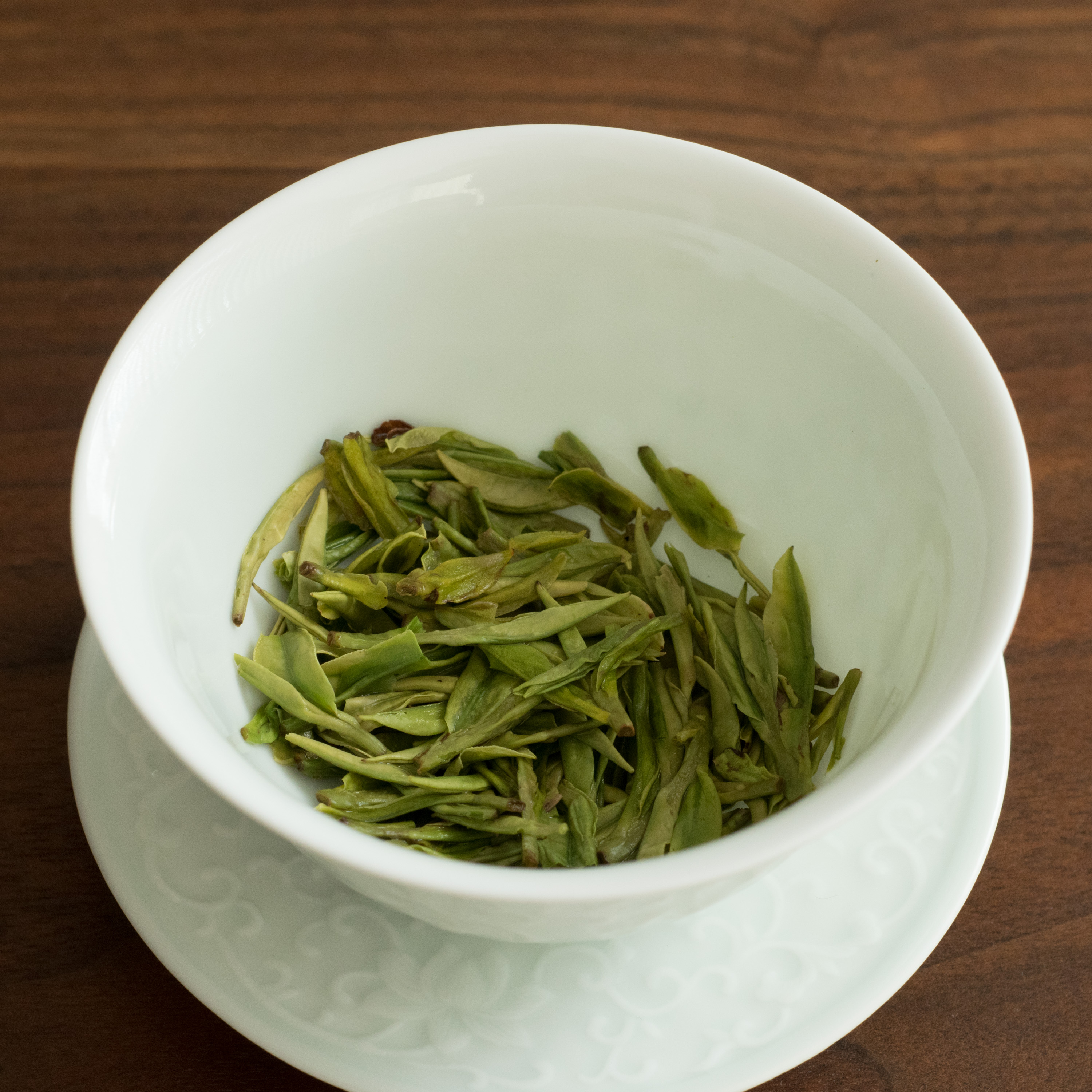
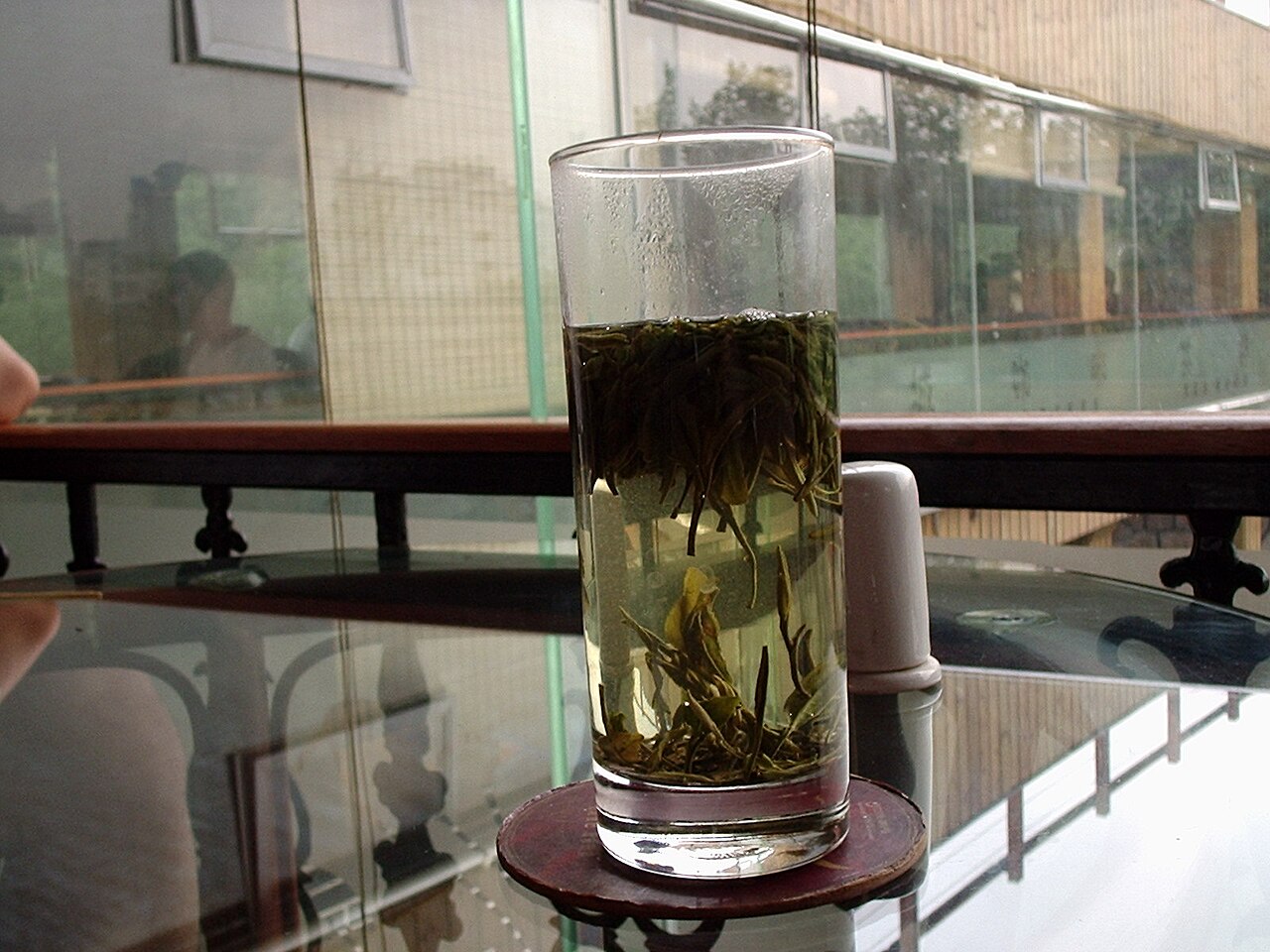
Yongxi Huoqing works well in either a glass or a gaiwan. A glass is better for watching the pellets open and for observing liquor clarity, while a gaiwan is better for careful comparison of aromatic cleanliness and infusion-by-infusion texture. For most samples, around 80°C to 85°C is a reliable starting point. Many drinkers see the word Huoqing and assume it must tolerate harder, hotter brewing. In practice, water that is too hot and infusions that are too long are exactly what make the tea feel rough. The freshness gets flattened, the strengths of its finishing heat get exaggerated into stuffiness, and what remains can become bitter, woody, dry, or dull.
In a gaiwan, around 3 grams for 100 to 120 ml of water is a practical starting ratio. Keep the early infusions short. First judge whether the aroma is clean and whether the liquor is fresh and rounded, then watch whether the returning sweetness connects naturally in the later steeps. Yongxi Huoqing does not prove itself through brute extraction. Its value lies in careful drinking. It wins through evenness, stability, and the way it continues to make sense under close attention. With this kind of tea, rhythm matters more than force.

What are the easiest buying mistakes?
The first mistake is buying it as if it were only a pellet-shaped green tea whose value depends on whether the beads look round enough. Tight pellets matter, of course, but truly good pellet form should rest on fine raw material, clean aroma, and a fresh, rounded liquor. If a tea is only very round and dark in appearance, yet smells mixed or woody and tastes hollow, thin, or stuffy, then the shape may have been made, but the tea has not.
The second mistake is assuming that more fire is always better. This misunderstanding is very common. Yongxi Huoqing depends on firing, but that does not mean it should show obvious char, old-fire harshness, or a heavily baked taste. What matters is whether the heat is clean, whether the mature aroma is natural, and whether freshness is still alive. The third mistake is treating it as a cheap, durable everyday bead tea and ignoring the fine details that matter because it is still a famous green tea. It may indeed be relatively patient and readable, but that does not mean it should be bought carelessly, brewed carelessly, or judged carelessly. In teas that look less flashy, quality gaps often hide even more in the details.
Why does it deserve to become a standalone entry in the tea section?
Because it fills a very important gap in the site’s green-tea knowledge structure: the highest forms of Chinese green tea do not draw their authority only from bud aesthetics and spring-fresh delicacy; they can also emerge from bead-style shaping, mature finishing heat, and a more inward fresh-rounded structure. Without Yongxi Huoqing, readers can too easily imagine Chinese green tea as a map made only of flat leaves, curls, visible buds, and refined spring softness. Once it is added, that map becomes much more complete. It becomes easier to understand that southern Anhui green tea does not stop at the Maofeng line, and that pan-fired green tea contains important famous-tea branches that deserve to be distinguished carefully.
It is also especially suitable for a bilingual site. Chinese readers may treat it as familiar old famous-tea knowledge, while English-language readers are much more likely to lack a clear framework for this kind of pellet-shaped Chinese green tea. If the site includes only Longjing, Bi Luo Chun, and Huangshan Maofeng—the more internationally visible green teas—then readers will naturally tilt toward only those better-known routes. Adding Yongxi Huoqing helps state something important: inside Chinese green tea, mature craft and a more settled temperament can also produce refinement, and that line is not a side note. It is part of the full tradition.